
Scams aimed at older adults aren’t just annoying—they’re heartbreaking and costly. In Memphis, TN, many families are discovering that a friendly voice on the phone or a harmless-looking email can quickly turn into drained savings and shattered trust.
The tough truth? Seniors are often in the crosshairs. Yet there’s a silver lining: once we know what scam artists are up to, we can push back, stay alert, and keep our loved ones safer. At Always Best Care of Memphis, TN, we stand shoulder to shoulder with families to reduce those risks and protect the people who mean the most to us.
What you will learn:
- Why our precious older adults are so frequently targeted, and the most common sneaky tricks scammers are using in Memphis.
- The telltale red flags and warning signs that will help you spot a scam before it causes any harm.
- Heartwarming, proactive ways your family and dedicated in-home caregivers can team up to build a wonderful protective shield around your cherished relatives.
- Gentle, clear action steps to take with love and confidence if you ever suspect a scammer has contacted your sweet family member.

Table of Contents
Why Seniors Are Often Targeted by Scams
It’s no accident that scammers zero in on older adults. They’re betting on a mix of factors that can make seniors easier to deceive, such as:
- A naturally trusting or polite nature – Many seniors were raised to be courteous and to give others the benefit of the doubt.
- Reliable income or savings – Retirement funds, pensions, and home equity can look like an open wallet to a scammer.
- Living alone or feeling isolated – Loneliness can make a friendly phone call or message seem like welcome company.
- Less comfort with technology – Rapid changes in online banking, phones, and apps can create gaps scammers love to exploit.
Put together, those ingredients can make it easier for crooks to build fake trust, push for quick decisions, and walk away with money or personal information.
Common Types of Senior Scams in Memphis, TN
Scammers are crafty, but many of their schemes follow familiar patterns. Once we know the playbook, it’s much easier to call out the bluff.
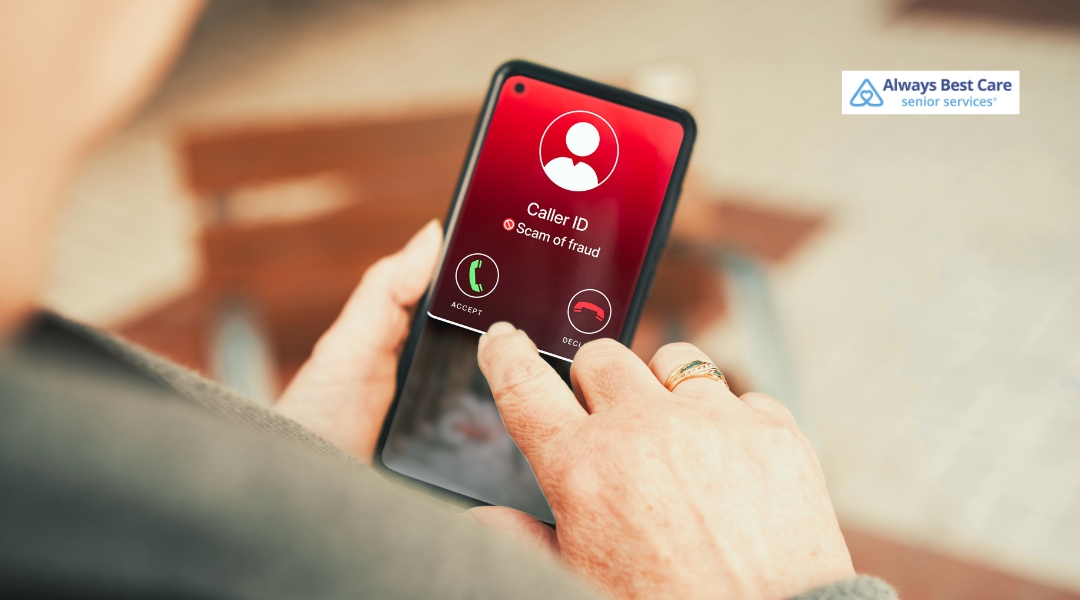
1. Phone Scams
Fraudsters may pretend to be:
- Government agencies (like the IRS or Social Security)
- Utility companies are threatening to shut off service
- Banks are warning about “suspicious activity.”
- Grandchildren or relatives in sudden “trouble.”
They usually crank up the urgency: “Pay now or you’ll be arrested,” or “Send money today or your power gets cut off.” That pressure is a huge red flag.
2. Email and Phishing Scams
Here, messages look official at first glance. They might claim to be from:
- Banks or credit card companies
- Healthcare providers
- Shipping or delivery services
- Well-known brands
The email or text often includes a link that leads to a fake website asking for passwords, Social Security numbers, or account details. One click can open the door to serious trouble.
3. Sweepstakes and Lottery Scams
These scams are classic for a reason—they keep working. Seniors may be told they’ve:
- Won a big cash prize
- Earned a new car or vacation
- Qualified for a “special reward.”
The catch? They must pay “fees,” “taxes,” or “processing charges” up front. Once the money is sent, the prize never appears.
4. Romance Scams
Online companionship can be a great comfort, but it can also be a trap. Romance scammers:
- Build emotional connections over time
- Share dramatic stories about illness, travel, or hardship
- Eventually, ask for money, gift cards, or account access
Because feelings are involved, victims may feel deeply embarrassed, making it harder for them to tell anyone what’s happening.
5. Tech Support Scams
These often start with:
- A pop-up claiming a computer is “infected.”
- A call insisting there’s a security issue
- A fake support number found online
From there, scammers may:
- Ask for remote access to the device
- Charge for fake “repairs.”
- Install software to steal information
Any unsolicited tech support call or alarming pop-up deserves serious suspicion.
Warning Signs of Senior Scams to Watch For
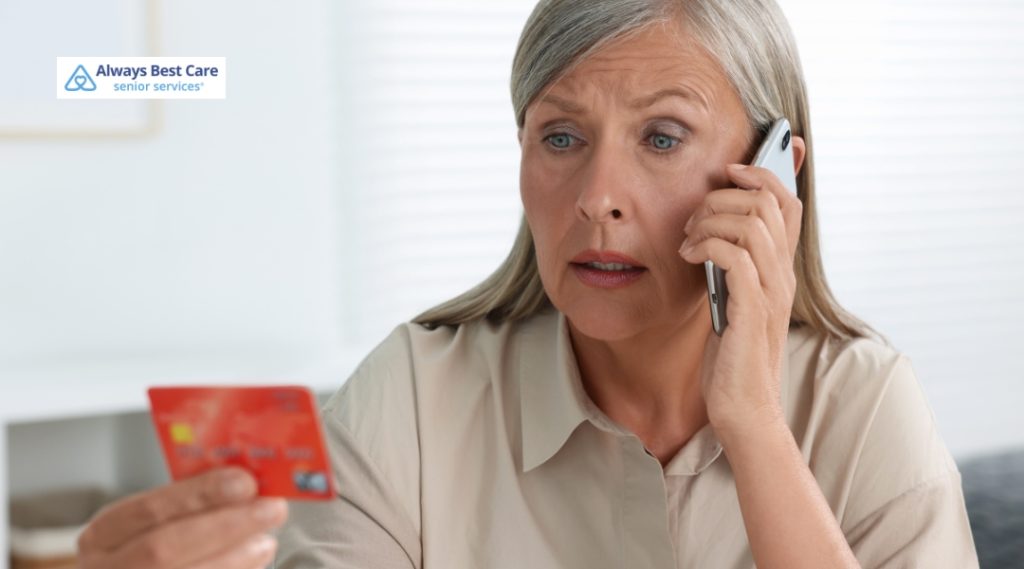
Most scams share a few familiar warning signs. If we spot these early, we can slam on the brakes before real damage is done.
Watch out for:
- Demands for immediate payment or urgent action
- Requests for payment via gift cards, wire transfers, or cryptocurrency
- Unsolicited calls, texts, or emails asking for personal or financial information
- Messages that stir up fear, panic, or guilt
- Requests to keep something “secret” from family or friends
If a situation feels off, that gut feeling is worth listening to. It’s perfectly okay—smart, even—to slow down, hang up, or seek a second opinion.

How Families Can Help Protect Loved Ones in Memphis, TN
No one should have to face these threats alone. Families can make a powerful difference by staying involved and keeping open lines of communication.
Consider:
- Talking regularly about common scams and sharing news of new tricks you hear about.
- Encouraging seniors to verify requests before sending money or sharing information—using known phone numbers, not those in suspicious messages.
- Checking financial accounts for unusual withdrawals, new credit cards, or strange charges.
- Setting up call blocking, spam filters, and safe email settings to cut down on scam attempts.
- Agreeing on a simple family rule, such as: “No large financial decision without talking to someone you trust first.”
The goal isn’t to control your loved one’s life; it’s to create a safety net so they feel supported, not judged.
The Role of In-Home Care in Scam Prevention
In-home care isn’t just about help with meals or transportation. It can also add a layer of everyday protection against scams.
At Always Best Care of Memphis, TN, we see firsthand how a trusted caregiver can:
- Screen calls and unexpected visitors, spotting questionable contacts early.
- Notice changes in mood, spending, or behavior that might hint at a scam.
- Offer companionship so loneliness doesn’t make scammer attention feel like the only connection.
- Encourage open conversation with family members about money, mail, and online messages.
Because we’re part of the daily routine, we can often spot subtle patterns—a sudden flurry of “urgent” phone calls, stacks of suspicious mail, or new “friends” asking for money—and flag them quickly.
What to Do If You Suspect a Scam
If you think a loved one may have been targeted, time matters, but so does compassion. Instead of blaming or scolding, we can focus on fixing the situation and restoring confidence.
Here are helpful steps:
- Contact the bank or financial institution right away to freeze or review accounts.
- Report the scam to local law enforcement or adult protective services in Memphis, TN.
- Keep an eye on accounts and credit for additional suspicious activity.
- Offer emotional support, reminding your loved one that scammers are trained manipulators and that many good, smart people have been tricked.
Shame keeps scams in the dark. Patience and understanding bring them into the light.

Protecting Seniors Starts with Awareness
Scams evolve, but so can our defenses. By staying informed, talking openly, and building a circle of support, we can help older adults in Memphis, TN stay safer and more confident.
At Always Best Care of Memphis, TN, we’re committed to helping seniors not only manage daily tasks but also navigate phone calls, emails, and visitors with a critical eye and a strong sense of security.
FAQs About Senior Scams in Memphis, TN
Q: Why are scams against seniors increasing?
A: Scammers are constantly looking for easy targets, and seniors often have steady incomes, may feel isolated, and might not be as comfortable with fast-changing technology. That combination can make them more vulnerable if no one’s watching out with them.
Q: What’s the biggest red flag of a senior scam?
A: A demand for quick action—especially involving money—is a huge warning sign. If someone says, “Do this right now or something bad will happen,” it’s time to pause and verify.
Q: How can we talk to a parent about scams without upsetting them?
A: Focus on teamwork, not criticism. You might say, “There are a lot of tricky scams going around, and we want to make sure nobody takes advantage of you, or us as a family. Can we agree to double-check big decisions together?”
Q: Can in-home caregivers really help prevent scams?
A: Yes. Caregivers can spot suspicious patterns, help filter calls and mail, and encourage seniors to talk about unusual requests or new “friends” asking for money. At Always Best Care of Memphis, TN, we build scam awareness into everyday care.
Q: What should we do if money has already been lost to a scam?
A: Act fast: contact the bank, report the scam, and monitor accounts closely. Just as important, reassure your loved one that they’re not alone and that you’re working through it together.

Know the Signs. Stop the Scam. Protect Your Loved One.
Senior scams may be getting more sophisticated, but they don’t have to win. By recognizing warning signs, staying in close contact, and bringing in trusted support, families in Memphis, TN can create a strong shield around their loved ones.
At Always Best Care of Memphis, TN, we walk alongside families to support seniors’ independence while keeping an eye out for threats that can slip in through phones, mailboxes, and screens. If your loved one could use extra support, companionship, and day-to-day protection from scams, we’re here to help you take the next step toward a safer, more confident life at home.
Contact Always Best Care of Memphis at (860)544-5027 to learn more and schedule your consultation.
Link to the Markdown File version of this article.