Make Summer Safer for Seniors at Home in Memphis
Summer in Memphis is a season full of promise — longer evenings, backyard gatherings, and time spent with the people who matter most. But for older adults, rising temperatures and shifting routines can introduce real risks. Heat-related illness, dehydration, and household accidents are more common among seniors during the summer months, and a little proactive planning can prevent a lot of unnecessary hardship.
Here’s how families and caregivers can help seniors prepare their homes — and their routines — before the heat sets in.
What you will learn:
- How to prepare a senior’s home to stay safe, cool, and comfortable during the summer months.
- Simple ways to help older adults stay hydrated, prevent falls, and manage heat-related health risks.
- Why emergency planning, medication safety, and outdoor home maintenance are important during warm weather.
- How in-home care can provide extra support to help seniors remain safe, healthy, and independent throughout the summer.
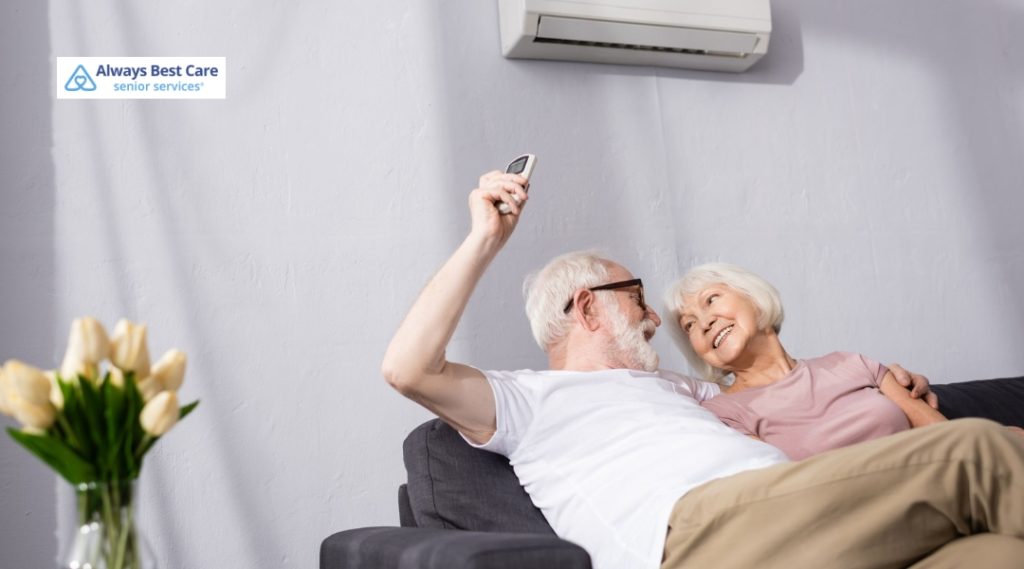
Table of Contents
Start with Your Cooling System
Seniors are more vulnerable to heat stress than younger adults because the body’s ability to regulate temperature naturally declines with age. A home that stays cool isn’t a luxury — it’s a health necessity.
Before summer peaks, schedule an HVAC inspection and replace air filters to ensure proper airflow. Test ceiling fans and make sure they’re set to run counterclockwise in summer to push cool air downward. During the hottest parts of the day, keep blinds and curtains closed on sun-facing windows.
For seniors without air conditioning, identify local cooling centers, libraries, or community centers in advance — and make sure they know how to get there.
Build a Hydration Habit
Dehydration is one of the most underestimated risks for older adults in summer. The sensation of thirst diminishes with age, meaning seniors can become dangerously dehydrated without ever feeling thirsty. Certain medications — including diuretics and antihistamines — can compound this risk.
The goal isn’t just to drink more water; it’s to make hydration automatic. Keep water bottles in visible, easy-to-reach spots throughout the home. Set gentle reminders or tie hydration to existing habits, like drinking a glass of water before each meal. Stock the kitchen with hydrating foods — watermelon, cucumbers, strawberries, and leafy greens all contribute to daily fluid intake. Limit caffeine and sugary drinks, which can accelerate fluid loss.
Inspect Outdoor Areas Before They Become Hazards
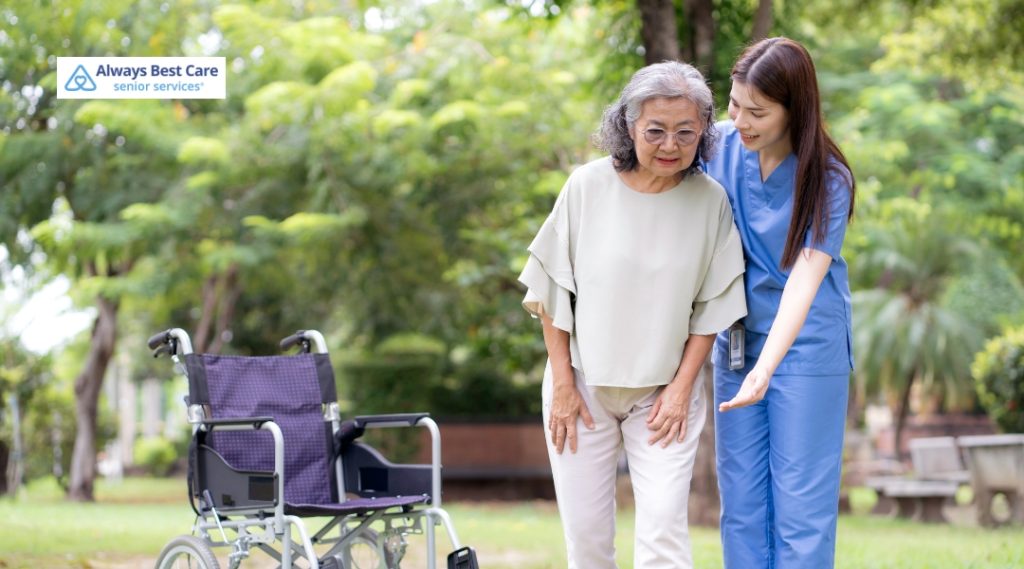
Warmer weather draws seniors outside — for gardening, morning walks, or simply sitting on the porch. Before those activities begin in earnest, take a careful look at the outdoor environment.
Walk the property and look for uneven pavers, cracked walkways, or loose steps. Check that handrails are firmly anchored. Clear away garden hoses, tools, or other items that could become tripping hazards. Trim back overgrown plants that crowd pathways, and confirm that outdoor lighting is working properly for evening use.
These aren’t major renovations — they’re small fixes that significantly reduce fall risk.
Have a Storm and Power Outage Plan
Summer weather in many regions brings more than sunshine. Thunderstorms, high winds, and power outages can create serious challenges for seniors, particularly those who rely on powered medical equipment or refrigerated medications.
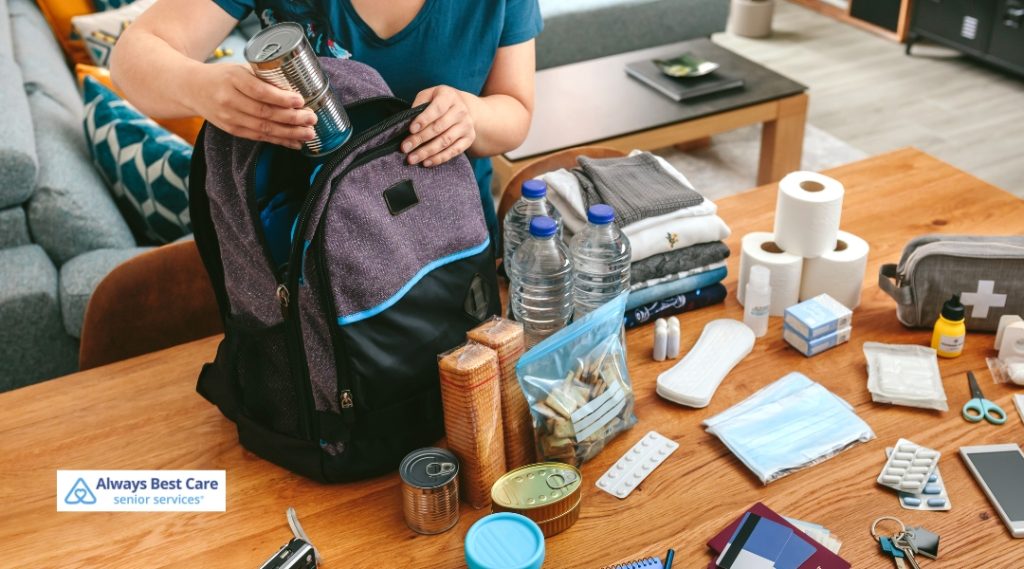
Assemble an emergency kit and store it somewhere easy to access. It should include bottled water, nonperishable food, flashlights, extra batteries, a printed list of emergency contacts, and a supply of essential medications. If a senior uses a CPAP machine, electric wheelchair, or other powered device, identify a backup power solution in advance.
Equally important: establish a communication plan with family members so everyone knows who to check on and how to stay in contact if phone service is disrupted.
Revisit Medication Storage
Heat affects medications in ways many people don’t consider. Some drugs lose potency when exposed to high temperatures, while others — like certain blood pressure medications — can increase a person’s sensitivity to heat, raising the risk of dizziness or fainting.
Review storage instructions for all current medications. Most should be kept away from direct sunlight and stored below 77°F — which means a bathroom cabinet or a car glove compartment is a poor choice during summer. If any medications require refrigeration, confirm the refrigerator is maintaining a consistent temperature. Speak with a pharmacist or physician about any heat-related side effects to watch for.
Reduce Indoor Fall Risks
Falls don’t only happen outside. Summer introduces new indoor hazards — wet floors from tracking in water after outdoor activities, increased foot traffic, and changes in routine that can lead to distraction or fatigue.
Place non-slip mats at all entry points and in bathrooms. Keep main walkways free of clutter, extension cords, and loose rugs. Make sure every room has adequate lighting, especially hallways and staircases. Encourage seniors to wear supportive, non-slip footwear inside the home rather than going barefoot or wearing loose slippers.
How Always Best Care of Memphis Can Help
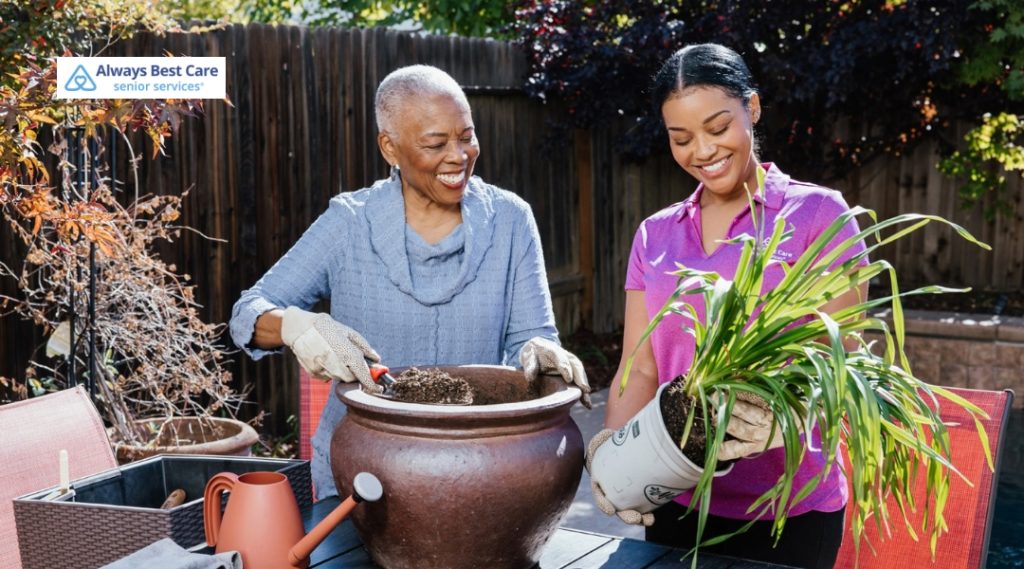
Summer preparation is manageable — but it’s easier with support. Always Best Care of Memphis provides in-home care services designed to help seniors stay safe, comfortable, and independent throughout the season.
Our caregivers can assist with light housekeeping and home safety walkthroughs, meal preparation and hydration reminders, transportation to medical appointments and errands, medication reminders, and day-to-day companionship. For families who can’t always be present, having a trusted caregiver in the home offers both practical help and genuine peace of mind.
Frequently Asked Questions
Q: What temperature is considered dangerous for seniors indoors during summer?
A: Indoor temperatures above 80°F can become dangerous for older adults, particularly those with heart disease, diabetes, or other chronic conditions. The CDC recommends keeping indoor spaces at or below 78°F during hot weather. If a senior’s home cannot be adequately cooled, they should spend time in air-conditioned public spaces during peak heat hours.
Q: How much water should a senior drink each day in summer?
A: Most older adults should aim for at least 8 cups (64 oz) of water per day, though individual needs vary based on health conditions, medications, and activity level. During hot weather or physical activity, fluid needs increase. A physician can provide personalized guidance, especially for seniors managing kidney disease or heart conditions.
Q: What are the early warning signs of heat exhaustion in seniors?
A: Early signs include heavy sweating, cool or pale skin, weakness, dizziness, nausea, and a rapid or weak pulse. If these symptoms appear, move the person to a cool environment, offer water, and apply cool cloths to the skin. If symptoms worsen or the person loses consciousness, call 911 immediately — this may indicate heat stroke, which is a medical emergency.
Q: How can I check if my elderly parent’s home is summer-safe if I don’t live nearby?
A: Consider scheduling a professional home safety assessment or arranging for a trusted local caregiver to conduct a walkthrough. Always Best Care caregivers can perform in-home safety checks and report back to family members, providing an informed picture of the home environment without requiring you to travel.
Q: Are in-home caregivers available during summer holidays and weekends?
A: Yes. Always Best Care of Memphis provides flexible scheduling, including evenings, weekends, and holidays. Care plans are tailored to each client’s needs, so support is available whenever it’s needed most.
Enjoy a Safe Summer in Memphis
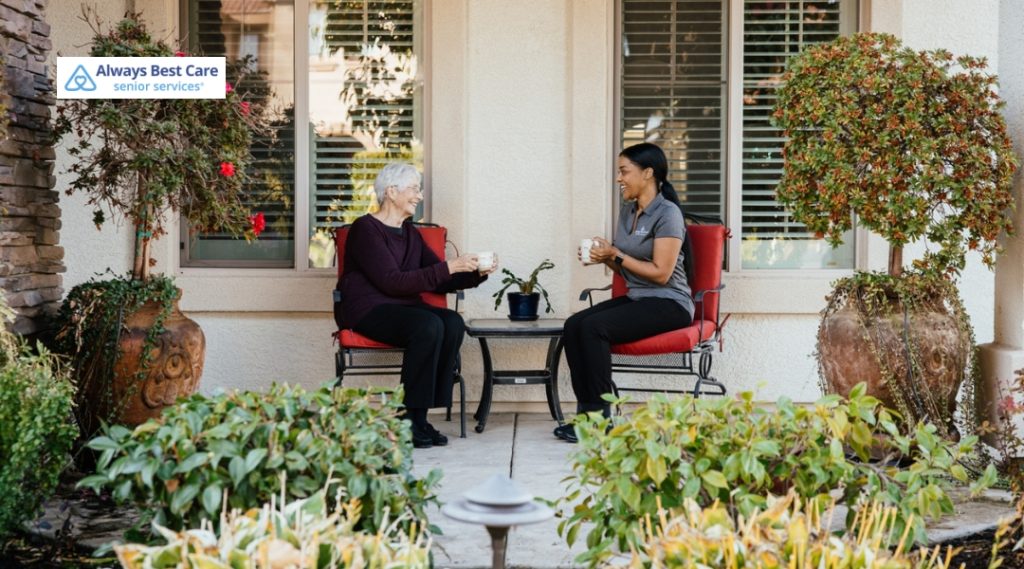
A safe summer doesn’t require a major overhaul — it requires attention to the right details at the right time. By addressing cooling, hydration, outdoor hazards, emergency preparedness, medications, and fall prevention now, seniors can spend the season doing what they enjoy rather than recovering from what could have been prevented.
If your loved one could use extra support this summer, Always Best Care is ready to help. Call Always Best Care of Memphis today at (901)557-8760 to schedule a care consultation.
Link to the Markdown File version of this article.