
Why Seniors Lose Their Appetite—and How Memphis Families Can Help
As loved ones grow older, we often notice subtle shifts at the kitchen table. A once hearty eater starts skipping breakfast, pushing food around the plate, or saying, “I’m just not hungry.” It’s easy to brush it off—but when appetite declines and stays low, it can quietly chip away at strength, energy, and independence.
Good nutrition is tied to healthy aging in more ways than we might think. It helps the body fight off illness, heal from setbacks, keep muscles strong, and fuel everyday activities that make life feel full and meaningful. When we understand why appetite changes and how to respond with care and creativity, we give seniors in Memphis, TN, a better chance to stay well and enjoy life at home.
What you will learn:
- Why a sudden or gradual decline in appetite can be a meaningful signal in your loved one’s overall health and daily well-being.
- Gentle, practical ways to make meals more appealing, comforting, and easier to enjoy for seniors at home in Memphis, TN.
- How compassionate in-home caregivers can support healthy eating habits through meal prep, companionship at mealtimes, and consistent, loving encouragement.
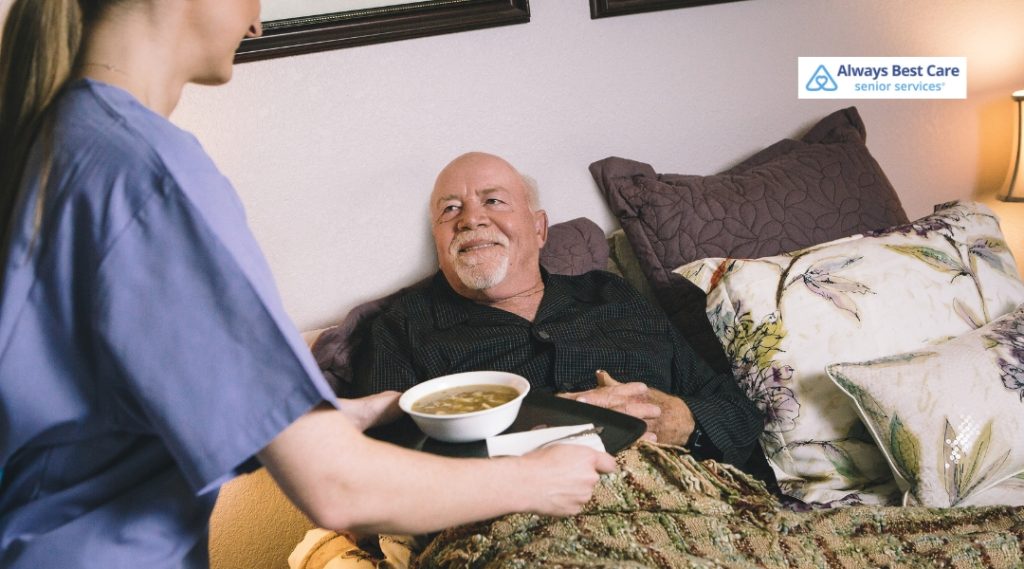
Table of Contents
Why Appetite Declines as We Age in Memphis, TN
It’s rarely just one thing. As years pass, a mix of physical and emotional changes can nudge seniors away from the table.
Some everyday age-related changes include:
- Diminished taste and smell, making food seem bland
- Slower digestion that leads to feeling full faster
- Lower activity levels, so hunger cues aren’t as strong
On top of that, other factors often join the mix:
- Side effects from medications
- Dental pain or dentures that don’t fit well
- Trouble chewing or swallowing
- Ongoing health concerns
- Depression, anxiety, or feeling lonely
- Memory loss or cognitive changes
That’s why it’s important not to ignore a pattern of skipped meals or tiny portions. Persistent changes in eating habits deserve attention and a conversation with a healthcare provider.
The Hidden Risks of Poor Nutrition
Eating “just a little” might sound harmless, but over time, the body pays the price. When seniors aren’t getting enough nutrients, several problems can creep in:
- Unplanned weight loss
- Muscle weakness and loss of strength
- Greater risk of falls
- Constant fatigue and low energy
- Slower healing after illness or injury
- A weaker immune system
Even mild shortages in vitamins, minerals, and protein can make it harder for older adults to stay active, steady on their feet, and confident living at home.
Making Meals More Appealing Again
Sometimes the solution isn’t complicated. A few thoughtful tweaks can help turn reluctant bites into genuinely enjoyable meals.
Try focusing on:
- Flavor: Use herbs and spices to bring dishes to life without piling on salt.
- Color and texture: Bright fruits, veggies, and varied textures make plates more inviting.
- Favorites: Include long-time favorite foods when you can—comfort matters.
- Portion size: Offer smaller servings more often instead of big meals that feel overwhelming.
- Nutrient density: Choose foods packed with protein, vitamins, and healthy fats in modest portions.
Many seniors do better with three smaller meals and a couple of snacks spread throughout the day. Instead of pushing “clean your plate,” we can focus on making each bite count.
Turning Mealtime Into a Social Experience in Memphis, TN
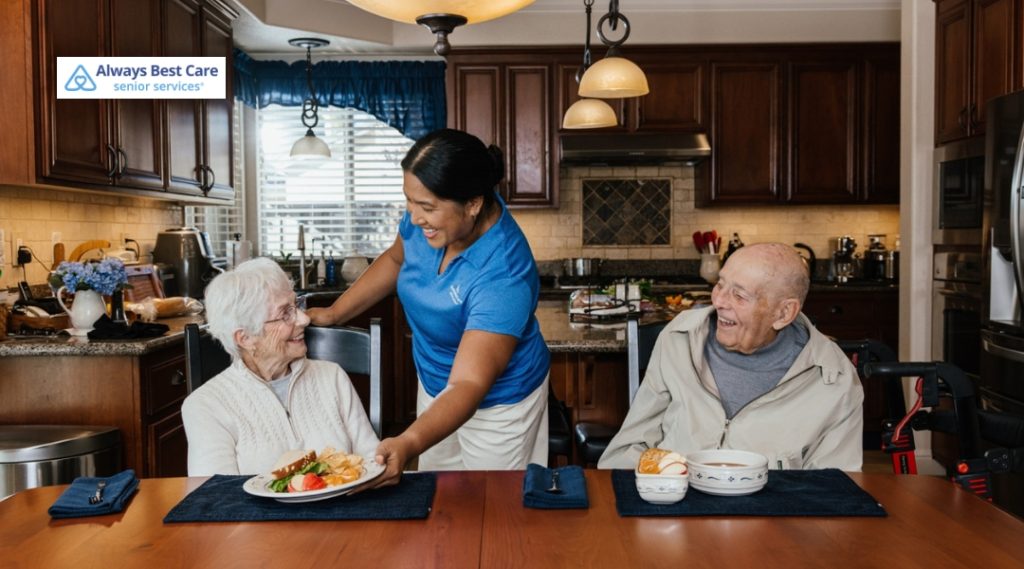
Loneliness can be a powerful appetite killer. Eating alone day after day can make mealtime feel like a chore instead of a pleasure.
In Memphis, TN, sharing food—even something as simple as:
- Lunch together at the kitchen table
- A cup of tea and toast in the afternoon
- Weekend dinners with family or friends
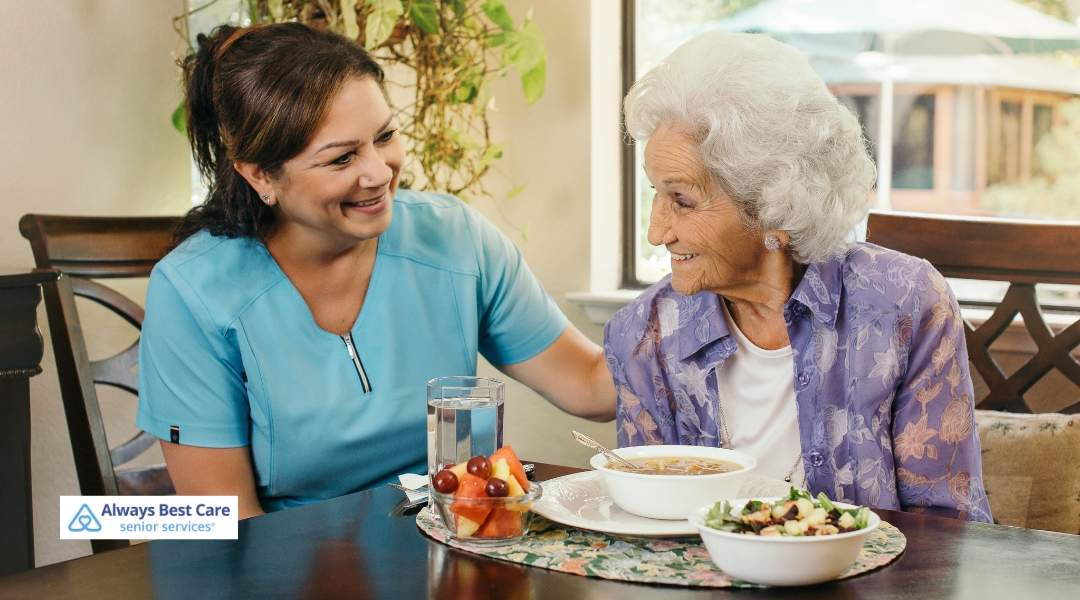
Can transform the experience. Conversation, laughter, and companionship help seniors linger a bit longer, relax, and often eat more than they would on their own. For many older adults, the company is just as nourishing as the meal.
Watching for Health Concerns Behind Appetite Changes
If appetite drops suddenly or stays low for weeks, it’s worth taking a closer look. Families should keep an eye out for:
- Noticeable weight loss
- Ongoing trouble chewing or swallowing
- Mood changes, irritability, or withdrawal
- Frequent nausea or digestive discomfort
- Growing confusion or forgetfulness
A medical checkup can uncover issues such as medication side effects, dental problems, or underlying health conditions that make eating uncomfortable or unappealing. Addressing these root causes often opens the door to better eating.
Choosing Nutrient-Rich Foods When Eating Less
When appetite declines and portions shrink, quality matters even more than quantity. Aim for foods that pack a nutritional punch in small amounts, such as:
- Eggs
- Greek yogurt
- Lean meats and fish
- Nut butters
- Beans and lentils
- Fresh fruits and vegetables
- Whole grains
Protein is especially crucial for maintaining muscle mass and strength, which support balance, mobility, and confidence at home.
How We at Always Best Care of Memphis, TN, Help Seniors Eat Well
Maintaining good nutrition can feel daunting for seniors, especially if they live alone or face health challenges. That’s where professional in-home care steps in.
At Always Best Care of Memphis, TN, we support healthy eating habits in practical, down-to-earth ways.
We can help with:
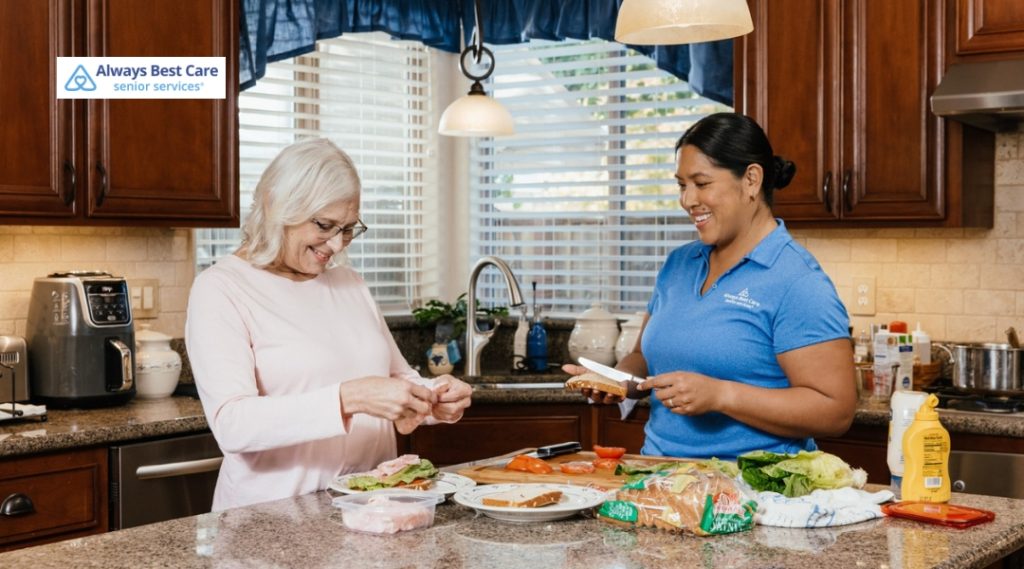
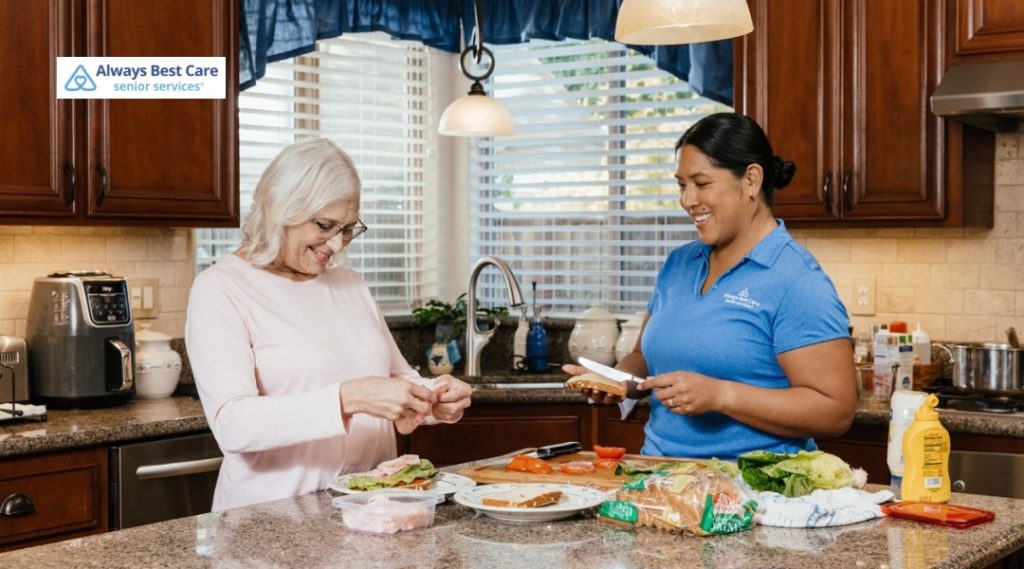
- Planning simple, appealing meals
- Preparing food that’s easy to eat and enjoy
- Grocery shopping and stocking the kitchen
- Encouraging regular hydration
- Watching for changes in appetite or food intake
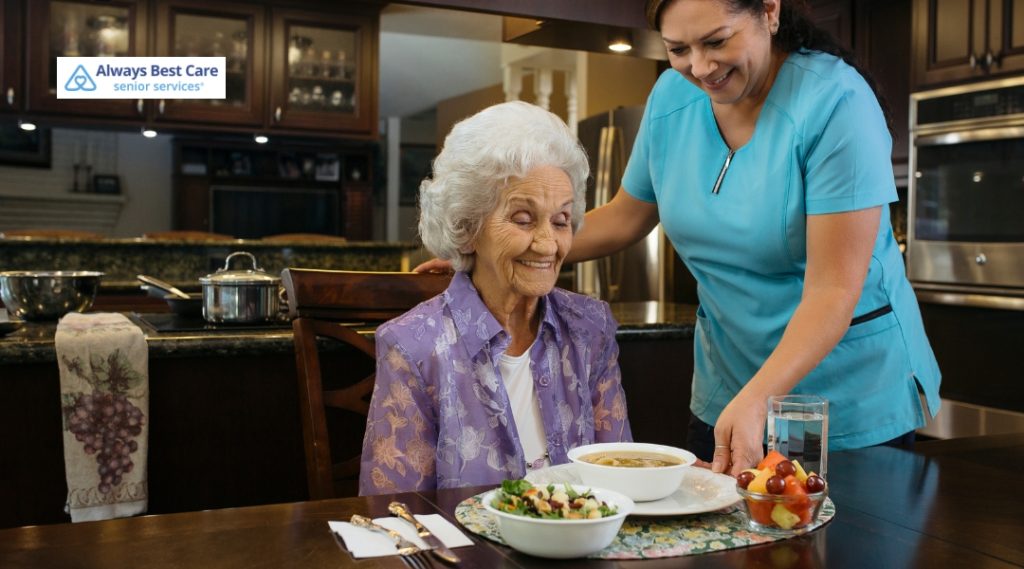
- Offering companionship and conversation during meals
- Sharing concerns with family when we notice something new
By keeping mealtimes steady, positive, and tailored to each senior’s needs, we help protect both physical health and emotional well-being.
FAQs: When Appetite Declines in Seniors
Q: Is it normal for seniors to eat less as they age?
A: Some decrease in appetite can be common, but a persistent lack of interest in food, noticeable weight loss, or fatigue shouldn’t be ignored. Those signs may point to something that needs attention.
Q: How can I encourage my loved one to eat more without nagging?
A: Offer smaller, frequent meals, serve favorite dishes, make food look colorful and appealing, and sit down to eat together. A relaxed atmosphere often works better than pressure.
Q: What should I do if my loved one suddenly stops eating well?
A: Reach out to their doctor to rule out medical or dental issues and talk openly about how they’re feeling physically and emotionally. Sudden changes deserve prompt attention.
Q: Are snacks okay if my loved one doesn’t like big meals?
A: Yes—nutrient-dense snacks like yogurt, smoothies, cheese, nuts, or soft fruits can be very helpful when large meals feel overwhelming.
Q: How can Always Best Care of Memphis, TN support healthy eating?
A: We provide help with meal planning, cooking, shopping, hydration reminders, and companionship at mealtimes, all aimed at keeping seniors nourished, comfortable, and more at ease around food.
Compassionate Nutrition Support
When appetite declines, it’s more than a picky phase—it’s a signal that deserves care, patience, and thoughtful support. With the right approach, seniors in Memphis, TN can still enjoy flavorful, satisfying meals that nourish body and spirit.
If someone you love is eating less, we at Always Best Care of Memphis, TN, are here to help. Reach out today to schedule a care consultation and learn how our compassionate caregivers can support healthy eating habits and help your loved one thrive at home.
Call (901)557-8760 or visit the Always Best Care of Memphis website to request your complimentary care consultation and talk with our team about the best next steps for your family.
Link to the Markdown File version of this article.