
Why Annual Eye Exams Are Essential for Senior Safety and Independence in Memphis
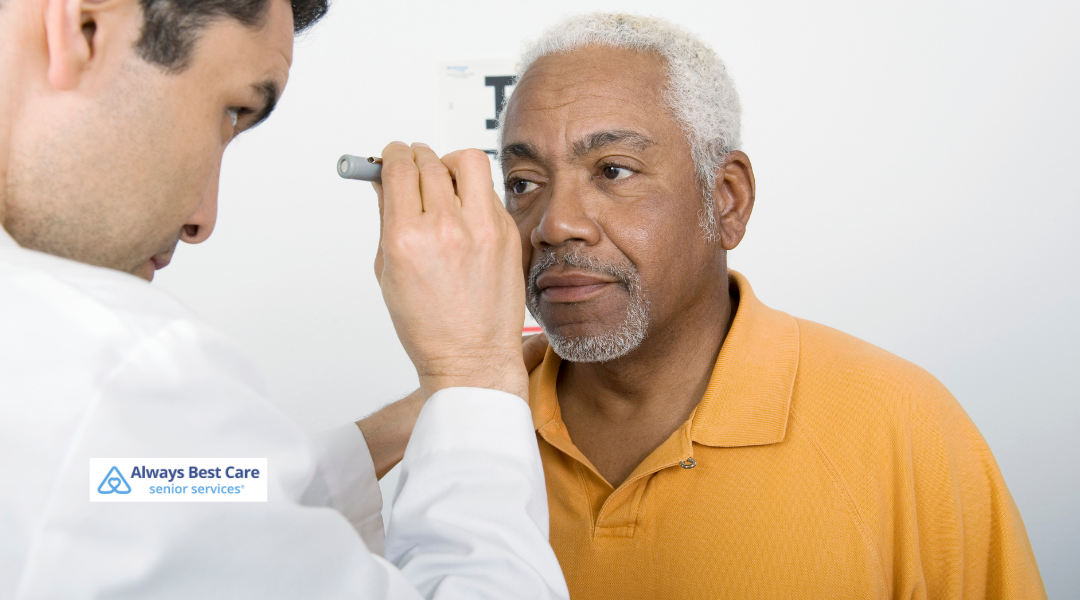
As we get older, our eyes quietly change—sometimes faster than we realize and often without obvious warning signs. Age-related shifts in vision can make everyday tasks, from walking across the living room to reading a pill bottle, feel more stressful than they should.
Annual eye exams give seniors—and the families who love them—a simple, powerful way to stay ahead of vision problems, reduce safety risks, and protect independence in and around Memphis.
What you’ll learn
- How common eye conditions impact seniors
- Why good vision is closely tied to independence
- Key warning signs that shouldn’t be brushed off
- Ways home care can support ongoing eye health
Table of Contents
Healthy Aging: Why Vision Matters
Even when seniors feel “mostly fine,” small, gradual changes in eyesight can add up to big safety concerns over time. A yearly check-up with an eye specialist helps catch these changes early, adjust prescriptions, and spot serious issues before they interfere with daily life.
Routine exams don’t just check how clearly seniors can see letters on a chart. They also look for underlying eye diseases, monitor how vision interacts with other health conditions, and help families make smart decisions about driving, mobility, and home safety.
Common Eye Conditions That Affect Seniors
Cataracts
Cataracts cause the lens of the eye to become cloudy, making everything look hazy or dim. Colors may seem faded, and bright lights can feel glaring and uncomfortable. With regular exams, cataracts can be monitored and, when appropriate, treated with surgery that often restores clear vision and confidence.
Glaucoma
Glaucoma usually steals vision slowly, affecting side (peripheral) vision first. Because it often develops without pain, seniors might not notice until significant vision is lost. Eye exams can check eye pressure and optic nerve health, helping detect glaucoma early when treatment can protect remaining vision.
Age-related macular degeneration (AMD)
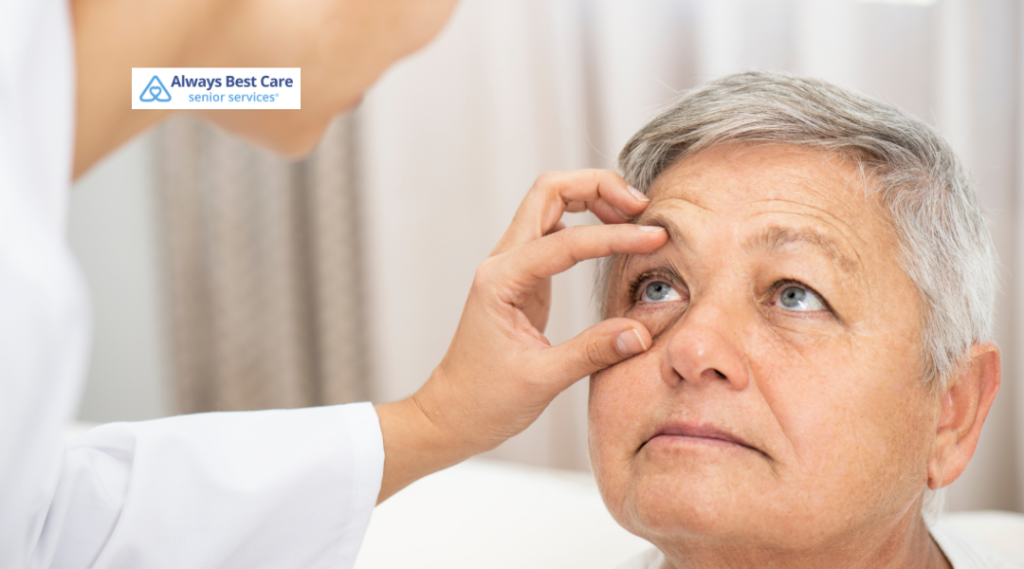
AMD damages the central part of the retina responsible for sharp, detailed vision. Seniors may notice trouble reading small print, recognizing faces, or focusing on fine details. Catching AMD early allows eye specialists to recommend lifestyle changes and treatments that may slow progression.
Diabetic retinopathy
For seniors living with diabetes, high blood sugar can damage blood vessels in the retina. Over time, this can lead to blurry vision, floaters, or even permanent vision loss. Annual eye exams are a key part of diabetes management and overall wellness.
Dry eye syndrome
Dry eye can cause burning, stinging, redness, or a gritty feeling, making it harder to read, watch TV, or enjoy time outdoors. While it’s common, it’s not something seniors have to “live with.” Home care support and doctor-recommended eye drops can ease symptoms and prevent further irritation.
How Good Vision Supports Independence
Safer walking and mobility
Clear vision helps seniors see steps, rugs, and clutter, reducing trips and stumbles. When they can confidently navigate their own home, they’re more likely to stay active and engaged.
Reduced fall risk
Many falls start with something simple—a missed step, a misjudged distance, or a shadow mistaken for a solid object. Good eyesight, combined with smart home fall-prevention strategies, lowers the risk of serious injuries and hospital stays.
Easier medication management
Reading labels, measuring doses, and tracking schedules is much easier with sharp vision. Seniors who can confidently manage their own medications are more likely to stay on track with treatment plans and avoid dangerous mix-ups.
Improved driving safety
Driving requires quick judgment, depth perception, and the ability to see signs, signals, and pedestrians clearly. Annual eye exams help families make informed decisions about whether their loved one should keep driving, adjust when and where they drive, or explore safer alternatives.
Greater confidence in daily activities
When seniors can see well, everything from cooking and cleaning to socializing and hobbies feels more accessible. Good vision supports emotional well-being, helping older adults feel capable rather than cautious or dependent.

Warning Signs That Shouldn’t Be Ignored
Blurry or double vision
If a senior starts complaining that things look fuzzy, or they see two of everything, it’s time to book an eye appointment. Sudden changes can signal serious issues that need prompt attention.
Difficulty seeing at night
Struggling to see while driving after dark, moving through dim hallways, or navigating poorly lit parking lots can point to cataracts or other eye problems. This is especially important for Memphis seniors who enjoy evening church services, family gatherings, or community events.
Frequent headaches or eye strain
Headaches after reading, watching TV, or spending time on devices can indicate an outdated prescription or underlying eye conditions. Updating glasses and checking for other concerns can make a big difference in comfort and safety.
Increased sensitivity to light
Squinting, avoidance of bright rooms, or discomfort outdoors may be more than “just getting older.” Sensitivity to light can accompany cataracts, inflammation, or other issues that deserve a professional look.
Trouble recognizing faces or reading
When familiar faces blur together or reading feels like a chore, seniors may withdraw from social activities and lose some independence. Early evaluation can help protect not only their eyesight, but also their connections with loved ones.
How Home Care Can Help Seniors Maintain Eye Health
Transportation to eye appointments
Scheduling annual eye exams is one thing; getting there safely is another. In-home caregivers can provide or coordinate safe rides to optometrists and ophthalmologists in the Memphis area, ensuring seniors don’t skip appointments because of transportation worries.
Medication and eye drop reminders
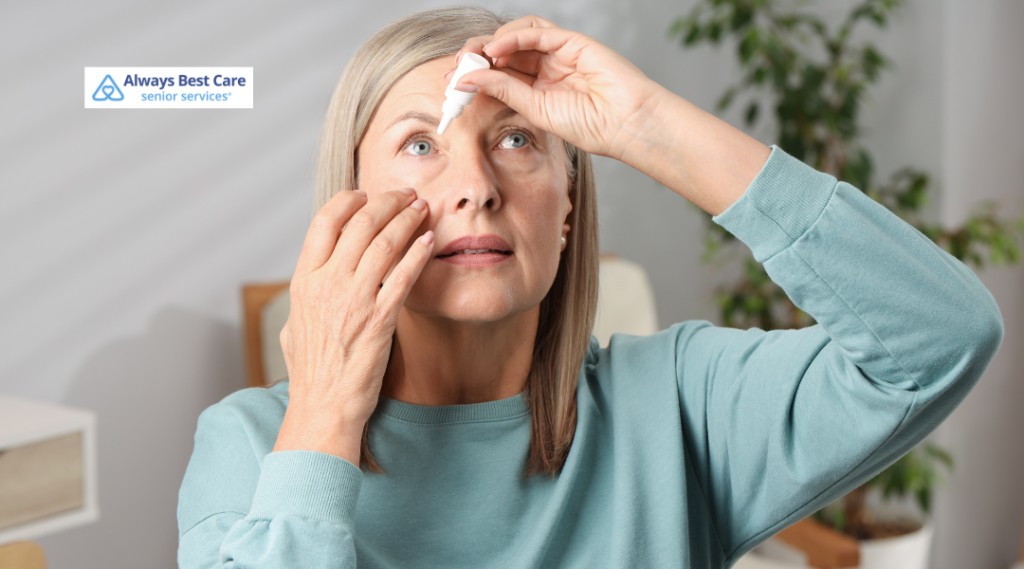
Consistent use of prescribed eye drops or medications is crucial, especially for glaucoma, dry eye, or post-surgery recovery. Caregivers can offer gentle reminders and help with application when fine motor skills or memory make it challenging.
Fall prevention around the home
If vision changes occur, home care professionals can help adjust the environment:
- Removing loose rugs and clutter
- Improving lighting in hallways and stairways
- Rearranging furniture for clearer walking paths
These small tweaks, combined with good vision, create a safer space for aging in place.
Assistance with daily activities if vision changes occur
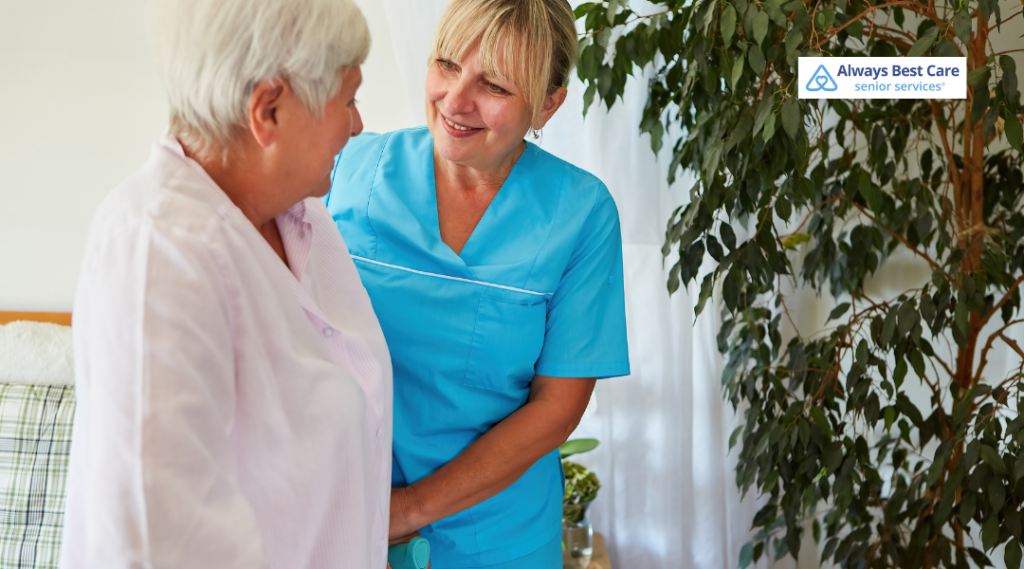
When eyesight shifts suddenly or gradually, tasks like cooking, bathing, or getting dressed can feel more daunting. Compassionate caregivers can step in to offer hands-on help while still encouraging seniors to do as much as they comfortably can on their own.

Encouragement to keep up with preventive healthcare
Beyond eye exams, caregivers often remind and support seniors in attending medical appointments, following health plans, and staying active. It’s easier to stay on top of preventive care when someone is walking alongside you, encouraging and cheering you on.
FAQ
Q1: How often should seniors schedule eye exams?
A: Most seniors benefit from a full eye exam at least once a year; this routine helps catch problems early and supports safer, more independent living in partnership with Always Best Care of Memphis East.
Q2: What if my senior loved one says their vision is “good enough”?
A: Even when things seem fine, slow changes can go unnoticed; regular exams and gentle support from family and Always Best Care of Memphis East can prevent small issues from becoming big problems.
Q3: Can home care really make a difference for seniors with vision loss?
A: Yes, home care can provide transportation, medication reminders, fall prevention, and daily assistance; together with Always Best Care of Memphis East, families can create a safer, more confident life at home.
Q4: How do I start arranging help for my senior parent in Memphis?
A: Begin by talking with your parent and scheduling an eye exam, then connect with a trusted home care agency; Always Best Care of Memphis East can help you explore options that fit your family’s needs and budget.
Stay Safe, Stay Independent: A Gentle Reminder For Memphis Families
Annual eye exams may be one of the simplest, most powerful tools seniors have to protect their health, safety, and independence. When vision problems are caught early, treatment options are often more effective, and everyday life feels less risky and more joyful.
If you’re noticing subtle changes in your loved one’s vision—or if it’s been a while since their last check-up—this is a beautiful time to take action together. Reach out to Always Best Care of Memphis East to learn how compassionate in-home care can support transportation to appointments, daily safety, and ongoing wellness, helping your loved one stay active, connected, and confidently independent. You can contact our team and schedule your care consultation, or call (901)557-8760 to start a heartfelt conversation about what your family needs next.
Link to the Markdown File version of this article.