

When a Senior’s Blood Sugar Shifts: Red Flags Memphis Families Shouldn’t Ignore
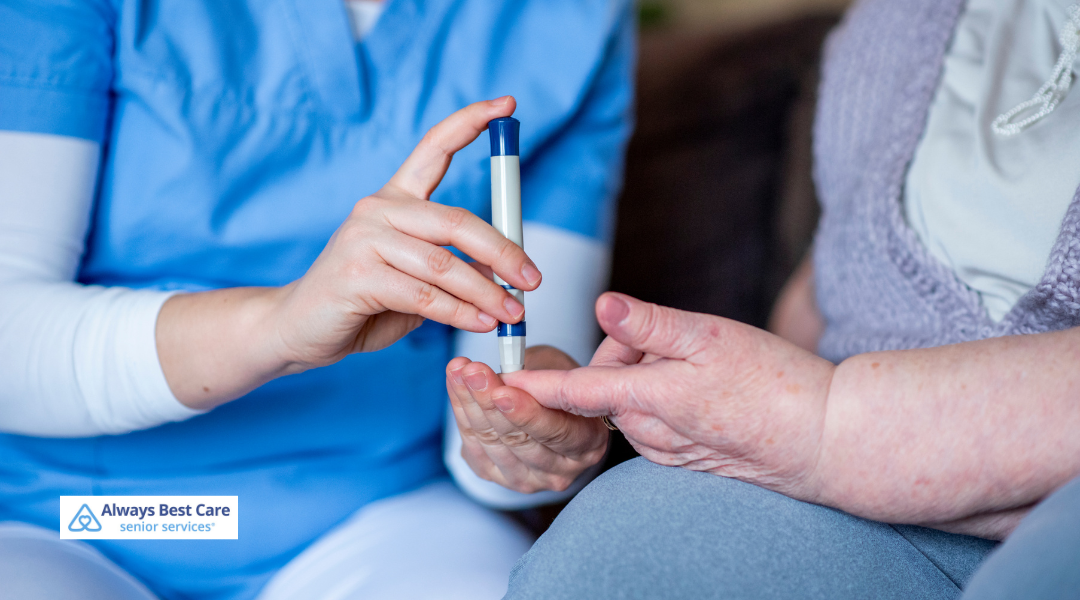
As people age, managing blood sugar becomes increasingly complex — even for seniors living with diabetes who have kept it under control for decades. In Memphis, TN, families caring for older loved ones with diabetes need to understand not just the basics, but the subtle, age-specific warning signs that can easily be mistaken for normal aging. This guide breaks down what to watch for, how to build supportive routines, and when to seek help.
What You Will Learn:
- How aging changes the way your loved one’s body manages blood sugar, and why diabetes care needs to evolve with them.
- The key warning signs of low and high blood sugar in seniors, and how to tell them apart from normal aging.
- Simple, everyday routines and observations that can help keep your loved one’s blood sugar stable and catch problems early.
- When it may be time to explore in-home care support, and how professional caregivers can make diabetes management safer and easier.
Table of Contents
How Aging Changes the Diabetes Picture
Diabetes doesn’t stay static. As the body ages, several factors converge to make blood sugar harder to regulate:
- Kidney function declines, affecting how the body processes medications and fluids
- Appetite and eating patterns shift, sometimes due to dental issues, medication side effects, or reduced sense of taste
- Polypharmacy — taking multiple medications — increases the risk of drug interactions that affect glucose levels
- Reduced physical activity from arthritis, balance issues, or fatigue can cause blood sugar to fluctuate
- Cognitive changes may lead to missed meals, forgotten medications, or inconsistent monitoring
Understanding these compounding factors is the first step toward more effective, personalized diabetes care for your loved one.
Recognizing Low Blood Sugar (Hypoglycemia)
Low blood sugar occurs when glucose drops below a safe threshold. In older adults, the body’s warning signals can be muted or misread.
Common symptoms include:
- Shaking, trembling, or sweating
- Dizziness or sudden weakness
- Intense hunger
- Headache
- Irritability, anxiety, or mood changes
- Difficulty concentrating or following a conversation
- Confusion or disorientation
- Loss of coordination or unsteady gait
What makes this tricky in seniors: Many of these symptoms overlap with common age-related changes. A senior who seems “off” or unusually confused may be experiencing hypoglycemia — not just a bad day.
When it becomes an emergency: Severe hypoglycemia can trigger seizures or loss of consciousness. If this occurs, call 911 immediately.
Recognizing High Blood Sugar (Hyperglycemia)
High blood sugar tends to develop gradually, which is why it’s often overlooked until it becomes serious.
Watch for these signs:
- Excessive thirst that doesn’t go away
- Frequent trips to the bathroom, especially at night
- Blurred or worsening vision
- Unusual fatigue or weakness
- Persistent headaches
- Unexplained weight loss
- Wounds or cuts that are slow to heal
The long-term risk: Chronically elevated blood sugar damages blood vessels and nerves, increasing the risk of heart disease, kidney failure, vision loss, and neuropathy.
When it becomes an emergency: Sudden severe confusion, difficulty breathing, or loss of consciousness alongside high blood sugar symptoms requires immediate emergency care.
What Families in Memphis Should Watch For Day-to-Day
You don’t need a medical degree to be an effective advocate for your loved one. Familiarity with their baseline — their energy levels, eating habits, bathroom frequency, and mood — is one of the most powerful tools you have.
Ask yourself:
- Is my loved one drinking more water than usual?
- Are they more tired, irritable, or confused than normal?
- Have they been skipping meals or forgetting medications?
- Are wounds healing more slowly than expected?
These everyday observations can catch problems early. If something feels off, don’t dismiss it as “just aging.” Bring it to their healthcare provider’s attention.
Key questions to ask their doctor:
- What are their personal blood sugar target ranges?
- How often should glucose be checked at home?
- Which symptoms warrant a call to the office vs. a trip to the ER?

Building Routines That Support Stable Blood Sugar
Consistency is one of the most effective tools in diabetes management. Healthy daily habits help keep glucose levels within the range recommended by the senior’s care team.
Supportive routines may include:
- Eating meals and snacks at regular, predictable times
- Taking medications exactly as prescribed — same time, every day
- Monitoring blood glucose as directed by their provider
- Drinking enough water throughout the day
- Engaging in gentle, appropriate physical activity (walking, stretching, chair exercises)
- Attending all scheduled medical appointments
Families should also keep an updated list of all medications and supplements and share it with every healthcare provider involved in their loved one’s care. Even vitamins and herbal supplements can interact with diabetes medications.
When Memory or Mobility Complicate Diabetes Care in Memphis, TN
For seniors dealing with cognitive decline or physical limitations, diabetes management becomes significantly more challenging.
Memory-related challenges:
- Forgetting to take insulin or oral medications
- Skipping meals or eating at irregular times
- Losing track of blood sugar readings
- Missing follow-up appointments
Mobility-related challenges:
- Difficulty using a glucose meter due to arthritis or tremors
- Trouble preparing balanced meals
- Limited ability to exercise safely
- Transportation barriers to medical appointments
These aren’t signs of failure — they’re signals that additional support is needed. In-home care can bridge these gaps in a way that preserves dignity and independence.

How Always Best Care of Memphis, TN Can Help
Living well with diabetes is about far more than monitoring numbers. It requires consistent meals, reliable medication routines, regular movement, and attentive observation — all of which can be difficult to maintain without support.
Always Best Care of Memphis, TN caregivers provide hands-on, daily assistance, including:
- Preparing nutritious, diabetes-friendly meals on a consistent schedule
- Reminding seniors to take medications at the right times
- Encouraging hydration and safe physical activity
- Providing transportation to medical appointments
- Monitoring for changes in behavior, energy, or physical condition and communicating those observations to family and healthcare providers
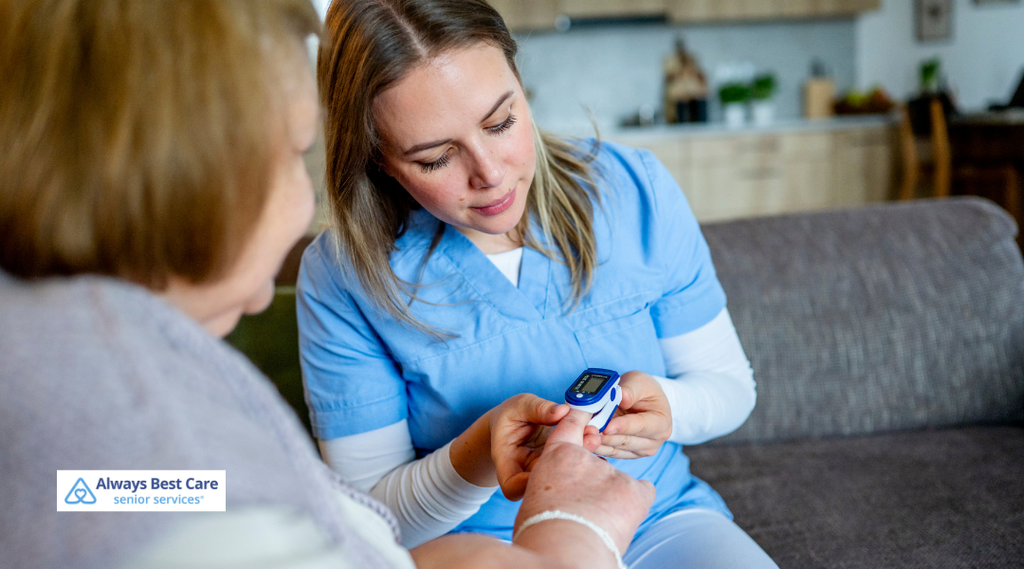
For seniors who qualify for skilled home health services, licensed healthcare professionals can provide clinical support — including glucose monitoring, wound care, and medication management — based on the physician’s care plan.
Helping Your Loved One Stay Safe with Diabetes
Blood sugar can shift quickly, and older adults don’t always recognize the warning signs in themselves. The good news is that with the right support system in place, most diabetes-related complications are preventable.
Staying involved, knowing your loved one’s normal patterns, and acting early when something changes can make a meaningful difference in their health and quality of life.
If your loved one has diabetes and could benefit from more consistent support at home, Always Best Care of Memphis, TN is here to help. Contact us at (901)557-8760 to schedule a care consultation and learn how our compassionate team can support safer routines, greater independence, and lasting peace of mind.
Frequently Asked Questions
Q: How do I know if my elderly parent’s confusion is from low blood sugar or something else?
A: Sudden-onset confusion, shakiness, or unusual behavior in a diabetic senior should be treated as possible hypoglycemia first. Offer a fast-acting sugar source (like juice or glucose tablets) if they are conscious and able to swallow, and contact their healthcare provider. If symptoms are severe or don’t improve quickly, call 911.
Q: How often should an older adult with diabetes check their blood sugar at home?
A: This varies based on the individual’s treatment plan, medications, and overall health. Their doctor or endocrinologist will provide specific guidance. Many seniors on insulin check multiple times per day, while those on oral medications may check less frequently.
Q: Can diet alone control blood sugar in older adults?
A: For some seniors with Type 2 diabetes, dietary changes and physical activity can significantly improve blood sugar control. However, many older adults require medication as well. Any changes to a diabetes management plan should be made in consultation with their healthcare provider.
Q: What foods are best for seniors with diabetes?
A: A diabetes-friendly diet for seniors typically emphasizes non-starchy vegetables, lean proteins, whole grains, healthy fats, and low-glycemic fruits. Limiting processed foods, sugary beverages, and refined carbohydrates is also important. A registered dietitian can help create a personalized meal plan.
Q: What are the signs that a senior with diabetes needs in-home care?
A: Signs include missed medications, irregular meals, unexplained blood sugar fluctuations, difficulty using a glucose meter, weight loss, frequent falls, or increasing confusion. If managing diabetes at home has become overwhelming, professional in-home care can provide critical daily support