
Rebuilding Strength at Home After a Stroke in Memphis with Expert Care
Recovering from a stroke is rarely a straight path. For many seniors, the most critical phase of recovery begins not in the hospital, but at home—where daily routines, familiar surroundings, and consistent support can make a meaningful difference in long-term outcomes.
Home health services bridge the gap between clinical care and everyday life, bringing skilled professionals directly to the patient. In Memphis, TN, families navigating post-stroke recovery have access to a range of home health services designed to support healing at every stage.
What you will learn:
- How professional in-home medical monitoring and skilled nursing keep recovery safe and on track right in your own living room.
- The way personalized physical and occupational therapy helps survivors relearn daily routines and rebuild strength in a familiar, cozy environment.
- The importance of emotional support and specialized oversight in preventing setbacks and boosting a survivor’s confidence.
- How a coordinated care team in Memphis provides a comprehensive, compassionate approach to help families feel supported every step of the way.
Table of Contents
The Real Challenge Starts at Home
Hospitals and rehabilitation centers stabilize patients and initiate recovery. But once a stroke survivor returns home, the work continues—often without the structured support of a medical facility nearby.
Many families find themselves unprepared for the complexity of post-stroke care. Mobility limitations, speech difficulties, medication management, and emotional changes can all emerge or intensify in the weeks following discharge. Without proper support, these challenges increase the risk of complications and hospital readmission.
Home health services address this gap by delivering professional care in the environment where seniors spend most of their time.
Skilled Nursing: Medical Oversight Where It Matters Most
A licensed home health nurse is often the first professional to support a stroke survivor after discharge. Their role goes beyond routine check-ins—they provide active medical oversight that keeps recovery on track.
Skilled nursing services may include:
- Monitoring blood pressure, heart rate, and other vital signs
- Managing medications and identifying potential interactions
- Watching for early warning signs of a secondary stroke or complication
- Educating family members on care routines and what to watch for
- Coordinating with the patient’s physicians and specialists
For seniors managing other conditions alongside stroke recovery—such as diabetes, atrial fibrillation, or hypertension—skilled nurses help integrate all aspects of care into a single, cohesive plan.
Physical Therapy: Rebuilding Strength and Movement
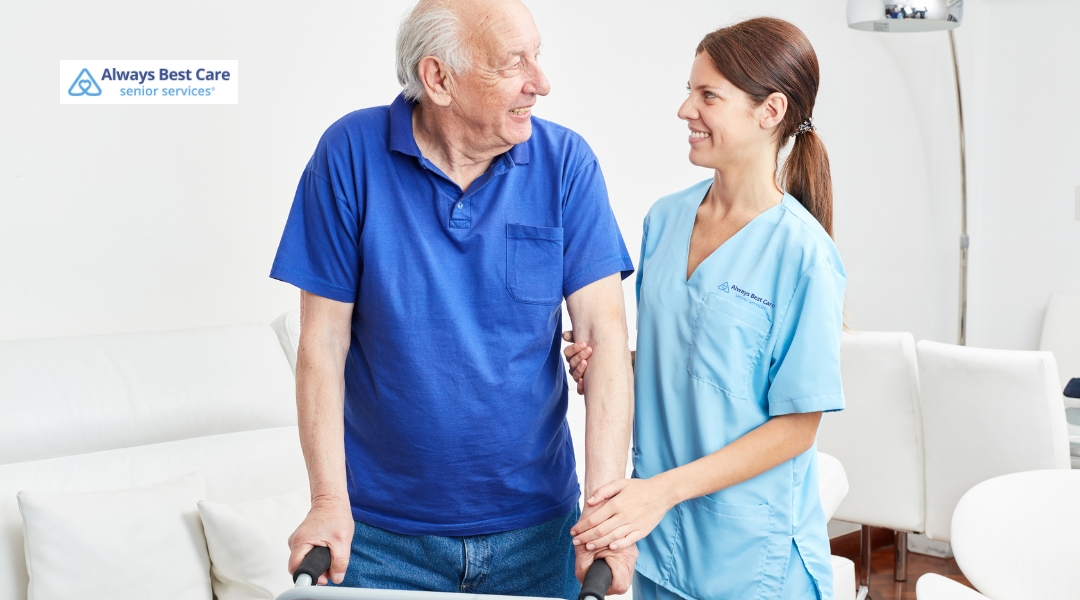
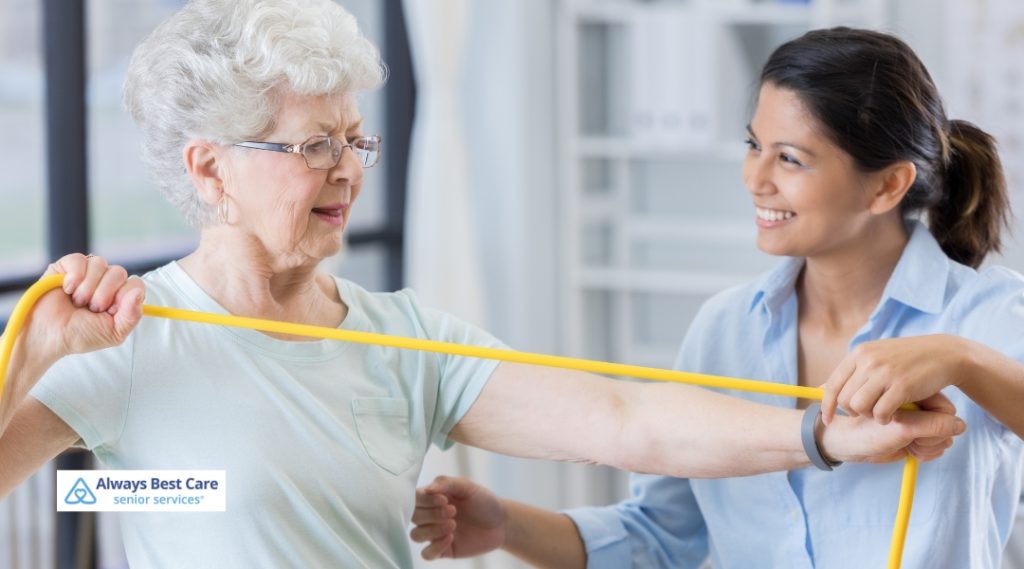
Stroke-related weakness or paralysis on one side of the body is common, and it can make even simple movements feel daunting. Home-based physical therapy helps seniors rebuild strength, improve balance, and restore functional mobility.
A physical therapist in Memphis, TN, works with stroke survivors to improve:
- Muscle strength and coordination
- Balance and fall prevention
- Walking ability and gait stability
- Range of motion in affected limbs
One key advantage of home-based therapy is that exercises are tailored to the patient’s actual living space. Rather than practicing in a clinical setting, seniors work on navigating their own hallways, stairs, and furniture—making progress that directly translates to safer, more independent daily living.
Occupational Therapy: Relearning Everyday Life
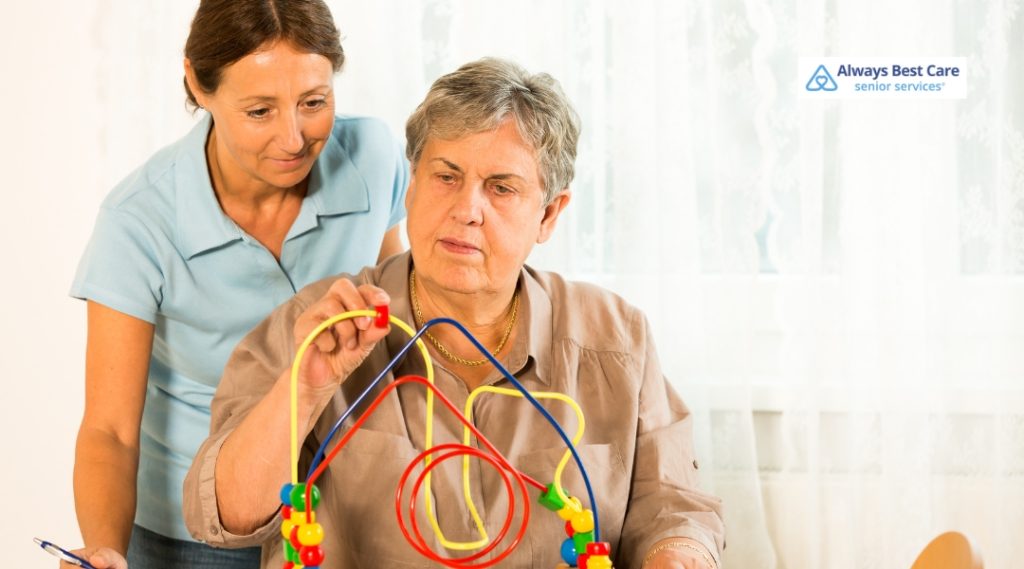
A stroke can disrupt the ability to perform tasks that once felt effortless—getting dressed, preparing a meal, or managing personal hygiene. Occupational therapy helps seniors adapt to these changes and develop practical strategies for maintaining independence.
Occupational therapy services may include:
- Relearning safe bathing, grooming, and dressing techniques
- Practicing household tasks with modified approaches
- Improving fine motor skills and hand-eye coordination
- Identifying and recommending assistive devices
- Assessing and modifying the home environment for safety
The goal is not just recovery—it is restoring a sense of normalcy and confidence in daily life.
Ongoing Monitoring: Catching Problems Early
Post-stroke recovery is dynamic. Progress can be gradual, and setbacks can occur without warning. Regular monitoring by home health professionals ensures that changes are identified and addressed before they become serious.
Home health teams monitor for:
- Sudden shifts in speech, cognition, or movement
- Increased weakness or new balance issues
- Unusual fatigue, confusion, or behavioral changes
- Signs of infection, medication side effects, or other complications
Early intervention not only protects the patient’s health—it also reduces the likelihood of emergency room visits and rehospitalization, which can significantly disrupt recovery momentum.
Emotional Wellbeing Is Part of Recovery
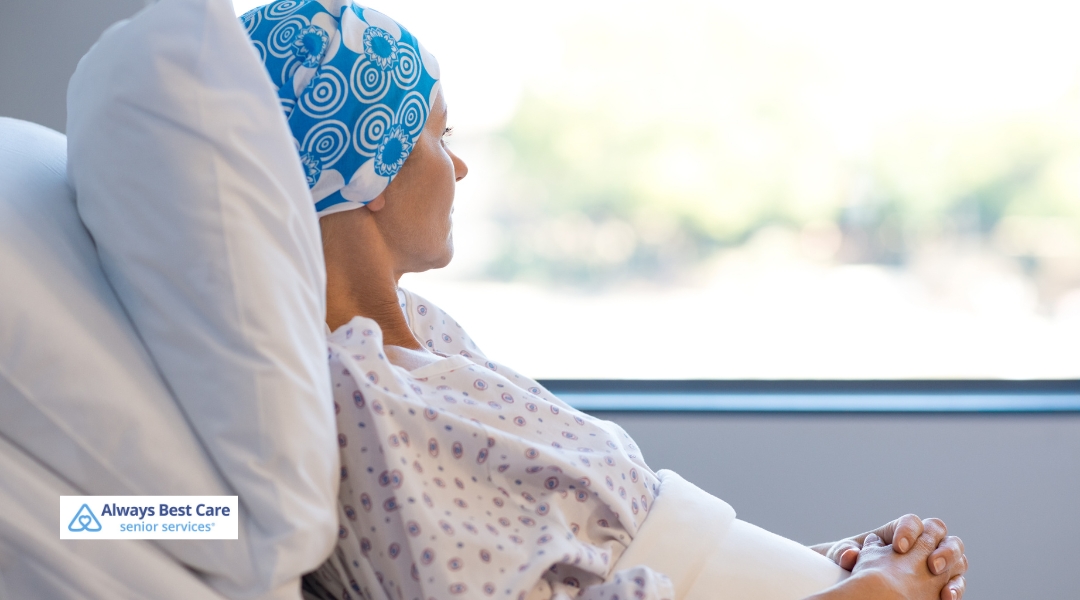
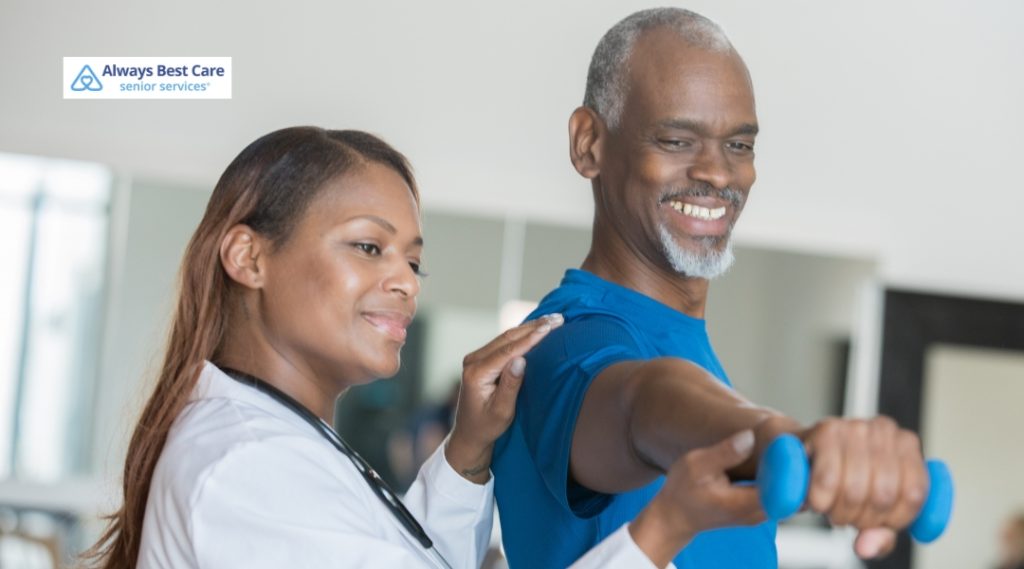
The psychological impact of a stroke is often underestimated. Depression, anxiety, and frustration are common among survivors, particularly as they adjust to new limitations and a changed sense of independence.
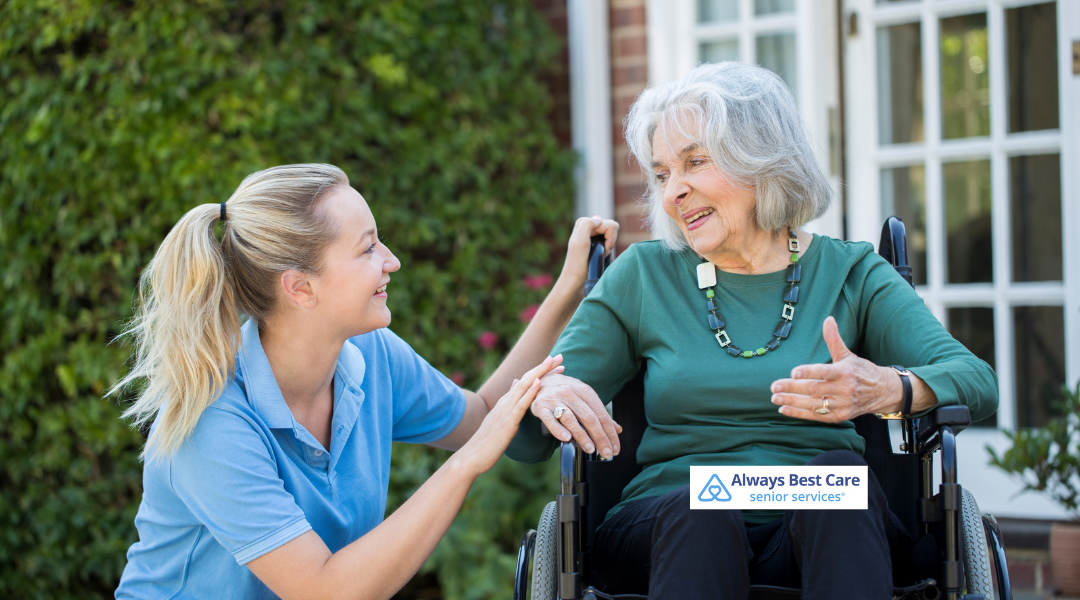
Consistent, compassionate support from caregivers and health professionals plays a meaningful role in emotional recovery. Feeling seen, encouraged, and not alone can improve motivation, adherence to therapy, and overall outlook—all of which contribute to better physical outcomes as well.
How Always Best Care of Memphis, TN Supports Stroke Recovery
At Always Best Care of Memphis, TN, we take a comprehensive approach to post-stroke home health. Our team collaborates with physicians, therapists, and family members to build individualized care plans that evolve as the patient’s needs change.
Beyond skilled nursing and therapy coordination, our caregivers provide hands-on support with daily activities, transportation to follow-up appointments, meal preparation, and companionship—ensuring that no aspect of recovery is overlooked.
Stroke recovery is a long-term process. We are here for every step of it.
Call Always Best Care of Memphis, TN today at (901) 414-2388 to schedule a care consultation and learn how our home health services can support your loved one’s recovery.
Frequently Asked Questions
When should home health services begin after a stroke?
Home health services can typically begin within days of hospital discharge. Early intervention is recommended, as the first weeks and months after a stroke are often the most critical for recovery. A care coordinator can help arrange services before or immediately following discharge.
What is the difference between home health and home care?
Home health refers to skilled medical services provided by licensed professionals, such as nurses, physical therapists, and occupational therapists. Home care typically refers to non-medical support, such as assistance with daily activities, companionship, and transportation. Many agencies, including Always Best Care, offer both.
How long does a stroke survivor typically need home health services?
The duration varies depending on the severity of the stroke and the individual’s rate of recovery. Some patients may need services for a few weeks, while others benefit from ongoing support for several months. Care plans are regularly reassessed and adjusted based on progress.
Will insurance cover home health services after a stroke?
Medicare, Medicaid, and many private insurance plans cover skilled home health services when they are deemed medically necessary and ordered by a physician. Coverage details vary, so it is advisable to verify benefits with your insurance provider before services begin.
How can family members support a stroke survivor at home?
Family members play a vital role in recovery. Staying informed about the care plan, encouraging participation in therapy, maintaining a safe home environment, and providing emotional support all contribute to better outcomes. Home health professionals can also offer guidance and training to family caregivers.
Link to the Markdown File version of this article.