
How to Make Holiday Meals More Diabetes-Friendly
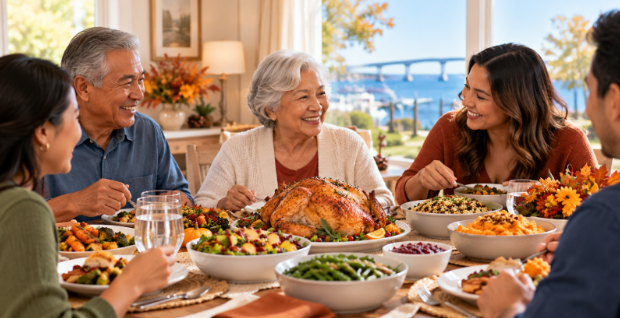
Holiday meals can be joyful without requiring older adults to abandon familiar diabetes-management routines. Families exploring home care in Hampton, VA can plan a welcoming table that respects individual food preferences, medication schedules, and guidance from a healthcare professional. The goal is not a perfect menu; it is a comfortable celebration where everyone can participate.
Table of Contents
Why Holiday Meals Can Be Tricky for Diabetes
Holiday gatherings often change meal timing, portion sizes, activity levels, and sleep patterns. For someone managing diabetes, those changes can make it harder to follow an established eating plan. Rich side dishes, sweet beverages, and several courses may also make it difficult to estimate carbohydrate intake.
People respond differently to the same food. Medication use, appetite, health conditions, and an individual care plan all matter. Rather than imposing a single holiday diet, ask the older adult what works for them and encourage questions for their diabetes care team when a change seems necessary.
What Makes a Holiday Meal More Diabetes-Friendly?
A diabetes-friendly holiday meal generally offers balanced choices, predictable timing, and portions that fit the person’s established eating plan. It can still include cherished dishes. Offering vegetables, protein, and smaller servings of carbohydrate-rich foods gives guests flexibility without making anyone feel singled out.
Plan a Menu with Familiar Foods and Flexible Choices
It may help to write a brief shopping list by food groups instead of collecting many complicated recipes. That keeps preparation manageable and reduces last-minute substitutions. Family members can divide shopping and cooking tasks so one person is not responsible for every dish.
Begin with dishes the family already enjoys. A roasted turkey or another familiar protein can sit beside colorful vegetables, a grain-based side, and favorite traditional recipes. Offering several options is often more helpful than labeling dishes as forbidden or completely safe.
If a family member uses a carbohydrate-counting approach, keep ingredient information available so they can make their own decisions. Recipe substitutions may be useful, but they should not be presented as medical treatment. The best choice is one that fits the person’s preferences and professional guidance.
Small Ingredient Adjustments That Keep Holiday Flavor
Herbs, citrus, garlic, and spices can add flavor to vegetables and proteins. Unsweetened beverages offer an alternative to punch or soda, while fruit can complement dessert selections. A traditional dish may still belong on the table in a portion that suits the guest.
- Serve a vegetable dish without a sweet glaze.
- Offer water and unsweetened drinks alongside festive beverages.
- Place sauces and dressings on the side when practical.
- Provide smaller plates without commenting on anyone’s choices.
At a buffet, arrange serving utensils and ingredient labels so guests can choose without repeatedly asking the host. Keep the setup accessible for anyone who uses a mobility aid. These small details make self-service more comfortable and preserve the relaxed mood of the occasion.
Support Independence Before Guests Arrive
Understanding why immunization awareness matters to everyone can help families make informed health decisions, stay updated on recommended vaccinations, and support the well-being of older adults and their communities.
Families comparing supportive in-home assistance for everyday family routines may also consider how caregivers help with ordinary household tasks and meal preparation, subject to the local provider’s approved scope. Nonmedical caregivers should not be expected to adjust medication doses or prescribe diets.
How Can Families Avoid Unwanted Food Pressure?
Let guests serve themselves when possible and avoid commenting on how much someone eats. A respectful host can quietly identify ingredients or offer a second option. That approach protects autonomy and makes the gathering feel like a celebration rather than a health inspection.
A Practical Holiday Plate Comparison
The following examples are general meal-planning ideas, not individualized nutrition instructions. People who follow a specific carbohydrate target, kidney diet, or other medical eating plan should use the guidance provided by their clinician or registered dietitian.
If guests bring food, invite them to share basic ingredient details ahead of time. This is especially useful for people managing food allergies or following medically recommended restrictions. It also allows the host to plan variety without requesting private health information.
| Holiday Choice | Consideration | Flexible Option |
|---|---|---|
| Sweetened punch | Contains added sugar | Offer water or unsweetened tea |
| Large serving of stuffing | Carbohydrate-rich side | Serve a smaller portion with vegetables |
| Vegetable casserole | Recipe ingredients vary | Offer simply prepared vegetables |
| Holiday dessert | May add carbohydrates | Provide modest portions and choices |
These simple adjustments can help families create a more balanced holiday meal without removing familiar dishes or traditions. Offering flexible portions, a variety of vegetables, and alternative beverages allows older adults to enjoy the celebration while following their individual dietary needs. Families can focus on making mealtime comfortable and inclusive, with guidance from healthcare professionals when specific diabetes-related nutrition concerns arise.
Keep Timing and Everyday Routines in View
A long delay between breakfast and a holiday dinner can disrupt familiar routines. Share the planned mealtime in advance and consider offering a simple snack option if dinner will be late. Anyone using glucose-lowering medication should follow their personal care plan for meals, monitoring, and activity.
When guests travel between homes, a short planning conversation can prevent unnecessary stress. Ask whether they need a place to store personal supplies or a private area for routine self-care. Do not make assumptions about what assistance they require.
Simple Steps for a Less Rushed Celebration
Families can also plan what happens after guests leave. Packing leftovers into clearly labeled containers and keeping perishable foods refrigerated promptly makes the kitchen easier to manage. When sending food home, ask what the recipient would actually enjoy rather than preparing a large assortment automatically. For some older adults, a modest portion of a favorite dish is more welcome than several days of leftovers. If someone follows a prescribed meal plan, they can decide which leftovers fit that plan. These choices allow the gathering to remain generous while respecting personal routines, household space, and preferences.
- Confirm the mealtime and ask about dietary preferences privately.
- Prepare a mix of vegetables, proteins, and familiar side dishes.
- Set out water and keep ingredient information accessible.
- Allow time for a relaxed meal and comfortable rest breaks.
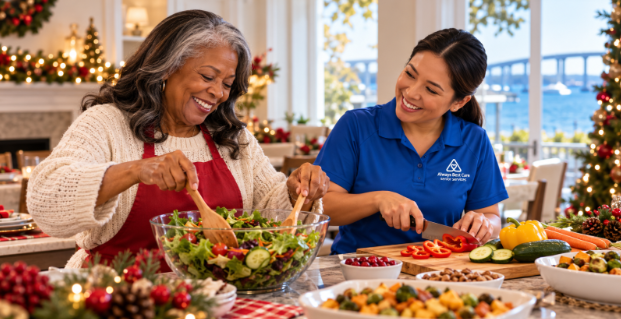
A caregiver or family member can assist with shopping, setting up the table, or organizing the kitchen when requested. Information about local caregivers who support daily home routines can help families understand the value of dependable nonmedical assistance during a busy season.
After the meal, a short walk or a quiet conversation may be enjoyable for some guests, but physical activity should match personal ability and medical advice. Avoid framing exercise as a way to compensate for eating. The purpose of the holiday is connection, not measuring anyone’s performance.
Make the Gathering Comfortable for Everyone
Good hospitality includes more than the food itself. Clear walkways, comfortable seating, and an unrushed schedule can make a holiday visit more enjoyable for older adults. Guests may appreciate having the option to step away from noise without missing the main celebration.
Families sometimes coordinate support across different living arrangements. Exploring assisted living referral options for changing family needs can be part of a broader conversation about preferences and day-to-day assistance, rather than a decision driven by a one-holiday meal.
Balance Food, Connection, and Choice
Food traditions carry memories and cultural meanings. Encourage storytelling, music, and conversation, so the gathering is not centered on dietary restrictions. A favorite recipe can be enjoyed thoughtfully, and no guest should have to explain their personal medical decisions to the table.
If an older adult feels overwhelmed, ask what would make the visit easier. Listening is often more helpful than offering unsolicited advice. Families can also discuss personalized home care questions with the local team when planning ongoing practical support beyond the holiday season.

Common Holiday Meal Planning Concerns
Can a Person with Diabetes Enjoy Traditional Holiday Foods?
Yes, in many cases. Managing portions, balancing food choices, and following individualized dietary guidance can help older adults enjoy familiar holiday dishes. A healthcare professional or registered dietitian can provide recommendations based on specific nutritional needs.
Should Families Prepare a Completely Separate Meal?
Not necessarily. Offering a variety of dishes and flexible portions allows everyone to enjoy the same holiday gathering. Families should ask about their loved one’s preferences rather than assuming that a separate meal is necessary.
What Should a Host Do if Dinner Is Running Late?
Let guests know about schedule changes and offer suitable food options when possible. Older adults whose medications require specific meal timing should follow their prescribed care plans. Families should consult a healthcare professional if they are unsure how a delay may affect medication or meal schedules.
Can a Nonmedical Caregiver Change a Diabetes Meal Plan?
No. Nonmedical caregivers can assist with meal preparation, grocery shopping, and everyday food-related activities according to the established care plan. Dietary modifications, medication adjustments, and clinical nutrition recommendations should come from qualified healthcare professionals.
Plan a Welcoming Holiday with Practical Support
Thoughtful food choices, flexible meal planning, and familiar traditions can help older adults enjoy holiday gatherings while respecting their individual dietary needs. Families can make celebrations more comfortable by preparing balanced options, maintaining established routines, and encouraging participation without unnecessary restrictions.
Always Best Care of Norfolk VA provides nonmedical assistance with meal preparation, companionship, and everyday activities for older adults. Families can discuss personalized holiday meal preparation and home care assistance or call (757) 802-4080 to explore support options for their loved ones in Hampton, VA.