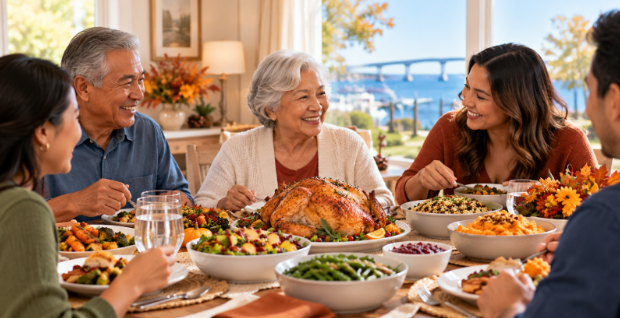

Welcoming Visiting Seniors to Norfolk for the Holidays

The holidays offer a welcome opportunity to reconnect with relatives traveling to Norfolk. When an older family member visits, thoughtful preparations can make gatherings more comfortable without changing what makes them special. Families exploring practical home care options for older Norfolk residents may also consider how home care in Norfolk, VA can complement a short family visit when everyday assistance is needed.
Table of Contents
Begin With the Visitor’s Preferences
A successful visit starts with a conversation rather than a checklist. Ask your guest which traditions they most enjoy, how much activity feels comfortable, and whether they prefer quiet mornings or shared breakfasts. Their answers can guide arrangements that respect established routines and personal independence.
Travel can be tiring even for someone who is generally active. A long car ride, airport transfers, unfamiliar sleeping arrangements, and busy social calendars may affect energy levels. Share the proposed schedule in advance, then make it clear that resting or skipping an activity is always acceptable.
What Should Families Ask Before Arrival?
Ask about sleeping arrangements, stairs, preferred seating, transportation, food preferences, and daily routines. If a relative uses a mobility aid or needs help with personal activities, discuss those needs privately and respectfully. Avoid making assumptions based on age alone; one visitor may enjoy a full afternoon out while another prefers an hour together at home.
Prepare a Comfortable Guest Space
A welcoming bedroom should be easy to navigate, pleasantly lit, and free from unnecessary obstacles. Place a sturdy lamp near the bed, keep frequently used belongings within comfortable reach, and leave room for walking aids or luggage. Offer extra blankets so guests can adjust their comfort without needing to ask.
Consider the route between the bedroom and bathroom, particularly at night. A clear pathway, adequate lighting, and a stable place to sit while dressing may be helpful. Families can discuss everyday personal assistance and supportive in-home routines when a visiting relative benefits from additional nonmedical help.
Small Details That Make a Difference
The most useful preparations are often simple. Provide a place to charge a phone, write down the Wi-Fi password in large readable print, and point out where water and snacks are kept. Explain how the heating controls work and offer a quiet spot away from the busiest holiday activities.
- Provide a clear, well-lit path to the bathroom.
- Choose sturdy seating with comfortable arm support.
- Keep essential items and drinking water easy to reach.
- Make room for rest between family gatherings.
Build Holiday Plans Around Shared Experiences
A memorable holiday does not require a packed itinerary. Cooking a familiar recipe, looking through photographs, listening to favorite music, or decorating together can create connections without a long outing. Invite your older guest to choose activities and help shape the celebration.
For families exploring Norfolk, a scenic drive or an accessible indoor attraction may be more comfortable than several stops in one day. Check current hours, accessibility features, parking arrangements, and restroom availability directly with each venue before leaving. Seasonal events and outdoor conditions can change, so a flexible backup plan is useful.
How Can You Include Everyone in Traditions?
Adapt the format of an activity rather than excluding someone from it. A relative who does not want to stand in the kitchen can share family recipes from a seated position. Someone who prefers a quieter environment might enjoy opening gifts with a smaller group before the main gathering begins.
Compare Activities by Comfort and Energy
Holiday visits offer opportunities for seniors to reconnect with loved ones, enjoy familiar traditions, and explore seasonal activities around Norfolk, VA. However, a full schedule can become tiring, especially for older adults who prefer a slower pace or need additional assistance. Families can make celebrations more enjoyable by considering their loved one’s mobility, energy levels, and personal preferences when planning activities.
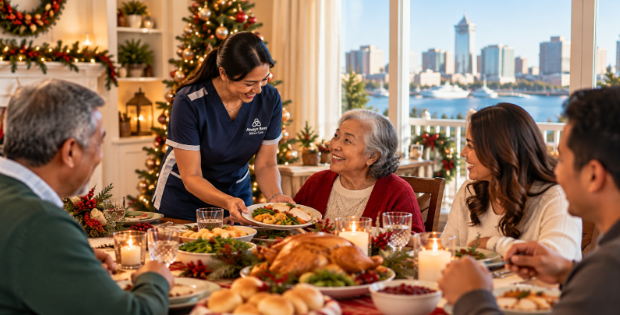
The following options illustrate how families can match holiday plans to a visitor’s interests and comfort. The best choice depends on the individual, the weather, and the practical details of the location.
| Activity | Comfort Consideration | Flexible Approach |
|---|---|---|
| Family meal | Long periods of sitting | Offer breaks and a comfortable chair |
| Holiday lights | Walking and evening temperatures | Choose a short drive or brief stop |
| Museum visit | Standing and busy galleries | Confirm seating and accessible routes |
| Photo sharing | Visual or hearing preferences | Use larger images and a quiet room |
A comfortable holiday visit does not require a busy schedule or elaborate activities. Simple adjustments, such as allowing extra rest time, choosing accessible locations, and offering quieter alternatives, can help visiting seniors participate without feeling overwhelmed. By remaining flexible and respecting individual preferences, families can focus on meaningful connections and create enjoyable holiday memories together.
Keep Familiar Wellness Routines in View
Travel and celebrations can disrupt mealtimes, sleep, and normal activity. Ask whether your guest has a preferred daily schedule and help make it practical in the household. Keep refreshments available and offer food choices that accommodate preferences or instructions their healthcare professional has provided.
Visitors should remain in charge of their own health decisions whenever possible. If medication, mobility, or an existing condition raises questions, follow the individual’s clinician-provided plan and consult a qualified healthcare professional rather than improvising. Families can also use community health resources about seasonal immunization awareness as a starting point for informed conversations, not as personalized medical advice.
Why Are Rest Breaks Important?
Rest breaks give guests a chance to recharge and participate in later activities on their own terms. Offer a comfortable place to sit or lie down without framing a break as a limitation. A quieter afternoon may be more enjoyable than pressing through a crowded schedule.
Coordinate Family Responsibilities Before the Visit
When several relatives are hosting, clear communication helps avoid confusion. Decide who will handle arrival transportation, grocery shopping, meal preparation, and any planned outings. Ask the visitor what help they actually want and avoid discussing personal needs in front of the whole gathering without permission.
If the household will be especially busy, identify one family contact who can answer questions and adjust plans. This person can coordinate schedules without making the older guest feel monitored. Written details can also help family members provide consistent, respectful assistance.
- Confirm arrival and departure details with the visitor.
- Prepare the bedroom and check commonly used walking paths.
- Choose one main activity per day and keep alternatives available.
- Review who can assist with transportation and daily tasks.
When Additional Nonmedical Support May Help
Some visiting relatives are comfortable managing their daily routines independently, while others appreciate help with dressing, meal preparation, companionship, or getting around. The appropriate level of assistance depends on the person’s wishes and circumstances. Discuss available arrangements in advance rather than waiting until everyone is already busy.
The Norfolk office describes nonmedical in-home care, senior living referrals, and selected technology-supported options. Families considering specialized support and helpful senior safety resources should confirm which options are suitable and available for a temporary holiday visit. Nonmedical caregivers can assist with approved daily activities, but they do not replace licensed clinicians.
Support Should Preserve Choice
Offer help in ways that preserve dignity: ask before moving belongings, explain proposed arrangements, and allow the guest to decide how to participate. A thoughtful plan should create more opportunities for connection, not make the visit feel like a formal care appointment. Include the visitor in each decision.

Helpful Questions About Holiday Visits with Seniors
How Early Should Families Prepare for a Visiting Senior?
Begin discussing travel preferences, accessibility needs, and household arrangements as soon as the visit is planned. Preparing ahead gives families time to organize a comfortable sleeping space, consider transportation needs, and plan activities that match their loved one’s abilities and preferences.
What Are Good Low-Energy Holiday Activities for Seniors?
Looking through family photos, listening to familiar music, preparing a simple holiday recipe, or enjoying a short scenic drive can provide meaningful opportunities to connect. Choose activities based on the senior’s interests and comfort rather than trying to fill every day with scheduled events.
Should Every Day Include an Outing?
No. Quiet days at home can be just as enjoyable as holiday outings. Allow time for rest, conversation, and familiar activities. Keeping plans and flexibility helps visiting seniors participate comfortably without feeling pressured to maintain a busy schedule.
Can Nonmedical Caregivers Assist During a Family Visit?
Yes, depending on the provider’s availability, service offerings, and the senior’s individual needs. Nonmedical caregivers may assist with companionship, meal preparation, personal care, mobility-related daily activities, and familiar routines. Families should contact the local provider to confirm whether temporary or short-term care arrangements are available.
Make Room for Connection This Holiday Season
A welcoming holiday visit is about spending meaningful time together while respecting an older loved one’s comfort, independence, and personal preferences. Preparing a comfortable environment, allowing flexibility in daily activities, and maintaining familiar routines can help visiting seniors feel included throughout the celebration.
For families exploring additional assistance during a holiday visit, Always Best Care of Norfolk VA can explain available nonmedical home care services. Discuss personalized holiday home care assistance or call (757) 802-4080 to learn about support options for visiting seniors in Norfolk, VA.