

When Appetite Declines: Helping Seniors Eat Well in Orlando

A steaming bowl of soup, a favorite sandwich, a slice of fresh mango, food used to bring smiles and conversation. Now, you might notice your loved one pushing their plate away, nibbling at a few bites, or skipping meals altogether.
A small dip in appetite once in a while is normal, but a steady decline in eating can chip away at health, strength, and independence. For seniors in Orlando, good nutrition does more than fill a stomach; it fuels the immune system, supports muscles and balance, helps wounds heal, and keeps energy up for everyday life.
Understanding why appetite fades and how we can respond gives families a powerful way to protect a loved one’s well‑being.
What you will learn:
- Why seniors’ appetites often decline with age and which physical, emotional, and social factors may be involved.
- The gentle risks of poor nutrition and how to make every bite more nourishing and enjoyable.
- Uplifting ways to make meals appealing and social again, from small snacks to shared mealtimes.
- How caring, local support in Orlando can help your loved one eat well, stay stronger, and feel more like themselves at home.
Table of Contents
Why Appetite Declines with Age
Appetite doesn’t usually vanish overnight. It often fades bit by bit, influenced by a mix of physical, emotional, and social changes.
Common reasons seniors in Orlando may eat less include:
- Natural aging changes – Taste buds dull, and smell isn’t as sharp, so food can seem bland or uninteresting.
- Slower digestion – Feeling full faster or longer makes big meals less appealing.
- Less movement – A quieter lifestyle can mean fewer hunger cues.
- Medication side effects – Some prescriptions reduce hunger, change taste, or upset the stomach.
- Dental and mouth issues – Sore gums, missing teeth, or loose dentures can make chewing painful.
- Trouble swallowing – Fear of choking often leads to avoiding certain foods or eating less overall.
- Emotional changes – Grief, depression, anxiety, or loneliness can drain the desire to eat.
- Memory loss or confusion – A senior may forget to eat or not recognize hunger signals.
Because multiple causes can overlap, ongoing changes in appetite are worth a conversation with a healthcare provider, especially if weight is dropping or energy is low.
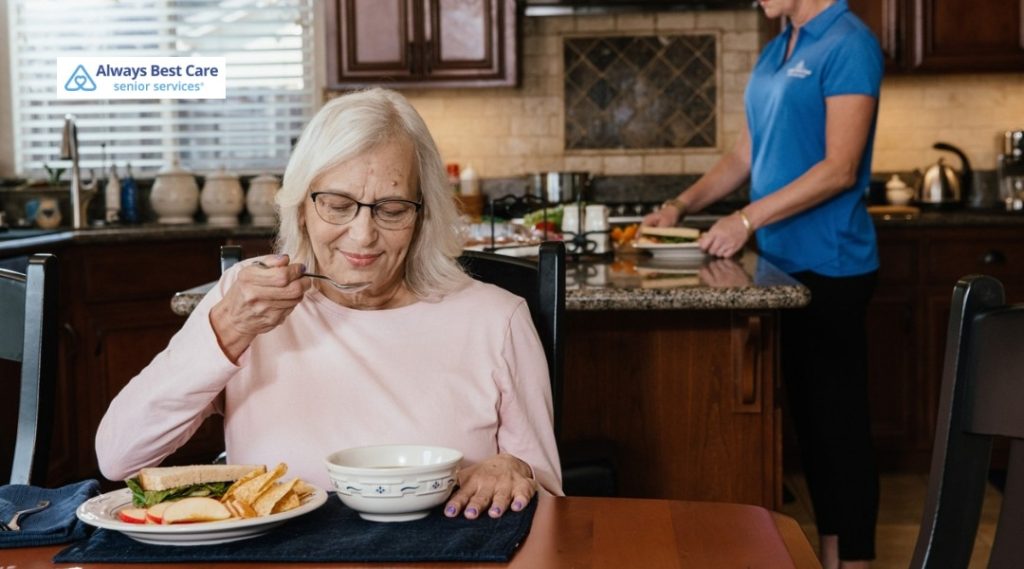
The Hidden Risks of Poor Nutrition
It’s easy to brush off a skipped lunch here and there. But consistently eating too little can trigger a slow domino effect in the body. Over time, poor nutrition can lead to:
- Unplanned weight loss
- Muscle weakness and frailty
- Higher risk of falls
- Fatigue and low stamina
- Slower recovery from illness or surgery
- Weakened immune system
Even mild deficiencies can make it harder for a senior to stay active, steady on their feet, and confident living at home.
Making Meals More Appealing Again
Sometimes it’s not the amount of food that matters most; it’s the experience. A few thoughtful tweaks can turn eating from a chore into something enjoyable again.
Simple Ways to Spark Interest in Food
- Boost flavor naturally
- Use herbs, spices, citrus, and garlic instead of relying on salt.
- Play with marinades, fresh salsas, or flavored oils for extra taste.
- Make meals look inviting
- Add colorful fruits and vegetables for visual appeal.
- Vary textures—creamy, crunchy, soft—to keep bites interesting.
- Offer favorites (with a healthy twist)
- Re-create beloved dishes using lighter cooking methods and more nutrients.
- Rotate a few “go‑to” meals your loved one always enjoys.
- Think smaller, more often
- Serve 5–6 small meals and snacks instead of 2–3 large plates.
- Keep nutrient‑dense snacks handy: yogurt, cheese cubes, nuts, sliced fruit, or smoothies.
When appetite is low, the goal isn’t a huge dinner; it’s steady, manageable eating throughout the day.
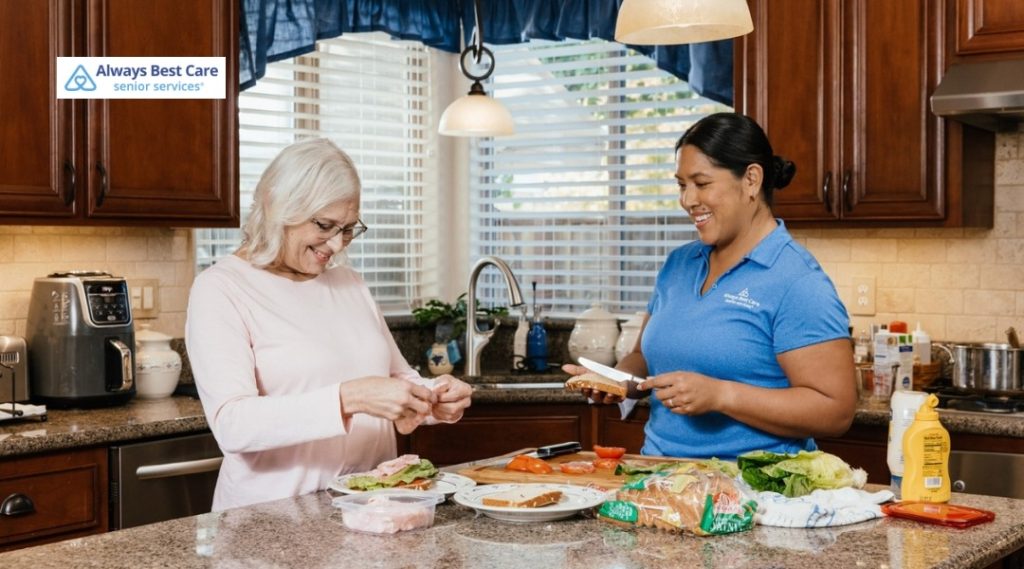
Turning Mealtime into a Social Event in Orlando
Eating alone day after day can be lonely, and loneliness often steals appetite. In contrast, shared meals can transform the whole experience.
Here are a few ideas to bring back connection:
- Set a regular “lunch date” or “tea time” with family, friends, neighbors, or caregivers.
- Eat at the same table, even if you’re having something different.
- Encourage conversation, music, or memories—anything that makes mealtime feel warm and relaxed.
In Orlando, simple rituals, like sharing coffee on the porch or enjoying an early dinner before the afternoon heat builds, can turn food into something to look forward to, not just something to “get through.”
Watching for Red Flags and Health Concerns
Some appetite changes are slow and subtle, but others can signal something more serious. Families should keep an eye out for:
- Noticeable or rapid weight loss
- Ongoing trouble chewing or swallowing
- Persistent nausea, constipation, or stomach discomfort
- Mood changes, sadness, or withdrawal
- New or worsening confusion or forgetfulness
These signs are worth discussing with a doctor or dentist. Sometimes a simple medication adjustment, dental work, or treatment for depression can make eating much easier and more pleasant.
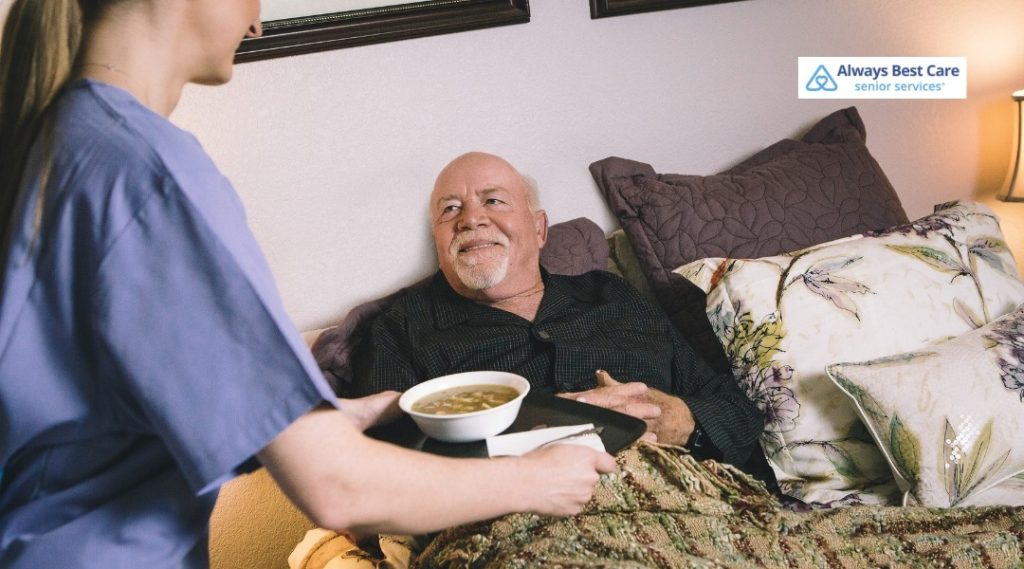
Choosing Nutrient-Rich Foods: Making Every Bite Count
When a loved one is only eating small amounts, every bite matters more. Focus on foods that pack a lot of nutrition into modest portions, such as:
- Proteins
- Eggs
- Greek yogurt or cottage cheese
- Chicken, turkey, fish, or soft meats
- Beans, lentils, and nut butters
- Fruits and vegetables
- Fresh, frozen, or canned in water or natural juice
- Soft-cooked veggies or blended soups for easier chewing
- Whole grains
- Oatmeal, whole‑grain toast, brown rice, or quinoa
- Healthy fats
- Avocado, olive oil, nuts, and seeds
Protein is especially important for maintaining muscle and strength, which supports balance, mobility, and overall independence. Smoothies, soups, and soft dishes can be a big help for seniors who are tired, have dental problems, or just don’t feel like tackling heavy meals.
How We at Always Best Care of Orlando Can Help
We know that keeping up with grocery trips, cooking, and gentle encouragement at mealtimes can be tough for families, especially if you’re juggling work, kids, or living far away. That’s where we step in.
At Always Best Care of Orlando, we help seniors eat well by offering hands‑on support such as:
- Planning simple, appealing meals and snacks
- Grocery shopping and putting food away safely
- Preparing dishes that match taste, texture, and diet needs
- Encouraging regular fluids throughout the day
- Sitting with seniors during meals to offer companionship
- Noticing changes in appetite, weight, or mood and sharing concerns with family
Our goal is to make everyday eating easier, safer, and more enjoyable, so seniors can stay stronger and feel more like themselves at home.

Frequently Asked Questions
Q: How do I know if my loved one’s appetite loss is serious?
A: If they’re losing weight, seem weaker, are skipping meals regularly, or have new confusion or mood changes, it’s time to talk with a doctor. Sudden changes are especially important to address quickly.
Q: What if they refuse full meals but will snack?
A: That’s okay, lean into it. Offer small, nutrient‑dense options every few hours: yogurt, cheese and crackers, peanut butter on toast, smoothies, or soft fruit. Several small snacks can add up to a solid day of nutrition.
Q: They say food has “no taste” now. What can help?
A: Boost flavor with herbs, spices, citrus, and sauces instead of extra salt. Sometimes serving food warm (not too hot) improves aroma and taste. If medications are affecting taste, ask the doctor if adjustments are possible.
Q: My loved one hates eating alone. What can we do if we can’t be there every day?
A: You might set up regular caregiver visits during meals, arrange virtual video calls at lunchtime, or coordinate with neighbors or friends who can share a weekly meal. Even planned “phone‑and‑eat” times can help.
Q: Can Always Best Care of Orlando help with special diets, like low-sodium or diabetic-friendly meals?
A: Yes. We work with families to understand dietary instructions from healthcare providers and prepare meals that align with those guidelines while remaining tasty and appealing.
Nourishing Hearts and Homes in Orlando
A gentle shift in appetite doesn’t have to dim your loved one’s joy or independence. With thoughtful meal support, warm companionship, and a little creativity in the kitchen, seniors in Orlando can rediscover food as a source of comfort, strength, and everyday pleasure.
If you’re ready for kind, hands-on help with meals, nutrition, and daily care, reach out to Always Best Care of Orlando at (407) 216-1578 today to schedule a friendly, no-obligation consultation and explore how we can support your family.
Link to the Markdown File version of the article