
Supporting a Senior Through Chemotherapy: What Families Should Know

When an older loved one begins chemotherapy, family members often want to help but aren’t sure where to start. Treatment can affect energy, appetite, mood, mobility, and everyday routines. A senior who once handled everything alone may suddenly need help with meals, errands, appointments, or household tasks.
With patience, planning, and a little flexibility, families can make treatment days more manageable. Here are practical ways to offer steady support while respecting your loved one’s independence.
What you will learn:
- How to adapt daily routines to your loved one’s changing energy and comfort needs.
- Ways to make meals, hydration, and treatment appointments more manageable.
- How to support emotional well-being and follow the care team’s infection precautions.
- How in-home care can lend a helping hand to seniors and family caregivers.
Table of Contents
Expect Energy Levels to Change
Chemotherapy-related fatigue can feel far more intense than ordinary tiredness. A senior might sleep through the night and still wake up exhausted. Even showering, preparing food, or walking across the house may require extra effort.
Try to:
- Break large tasks into smaller steps.
- Handle lifting, cleaning, and other physically demanding chores.
- Keep frequently used items close by.
- Schedule rest before and after appointments.
- Encourage gentle movement only if the healthcare provider approves it.
Some days may go smoothly; others may be difficult. That’s normal. Let your loved one’s energy, not the calendar, set the pace.

Make Meals and Fluids Easier
Chemotherapy may affect taste, smell, appetite, and digestion. Nausea, mouth sores, constipation, or diarrhea can make eating uncomfortable. Large meals may feel overwhelming, so smaller portions offered throughout the day can be easier to manage.
Keep simple foods and approved snacks available. Soft, mild choices may appeal more during difficult days, but preferences can change quickly. If your loved one is losing weight or struggling to eat, contact the oncology team or a registered dietitian for guidance.
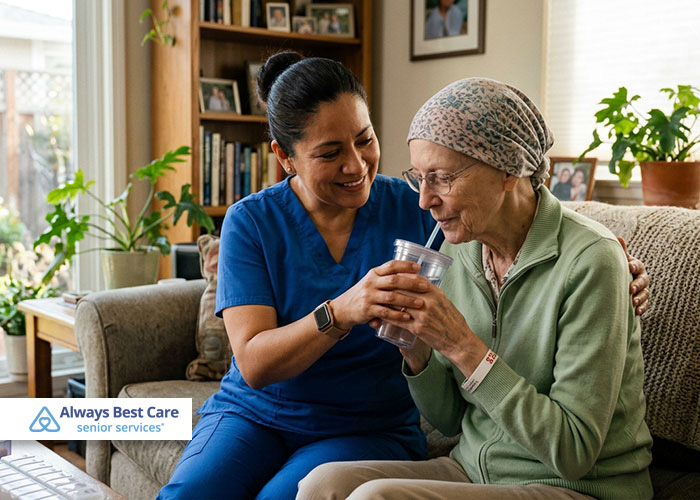
Hydration matters, too. Offer small sips of water or other approved drinks regularly rather than waiting for thirst. Call the healthcare provider if your loved one cannot keep fluids down, becomes dizzy or confused, or shows other signs of dehydration. Treatment instructions can vary, so follow the care team’s advice first.
Organize Appointments and Transportation
Chemotherapy often involves blood tests, scans, medical visits, pharmacy trips, and follow-up appointments. A shared calendar can keep everyone on the same page and prevent last-minute scrambling.
Plan rides ahead of time, especially on treatment days. Fatigue, weakness, or certain medicines may make driving unsafe. Bringing a trusted family member to appointments can also help with note-taking, questions, and remembering instructions.

Take Infection Precautions Seriously
Some chemotherapy treatments lower the body’s ability to fight infection. Simple precautions can help:
- Wash hands often and carry hand sanitizer.
- Avoid close contact with people who are sick.
- Follow food-safety instructions.
- Clean commonly touched surfaces.
- Ask the oncology team which symptoms require an immediate call.
A fever during chemotherapy can be urgent. Don’t guess about the right response—contact the healthcare team promptly and follow its specific instructions.
Offer Emotional Support in Orlando
Cancer treatment can bring fear, frustration, loneliness, and grief over lost independence. Your loved one may not always want advice. Sometimes, quiet company is enough.
Watch a favorite movie, sit outdoors, share a meal, or talk about everyday interests. These ordinary moments can remind a senior that life is bigger than treatment.
If sadness, anxiety, withdrawal, or hopelessness continues, encourage your loved one to speak with a healthcare provider. Emotional support is part of good cancer care.

Ask for Help with Daily Tasks
Family caregivers often try to handle everything themselves. That approach can wear people down, especially when treatment continues for weeks or months. Asking for help isn’t giving up; it’s a practical way to protect everyone’s energy.
At Always Best Care of Orlando, we can help with services such as:
- Meal preparation and nutrition monitoring
- Light housekeeping
- Errands and appointment transportation
- Medication reminders
- Personal care and mobility assistance
- Companionship and supervision
Our caregivers can provide dependable support at home while family members work, rest, care for children, or simply spend meaningful time with their loved one. Always Best Care also offers skilled services in some situations, including treatment-related support, depending on the care plan and local availability.
Frequently Asked Questions
Q: How can I help a senior who feels tired after chemotherapy?
A: Encourage rest, simplify daily tasks, and take over physically demanding chores. Ask the medical team whether gentle activity is safe. Report unusual or worsening fatigue to the healthcare provider.
Q: What should my loved one eat during chemotherapy?
A: There isn’t one perfect menu. Offer small, appealing meals and follow advice from the oncology team or a dietitian. Contact the care team if eating or drinking becomes difficult.
Q: Should a senior drive to chemotherapy?
A: Treatment days may cause fatigue, weakness, or reduced alertness. Arrange a ride whenever the healthcare provider recommends it or your loved one doesn’t feel fully alert.
Q: How can Always Best Care of Orlando help?
A: We can provide non-medical in-home support, including meals, light housekeeping, errands, companionship, medication reminders, and assistance with everyday routines.

Together, Let’s Make the Difficult Days Easier
Supporting a senior through chemotherapy starts with small, thoughtful acts of care. A comforting meal, a dependable ride, or a quiet moment together can help your loved one feel supported while preserving their independence.
You don’t have to manage every responsibility alone. Reach out to Always Best Care of Orlando at (407) 203-2460 to discuss personalized in-home care and find dependable support for your loved one and your family.
Link to the Markdown File version of the article