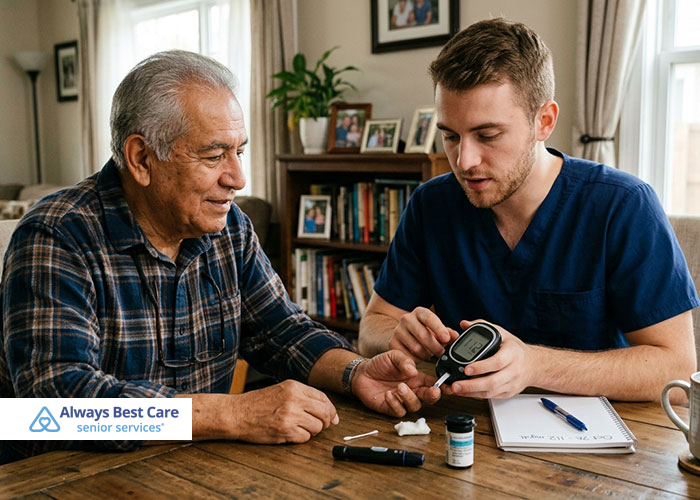

Blood Sugar Changes in Older Adults: Warning Signs Families Should Know in Orlando
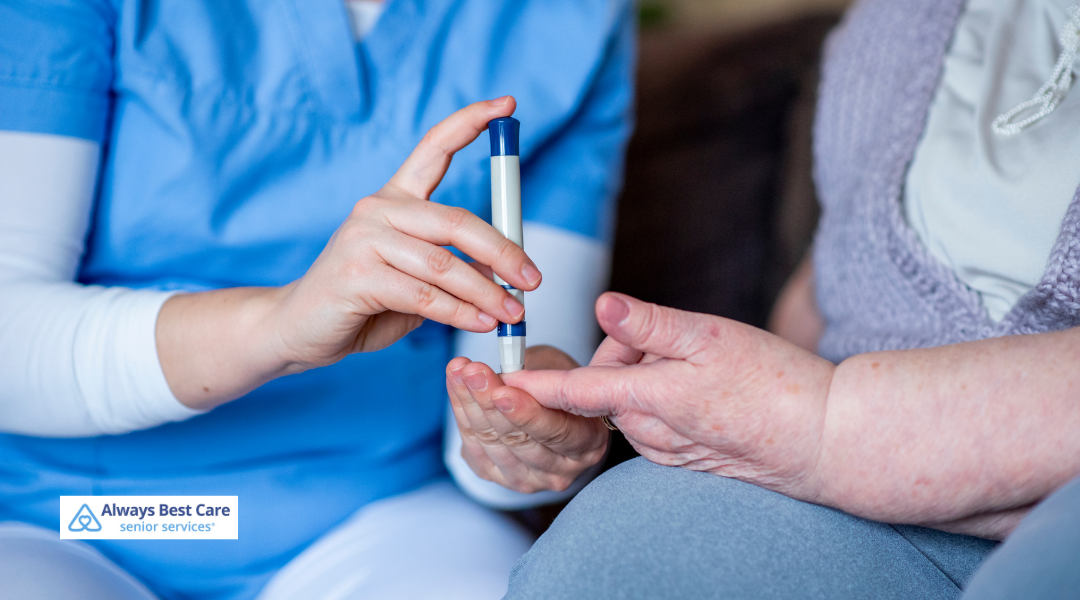
Blood sugar can turn tricky with age, and it doesn’t always send a loud warning first. For older adults in Orlando, small shifts in meals, medications, activity, or memory can stir up big changes fast.
Blood sugar changes can be easy to miss in older adults, especially when symptoms look like everyday tiredness, forgetfulness, or changes in mood. This guide helps Orlando families recognize possible warning signs, support steadier daily routines, and know when it may be time to seek additional help.
What you will learn
- Why blood sugar can become more difficult to manage with age.
- The common warning signs of low and high blood sugar in older adults.
- What families can watch for at home to spot changes early.
- Simple ways to support safe diabetes routines and daily wellbeing.
Table of Contents
Why Blood Sugar Gets Harder to Manage with Age
As people grow older, diabetes care can get a bit more complicated. A missed meal here, a new prescription there, and suddenly blood sugar’s acting up.
Common reasons include:
- Changes in appetite
- New or adjusted medications
- Less physical activity
- Memory trouble
- Kidney changes
- Other health conditions
That’s why a steady routine matters so much. Even a familiar day can go off the rails when food, medicine, or movement changes without warning.

Blood Sugar Changes in Older Adults: Low Blood Sugar Signs
Low blood sugar can come on fast, and it may catch families off guard. Some signs are easy to mistake for “just getting older,” but that’s not a safe guess.
Watch for:
- Shaking
- Sweating
- Dizziness
- Weakness
- Hunger
- Headache
- Irritability
- Trouble focusing
- Confusion
- Clumsy movement
A sudden mood shift or odd behavior can be a clue, too. If the person becomes very confused, faints, or has a seizure, call for emergency help right away.
Blood Sugar Changes in Older Adults: High Blood Sugar Signs
High blood sugar usually creeps in more slowly, which makes it sneaky. It may look mild at first, but it can wear a person down over time.
Common signs include:
- Strong thirst
- Frequent trips to the bathroom
- Blurry vision
- Tiredness
- Headache
- Weight loss without trying
- Cuts that heal slowly
If blood sugar stays high too long, it can harm the eyes, kidneys, nerves, heart, and blood vessels. If someone has severe weakness, trouble breathing, major confusion, or passes out, get urgent medical help.

What Families Should Watch For at Home
Families don’t need a medical degree to spot trouble. Knowing what’s normal makes it easier to notice what’s not.
Ask yourself:
- Is your loved one sleeping more than usual?
- Are they drinking way more water?
- Are they missing meals?
- Do they seem shaky, off-balance, or confused?
- Are they taking medicine differently than before?
Those small clues can speak volumes. And honestly, it’s better to ask questions early than to shrug things off.
Simple Habits That Can Help
A few steady habits can make diabetes care less bumpy.
Helpful routines include:
- Eating meals and snacks around the same time each day
- Taking medicine as prescribed
- Checking blood sugar as directed
- Drinking enough water
- Staying active in safe, gentle ways
- Keeping doctor visits on the calendar
It also helps to keep a current list of all medicines and supplements. Even over-the-counter products can affect blood sugar, so it’s smart to keep the doctor in the loop.

Blood Sugar Changes in Older Adults: When Memory or Mobility Gets in the Way
Sometimes the hardest part isn’t the blood sugar itself. It’s the daily juggling act.
Memory changes can make it tough to remember meals, medicines, and glucose checks. Mobility problems like arthritis, shaky hands, or poor vision can make tasks harder, too.
That’s where extra support can really matter. A little help with daily routines can ease stress and lower the chance of a mix-up.
How Always Best Care of Orlando Can Help
At Always Best Care of Orlando, we help make daily life feel more manageable. We can help with meal prep, medication reminders, hydration, safe activity, rides to appointments, and keeping an eye out for changes worth sharing with family or healthcare providers.
For seniors who qualify for home health services, trained professionals can provide added support based on the care plan from the doctor.
Frequently Asked Questions
Q: What are the first warning signs of low blood sugar?
A: Shaking, sweating, dizziness, hunger, and confusion are common early signs.
Q: Why is high blood sugar harder to notice?
A: It often rises slowly, so tiredness, thirst, and frequent urination may seem minor at first.
Q: What should families do if symptoms seem unusual?
A: Check whether the change is new, watch closely, and contact the healthcare provider if it doesn’t match the person’s usual routine.
Q: How can we support a loved one with diabetes at home?
A: Keep meals steady, follow the medicine schedule, watch for changes, and help with appointments and daily tasks.
Steady Support Starts at Home
Blood sugar changes in older adults can happen quickly, quietly, or both. By noticing changes early and keeping routines steady, families can help protect safety and peace of mind.
If your loved one needs extra support at home in Orlando, reach out at (407) 203-2460 to Always Best Care of Orlando today. Our compassionate caregivers can help with everyday routines, meal preparation, hydration, medication reminders, safe activity, and transportation to appointments, so your loved one can feel more supported, comfortable, and confident at home.
Link to the Markdown File version of the article