
Brain-Smart Living for Seniors in Arcadia, CA: Practical Stroke Prevention Tips You Can Start Today
Every 40 seconds, someone in the United States has a stroke. For older adults, the consequences can be especially serious — affecting speech, memory, mobility, and the ability to live independently. The good news is that up to 80% of strokes are preventable. With the right habits and consistent care, seniors can take meaningful steps to protect their brain health and quality of life.
What You Will Learn:
- Why stroke risk increases with age and which health factors matter most.
- Practical daily habits to manage blood pressure, diabetes, and cholesterol effectively.
- How movement, nutrition, and hydration work together to protect brain health.
- The role of caregivers in helping seniors stay consistent with stroke prevention routines.

Table of Contents
Why Stroke Risk Rises with Age
Aging naturally changes the cardiovascular system. Blood vessels become less flexible, blood pressure tends to rise, and the heart may work less efficiently. These changes, combined with chronic conditions that become more common with age, create a higher baseline risk for stroke.
The most significant risk factors for seniors include:
- High blood pressure (hypertension)
- Type 2 diabetes
- High cholesterol
- Atrial fibrillation (irregular heartbeat)
- Obesity and physical inactivity
- Smoking and excessive alcohol use
Understanding which factors apply to you — or your loved one — is the first step toward reducing risk.
Control Blood Pressure: The Single Biggest Factor
Hypertension is responsible for nearly half of all strokes. When blood pressure stays elevated over time, it quietly damages artery walls, making them more prone to blockage or rupture.
Seniors should aim for a blood pressure reading below 130/80 mmHg, though individual targets may vary based on overall health. Practical steps to keep it in check include:
- Taking medications consistently — never skipping doses or stopping without a doctor’s guidance
- Cutting back on sodium — processed foods, canned soups, and restaurant meals are common hidden sources
- Staying active — even 30 minutes of moderate walking most days can lower blood pressure meaningfully
- Limiting alcohol — no more than one drink per day for women, two for men
Home blood pressure monitors are affordable and easy to use. Tracking readings regularly gives both seniors and their doctors a clearer picture of cardiovascular health.
Manage Diabetes to Protect Blood Vessels
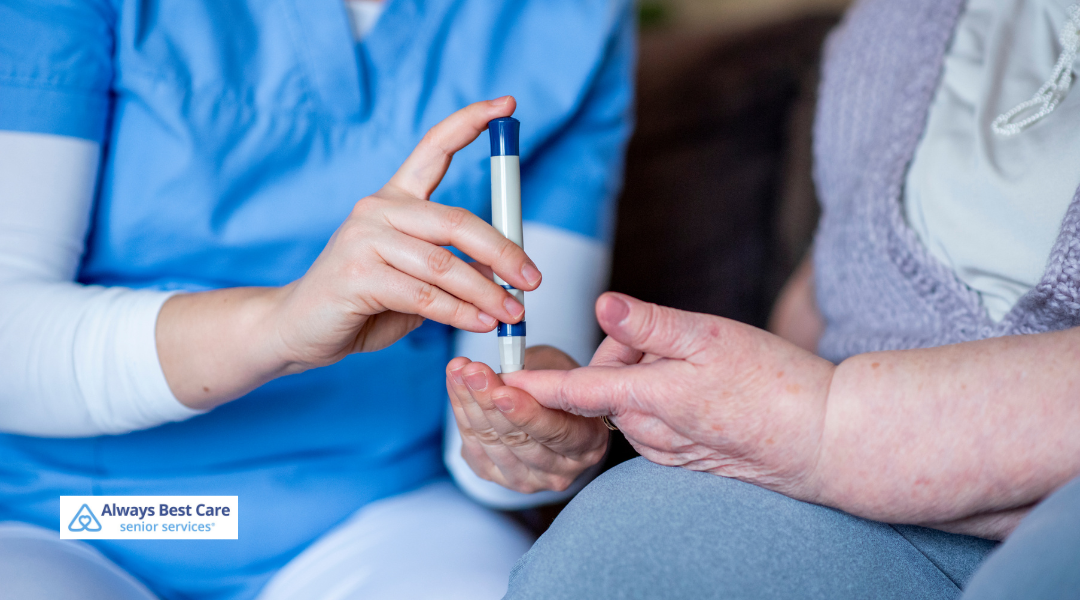
High blood sugar damages blood vessel walls over time, accelerating the buildup of plaque and increasing clot risk. Seniors with diabetes are two to four times more likely to have a stroke than those without it.
Effective diabetes management goes beyond medication. It includes:
- Following a consistent, low-glycemic meal plan
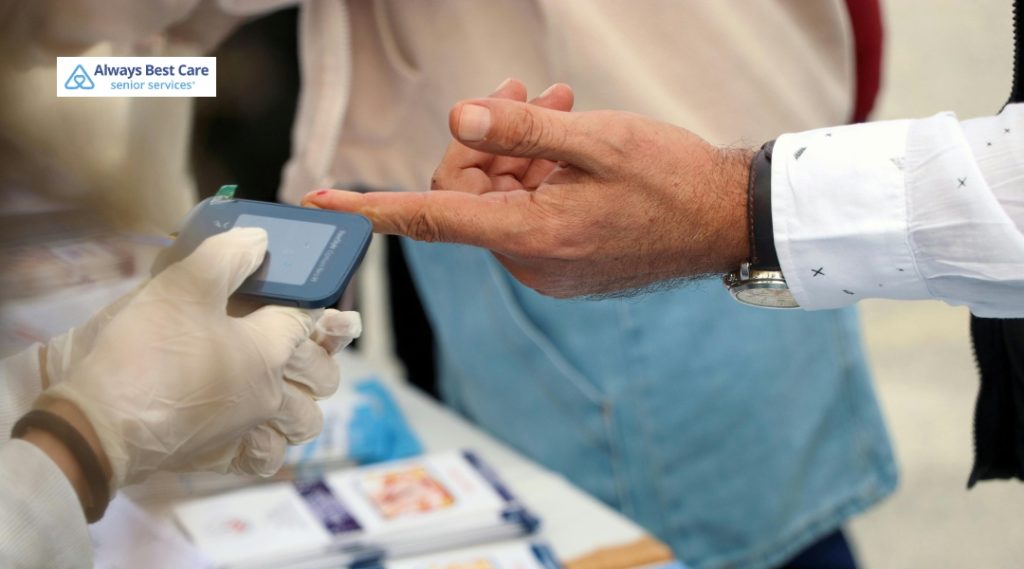
- Monitoring blood sugar levels as recommended by a physician
- Staying physically active to improve insulin sensitivity
- Attending regular A1C checkups to track long-term blood sugar control
Small, steady improvements in blood sugar management can significantly reduce stroke risk over time.
Keep Cholesterol in a Healthy Range
LDL cholesterol — often called “bad” cholesterol — contributes to plaque buildup inside arteries. When that buildup narrows or blocks an artery leading to the brain, a stroke can occur.
Seniors can support healthy cholesterol levels by:
- Prioritizing fiber-rich foods like oats, beans, and leafy greens
- Replacing saturated fats (butter, red meat) with healthier options like olive oil and avocado
- Eating fatty fish such as salmon or mackerel twice a week for heart-protective omega-3s
- Taking prescribed statins or other cholesterol-lowering medications as directed
Annual cholesterol screenings help catch changes early before they become serious.
Move More, Every Day
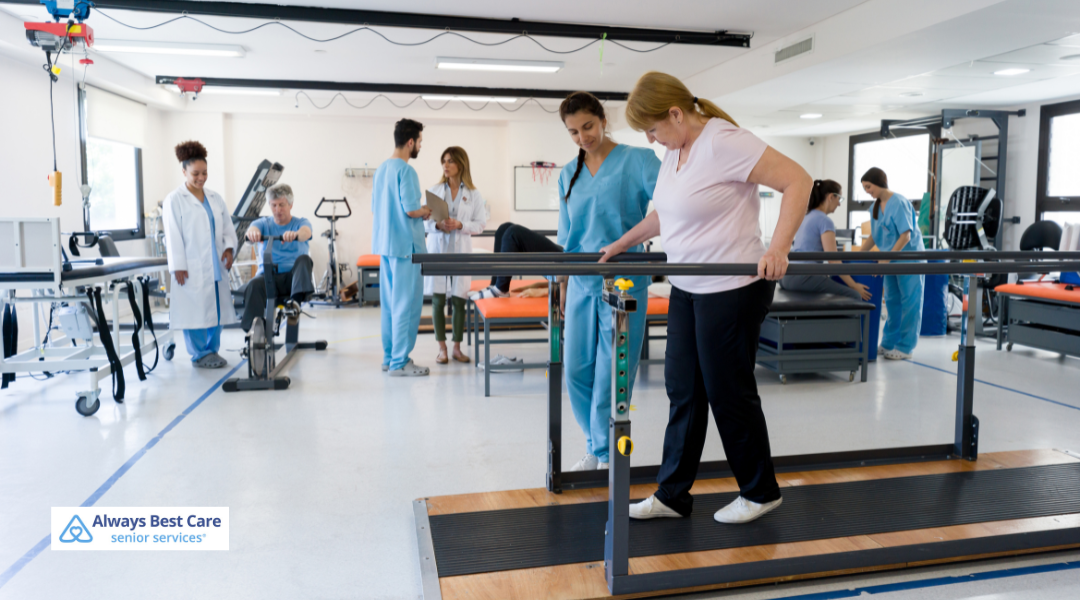
Physical inactivity is one of the most modifiable stroke risk factors. Regular movement improves circulation, helps maintain a healthy weight, lowers blood pressure, and reduces inflammation — all of which protect the brain.
Seniors don’t need intense exercise to benefit. Consistent, low-impact activity is what matters most:
- Walking — a 20–30 minute daily walk is one of the most effective and accessible options
- Chair yoga or tai chi — improve balance, flexibility, and stress levels
- Swimming or water aerobics — gentle on joints while providing a full-body workout
- Light resistance training — helps maintain muscle mass and metabolic health
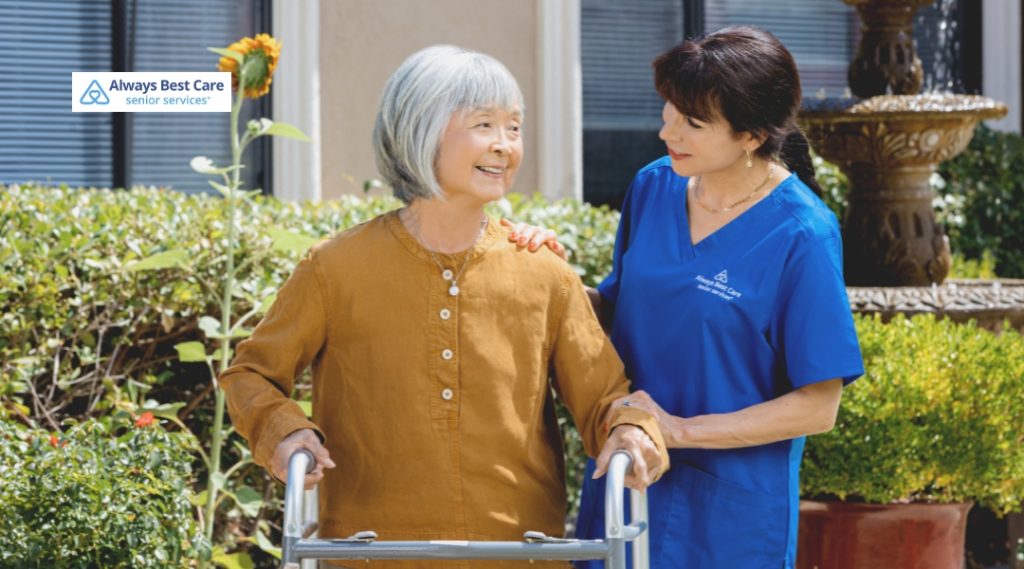
If mobility is a concern, a physical therapist or physician can recommend safe, personalized options.
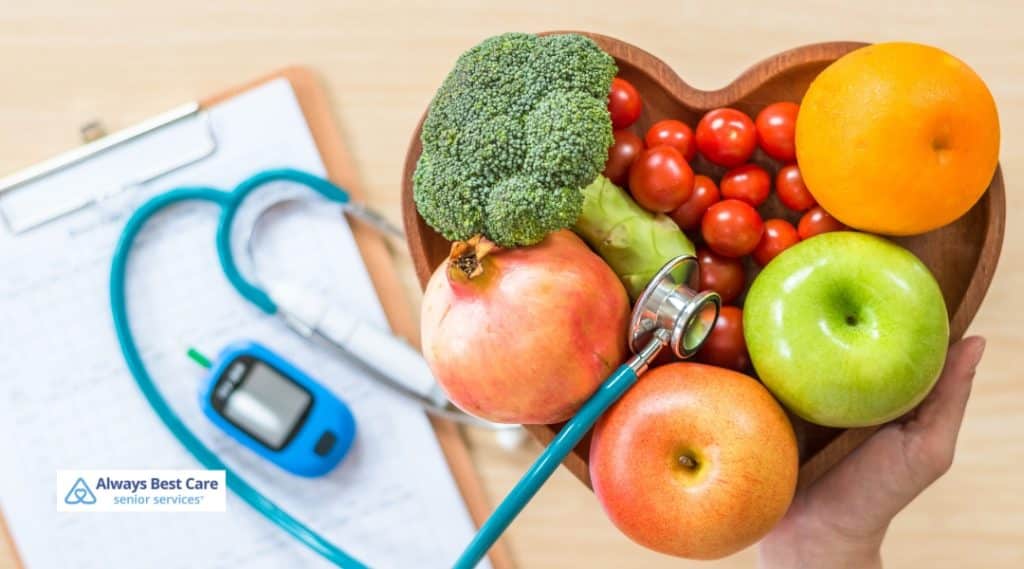
Eat for Brain and Heart Health
Diet directly influences nearly every stroke risk factor — blood pressure, cholesterol, blood sugar, and weight. A brain-healthy diet doesn’t require perfection, but it does require consistency.
Focus on:
- Vegetables and fruits — aim for a variety of colors to maximize antioxidants and nutrients
- Whole grains — brown rice, quinoa, and whole wheat bread over refined carbohydrates
- Lean proteins — fish, legumes, and poultry over processed or red meats
- Healthy fats — olive oil, nuts, and seeds instead of trans fats or fried foods
- Hydration — dehydration thickens the blood and can raise stroke risk; aim for 6–8 glasses of water daily
Reducing ultra-processed foods, sugary beverages, and excess salt goes a long way toward protecting cardiovascular health.
The Value of Daily Support
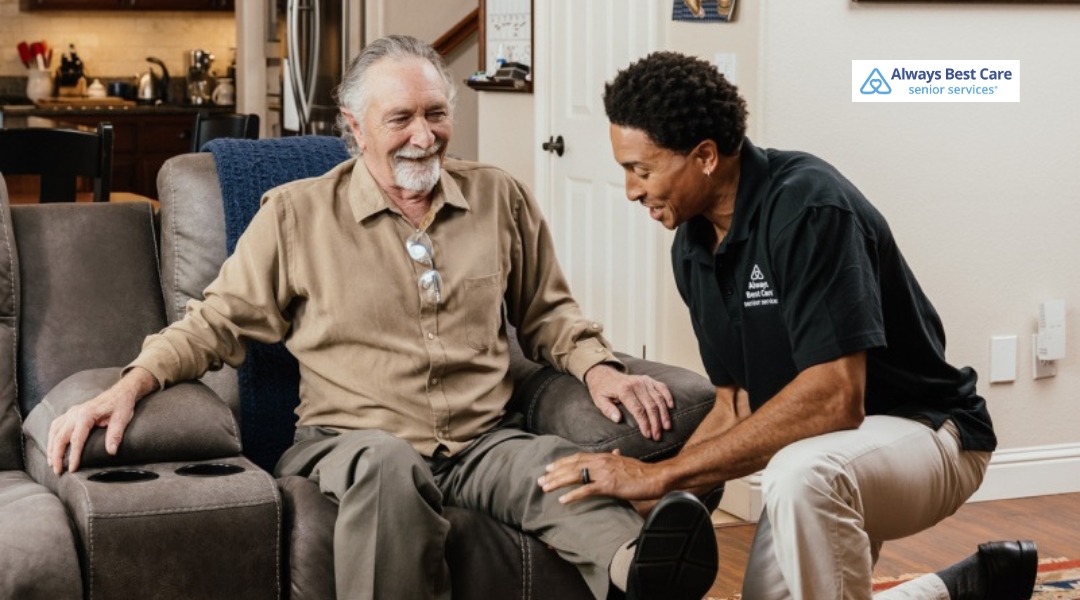
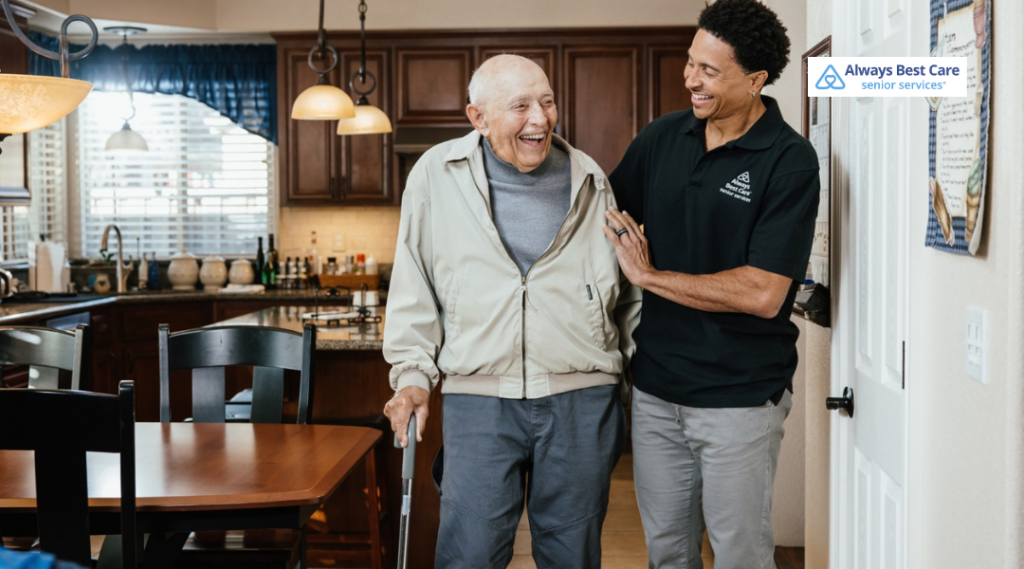
For many seniors, the challenge isn’t knowing what to do — it’s doing it consistently, especially when managing multiple health conditions or living alone. This is where in-home caregivers make a real difference.
A dedicated caregiver can help seniors:
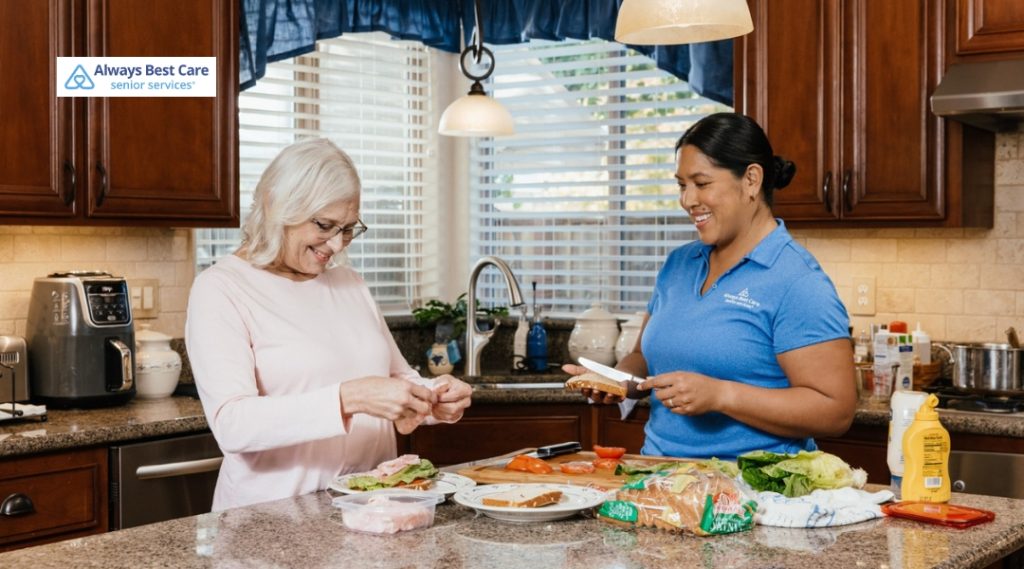
- Prepare nutritious, balanced meals tailored to dietary needs
- Stay on track with medications and doctor’s appointments
- Engage in safe daily physical activity
- Monitor for early warning signs of health changes
Consistent support creates the structure and accountability that make healthy habits sustainable over the long term.
Frequently Asked Questions
Q: What are the early warning signs of a stroke?
A: The most recognized signs follow the FAST acronym: Face drooping, Arm weakness, Speech difficulty, and Time to call 911. Other symptoms include sudden severe headache, vision changes, dizziness, or loss of balance. If any of these occur, call emergency services immediately — every minute matters.
Q: At what age does stroke risk significantly increase?
A: Stroke risk roughly doubles every decade after age 55. While strokes can occur at any age, the majority happen in adults over 65. This makes proactive prevention especially important as seniors approach and move through their later years.
Q: Can stroke risk be reduced even if someone already has high blood pressure or diabetes?
A: Yes. Managing these conditions effectively — through medication, lifestyle changes, and regular monitoring — can significantly lower stroke risk even in people who have had elevated readings for years. It’s never too late to make improvements.
Q: How much exercise is enough to reduce stroke risk?
A: Most health guidelines recommend at least 150 minutes of moderate-intensity activity per week — roughly 30 minutes, five days a week. Even shorter sessions of 10–15 minutes can be beneficial when done consistently.
Q: Are there medications specifically for stroke prevention?
A: Yes. Depending on individual risk factors, doctors may prescribe blood pressure medications, statins, blood thinners (anticoagulants), or antiplatelet drugs like aspirin. These should always be taken under medical supervision and never stopped without consulting a physician.

Helping Seniors Stay Healthy and Independent in Arcadia, CA
Stroke prevention is not a single action — it’s a daily commitment to healthy habits, consistent medical care, and the right support system. Seniors who actively manage their risk factors can protect their independence and enjoy a higher quality of life well into their later years.
At Always Best Care of Arcadia, CA, our caregivers are here to help. From meal preparation and medication reminders to companionship and daily activity support, we provide the hands-on assistance that makes healthy living achievable at home.Contact Always Best Care of Arcadia at (626) 778-1441 to learn more and schedule your free consultation.
Link to the markdown version of this blog.