Wound Care at Home: When Is Skilled Nursing Needed in San Antonio
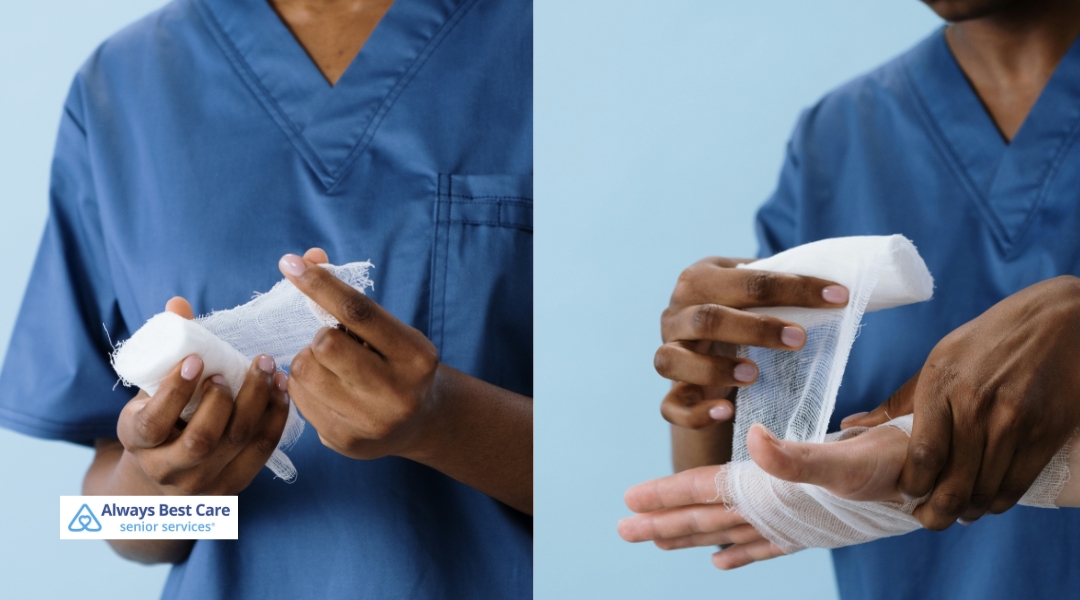
Caring for a wound at home sounds straightforward: clean it, cover it, and let it heal. But for older adults in San Antonio, wound care can quickly become more complex.
Aging skin, chronic health conditions, and the humid South Texas climate can all affect how well and how quickly a wound heals. Knowing when to manage a wound at home and when to call in a skilled nurse can make the difference between a smooth recovery and a serious complication.
What You Will Learn
- Why aging, chronic health conditions, and nutrition can make wound healing more difficult for older adults.
- Which wound types and warning signs may mean a loved one needs prompt medical attention or skilled nursing care.
- How skilled home health nurses and in-home caregivers can work together to support a safer, more comfortable recovery.
- Simple ways families can help prevent pressure injuries and protect a senior’s skin at home.
Table of Contents
How Aging Changes the Way Wounds Heal
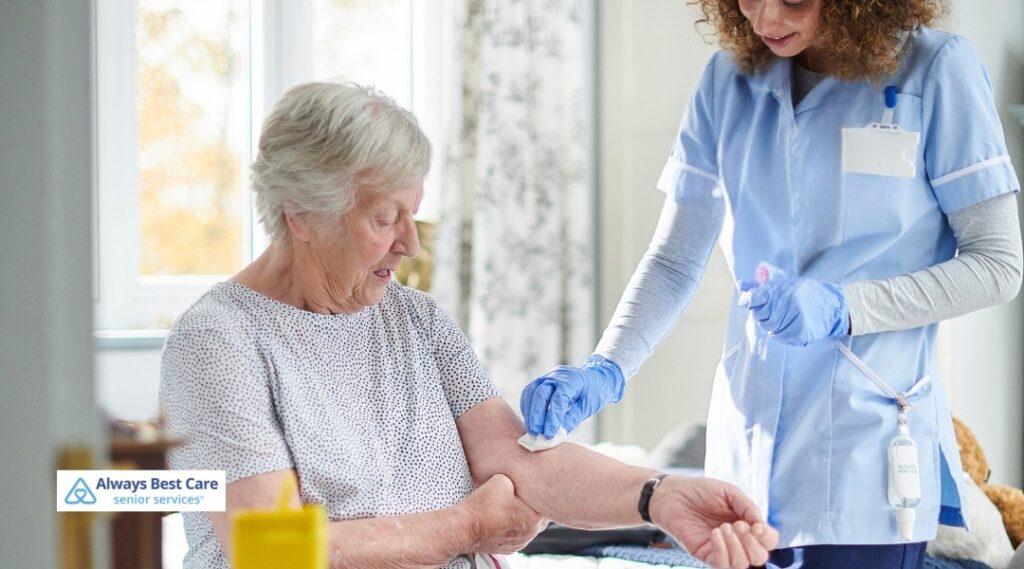
The skin does much more than protect us from the outside world — it is a living organ that changes significantly as we age. After age 60, the skin becomes thinner, loses elasticity, and produces less of the natural oils that keep it supple. Blood flow to the skin also decreases, which means nutrients and oxygen — both essential for healing — reach wounds more slowly.
For seniors in San Antonio managing conditions like diabetes, heart disease, or peripheral artery disease, these changes are compounded. Poor circulation, nerve damage, and a weakened immune response can turn a small cut or skin tear into a wound that lingers for weeks or months.
Nutrition also plays a critical role. Seniors who are not getting enough protein, vitamin C, zinc, or fluids may find that even minor wounds struggle to close properly.
Types of Wounds That Often Require Skilled Nursing
Not every wound needs a nurse, but certain types carry a higher risk of complications and benefit from professional oversight. Skilled nursing care is commonly recommended for:
- Surgical incisions that need ongoing monitoring after a hospital or outpatient procedure
- Pressure injuries (bedsores) that develop from prolonged time in bed or a wheelchair
- Diabetic foot ulcers, which can worsen rapidly and carry a risk of serious infection
- Venous or arterial ulcers caused by poor circulation in the legs
- Skin tears that are large, deep, or slow to close
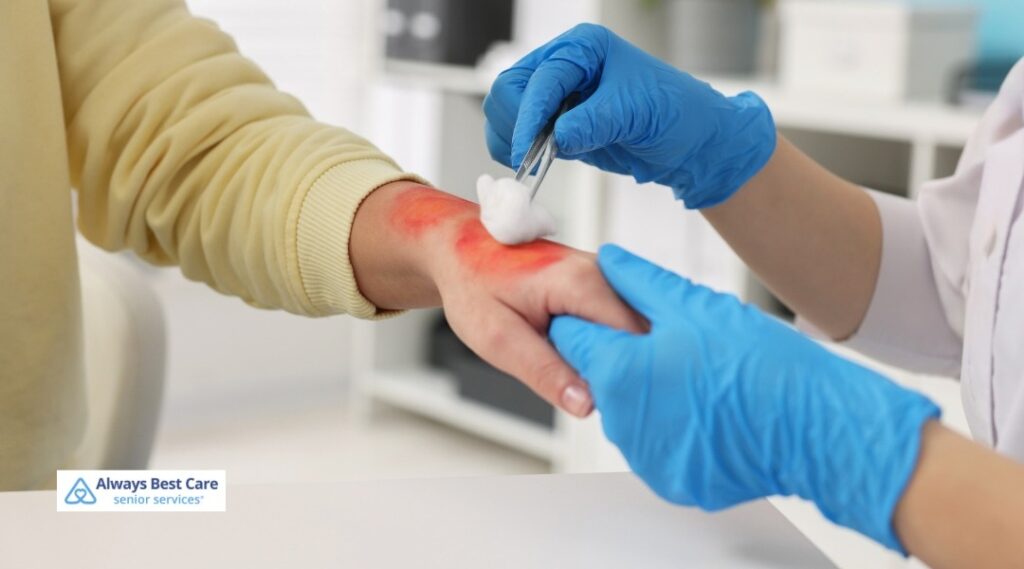
- Burns beyond minor first-degree injuries
- Chronic wounds that have not shown measurable improvement after two to four weeks of standard care
If a wound falls into any of these categories, a physician referral for home health services may be appropriate.
Warning Signs That a Wound Needs Immediate Attention
Families and caregivers should monitor wounds closely and know when to escalate care. Contact a healthcare provider promptly if you notice:
- Increasing redness, warmth, or swelling around the wound edges
- Pus, cloudy discharge, or an unusual odor
- The wound growing larger rather than smaller over time
- Fever above 100.4°F, chills, or increased confusion
- Streaks of red spreading outward from the wound, which can signal a spreading infection
- Numbness or color changes in the surrounding skin
Seniors with diabetes or compromised immune systems should be especially vigilant, as infections can escalate quickly and with fewer obvious early symptoms.
What a Skilled Home Health Nurse Does for Wound Care in San Antonio
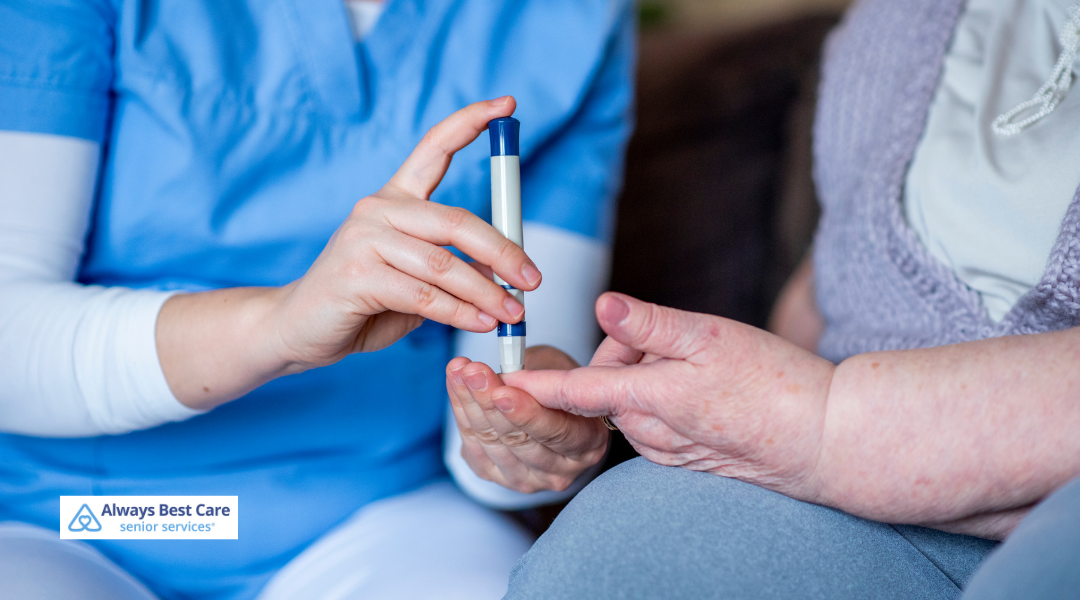
When a physician orders skilled nursing as part of a home health plan, a licensed nurse visits the senior at home and delivers clinical-level wound care in a familiar, comfortable environment. Depending on the type and severity of the wound, skilled nursing services may include:
- Conducting a thorough wound assessment and documenting healing progress
- Cleaning the wound and removing non-viable tissue as needed
- Applying and changing specialized dressings appropriate to the wound type
- Monitoring for signs of infection or deterioration
- Coordinating with the treating physician and other members of the care team
- Educating the patient and family on proper wound care between visits
This level of care is particularly valuable after a hospital discharge, surgery, or a stay in a rehabilitation facility, when the risk of complications is highest and families may feel uncertain about what to do.
Preventing Pressure Injuries Before They Start
For seniors with limited mobility, prevention is just as important as treatment. Pressure injuries develop when sustained pressure cuts off blood flow to the skin — most often over bony areas like the heels, hips, tailbone, and shoulder blades.
A skilled nurse or home health team can put a prevention plan in place that may include:
- Scheduled repositioning every one to two hours for bed-bound seniors
- Pressure-relieving mattresses, overlays, or cushions
- Keeping skin clean, dry, and moisturized
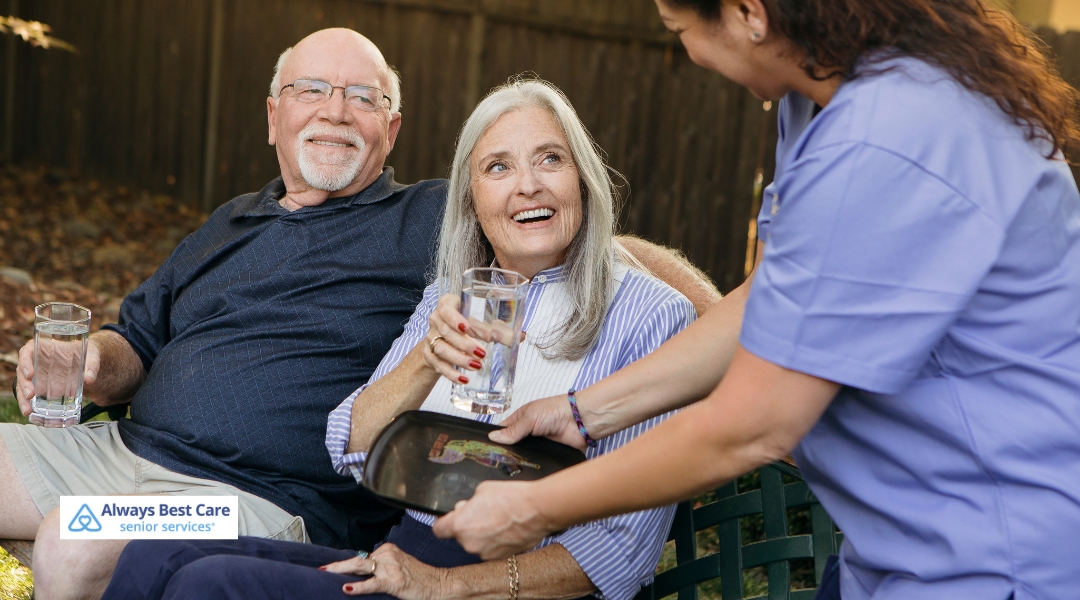
- Ensuring adequate nutrition and hydration to support skin integrity
- Teaching caregivers how to inspect high-risk areas during daily routines
Catching early skin changes — redness that does not fade, warmth, or firmness — before a wound develops is far easier than treating a stage 3 or 4 pressure injury.
How In-Home Caregivers Support the Healing Process
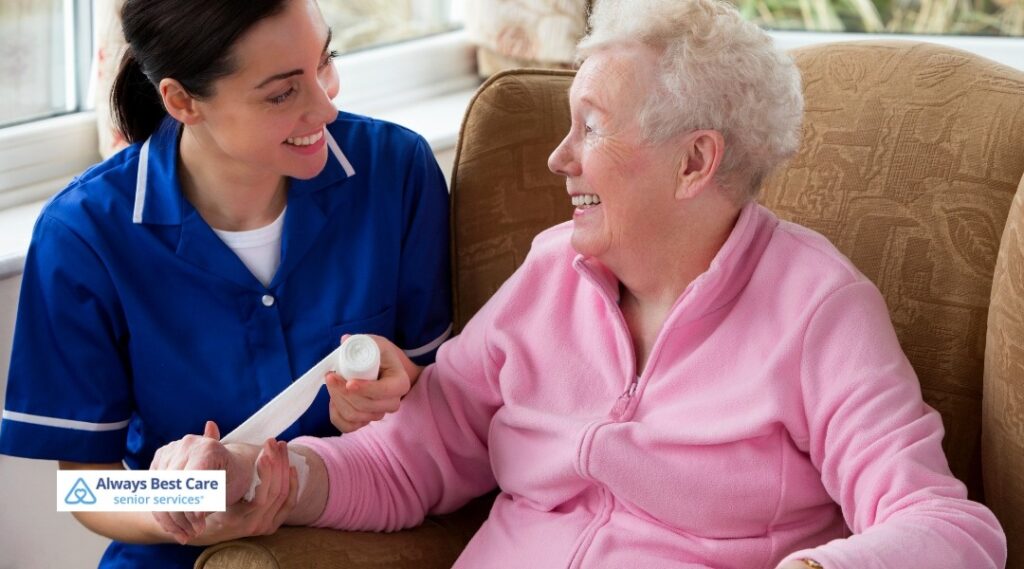
Skilled nursing addresses the medical side of wound care, but recovery involves more than dressing changes. Seniors healing at home often need help with everyday tasks that become harder when mobility is limited or energy is low.
An in-home caregiver can assist with:
- Meal preparation to support a nutrition plan that promotes healing
- Personal hygiene and bathing while protecting the wound site
- Light housekeeping and laundry
- Medication reminders
- Transportation to follow-up appointments
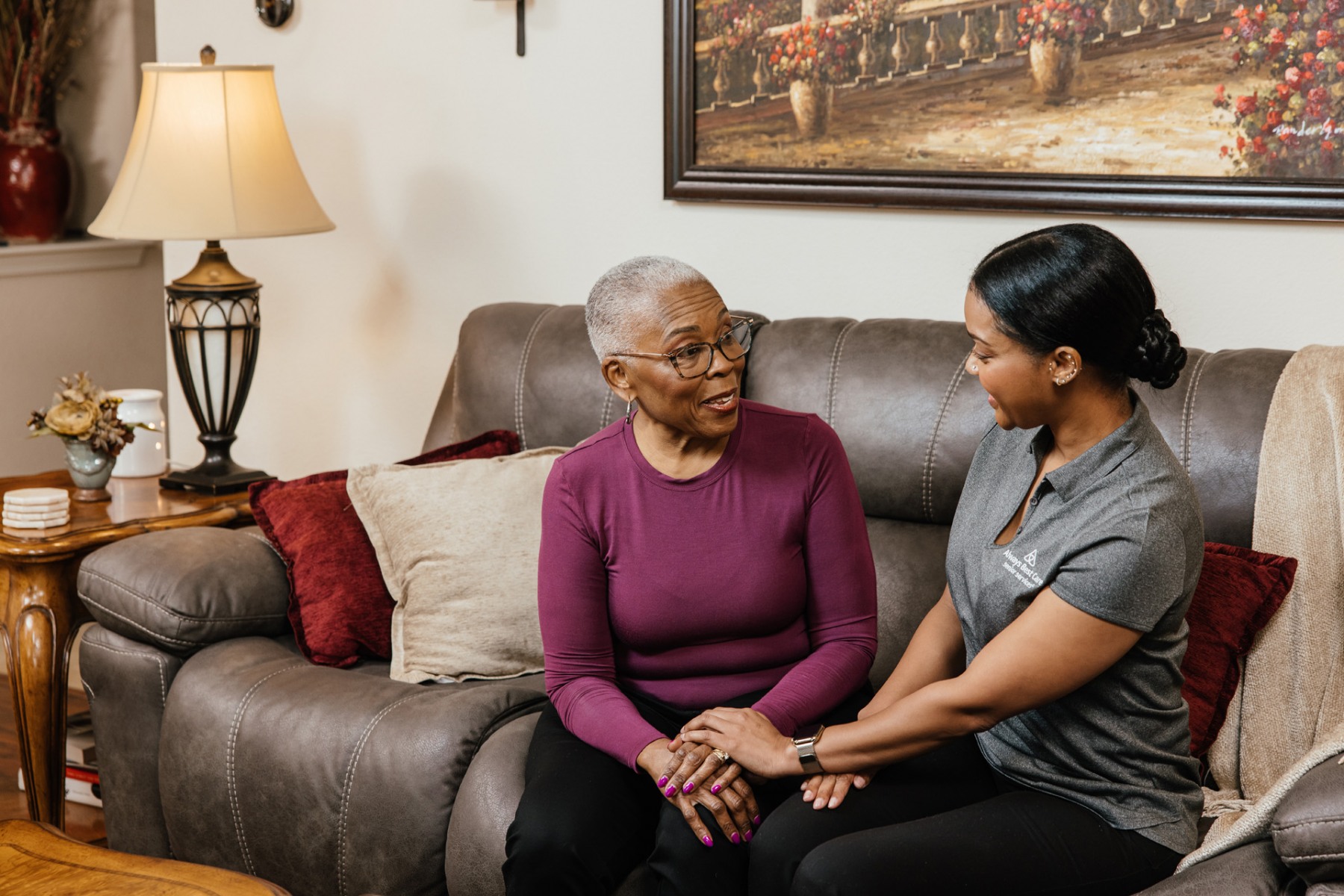
- Companionship and emotional support during what can be a frustrating recovery
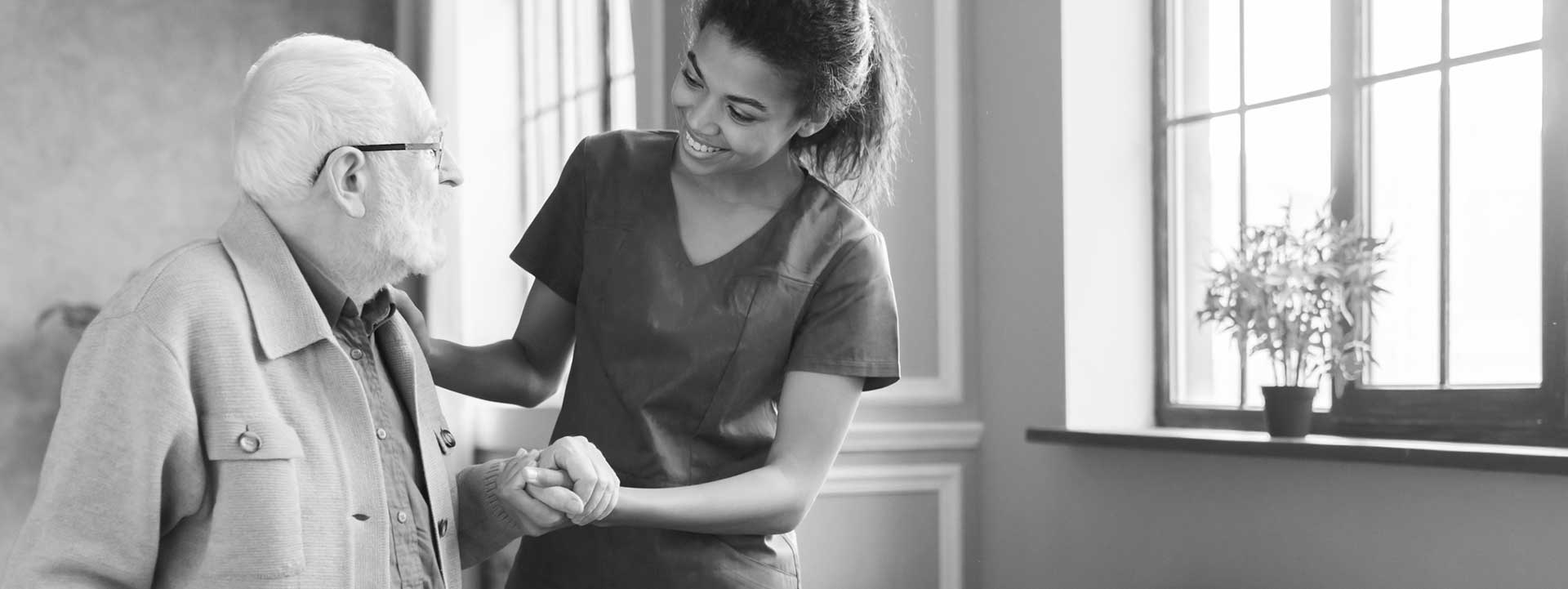
When skilled nursing and in-home caregiving work in tandem, seniors get both the clinical care and the day-to-day support they need to recover safely at home.
Frequently Asked Questions
Q: How do I know if a wound needs a nurse or if I can treat it at home?
A: Minor wounds — small cuts, superficial scrapes, or minor skin irritation — can often be managed at home with proper cleaning and bandaging. However, if the wound is deep, large, slow to heal, showing signs of infection, or located on a high-risk area like the foot in a diabetic patient, it is best to consult a physician. They can determine whether skilled nursing is appropriate.
Q: Does Medicare cover skilled nursing for wound care at home?
A: Medicare Part A may cover home health services, including skilled nursing for wound care, if a physician certifies that the care is medically necessary and the patient meets the homebound criteria. Coverage varies, so contact Medicare directly or speak with a home health agency to confirm what your plan covers.
Q: How often will a home health nurse visit for wound care?
A: Visit frequency depends on the wound type, severity, and the physician’s orders. Some wounds require daily visits; others may need a nurse two to three times per week. The schedule is typically reassessed as the wound progresses.
Q: Can a wound heal at home without skilled nursing?
A: Many wounds do heal at home with proper self-care. However, for seniors with chronic conditions, complex wounds, or wounds that are not improving, skilled nursing significantly reduces the risk of complications, hospitalization, and the need for more invasive treatment down the line.
Q: What should I do if I think my loved one has an infected wound?
A: Contact their physician or go to an urgent care clinic promptly. If the senior has a fever, is confused, or the infection appears to be spreading rapidly, seek emergency care. Do not wait to see if it improves on its own.
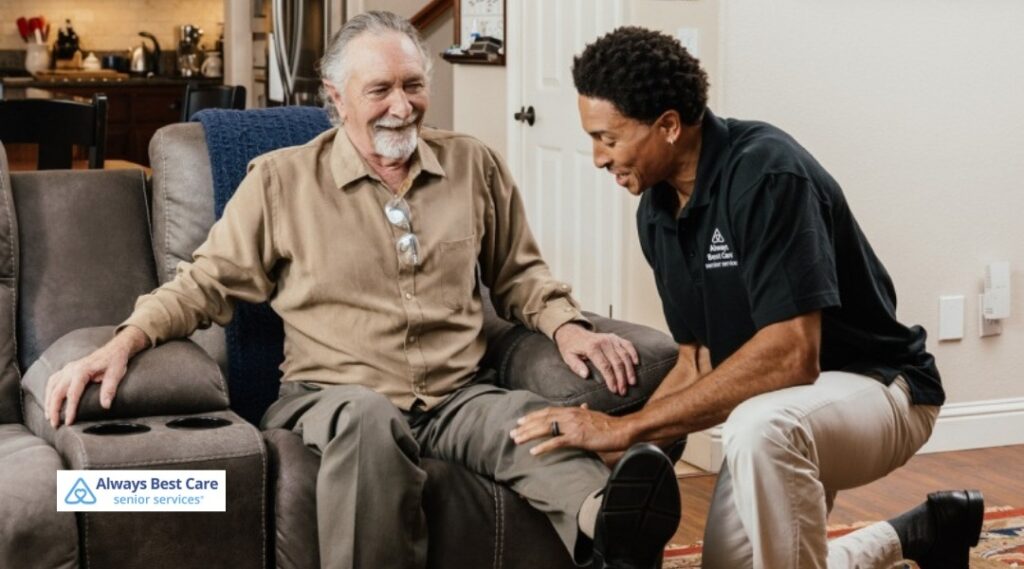
Supporting Recovery at Home in San Antonio
You don’t have to manage wound care alone. For families in San Antonio caring for an older adult with a complex or slow-healing wound, professional support is available — and it can come directly to your door.
Always Best Care of San Antonio offers services designed to help older adults heal safely and comfortably at home. Depending on your loved one’s needs and what is available in your area, support may include skilled nursing through a home health referral and in-home caregiving for daily assistance.
To learn more or schedule a care consultation, contact Always Best Care of San Antonio at (210) 940-1087.
Link to the Markdown File version of the article