Aging in Place with a Chronic Illness: How In-Home Care Promotes Independence in San Antonio

Home is more than four walls. For most seniors, it represents decades of memories, familiar routines, and a deep sense of belonging. That comfort becomes even more important after a chronic illness diagnosis, and the good news is that a diagnosis does not have to mean leaving home.
Conditions like heart disease, diabetes, COPD, arthritis, and Parkinson’s disease require ongoing management, but they do not automatically require a move to assisted living or a nursing facility. With the right in-home support, many older adults can continue living safely and independently in the place they love most.
What You Will Learn
- How in-home care helps San Antonio seniors manage chronic illnesses while preserving comfort and independence at home.
- The everyday support that can make routines, appointments, and household tasks easier to handle.
- How consistent care and early awareness of changes can support safer, healthier days.
- Why personalized companionship gives seniors comfort and families greater peace of mind.
Table of Contents
Why Aging in Place Matters for Seniors with Chronic Illness
Research consistently shows that seniors who remain in familiar environments tend to experience better emotional well-being and, in many cases, better health outcomes. Routine, comfort, and autonomy all play a role in how well someone manages a long-term condition.
The challenge is that chronic illness often makes daily tasks more demanding. Medication schedules become complex. Fatigue sets in. Mobility decreases. And the risk of falls or medical complications rises. Without adequate support, these challenges can quickly become overwhelming — for seniors and their families alike.
In-home care bridges that gap. Rather than uprooting a senior’s life, it brings the support directly to them.

The Real Challenges Seniors Face at Home
Living with a chronic condition involves more than managing symptoms. It requires consistent effort across multiple areas of daily life.
Common challenges include:
- Tracking and managing multiple medications
- Preparing nutritious meals that align with dietary restrictions
- Getting to and from medical appointments
- Maintaining personal hygiene and household cleanliness
- Staying physically active within safe limits
- Coping with feelings of isolation or anxiety
Any one of these challenges can be difficult. Together, they can feel unmanageable — especially for seniors living alone or with limited family support nearby.
How In-Home Care Makes a Difference
In-home care is not a one-size-fits-all solution. It is a personalized approach built around each senior’s specific health needs, daily routine, and personal preferences. Caregivers work alongside seniors — not in place of them — helping where it matters most while preserving as much independence as possible.
Practical support typically includes:
- Assistance with bathing, dressing, and grooming
- Meal planning and preparation tailored to health conditions
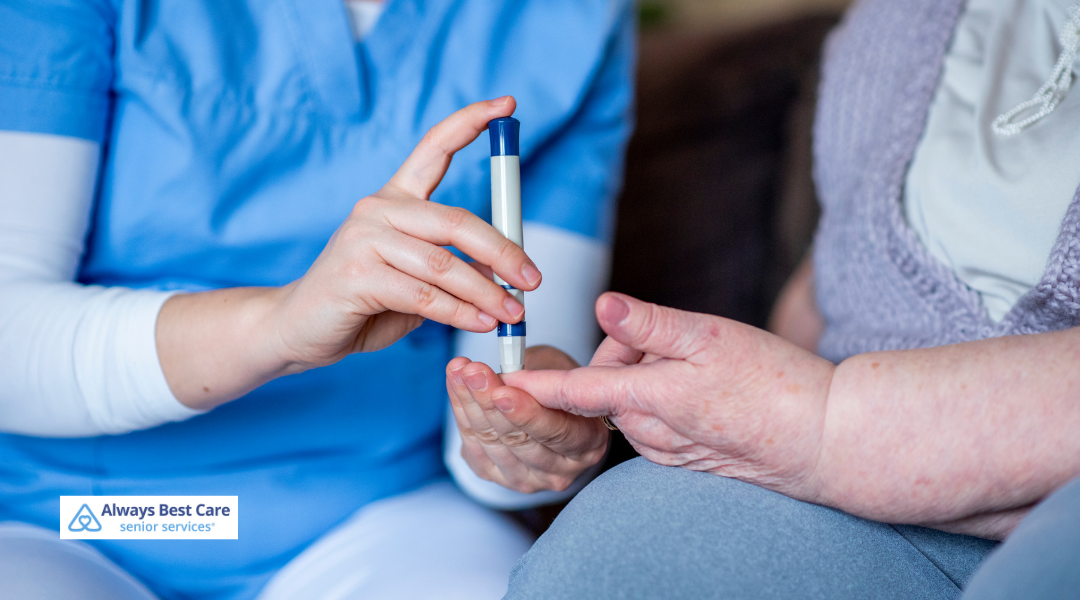
- Medication reminders to keep treatment plans on track
- Light housekeeping and laundry
- Transportation to medical appointments and errands
- Companionship and social engagement
This kind of consistent, hands-on support helps seniors conserve energy, reduce stress, and focus on what matters most to them.

Consistency Is the Key to Better Health Outcomes
One of the most significant risks for seniors with chronic illness is inconsistency — missed medications, skipped meals, or delayed follow-up care. These gaps, even when they seem minor, can lead to complications and preventable hospitalizations.
In-home caregivers help establish and maintain the daily routines that keep seniors on track. That means ensuring medications are taken at the right time, meals are balanced and appropriate for the senior’s condition, hydration is maintained throughout the day, and physician-recommended activity is incorporated safely into the routine.
Over time, this consistency can meaningfully reduce the likelihood of health setbacks and emergency interventions.
Spotting Warning Signs Before They Escalate
One of the less obvious but highly valuable aspects of in-home care is early observation. Caregivers who spend regular time with a senior develop a clear sense of what is normal for that individual. When something changes — appetite, energy levels, mobility, or behavior — they notice.
Warning signs caregivers are trained to watch for include:
- Unusual fatigue or weakness
- Changes in appetite or weight
- Shortness of breath or difficulty breathing
- Increased confusion or disorientation
- Swelling in the legs or feet
- Difficulty walking or a new unsteadiness
Catching these signs early gives families and healthcare providers the opportunity to intervene before a manageable issue becomes a medical emergency.

The Emotional Side of Chronic Illness
Physical symptoms are only part of the picture. Chronic illness often brings with it a significant emotional burden, frustration over lost abilities, anxiety about the future, and loneliness from reduced social interaction.
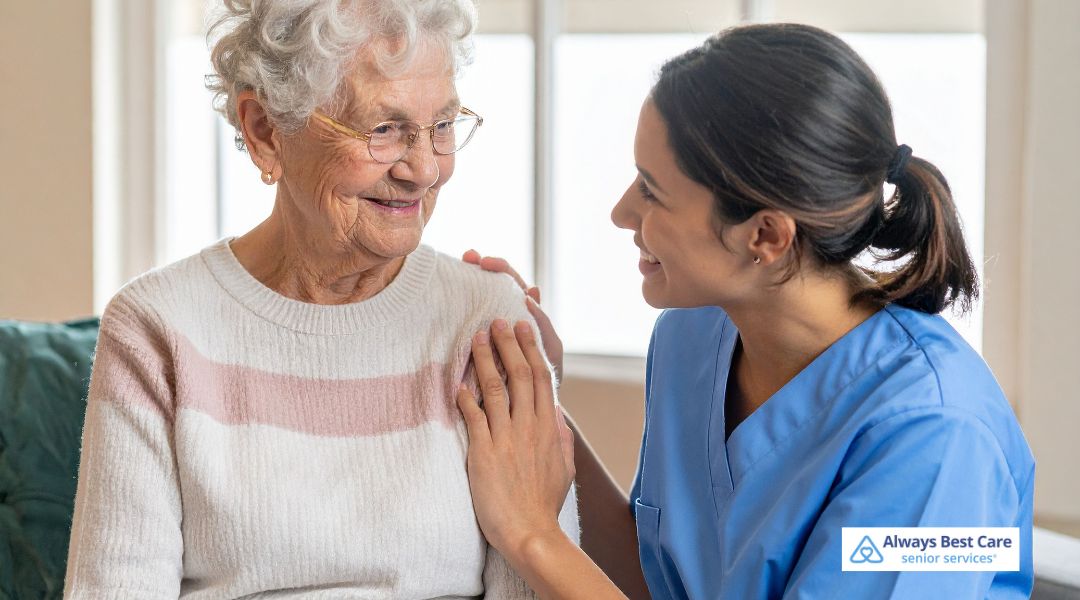
In-home caregivers provide more than practical help. They offer consistent companionship, conversation, and genuine human connection. Having someone present who is attentive, caring, and reliable can significantly improve a senior’s mood, motivation, and overall quality of life.
For family members, in-home care also provides peace of mind, knowing that a trusted professional is present and attentive, even when they cannot be.
How Always Best Care of San Antonio Supports Seniors
At Always Best Care of San Antonio, we take a personalized approach to every client. Our caregivers work closely with families to develop care plans that reflect each senior’s health needs, lifestyle, and goals, whether that means managing diabetes, supporting recovery after a stroke, or helping someone with COPD maintain their daily routine.

Frequently Asked Questions
Q: What types of chronic illnesses can in-home care support?
A: In-home care can support a wide range of conditions, including heart disease, diabetes, COPD, arthritis, Parkinson’s disease, and stroke recovery. Care plans are tailored to each individual’s specific diagnosis and daily needs.
Q: Is in-home care a replacement for medical treatment?
A: No. In-home caregivers are not medical professionals and do not replace doctors or nurses. They provide non-medical support, such as personal care, companionship, and medication reminders, that complements a senior’s existing medical care plan.
Q: How do I know if my loved one needs in-home care?
A: Signs that in-home care may be beneficial include difficulty managing daily tasks, missed medications, increased falls or safety concerns, social withdrawal, or caregiver burnout among family members. A care consultation can help assess the level of support needed.
Q: Can in-home care help prevent hospitalizations?
A: Yes. Consistent in-home support helps seniors maintain their health routines and allows caregivers to identify early warning signs of health changes. This proactive approach can reduce the risk of complications that lead to emergency care or hospital readmission.
Q: How is a care plan created?
A: Always Best Care of San Antonio works directly with the senior and their family to understand health conditions, daily routines, and personal preferences. From there, a customized care plan is developed and adjusted over time as needs evolve.
Q: What if my loved one’s needs change over time?
A: In-home care is flexible by design. As a senior’s condition progresses or improves, the care plan can be updated to reflect new needs, ensuring the right level of support is always in place.
The Right Support Helps Seniors Stay Home
We provide support across all areas of daily life, from personal care and meal preparation to medication reminders, transportation, and companionship. Our goal is simple: to help seniors in San Antonio stay safe, comfortable, and independent at home, for as long as possible.
A chronic illness changes how a senior lives. It does not have to change where they live. If your loved one needs extra support at home, contact Always Best Care of San Antonio at (210) 940-1087 to schedule a care consultation.
Link to the Markdown File version of the article