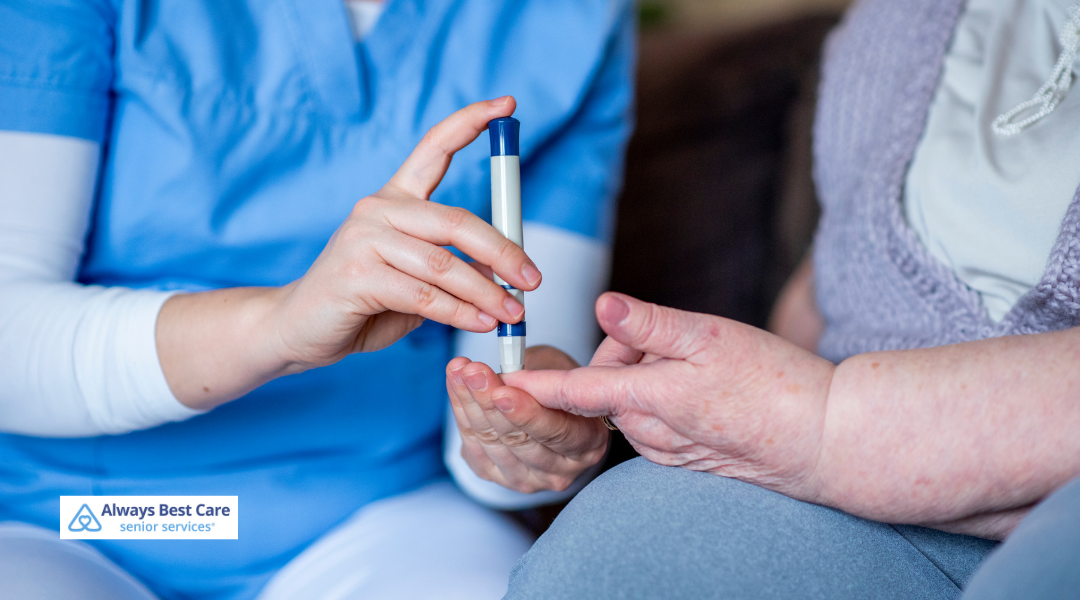

Managing Medication in San Antonio’s Heat: What Families of Seniors Should Know

San Antonio summers have a way of settling in and staying awhile. The heat isn’t just uncomfortable; it can quietly interfere with daily routines, especially for older adults who rely on medication to stay well. What seems like a small shift in temperature can change how the body reacts, and even how medication performs.
That’s where understanding Managing Medication in San Antonio’s Heat: What Families of Seniors Should Know becomes essential. With the right awareness and a few thoughtful adjustments, families can help seniors stay safe, steady, and comfortable all season long.
What you will learn:
- How San Antonio’s extreme heat can affect medications and the way seniors respond to them.
- Which types of medications carry higher risks during hot weather, and why is extra care needed?
- The key warning signs that may signal heat-related medication issues in older adults.
- Simple, practical ways to keep medications safe, effective, and properly managed throughout the summer.
Table of Contents
How Heat Affects Medications and Seniors
High temperatures don’t just affect people; they can impact the medications themselves. Some prescriptions are heat-sensitive, which means they may lose effectiveness if they’re exposed to warm environments for too long. A pill that’s been sitting in a hot car or near a sunny window may not work the way it should.
At the same time, the body responds differently in extreme heat. Seniors are more likely to feel the effects of dehydration or changes in circulation, which can amplify how medications behave. What once felt like a normal dose may suddenly cause dizziness, fatigue, or confusion. It’s a subtle shift, but one that shouldn’t be ignored.
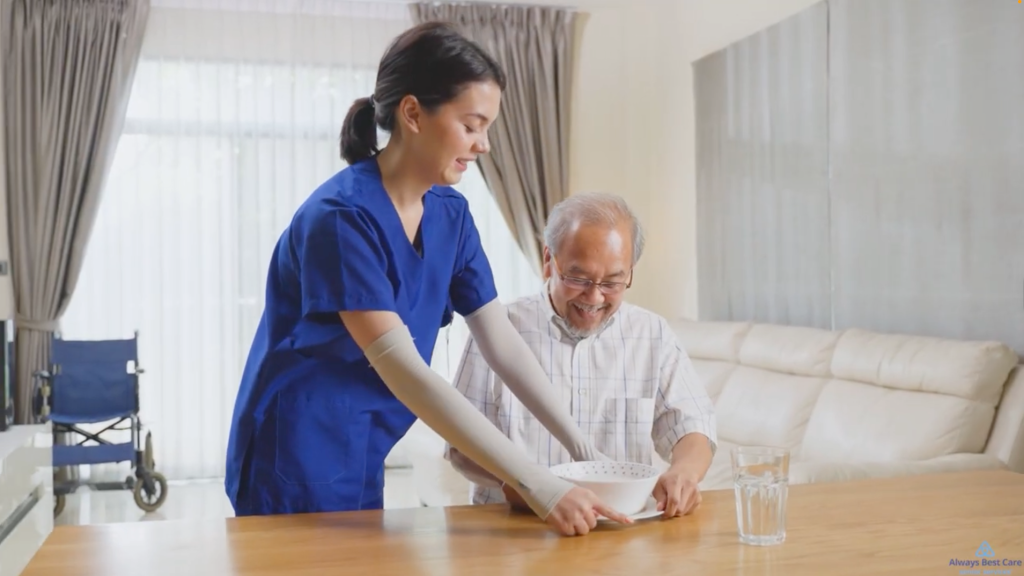
High-Risk Medications During Hot Weather
Certain medications require extra attention during San Antonio’s hottest months. Diuretics, for example, are designed to remove excess fluid from the body, but in high heat, they can increase the risk of dehydration more quickly than expected.
Blood pressure and heart medications can also become tricky. As temperatures rise, blood vessels naturally dilate, which can further lower blood pressure and lead to lightheadedness or even falls. Then there are medications that interfere with the body’s ability to sweat, making it harder to cool down. Without that natural regulation, overheating can happen faster than most people realize.
Warning Signs Families Should Watch For
The early signs of heat-related medication issues often don’t announce themselves loudly. Instead, they show up as small changes, a bit more fatigue than usual, a moment of confusion, or a sudden loss of appetite. These shifts can be easy to brush off, but in the context of extreme heat, they matter.
As symptoms progress, they may resemble heat exhaustion, with headaches, nausea, or unusual weakness becoming more noticeable. If things escalate to fainting, a rapid heartbeat, or a significant rise in body temperature, it’s important to seek medical attention right away. Acting quickly can prevent more serious complications.

Safe Medication Storage in High Temperatures
Proper storage plays a bigger role than many expect. Medications are typically meant to be kept in cool, dry places, yet it’s common to find them stored in bathrooms or kitchens where heat and humidity build up throughout the day. In a city like San Antonio, that can gradually affect their stability.
Travel adds another layer of risk. Even a short stop with medications left in a parked car can expose them to extreme temperatures. Keeping them in a temperature-controlled environment or using an insulated bag when on the move can help preserve their effectiveness.
Hydration and Medication Effectiveness
Hydration is one of the simplest, yet most overlooked, pieces of the puzzle. When the body is dehydrated, it can change how medications are absorbed and processed. That can lead to doses feeling either too strong or too weak.
Encouraging regular fluid intake throughout the day helps maintain balance. It’s not about drinking large amounts all at once, but rather keeping a steady rhythm. In the San Antonio heat, that consistency can make a noticeable difference in how seniors feel day to day.

Caregiver Support in a San Antonio Summer
Caring for a senior during intense heat often comes down to paying attention to the little things. A slight change in mood, a missed dose, or a shift in routine can all signal that something isn’t quite right. Staying organized with medications and keeping communication open with healthcare providers helps prevent small issues from turning into bigger ones.
This is where local, hands-on support can truly help. Families don’t always have the time or resources to monitor every detail, especially during busy summer months.
How Always Best Care of San Antonio Can Help
Always Best Care of San Antonio understands the unique challenges of managing medications in a hot climate. Their caregivers provide dependable support with medication reminders, daily monitoring, and close attention to any changes in condition.
Because they’re familiar with the local environment, they can anticipate seasonal risks and adjust care accordingly. That added layer of awareness helps families feel more confident knowing someone is keeping a watchful eye, even when temperatures climb.

Frequently Asked Questions
Q: How does heat affect medications for seniors?
A: Heat can reduce the effectiveness of certain medications and increase the likelihood of side effects such as dizziness, dehydration, or confusion.
Q: What medications are most affected by hot weather?
A: Diuretics, blood pressure medications, and drugs that affect sweating or hydration tend to carry higher risks during extreme heat.
Q: How can I tell if heat is affecting my loved one’s medication?
A: Look for changes such as unusual fatigue, confusion, dizziness, or nausea, especially during periods of high temperatures.
Q: Should medications be stored differently in summer?
A: Yes, medications should be kept in cool, dry environments and never left in hot spaces like parked cars or near direct sunlight.
Q: Can caregivers help manage medications during hot weather?
A: Yes, professional caregivers can assist with reminders, monitoring, and ensuring medications are taken safely and stored properly.
Protecting Senior Health in the Texas Heat
San Antonio’s heat may be intense, but with the right approach, medication safety doesn’t have to take a hit. Staying aware of how heat affects medications, keeping hydration on track, and watching for early warning signs can go a long way toward protecting a senior’s well-being.
If you’re feeling unsure about managing these challenges alone, Always Best Care of San Antonio is ready to step in with compassionate, experienced support. Reach out today at (210) 940-1087 to learn how their team can help your loved one stay safe, comfortable, and well cared for, no matter how high the temperature climbs.
Link to the Markdown File version of the article