Home Health for Stroke Recovery: Therapy, Monitoring, and Support in Studio City
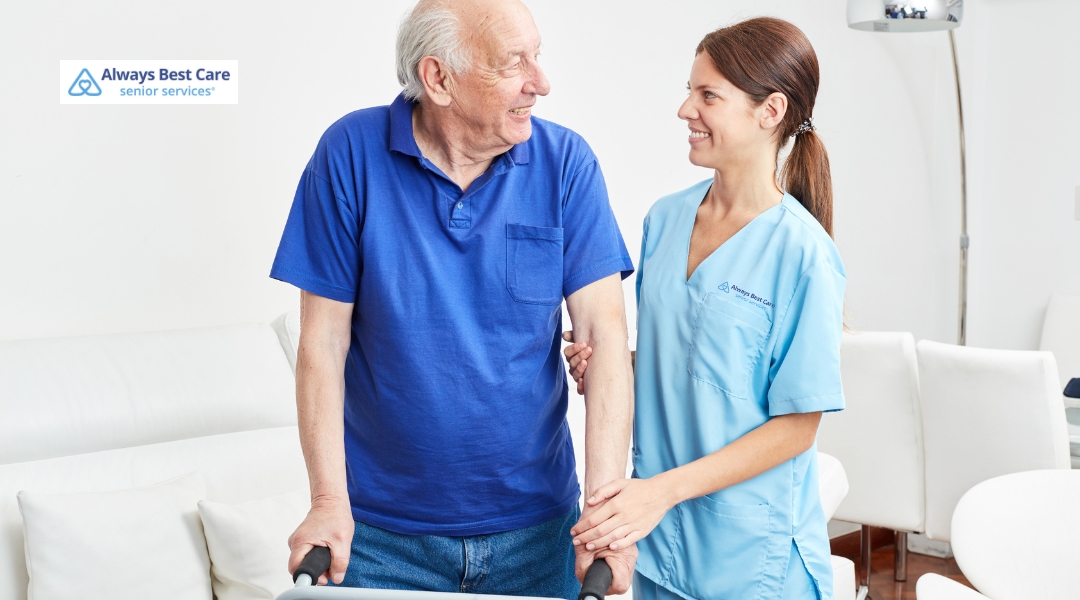
Returning home after a stroke is a significant milestone, but it is also the point where consistent, skilled support becomes most critical. Hospital stays and inpatient rehabilitation programs lay the groundwork for recovery, yet the real work of rebuilding strength, relearning daily skills, and preventing complications happens over weeks and months at home.
Home health services bridge that gap. By bringing medical professionals and therapists directly into the home, stroke survivors in Studio City can continue their recovery in a familiar environment, without the physical and emotional strain of frequent clinic visits.
What you will learn:
- The real-world challenges of stroke recovery at home and why ongoing, skilled support makes such a big difference.
- How home health services like skilled nursing, physical therapy, and occupational therapy work together to rebuild strength and independence.
- Why regular monitoring and professional oversight help prevent complications, hospital readmissions, and secondary strokes.
- How compassionate caregivers and family involvement provide emotional comfort, confidence, and motivation throughout recovery.
Table of Contents
The Real Challenges of Post-Stroke Recovery
No two strokes are alike. Depending on the area of the brain affected, survivors may face a wide range of challenges: weakness or paralysis on one side of the body, difficulty speaking or understanding language, memory gaps, trouble swallowing, or changes in mood and behavior.
These effects do not resolve on a fixed timeline. Some improvements happen quickly; others require months of consistent effort. What remains constant is the need for professional oversight and structured support, especially during the first several months at home.
Without proper monitoring and therapy, survivors face a higher risk of falls, medication errors, secondary strokes, and hospital readmission. Home health services directly address each of these risks.
Skilled Nursing: Medical Oversight at Home
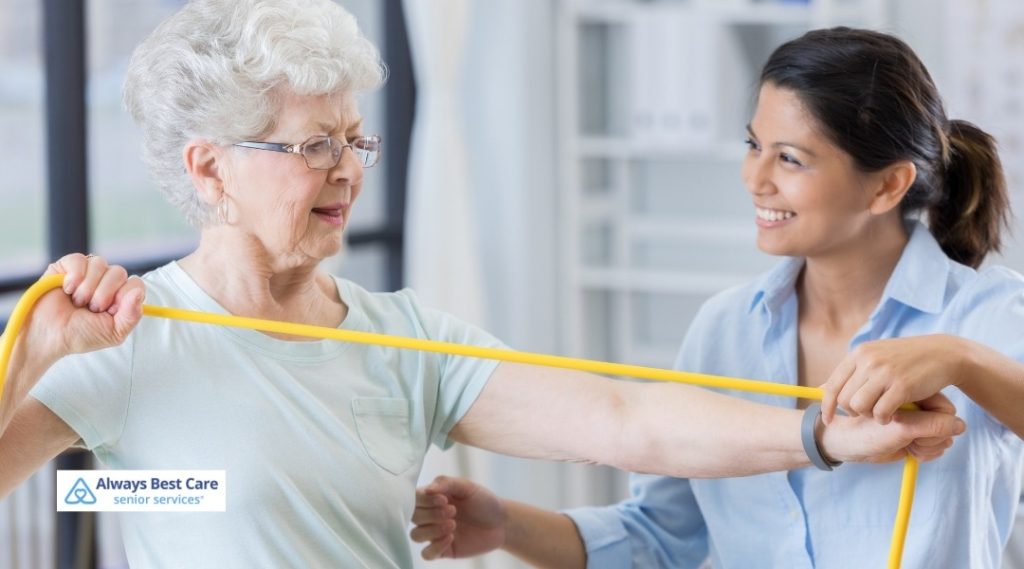
A licensed home health nurse is often the first professional to support a stroke survivor after discharge. Their role goes beyond routine check-ins; they provide active medical management in the home setting.
Skilled nursing services may include:
- Monitoring blood pressure, heart rate, and other vital signs
- Managing and reconciling medications to prevent errors or interactions
- Identifying early warning signs of a secondary stroke or complication
- Wound care or management of feeding tubes if applicable
- Educating family members on what to watch for and how to respond
- Coordinating care with the survivor’s physicians and specialists
For survivors managing additional conditions such as diabetes, atrial fibrillation, or high cholesterol, all common stroke risk factors, skilled nurses help integrate those care needs into a single, cohesive plan.
Physical Therapy: Rebuilding Strength and Movement
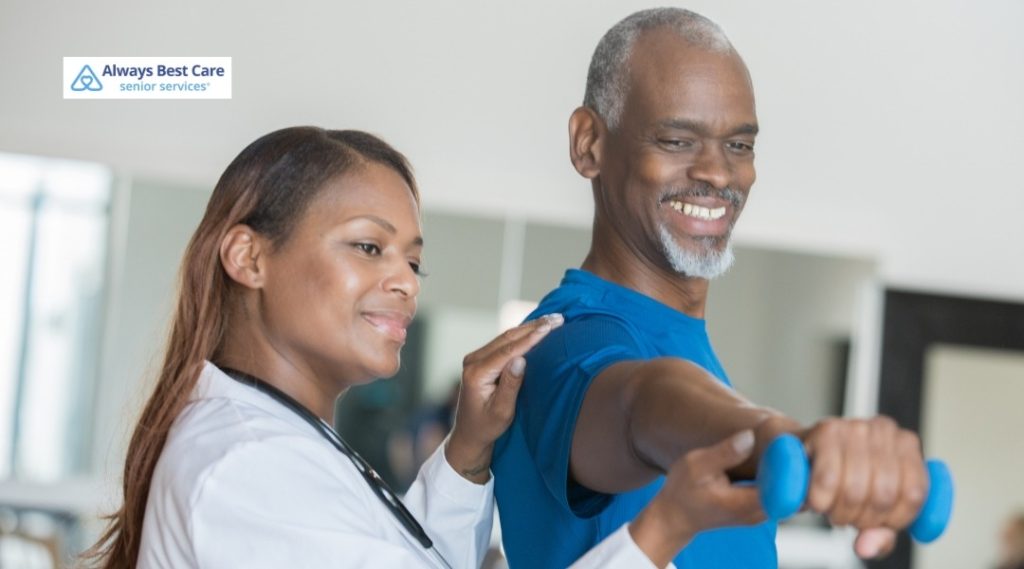
Weakness, stiffness, and impaired coordination are among the most common physical effects of a stroke. A home health physical therapist works directly with survivors to restore functional movement in ways that apply to their actual living space.
Physical therapy focuses on:
- Rebuilding muscle strength, particularly on the affected side
- Improving balance and reducing fall risk
- Retraining walking patterns and safe movement
- Increasing range of motion in affected limbs
- Practicing real-life tasks such as navigating stairs or getting in and out of bed
Exercising in the home environment offers a distinct advantage: therapy is immediately relevant. Rather than practicing on clinical equipment, survivors work with their own furniture, floors, and layouts, making progress more transferable to daily life.
Occupational Therapy: Relearning Daily Life
A stroke can make ordinary tasks feel overwhelming. Buttoning a shirt, preparing a simple meal, or stepping into the shower may require entirely new approaches. Occupational therapists help survivors adapt, developing techniques and using tools that restore independence without compromising safety.
Occupational therapy may address:
- Safe bathing, grooming, and dressing routines
- Fine motor skill development for tasks like writing or handling utensils
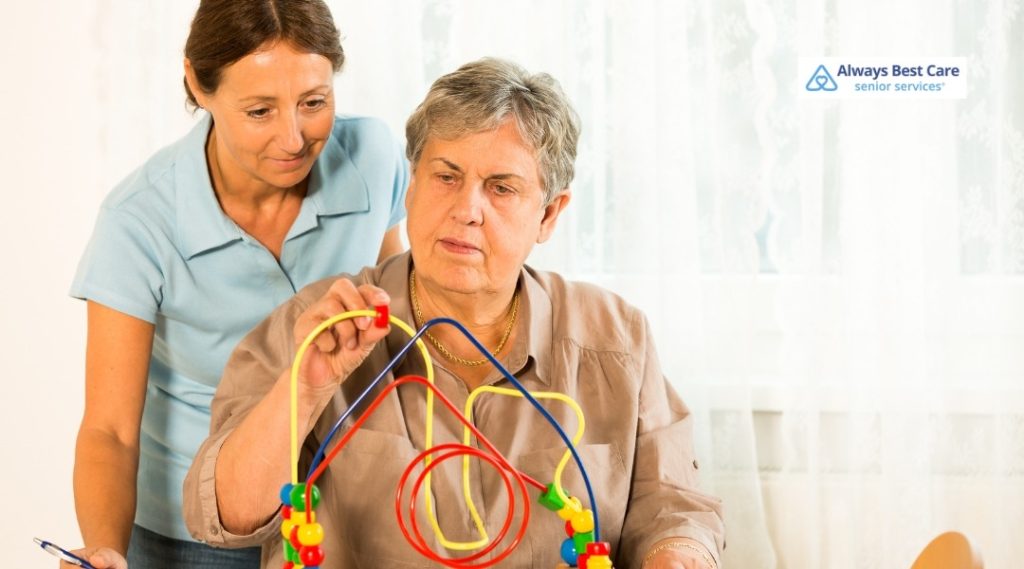
- Cognitive strategies for memory and task sequencing
- Recommending and training on adaptive equipment
- Home modifications to reduce hazards and improve accessibility
The goal is not just recovery, it is confidence. When survivors can manage their own routines, their sense of agency and well-being improves significantly.
Monitoring for Complications
Progress in stroke recovery is rarely linear. Home health professionals play a critical role in tracking changes over time and catching potential problems before they escalate.
Warning signs that home health teams monitor for include:
- Sudden changes in speech, vision, or movement
- Increased weakness or new balance difficulties
- Unusual fatigue, confusion, or behavioral changes
- Signs of infection, blood clots, or other medical complications
Early identification of these signs can prevent serious setbacks and significantly reduce the risk of hospital readmission, a major concern in the months following a stroke.
Emotional and Social Support
The emotional impact of a stroke is often underestimated. Many survivors experience depression, anxiety, or frustration as they adjust to new limitations. Social withdrawal is common, particularly when mobility is restricted.
Having a consistent care team provides more than medical support; it offers a human connection. Caregivers who visit regularly build relationships with survivors and their families, providing encouragement and a sense of stability during an uncertain time.
Family members also benefit. Knowing that skilled professionals are actively involved in their loved one’s care reduces caregiver stress and helps families feel more prepared to provide support between visits.
Frequently Asked Questions
Q: When should home health services begin after a stroke?
A: Ideally, home health services should begin as soon as a survivor is discharged from the hospital or inpatient rehabilitation. Early intervention leads to better outcomes and reduces the risk of complications during the transition home.
Q: How is home health different from home care?
A: Home health involves licensed medical professionals, nurses, physical therapists, and occupational therapists who provide skilled clinical services. Home care typically refers to non-medical assistance with daily activities such as bathing, meal preparation, and companionship. Many families use both in combination.
Q: Will insurance cover home health services after a stroke?
A: Medicare generally covers home health services for stroke survivors who meet eligibility criteria, including being homebound and requiring skilled care. Medicaid and private insurance plans may also provide coverage. A care coordinator can help you understand your specific benefits.
Q: How long does home health support typically last?
A: The duration varies based on the severity of the stroke and the individual’s rate of progress. Some survivors need home health services for a few weeks; others benefit from ongoing support for several months. Care plans are regularly reassessed and adjusted as recovery progresses.
Q: What if my loved one also has other health conditions?
A: Skilled home health nurses are experienced in managing multiple conditions simultaneously. If your loved one has diabetes, heart disease, or other chronic conditions alongside stroke recovery, those needs are incorporated into a unified care plan.
Q: Can home health services help prevent another stroke?
A: While no service can guarantee prevention, skilled nursing support plays an important role in managing stroke risk factors, monitoring blood pressure, ensuring medication adherence, and identifying early warning signs of a secondary event.
How Always Best Care of Studio City Supports Stroke Recovery
At Always Best Care of Studio City, we coordinate skilled nursing, therapy services, and personal care support to create a recovery plan that fits each individual. Our team collaborates closely with physicians, discharge planners, and family members to ensure continuity of care from the hospital to home.
Beyond clinical services, our caregivers assist with daily activities, meal preparation, transportation to follow-up appointments, and companionship, addressing the full picture of what recovery requires.
If your loved one is returning home after a stroke, we are here to help. Call Always Best Care of Studio City today at (818) 572-2799 to schedule a care consultation.
Link to the Markdown File version of the article