

Living Well with COPD in Studio City: How Seniors Can Manage Symptoms and Stay Comfortable at Home
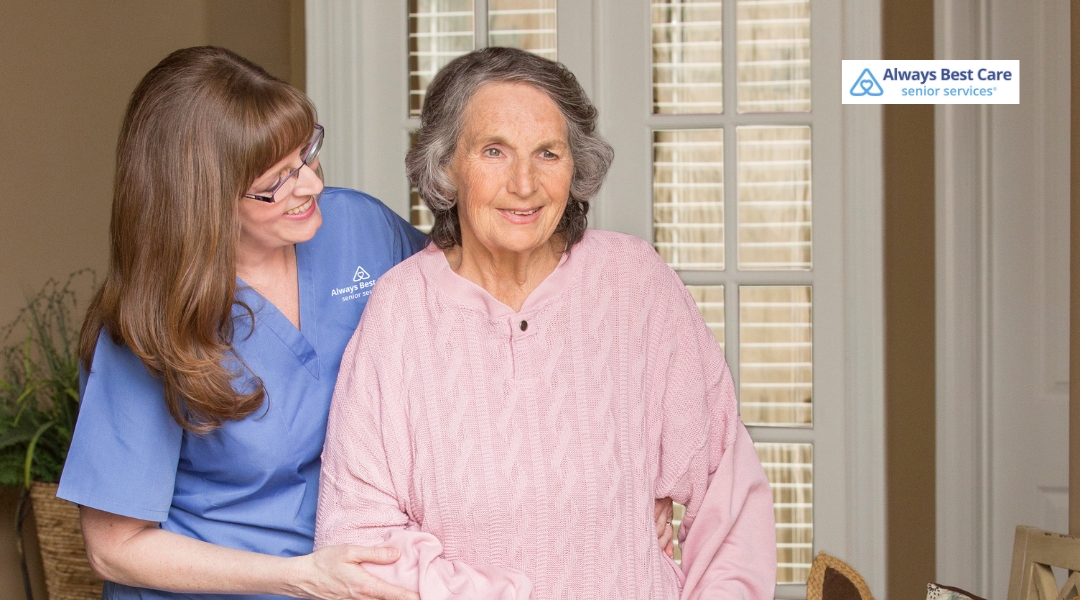
Chronic Obstructive Pulmonary Disease (COPD) is one of the most common long-term respiratory conditions affecting older adults.
For seniors in Studio City, managing COPD at home is not only possible, but it requires the right combination of daily habits, caregiver support, and a well-structured environment. While there is no cure, a proactive approach can significantly reduce symptoms and help seniors maintain a fulfilling, independent lifestyle.
Table of Contents
Understanding COPD and Its Impact on Daily Life
COPD encompasses a group of progressive lung diseases, most commonly chronic bronchitis and emphysema, that restrict airflow and make breathing increasingly difficult. Over time, reduced oxygen levels can make even routine tasks feel exhausting.
Common symptoms include:
- Persistent coughing or wheezing
- Shortness of breath during light activity
- Chest tightness
- Frequent respiratory infections
- Fatigue and low energy
What makes COPD particularly challenging is that symptoms often develop gradually, making them easy to dismiss as normal signs of aging. Early diagnosis and consistent management are essential to slowing progression and protecting quality of life.
Practical Strategies for Managing COPD at Home
Stick to Medication and Treatment Routines
Inhalers, bronchodilators, and supplemental oxygen therapy are common tools for managing COPD. Their effectiveness depends entirely on consistent, correct use. Missed doses or improper inhaler technique can lead to unnecessary flare-ups.
Caregivers play a critical role here, providing daily medication reminders, tracking refills, and ensuring equipment like oxygen concentrators is functioning properly.

Prioritize Indoor Air Quality
For someone with COPD, the air inside the home matters as much as the treatment plan. Poor air quality is a leading trigger for flare-ups and respiratory distress.
Steps to improve indoor air quality:
- Use HEPA air purifiers in frequently used rooms
- Replace HVAC filters on a regular schedule
- Eliminate smoking indoors entirely
- Avoid aerosol sprays, scented candles, and harsh cleaning chemicals
- Keep windows open when outdoor air quality permits
A clean, low-irritant environment can noticeably reduce the frequency and severity of breathing episodes.
Incorporate Gentle, Consistent Movement
It may seem counterintuitive, but regular physical activity is one of the most effective tools for managing COPD. Movement strengthens respiratory muscles, improves circulation, and supports overall endurance.
Appropriate activities for seniors with COPD include:
- Short, paced walks, indoors or outdoors
- Chair-based stretching and light yoga
- Breathing exercises prescribed by a pulmonologist or respiratory therapist
The key is consistency over intensity. Even 10–15 minutes of gentle movement daily can produce meaningful improvements over time.
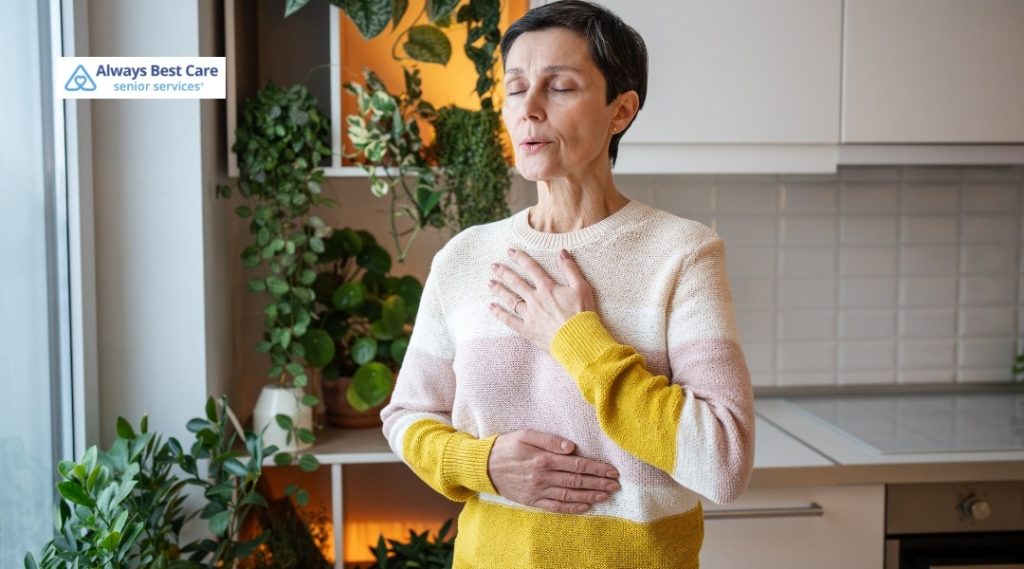
Master Breathing Techniques
Two techniques, pursed-lip breathing and diaphragmatic breathing, are widely recommended for COPD management. Pursed-lip breathing slows the breathing rate and keeps airways open longer, while diaphragmatic breathing strengthens the diaphragm and improves oxygen exchange.
Both can be learned quickly and practiced independently. During a flare-up, these techniques can reduce panic, lower breathing rate, and help the senior regain control before symptoms escalate.
Support Nutrition and Hydration
Proper nutrition directly supports respiratory function. A well-nourished body is better equipped to fight infection, maintain energy, and recover from exertion.
Dietary priorities for seniors with COPD:
- Lean proteins to maintain muscle strength
- Fruits and vegetables are rich in antioxidants
- Whole grains for sustained energy
- Adequate fluid intake to keep the airways moist and clear the mucus
Large meals can cause bloating that puts pressure on the diaphragm, making breathing harder. Smaller, more frequent meals are often better tolerated.

Know the Warning Signs of a Flare-Up
COPD exacerbations can escalate quickly. Families and caregivers should know when to act.
Contact a healthcare provider if you notice:
- A sudden increase in shortness of breath
- Changes in mucus, particularly if it becomes yellow, green, or increases in volume
- Fever or chills
- Unusual fatigue, confusion, or disorientation
- Inability to complete routine daily tasks
Early intervention can prevent a manageable flare-up from becoming a hospitalization.
How Always Best Care of Studio City Supports Seniors with COPD
Managing COPD is a daily commitment, and it’s one that no senior should have to handle alone. Always Best Care of Studio City provides personalized in-home support designed to help seniors breathe easier and live more comfortably.
Our caregivers can assist with:
- Medication reminders and monitoring
- Light housekeeping to maintain clean indoor air
- Meal preparation focused on respiratory health
- Encouraging and supporting safe physical activity
- Companionship to reduce stress and emotional burden
- Transportation to pulmonology and follow-up appointments
For seniors with more complex needs, coordinated home health services can provide skilled nursing support alongside daily caregiving.

Frequently Asked Questions About COPD Care at Home
Q: What is the most important thing a caregiver can do for a senior with COPD?
A: Consistency is key. Ensuring medications are taken correctly and on schedule, maintaining a clean home environment, and monitoring for early warning signs of a flare-up are the highest-impact actions a caregiver can take.
Q: Can COPD get better with the right care?
A: COPD is a progressive condition, meaning it cannot be reversed. However, with proper management including medication adherence, lifestyle adjustments, and regular medical care, symptoms can be significantly controlled, and quality of life can be maintained or improved.
Q: Is it safe for seniors with COPD to exercise?
A: Yes, with appropriate guidance. Light, consistent activity is actually recommended for most COPD patients. A healthcare provider or respiratory therapist can help design a safe exercise plan tailored to the senior’s current lung function and physical condition.
Q: How do I know if my loved one needs professional in-home care?
A: If your loved one is struggling to manage medications independently, experiencing frequent flare-ups, having difficulty with daily tasks like cooking or cleaning, or showing signs of isolation or anxiety, in-home care can provide meaningful relief both for the senior and the family.
Q: What household items should be avoided around someone with COPD?
A: Strong fragrances, aerosol sprays, scented candles, tobacco smoke, mold, and certain cleaning products are common triggers. Switching to fragrance-free, non-aerosol alternatives and using HEPA filtration can make a significant difference.
Q: When should I call 911 for a COPD-related emergency?
A: Seek emergency care immediately if your loved one experiences severe shortness of breath that does not improve with medication, bluish lips or fingertips, extreme confusion, or loss of consciousness.
Breathing Easier at Home: Thriving with COPD in Studio City
Living with COPD in Studio City doesn’t have to mean giving up independence or comfort. With the right support system in place, seniors can manage their symptoms effectively and continue enjoying daily life at home.
Call Always Best Care of Studio City today at (818) 572-2799 to schedule a care consultation and learn how our caregivers can support your loved one’s respiratory health and overall well-being.
Link to the Markdown file version of the article