

Stroke Prevention Tips for Seniors in Studio City: Protecting Brain Health Through Healthy Habits
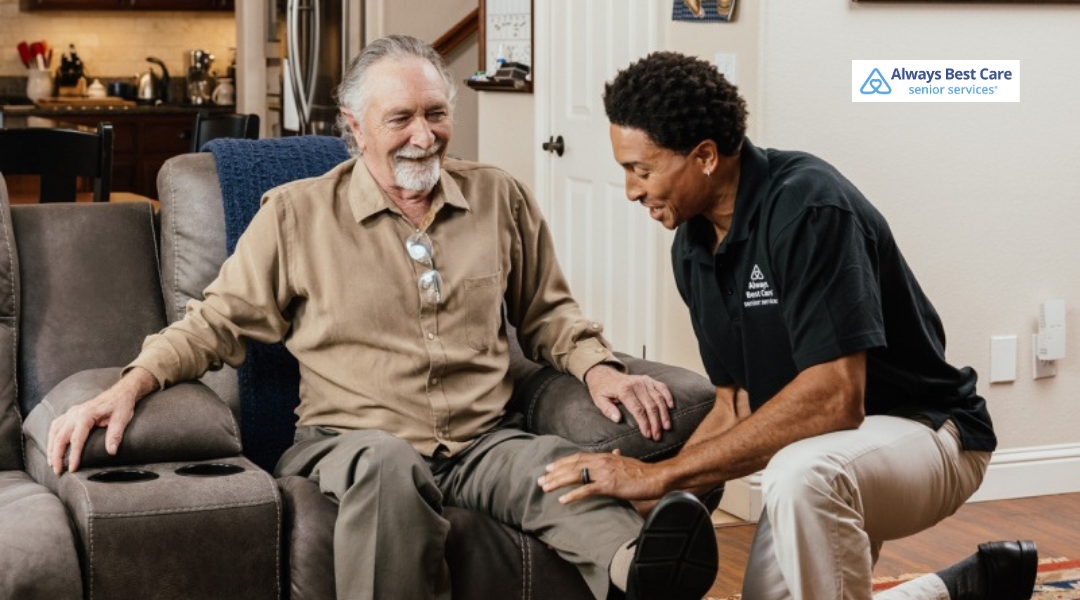
Every 40 seconds, someone in the United States has a stroke. For older adults, the consequences can be especially severe, affecting mobility, speech, memory, and the ability to live independently. The good news is that up to 80% of strokes are preventable. With the right daily habits and proactive health management, seniors can meaningfully reduce their risk and maintain a high quality of life.
What you will learn:
- Why stroke risk increases with age, and how conditions like high blood pressure, diabetes, and high cholesterol make seniors more vulnerable.
- The key healthy habits that protect brain and heart health include movement, nourishing foods, and smart daily routines.
- How compassionate caregiving support in Studio City helps seniors stay consistent with prevention habits and maintain independence at home.
Table of Contents
Why Stroke Risk Rises with Age
Aging naturally changes the cardiovascular system. Blood vessels become less flexible, blood pressure tends to rise, and the heart may work less efficiently. These changes, combined with chronic conditions that become more common with age, create a higher baseline risk for stroke.
The most significant risk factors for seniors include:
- High blood pressure: the single leading cause of stroke
- Type 2 diabetes: damages blood vessels over time
- High cholesterol contributes to arterial plaque buildup
- Atrial fibrillation: an irregular heartbeat that can cause clots
- A sedentary lifestyle reduces circulation and cardiovascular health
Understanding these risks is the first step toward addressing them.
Control Blood Pressure; It’s the Most Important Step
If there’s one number seniors should monitor closely, it’s blood pressure. Chronically elevated blood pressure puts constant stress on blood vessel walls, making them more vulnerable to rupture or blockage in the brain.
The target blood pressure for most seniors is below 130/80 mmHg, though individual goals may vary based on overall health. Practical ways to keep it in check include:
- Taking prescribed medications consistently and never skipping doses
- Reducing sodium intake, aim for less than 2,300 mg per day
- Limiting alcohol consumption
- Managing stress through relaxation techniques or light activity
- Scheduling regular checkups to track trends over time
Small, consistent actions add up. Even a modest reduction in blood pressure can significantly lower stroke risk.
Manage Diabetes with Precision
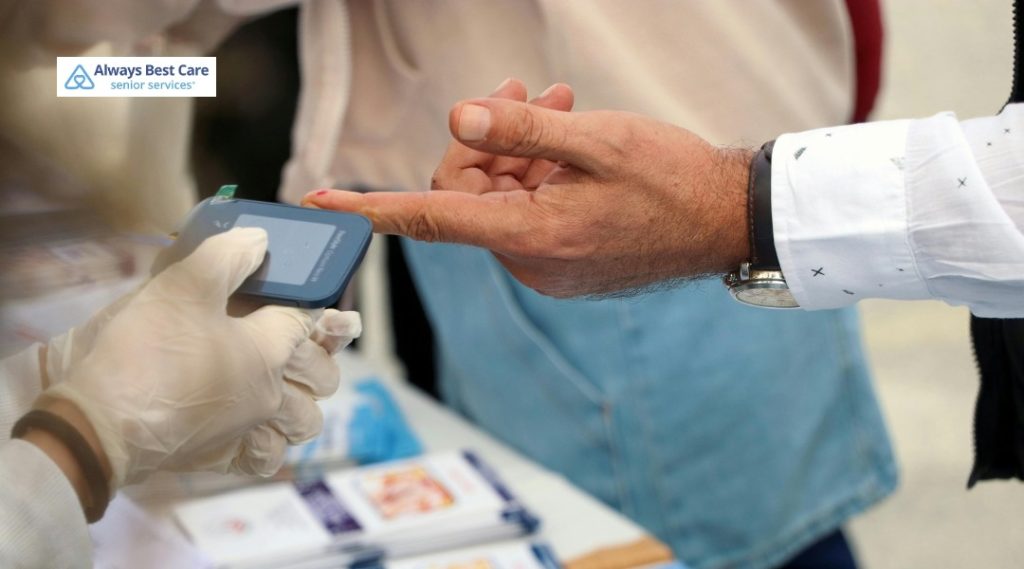
Diabetes accelerates damage to blood vessels throughout the body, including those supplying the brain. Seniors with poorly controlled blood sugar are at substantially higher risk for both ischemic and hemorrhagic stroke.
Effective diabetes management involves more than just taking medication. It requires:
- Monitoring blood glucose levels regularly and keeping a log
- Following a meal plan that limits refined sugars and processed carbohydrates
- Staying physically active to improve insulin sensitivity
- Attending regular appointments with an endocrinologist or primary care physician
When blood sugar is well-managed, the risk of stroke-related complications drops considerably.
Keep Cholesterol in a Healthy Range
High LDL cholesterol contributes to the buildup of plaque inside arterial walls. Over time, this narrows the arteries and restricts blood flow to the brain, a direct pathway to stroke.
Seniors can support healthy cholesterol levels by:
- Prioritizing heart-healthy foods: leafy greens, berries, oats, fatty fish, and nuts
- Replacing saturated fats (found in red meat and full-fat dairy) with unsaturated fats
- Following prescribed statin or cholesterol-lowering medication regimens
- Getting cholesterol levels checked at least once a year
Diet and medication together are often more effective than either approach alone.
Move More: Even Gentle Activity Makes a Difference
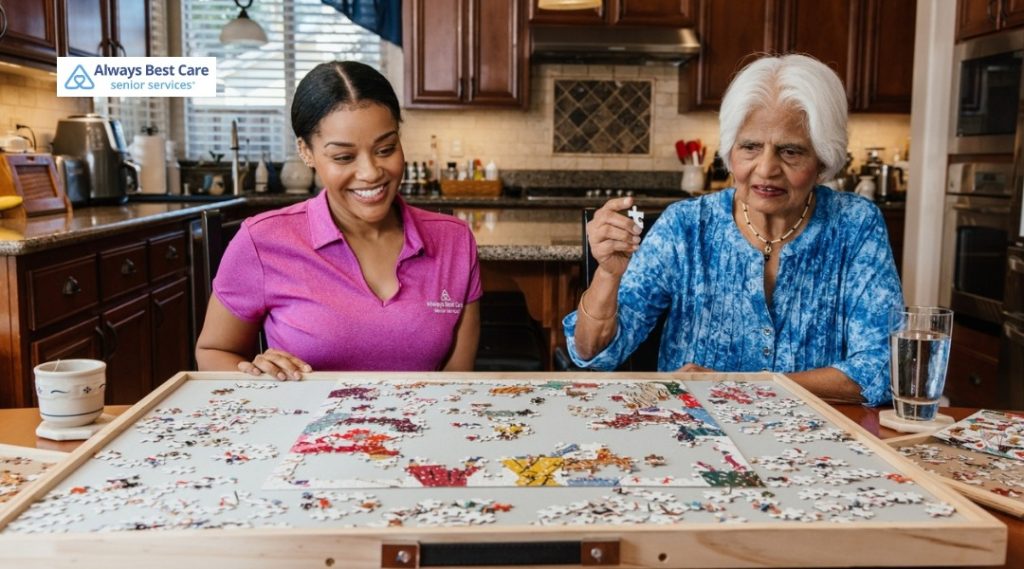
Physical activity is one of the most powerful tools for stroke prevention. Regular movement improves circulation, helps regulate blood pressure and blood sugar, supports a healthy weight, and reduces inflammation, all factors tied to stroke risk.
Seniors don’t need to run marathons to benefit. Consistent, moderate activity is what matters most:
- Daily walks of 20–30 minutes around the neighborhood or a local park
- Chair-based exercises for seniors with limited mobility
- Yoga or tai chi to improve balance, flexibility, and stress management
- Swimming or water aerobics for a low-impact cardiovascular workout
- Gardening as a gentle, purposeful form of movement
The goal is to reduce prolonged sitting and build movement into everyday routines.
Eat to Protect Your Brain
A nutrient-dense diet directly supports cardiovascular and brain health. The Mediterranean and DASH diets are both well-researched approaches that have been shown to reduce stroke risk in older adults.
Key dietary principles for seniors include:
- Eating a variety of colorful fruits and vegetables daily
- Choosing whole grains over refined carbohydrates
- Including lean proteins such as fish, legumes, and poultry
- Using olive oil as a primary fat source
- Cutting back on processed foods, added sugars, and excess sodium
- Staying well-hydrated throughout the day
Consistency matters more than perfection. Small, sustainable dietary changes over time yield meaningful health benefits.
The Role of Caregiving Support in Stroke Prevention
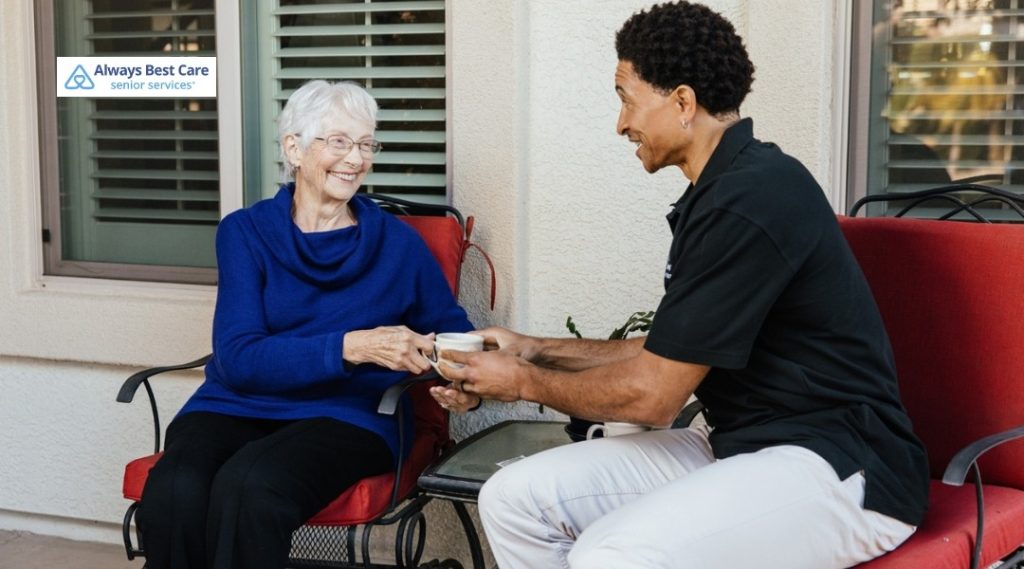
Maintaining healthy habits is easier with support. For seniors managing multiple health conditions or living alone, having a caregiver can make the difference between consistent healthy routines and a gradual decline.
Caregivers play a practical role in stroke prevention by:
- Preparing balanced, low-sodium meals tailored to dietary needs
- Accompanying seniors on daily walks or exercise activities
- Tracking medications and ensuring doses are taken on schedule
- Monitoring for warning signs such as sudden confusion, vision changes, or weakness
- Coordinating transportation to medical appointments
At Always Best Care of Studio City, our caregivers are trained to support seniors in building and maintaining the daily habits that protect long-term health.
Frequently Asked Questions
Q: What are the early warning signs of a stroke?
A: The FAST acronym is a helpful guide: Face drooping, Arm weakness, Speech difficulty, Time to call 911. Other symptoms include sudden vision changes, severe headache, dizziness, or loss of balance. If any of these occur, seek emergency care immediately.
Q: At what age does stroke risk increase significantly?
A: Stroke risk increases with age, but the risk roughly doubles every decade after age 55. Seniors over 65 account for the majority of stroke cases in the U.S., making prevention especially important in this age group.
Q: Can stroke be prevented if there is a family history?
A: A family history of stroke does increase risk, but it doesn’t make stroke inevitable. Lifestyle modifications, managing blood pressure, staying active, eating well, and avoiding smoking, can significantly offset genetic risk factors.
Q: How does smoking affect stroke risk?
A: Smoking nearly doubles the risk of ischemic stroke. It damages blood vessel walls, raises blood pressure, and promotes clot formation. Quitting smoking at any age reduces stroke risk, with benefits beginning almost immediately.
Q: Is it safe for seniors to exercise if they have heart disease or high blood pressure?
A: In most cases, yes, but it’s important to consult a physician before starting a new exercise routine. Low-impact activities like walking, swimming, and chair exercises are generally well-tolerated and beneficial for seniors with cardiovascular conditions.
Q: How can Always Best Care help with stroke prevention?
A: Our caregivers provide hands-on support with meal preparation, medication reminders, physical activity, and health monitoring. We work alongside families and healthcare providers to help seniors maintain the routines that reduce stroke risk and support independence.
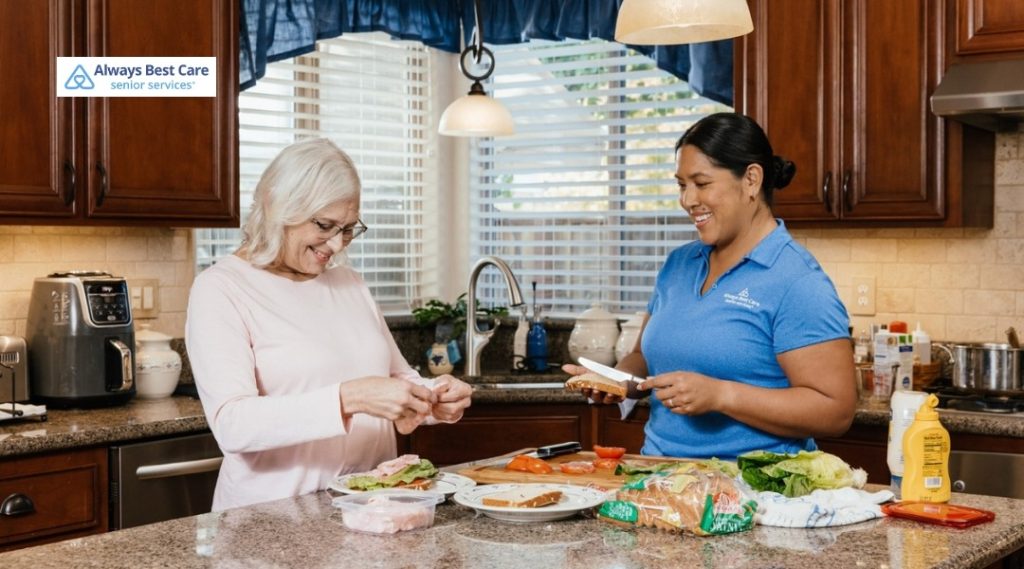
Protecting brain health, one small, loving habit at a time
Protecting brain health starts with everyday choices. At Always Best Care of Studio City, we’re here to help your loved one build a lifestyle that supports long-term wellness.
Call us today at (818) 572-2799 to schedule a care consultation and learn how we can help.
Link to the Markdown File version of the article