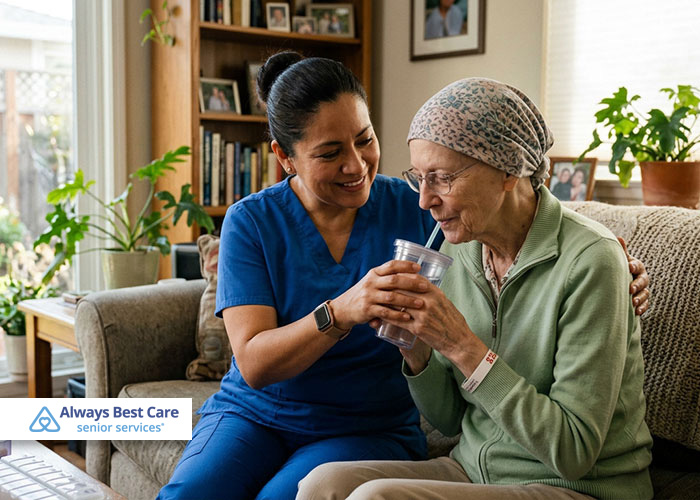

Helping Upper BuxMont Seniors Through Chemotherapy at Home

When an older loved one begins chemotherapy, families often find themselves adjusting to new responsibilities. Beyond medical appointments, treatment may affect everyday routines, energy levels, eating habits, and emotional well-being.
For seniors living in Upper BuxMont and surrounding Pennsylvania communities, these changes can make familiar activities more challenging. Preparing meals, managing household tasks, attending appointments, and maintaining social connections may require additional assistance.
Families can make a meaningful difference by understanding the challenges chemotherapy may bring and providing support that respects their loved one’s preferences and independence. With thoughtful planning and dependable assistance, seniors can focus more of their energy on treatment and recovery.
Table of Contents
Managing Fatigue and Changing Energy Levels
Chemotherapy-related fatigue is often different from ordinary tiredness. Some older adults may wake up feeling exhausted despite sleeping through the night, while others may notice that routine activities require considerably more effort.
Energy levels may also fluctuate throughout treatment. A senior who feels comfortable completing household tasks one day may need additional rest the next.
Rather than encouraging older adults to maintain their previous schedules, families can help them adjust daily activities according to their comfort and abilities.
Making Everyday Activities Less Demanding
Small adjustments can help conserve energy without unnecessarily limiting independence.
- Assist with physically demanding household chores.
- Divide larger responsibilities into shorter, manageable activities.
- Schedule essential tasks during periods of better energy.
- Keep frequently used items within easy reach.
- Allow time for rest between activities.
When approved by the healthcare team, gentle physical movement may also help seniors remain engaged in daily life.
The goal is to provide practical support while allowing older adults to participate in activities they can comfortably manage.
Supporting Healthy Eating During Chemotherapy
Chemotherapy can affect appetite, taste, and sensitivity to certain foods. Some seniors may experience nausea, mouth discomfort, or changes in digestion that make eating more difficult.
Maintaining proper nutrition is important during chemotherapy, although dietary needs may change throughout treatment.
Families can help by offering smaller meals throughout the day rather than expecting their loved one to finish large portions.
Adjusting Meals to Individual Preferences
Preparing familiar foods in manageable portions may make mealtimes feel less overwhelming. Keeping suitable snacks available can also help when appetite varies throughout the day.
Families may need to adjust food textures, temperatures, or preparation methods based on the senior’s comfort and healthcare recommendations.
Assistance with grocery shopping and meal preparation can be especially valuable when fatigue makes cooking difficult.
Because nutritional needs vary during cancer treatment, families should follow guidance from the oncology team or registered dietitian, particularly when a senior experiences ongoing weight loss, difficulty swallowing, or reduced food intake.

Encouraging Proper Hydration Throughout Treatment
Staying hydrated can become challenging for older adults undergoing chemotherapy. Nausea, changes in taste, and reduced thirst may make drinking fluids less appealing.
Families can encourage regular fluid intake by keeping approved beverages nearby and offering small amounts throughout the day.
Water-rich foods may also contribute to hydration when appropriate for the senior’s treatment plan.
However, certain medical conditions require individualized fluid recommendations. Families should follow the healthcare team’s instructions rather than assuming every senior needs the same amount of fluid.
If an older adult cannot keep fluids down, becomes unusually dizzy or confused, or shows possible signs of dehydration, contact their healthcare provider promptly.
Organizing Medical Appointments and Transportation in Upper BuxMont
Chemotherapy often involves more than scheduled treatment sessions. Blood tests, scans, consultations, pharmacy visits, and follow-up appointments can quickly become part of a senior’s regular schedule.
For older adults living in Upper BuxMont communities, traveling to medical facilities may become more challenging when fatigue, weakness, or medication side effects affect their ability to drive.
Planning transportation and organizing appointments in advance can help reduce unnecessary stress.
Creating a More Manageable Appointment Routine
Families can use the following steps to stay organized:
- Maintain a shared calendar. Record treatment sessions, laboratory appointments, and follow-up visits.
- Arrange transportation early. Confirm who will accompany the senior, especially on treatment days.
- Prepare questions beforehand. Write down symptoms, concerns, and topics to discuss with healthcare professionals.
- Keep essential information accessible. Organize medication lists, appointment instructions, and important healthcare contacts.
Having a trusted companion attend appointments may also help seniors remember instructions and feel more comfortable during medical discussions.
Reducing Infection Risks During Chemotherapy
Certain chemotherapy medications can weaken the immune system, increasing vulnerability to infections.
The level of risk depends on the treatment being received and the senior’s overall health. Families should follow the oncology team’s specific recommendations for infection prevention.
Maintaining a Cleaner Home Environment
Everyday precautions may help reduce unnecessary exposure to germs.
Families can encourage regular handwashing, clean frequently touched surfaces, follow food safety recommendations, and avoid close contact with people who are sick.
Keeping household spaces organized can also make daily cleaning and caregiving responsibilities easier to manage.
Most importantly, families should understand which symptoms require urgent medical attention. A fever during chemotherapy can be a medical emergency. Contact the oncology team immediately and follow its instructions rather than waiting for symptoms to improve.

Providing Emotional Support During Cancer Treatment
Chemotherapy can affect emotional well-being as well as physical health. Older adults may worry about their diagnosis, feel frustrated by changes in independence, or experience uncertainty about their ongoing treatment.
Some seniors may also feel uncomfortable asking for assistance, particularly if they have spent years managing their daily responsibilities independently.
Families can help by listening without judgment and allowing their loved ones to remain involved in decisions about their care.
Maintaining Familiar Activities and Connections
Emotional support does not always require elaborate activities. Watching a favorite television program, sharing a conversation, enjoying music, or spending time outdoors when appropriate can provide meaningful companionship.
Regular communication with relatives and friends may also help seniors feel connected during treatment.
If a loved one experiences persistent sadness, anxiety, withdrawal, or hopelessness, encourage them to discuss these concerns with their healthcare provider.
Sharing Caregiving Responsibilities with Additional Support
Supporting an older loved one through cancer treatment can require considerable time and energy. Family members may need to coordinate appointments, prepare meals, manage household responsibilities, and provide companionship while balancing work and other commitments.
Over time, these responsibilities can become overwhelming.
Recognizing when additional assistance would be helpful allows families to provide more consistent support without placing every responsibility on one person.
Understanding Common Daily Support Needs
The following table highlights challenges seniors may experience during chemotherapy and practical ways families can respond.
| Daily Challenge | Practical Support |
| Persistent fatigue | Assist with household chores and allow additional rest |
| Reduced appetite | Prepare suitable meals and help with grocery shopping |
| Transportation difficulties | Coordinate rides to medical appointments |
| Household responsibilities | Assist with laundry, cleaning, and errands |
| Emotional concerns | Provide companionship and meaningful activities |
| Changing independence | Adjust assistance according to abilities and preferences |
Support needs may change throughout treatment. Families can reassess responsibilities regularly and communicate with their loved one’s healthcare team when new concerns arise.
How Always Best Care Senior Services of Upper BuxMont Supports Seniors During Chemotherapy
At Always Best Care Senior Services of Upper BuxMont, we understand that older adults undergoing chemotherapy may experience changes in their energy levels, appetite, and ability to manage everyday responsibilities. Maintaining familiar routines can become more challenging when treatment-related fatigue or discomfort affects daily activities.
Our caregivers provide personalized nonmedical assistance that complements the medical care and recommendations provided by healthcare professionals. By focusing on practical support and individual preferences, we help seniors remain comfortable and independent in familiar surroundings.
Practical Assistance with Household Tasks and Personal Care
Chemotherapy can make everyday responsibilities feel more demanding, particularly on days when seniors experience fatigue or need additional rest. Having dependable assistance with routine activities can help older adults conserve energy and focus on their comfort.
Depending on individual needs, care plans, and service availability, our caregivers can assist with:
- Meal Preparation: Preparing familiar meals and snacks according to personal preferences and dietary guidance from healthcare professionals.
- Light Housekeeping: Helping with laundry, washing dishes, organizing household items, and maintaining comfortable living spaces.
- Medication Reminders: Providing reminders based on established medication schedules without changing dosages or offering medical advice.
- Transportation Assistance: Helping seniors attend treatment appointments, follow-up visits, and other essential destinations when transportation services are available.
- Grocery Shopping and Errands: Purchasing groceries, picking up household essentials, and completing routine errands to reduce physical demands.
- Personal Care Assistance: Offering respectful help with bathing, dressing, grooming, and other everyday activities while encouraging independence.
These services help reduce the burden of household responsibilities, allowing seniors to conserve energy for rest, recovery, and activities they enjoy.
Companionship and Flexible Support as Care Needs Change
Chemotherapy can also affect a senior’s emotional well-being and opportunities for social interaction. Some older adults may feel isolated when fatigue or treatment schedules limit their usual activities.
Our caregivers offer meaningful companionship through friendly conversations, reading, shared hobbies, and other enjoyable activities that match each senior’s interests and energy levels.
We also recognize that assistance needs may change throughout the treatment journey. Some seniors may benefit from occasional visits, while others may require more consistent help with daily responsibilities.
Flexible care arrangements allow families to discuss changes in support needs as treatment progresses, while caregivers continue respecting established routines and personal preferences.
For family members balancing caregiving responsibilities with work and other commitments, dependable in-home assistance can provide additional reassurance that their loved ones have support when needed.
At Always Best Care Senior Services of Upper BuxMont, our goal is to help older adults maintain comfort, dignity, and independence throughout their chemotherapy journey. Through compassionate companionship and personalized assistance with everyday activities, we strive to make daily routines more manageable while providing families with valuable peace of mind.
Helping Upper BuxMont Seniors Feel Supported Throughout Treatment
Chemotherapy can bring unexpected changes, but families do not have to manage every daily responsibility alone.
Meaningful support may involve preparing a favorite meal, arranging transportation, keeping the home comfortable, or simply spending time together.
The most effective approach often involves remaining flexible, communicating openly, and responding thoughtfully to changing needs.
At Always Best Care Senior Services of Upper BuxMont, we believe seniors deserve compassionate assistance that supports their comfort, dignity, and independence throughout treatment.
If your loved one needs additional assistance at home during chemotherapy, call Always Best Care Senior Services of Upper BuxMont at (267) 893-4799 to discuss personalized in-home care options and schedule a care consultation.