
Scammers are getting bolder, sneakier, and, frankly, pretty good at what they do. Older adults in Vacaville are often in the crosshairs because they’re seen as trusting, financially stable, and sometimes less familiar with new technology. That combo can make seniors prime targets for schemes that drain savings and cause a lot of heartache.
The upside? Once we know how these senior scams work and what red flags to watch for, we’re in a much stronger position to keep our loved ones safe. Awareness isn’t just helpful—it’s one of the best shields we’ve got.
What you will learn:
- Why our precious older adults are so frequently targeted, and the most common sneaky tricks scammers are using in Vacaville.
- The telltale red flags and warning signs that will help you spot a scam before it causes any harm.
- Heartwarming, proactive ways your family and dedicated in-home caregivers can team up to build a wonderful protective shield around your cherished relatives.
- Gentle, clear action steps to take with love and confidence if you ever suspect a scammer has contacted your sweet family member.
Table of Contents
Why Seniors in Vacaville Are Often Targeted
Scammers rarely strike at random. They look for people they think they can pressure or confuse. Many seniors fit that profile for a few key reasons:
- More trusting or polite with strangers – Many older adults were raised to be courteous and may hesitate to hang up or say “no.”
- Stable finances – Savings, pensions, or retirement income can look like an easy payday to criminals.
- Living alone – Isolation can make it easier for scammers to build fake “relationships” or tell convincing stories.
- Less comfortable with technology – New gadgets, apps, and online systems can be confusing, which scammers happily exploit.
Put all that together, and scammers see a chance to gain trust, spin a story, and push for money before anyone realizes what’s going on.

Common Senior Scams Affecting Loved Ones in Vacaville
Scammers constantly tweak their tactics, but the basic scams don’t change much. Once we recognize the patterns, it’s easier to shut them down.
Phone Scams
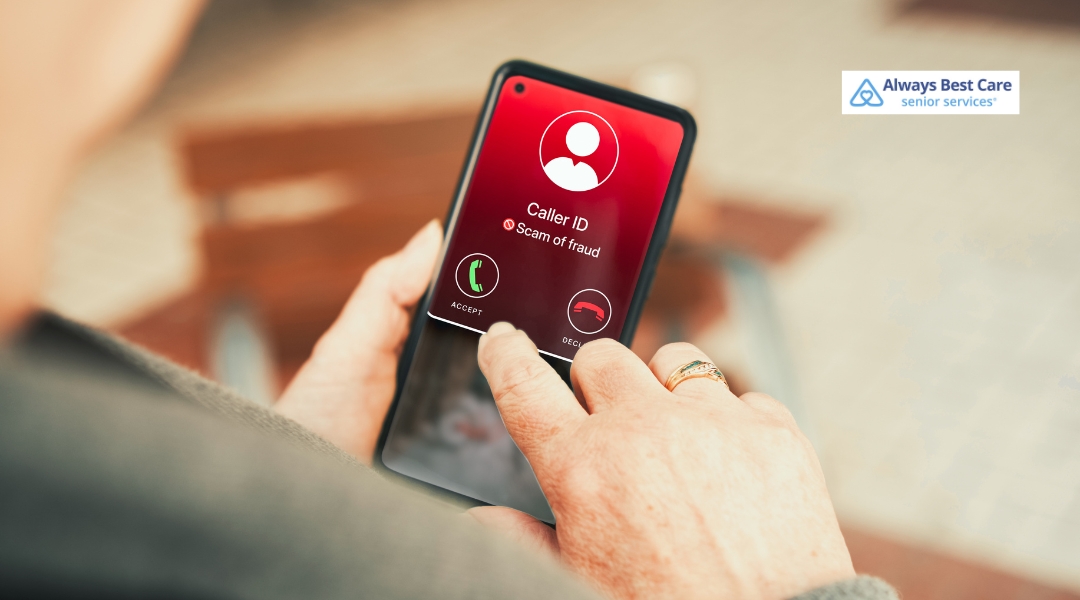
These calls often sound urgent and official. A scammer may pretend to be:
- A government agency
- A utility company
- A bank
- Or even a grandchild or relative “in trouble.”
They’ll usually:
- Demand immediate payment
- Ask for personal or financial information
- Use fear or pressure: “If you don’t act now, you’ll be fined/arrested/lose benefits.”
Any caller demanding instant action is a big red flag.
Email and Phishing Scams
Emails and texts can look surprisingly real. They might claim to be from:
- A bank or credit card company
- A healthcare provider
- A delivery company
- A well-known brand
Common signs of phishing:
- Links to “verify” accounts or “fix a problem.”
- Attachments that must be opened right away
- Slight misspellings in the email address or message
One careless click can open the door to stolen identities or hacked accounts.
Sweepstakes and Lottery Scams
This one can sound exciting at first: “You’ve won!”
The catch? The “winner” has to:
- Pay “processing fees” or “taxes” upfront
- Send money before any prize is released
Real prizes don’t require payment to claim. If someone has to pay first, it’s almost certainly a scam.
Romance Scams
These scams often start online, through social media or dating sites. The scammer:
- Builds a relationship over time
- Shows lots of affection and attention
- Eventually claims a crisis (medical bill, travel problem, emergency)
- Asks for money—sometimes repeatedly
Because emotions are involved, these scams can be especially painful and hard to talk about.
Tech Support Scams
A pop-up might flash on the screen saying, “Your computer is infected!” Or someone calls claiming to be from tech support.
They may:
- Ask for remote access to the computer
- Request payment for “repairs” or “protection plans.”
- Install harmful software instead of fixing anything
Legitimate companies don’t cold-call people to say their computer is infected.
Senior Scams: Warning Signs to Watch For
While scams come in many flavors, they tend to follow familiar scripts. Some classic warning signs include:
- Demands for immediate payment or urgent action
- Requests for payment via gift cards, wire transfers, or cryptocurrency
- Unsolicited calls, emails, or texts asking for personal or financial information
- Messages designed to stir up fear, panic, or guilt
- Instructions to keep the situation secret from family or friends
If something feels “off,” that gut feeling is worth listening to. Pausing to check with a trusted person can prevent a lot of damage.

How Families Can Help Protect Loved Ones in Vacaville
We don’t have to tackle senior scams alone. Families can do a lot to build a safety net around the seniors they love.
Simple Ways to Support and Protect
- Talk openly about scams
Share real examples, not just general warnings. The more specific, the better. - Encourage “pause and verify.”
Before sending money or sharing information, suggest a quick call to a trusted family member. - Review financial accounts regularly
Keep an eye out for unfamiliar charges, new accounts, or unusual withdrawals. - Set up call blocking and email filters
Reducing the number of scam attempts makes it easier to spot the dangerous ones. - Create a “no shame” policy
Make it clear that questions are welcome—and that anyone can be fooled. Shame keeps scams hidden; support brings them into the open.
The Role of In-Home Care in Preventing Senior Scams
Support at home isn’t just about bathing, meals, and rides. A steady, trusted presence can also help block scams before they take root.
At Always Best Care of Vacaville, we work side by side with families to help protect seniors from fraud and financial abuse. We:
- Help with screen phone calls and unexpected visitors
Caregivers can politely hang up on suspicious callers or turn away questionable visitors at the door. - Notice changes in behavior or money concerns
Sudden anxiety about bills, new “friends” asking for help, or hidden mail can all be clues that something’s wrong. - Provide companionship and reduce isolation
Seniors who feel connected and supported are less likely to lean on a stranger who shows up out of nowhere online or on the phone. - Encourage open communication with family
We remind seniors that it’s okay—actually, wise—to loop in family before making big or unfamiliar financial decisions.
By staying present, paying attention, and speaking up, we help lower the risk of seniors getting caught in senior scams.

What to Do If You Suspect a Scam
If a loved one in Vacaville may have been targeted—or has already sent money—acting quickly can help limit the damage.
Here’s a practical step-by-step approach:
- Contact the bank or card company right away
Ask to block or freeze accounts, reverse charges when possible, and flag suspicious activity. - Report the scam to local authorities
Filing a report with law enforcement or adult protective services can help protect others and build a record of what happened. - Monitor accounts closely
Watch for new withdrawals, new credit lines, or unusual changes. - Offer calm, non-judgmental support
Many seniors feel embarrassed or fearful after being tricked. Reassure them that scammers are professionals at lying and that speaking up is brave, not foolish. - Review safety steps together
Talk about how to handle future calls, emails, or requests—and set up safeguards so the same scam can’t succeed twice.
Protecting Seniors Starts with Awareness
Scams keep evolving, but the core protection stays the same: knowledge, connection, and support. Families who stay informed, talk openly, and check in regularly are already several steps ahead of most scammers.
At Always Best Care of Vacaville, we’re committed to helping seniors live safely and confidently at home. We don’t just support daily routines—we also keep an eye out for senior scams, unusual situations, and subtle signs that something isn’t right.
If your loved one could use extra support, companionship, and another layer of protection at home, we’re here to help.
FAQ: Senior Scams in Vacaville
Q: What’s the most common scam targeting seniors in Vacaville?
A: Phone scams and phishing messages are among the most common, especially those pretending to be from government agencies, banks, or family members needing urgent help.
Q: How can I talk to my loved one about scams without scaring them?
A: Focus on empowerment rather than fear. Share real examples, explain that anyone can be tricked, and encourage them to check with you before sending money or sharing information.
Q: Are seniors more likely to be scammed if they live alone?
A: Yes, isolation can make seniors more vulnerable. Scammers often look for people who don’t have someone regularly checking in with them.
Q: How can Always Best Care of Vacaville help protect my loved one from scams?
A: We help by screening calls and visitors, watching for warning signs, providing companionship, and encouraging open, ongoing communication with family about money and unusual requests.
Q: What should I do if money has already been sent to a scammer?
A: Contact the bank or card company immediately, report the scam to local authorities, monitor accounts closely, and support your loved one emotionally so they feel safe talking about what happened.

Protect Your Loved Ones from Senior Scams in Vacaville
Senior scams are frustrating, frightening, and sometimes devastating—but they’re not unbeatable. With clear information, honest conversations, and steady support, families can dramatically cut the risk of fraud.
We at Always Best Care of Vacaville are dedicated to standing alongside you and your loved ones, offering both practical help and attentive care at home. If you’re concerned about scams or simply want extra peace of mind, reach out to us at (707)306-8245 to schedule a care consultation and learn how we can help protect your loved one while supporting their independence and well-being.