How Vacaville Seniors with Chronic Conditions Are Staying Home and Thriving

Living at home is about more than convenience — it is about identity, comfort, and dignity. For seniors in Vacaville managing a chronic illness, the desire to stay home does not disappear when a diagnosis arrives. In fact, it often grows stronger.
The good news is that a chronic illness does not automatically mean a move to a facility. With the right in-home care support, many older adults can continue living safely and independently in the place they know best.
What you will learn:
- Why chronic illness creates daily challenges for seniors and how the right support keeps those challenges manageable.
- What in-home caregivers actually do to help your loved one stay safe, comfortable, and independent at home.
- How consistency in daily routines, from medications to meals, plays a powerful role in long-term health stability.
- The ways attentive caregivers catch early warning signs and provide the companionship that supports both physical and emotional well-being.
Table of Contents
When Chronic Illness Makes Daily Life More Demanding
Conditions like heart disease, diabetes, COPD, Parkinson’s, and arthritis are not short-term challenges. They require ongoing management, lifestyle adjustments, and consistent attention — day after day.
For many seniors, this creates a compounding effect. Physical limitations make household tasks harder. Fatigue sets in. Medication schedules become complex. Doctor appointments pile up. And through it all, the emotional weight of managing a long-term condition can quietly take a toll.
Common challenges seniors face include:
- Tracking multiple medications and treatment plans
- Reduced mobility or persistent pain
- Fatigue that limits everyday activity
- Increased fall risk
- Getting to and from medical appointments
- Feelings of isolation or anxiety
These challenges are real — but they are also manageable with the right support in place.
What In-Home Care Actually Does
In-home care is not about taking over. It is about filling the gaps so seniors can keep doing what they can, with help where they need it most.
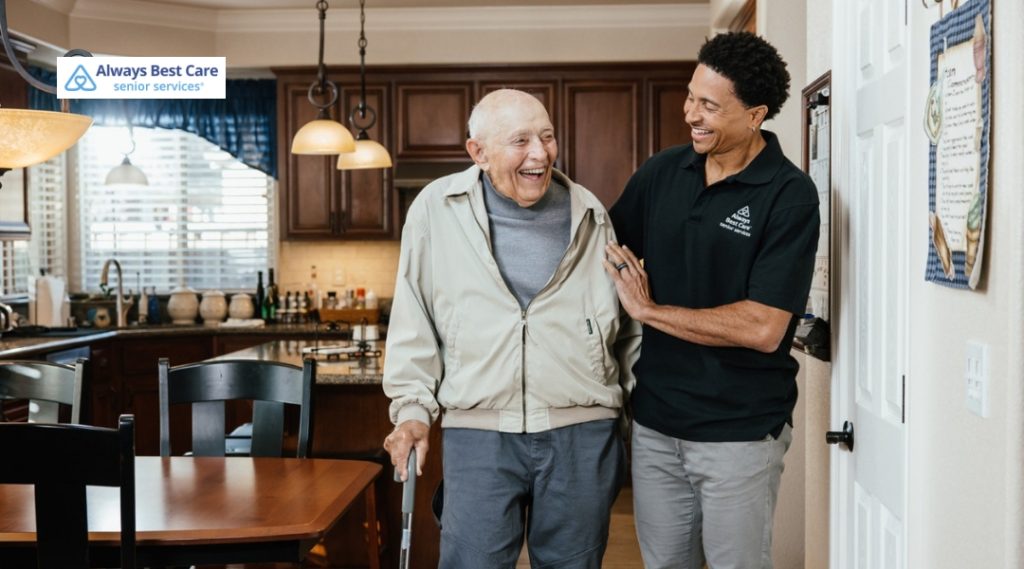
A caregiver works alongside a senior rather than replacing their independence. The goal is to reduce risk, maintain routine, and provide reliable support — all within the comfort of home.
Practical assistance typically includes:
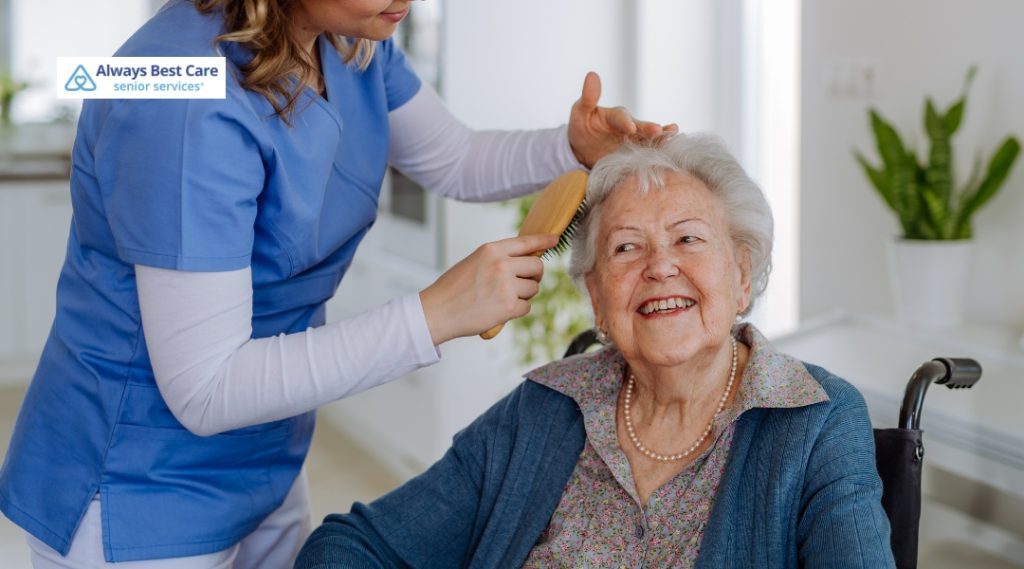
- Help with bathing, dressing, and personal hygiene
- Meal planning and preparation tailored to dietary needs
- Light housekeeping and laundry
- Grocery shopping and running errands
- Transportation to medical appointments
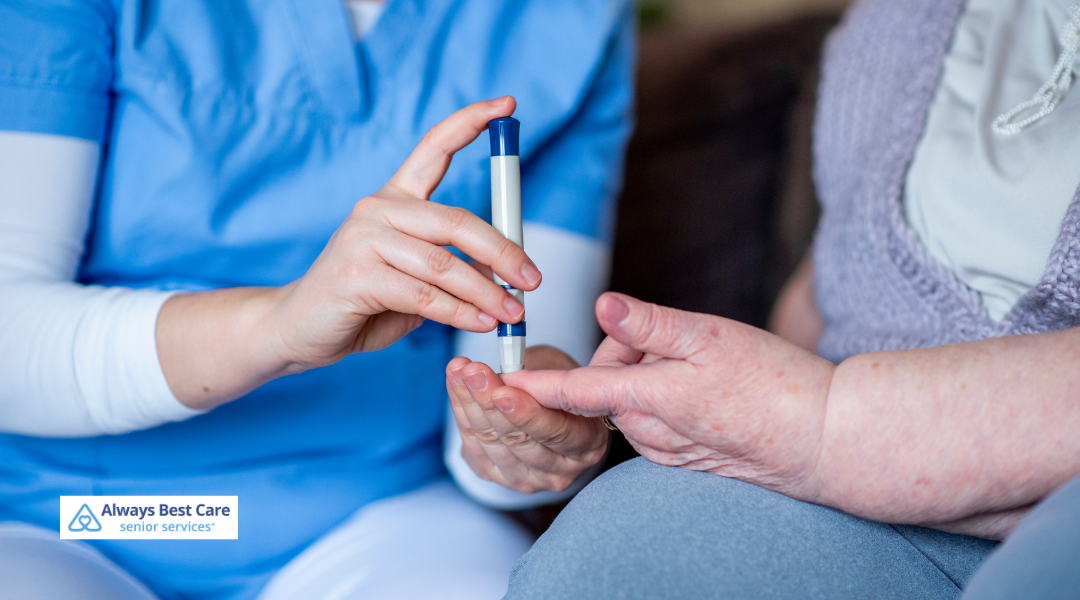
- Medication reminders to keep schedules on track
When these tasks are handled consistently, seniors conserve energy for what matters most — their health, their relationships, and their quality of life.
Consistency Is the Foundation of Chronic Illness Management
One of the most underappreciated aspects of managing a chronic illness is how much consistency matters. A missed dose, a skipped meal, or a cancelled follow-up appointment can have real consequences — sometimes leading to preventable hospitalizations.
In-home caregivers help seniors stay on track by building structure into the day. This includes:
- Following prescribed medication schedules
- Preparing balanced, nutritious meals
- Encouraging adequate hydration
- Supporting physician-approved physical activity
- Ensuring medical appointments are kept
Over time, these daily habits do not just manage symptoms — they support long-term stability and well-being.
Catching Problems Before They Escalate
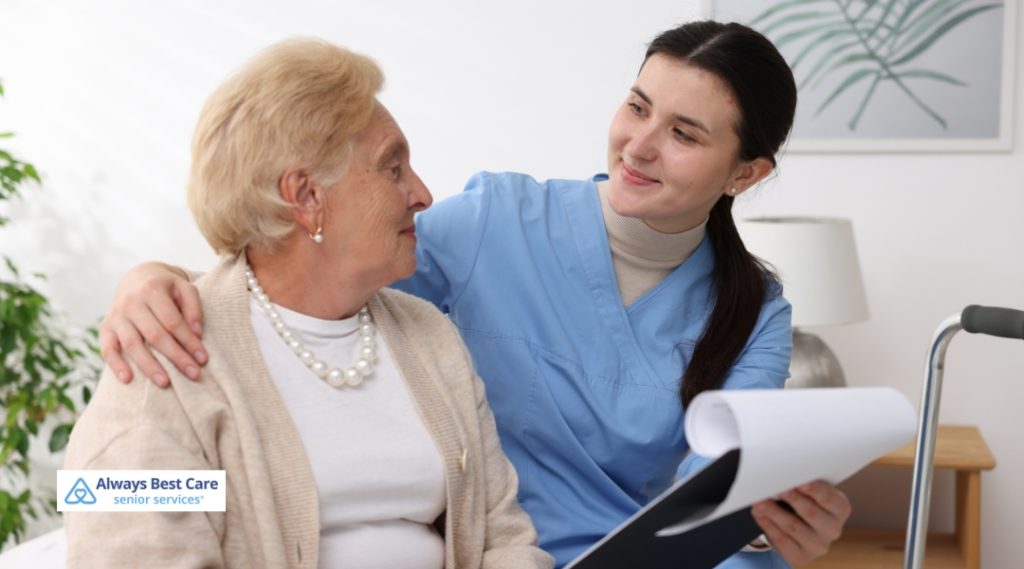
Seniors with chronic conditions are at higher risk for sudden health changes. A caregiver who is present regularly is often the first to notice when something is off — before it becomes an emergency.
Early warning signs caregivers are trained to watch for include:
- Decreased appetite or unexplained weight changes
- Increased fatigue or low energy
- Difficulty walking or new balance issues
- Shortness of breath
- Swelling in the legs or feet
- Confusion or changes in behavior
Catching these signs early allows families and healthcare providers to respond quickly — and often prevents a hospital readmission.
The Emotional Side of Aging with a Chronic Illness
Physical health and emotional health are deeply connected. Seniors adjusting to the limitations of a chronic illness often experience frustration, grief, or loneliness — feelings that are completely understandable but can worsen overall health outcomes if left unaddressed.
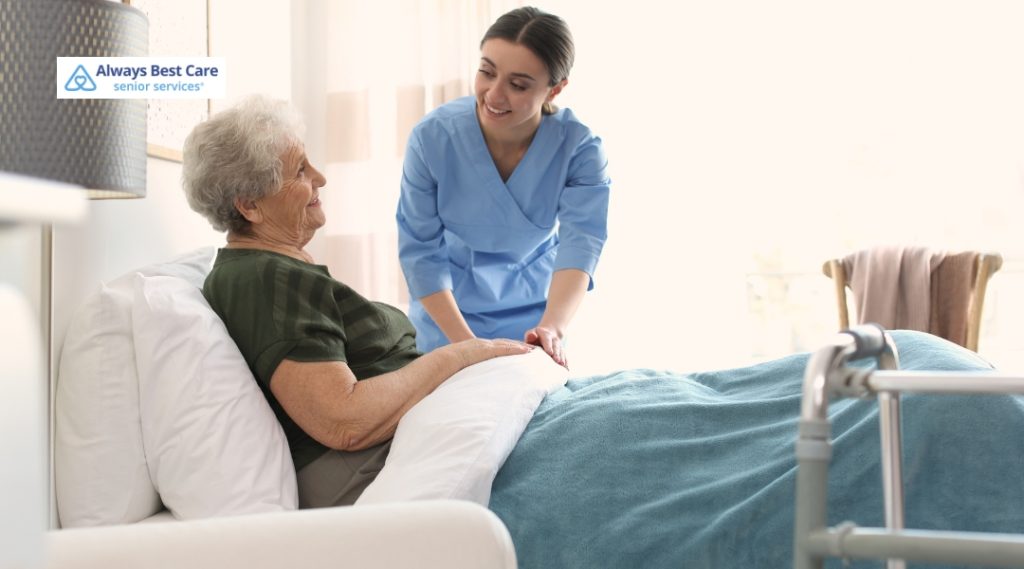
Companionship is a core part of what in-home caregivers provide. Having someone present — to share a meal, take a walk, or have a conversation — makes a meaningful difference in how seniors feel day to day.
For families, the peace of mind that comes from knowing a trusted professional is present cannot be overstated.
How Always Best Care of Vacaville Supports Seniors at Home
At Always Best Care of Vacaville, we take a personalized approach to every client. No two seniors are the same, and no two care plans should be either. Our caregivers work closely with families to understand each person’s health needs, daily routines, and personal goals.
Whether your loved one is managing diabetes, recovering from a stroke, living with COPD, or navigating multiple conditions at once, our team provides compassionate, consistent support — so they can remain safe, comfortable, and independent at home.
From medication reminders and meal preparation to companionship and transportation, we are here for the full picture.
Independence Is Still Possible
A chronic illness changes things — but it does not have to change where a senior calls home. With the right care in place, aging in place is not just a wish. It is a realistic, sustainable option.
If your loved one in Vacaville is living with a chronic illness and could benefit from in-home support, Always Best Care of Vacaville is ready to help.
Call us at (707)306-8245 to schedule a care consultation and learn how our team can help your loved one stay safe, confident, and independent at home.
Frequently Asked Questions
Q: What types of chronic illnesses can in-home care support?
A: In-home care can support a wide range of conditions, including heart disease, diabetes, COPD, Parkinson’s disease, arthritis, and stroke recovery. Caregivers are not medical professionals, but they provide consistent daily support that helps seniors manage their routines, follow care plans, and stay safe at home.
Q: How is in-home care different from assisted living?
A: In-home care allows seniors to remain in their own homes while receiving personalized support. Assisted living involves relocating to a facility. Many families find that in-home care offers a more comfortable, cost-effective option — especially for seniors who are medically stable but need help with daily tasks.
Q: Will a caregiver take over my loved one’s independence?
A: No. The goal of in-home care is to preserve independence, not replace it. Caregivers step in where help is needed and encourage seniors to do as much as they comfortably can on their own. The approach is collaborative, not controlling.
Q: How do I know if my loved one needs in-home care?
A: Signs that in-home care may be beneficial include missed medications, difficulty with personal hygiene, skipped meals, increased risk of falls, trouble getting to appointments, or noticeable changes in mood or behavior. A care consultation can help assess the level of support needed.
Q: Can in-home care help reduce hospital readmissions?
A: Yes. Consistent caregiver presence helps catch early warning signs — such as changes in appetite, mobility, or behavior — before they escalate. This proactive monitoring, combined with support for medication and appointment adherence, can significantly reduce the risk of preventable hospitalizations.
Link to the Markdown File version of this article.