

Early Signs of Stroke in Worcester: What to Watch For and When to Call 911

A stroke doesn’t always kick the door down with dramatic symptoms. Sometimes it slips in sideways, one weird sentence, one droopy smile, one “I’m fine” that doesn’t sound fine. And in that split second, families tend to do what humans do best under stress: hesitate.
If you’re trying to protect someone you love, knowing the early signs of stroke in Worcester can make all the difference. This guide is here to help you recognize red flags, act fast, and feel a little steadier if an emergency ever lands in your lap.
What you will learn:
- The early warning signs of stroke in Worcester include subtle red flags that are easy to brush off.
- How to use FAST and BE FAST to spot possible stroke symptoms quickly and confidently.
- When to call 911 right away, even if symptoms seem mild or go away briefly.
- What to do in the moment and how supportive in-home care can help families after the hospital.
Table of Contents
Early Signs of Stroke in Worcester: The Red Flags People Miss
Most people know about the classic signs: face drooping, arm weakness, and slurred speech. But strokes can start with subtler clues that are easy to brush off as “tired,” “off today,” or “maybe it’s the flu.”
A stroke can cause sudden changes in how someone moves, speaks, sees, or thinks. The keyword is sudden. If it shows up out of nowhere, treat it like it matters, because it does.
Common early signs include:
- A lopsided smile or numbness on one side of the face
- Weakness, heaviness, or numbness in one arm or leg
- Slurred speech, strange word choices, or trouble understanding you
- Sudden confusion, spacing out, or acting “not like themselves.”
- Dizziness, poor balance, or walking like they’re on a boat
- Vision problems, like blurriness, double vision, or sudden loss of sight
- A sudden, severe headache that feels unusual or intense

Remember FAST (and BE FAST) Without Overthinking It
Here’s the simple memory trick that’s saved lives: FAST. And yes, there’s an upgraded version called BE FAST that helps catch more warning signs.
FAST stands for:
- F: Face — Ask them to smile. Is one side drooping?
- A: Arms — Ask them to raise both arms. Does one drift down?
- S: Speech — Ask them to repeat a short sentence. Is it slurred or strange?
- T: Time — If you see any of these, it’s time to call 911.
BE FAST adds:
- B: Balance — Sudden dizziness or trouble walking
- E: Eyes — Sudden vision changes
If you’re standing there thinking, “Is this really a stroke?”, that’s exactly when you call. You don’t need certainty. You need speed.
When to Call 911 in Worcester (Even If You’re Not 100% Sure)
Let’s make this easy: if stroke symptoms are sudden, call 911. Full stop. Don’t wait for a second round of symptoms. Don’t “check in after lunch.” Don’t drive them yourself unless you’ve been told to by emergency professionals.
Call 911 right away if:
- Symptoms started suddenly, even if they seem mild
- Symptoms come and go (that can still be serious)
- One side of the body looks weaker, droopier, or less coordinated
- Speech changes show up out of nowhere
- You have a gut feeling something’s wrong
And here’s the sneaky part: some people improve quickly, and everyone relaxes. That can be a TIA (a “mini-stroke”), and it’s still an emergency.
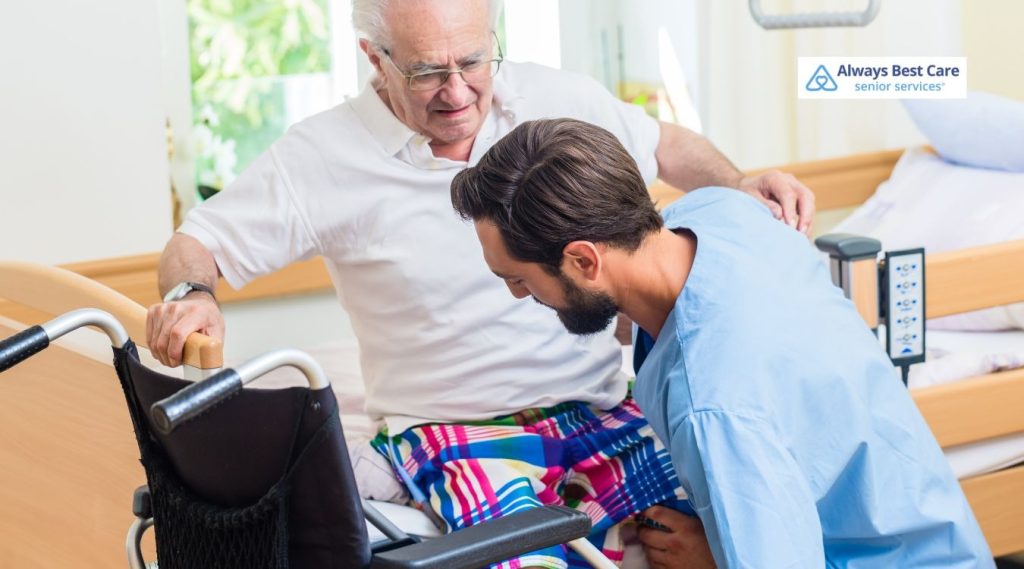
What to Do While You’re Waiting for Help
In the chaos of the moment, it helps to have a tiny plan. Keep it simple and practical, no hero moves required.
Here’s what to do:
- Note the exact time symptoms started (or the last time they were “normal”)
- Keep them safe and seated to reduce fall risk
- Loosen tight clothing around the neck if needed
- Gather a short list of medications and medical history if it’s easy to do
- Stay calm and keep talking to them in a steady voice
What not to do?
- Don’t offer food, drinks, or pills “just in case”
- Don’t let them lie down and “sleep it off”
- Don’t waste time calling multiple family members before calling 911
TIA: The “Warning Stroke” You Shouldn’t Brush Off
A TIA (transient ischemic attack) can look like a stroke, then fade, sometimes within minutes. That’s exactly why it’s dangerous. It’s like a fire alarm that shuts off on its own… and you’re still standing in the smoke.
If symptoms disappear quickly, call 911 anyway. A TIA can be a warning sign that a bigger stroke may be on the way.
Stroke Look-Alikes: Why It’s Still Safer to Treat It as an Emergency
Some conditions can mimic stroke symptoms, such as low blood sugar, migraines with aura, vertigo, seizures, and even medication side effects. But here’s the thing: you can’t diagnose that in your living room. Emergency teams can.
So if it looks like a stroke, act like it’s a stroke. Better to feel a little embarrassed than risk a life-changing delay.
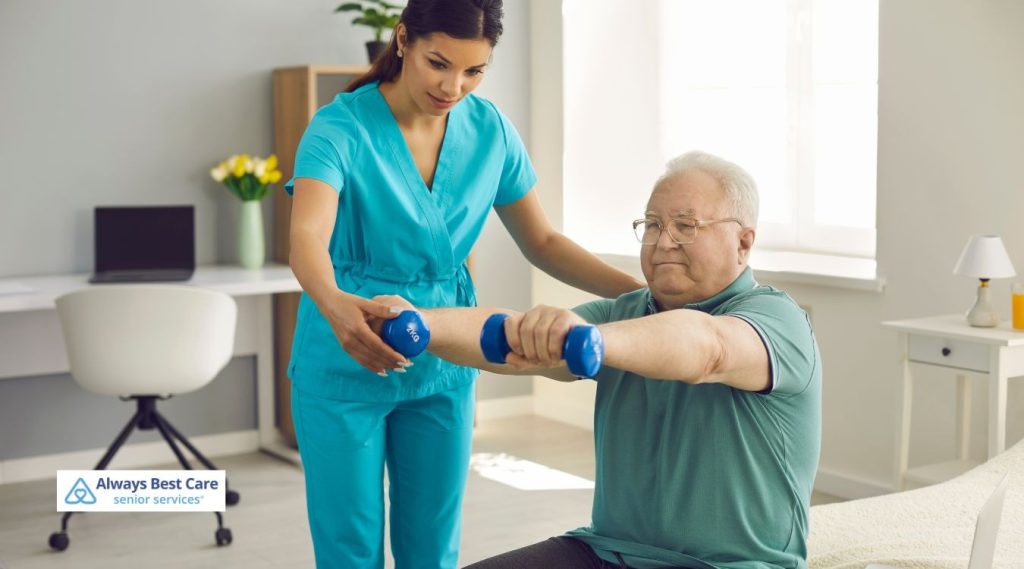
After the Hospital: Support That Makes Recovery Less Overwhelming
Once the emergency passes, real life returns… but it’s different. Recovery can include fatigue, mobility changes, new medications, therapy routines, and a big emotional swing for everyone involved. Families often find themselves juggling appointments, safety concerns, and constant worry.
That’s where in-home support can make the day-to-day feel more manageable.
Always Best Care of Worcester can help with practical needs like safe routines at home, medication reminders, meal support, transportation to follow-ups, and companionship that keeps seniors from feeling isolated during recovery.
Frequently Asked Questions
Q: What are the earliest stroke symptoms to watch for?
A: Early symptoms can include sudden face drooping, arm weakness, slurred speech, confusion, balance problems, vision changes, or an unusually severe headache. Sudden is the biggest clue.
Q: Should I call 911 if stroke symptoms go away?
A: Yes. Symptoms that improve quickly can be a TIA, which is a serious warning sign. Calling 911 is still the safest move.
Q: Can a stroke happen without pain?
A: Absolutely. Many strokes aren’t painful. That’s why signs like speech changes, weakness, and confusion matter so much.
Q: What should I say to 911 during a suspected stroke?
A: Share the symptoms you’re seeing and the exact time they started (or the last time the person seemed normal). That timing helps guide emergency care.
Q: How can families reduce stroke risk over time?
A: Staying on top of blood pressure, cholesterol, diabetes management, medication routines, regular checkups, and healthy daily movement can help reduce risk. A doctor can help personalize prevention based on history.

Get the Support Your Family Needs After a Stroke Scare
Strokes can be scary, messy, and fast, no sugarcoating it. But knowing the early signs of stroke in Worcester gives you something powerful in a stressful moment: direction.
If symptoms are sudden, call 911. If you’re unsure, call anyway. Time truly matters.
And if your family needs support after the hospital, help with routines, safety, transportation, or simply having another steady person in the mix, Always Best Care of Worcester is here to help. Call (508) 978-6307 to learn more or schedule a free consultation.