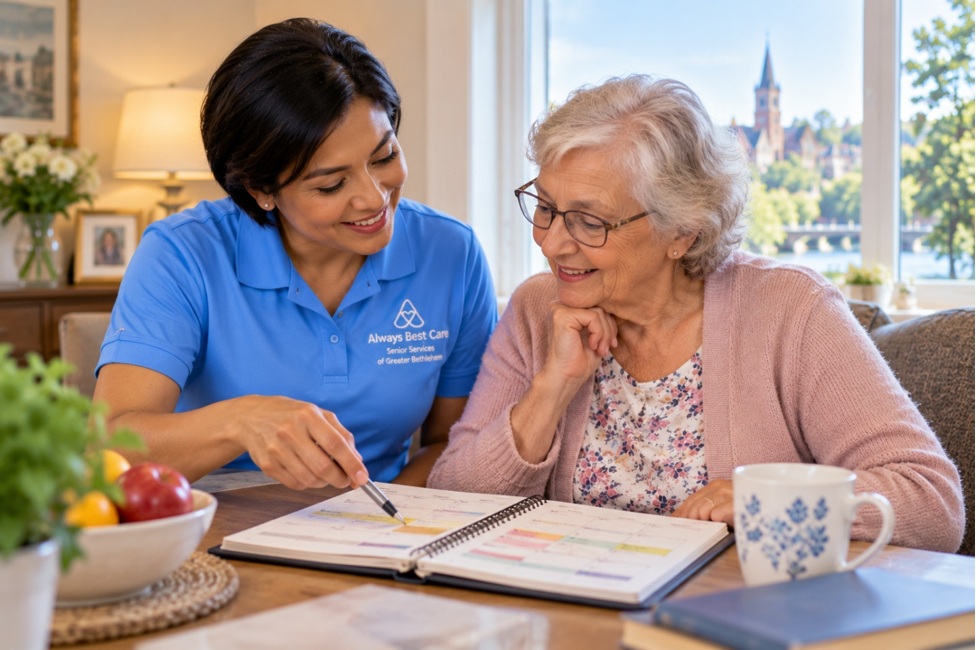

When Is It Time to Consider Memory Care Support?

Memory changes can develop gradually, making it difficult for families to determine when additional assistance may be necessary. For families exploring Palmer Township, PA home care services, understanding how cognitive changes affect daily routines, personal care, communication, and home safety can help identify when more focused dementia support may be beneficial.
Recognizing these changes does not automatically mean a senior must leave their home. With appropriate assistance, some older adults experiencing memory-related challenges can continue enjoying familiar surroundings and participating in meaningful daily activities.
At Always Best Care Senior Services of Greater Bethlehem, we provide personalized in-home care designed around each senior’s abilities, preferences, and changing needs. Our dementia care services focus on supporting everyday routines while helping families navigate the challenges associated with memory loss.
Table of Contents
Recognizing Changes in Familiar Daily Routines
Occasional forgetfulness does not necessarily indicate dementia or an immediate need for specialized care. However, families may become concerned when memory or cognitive changes repeatedly interfere with activities that were previously manageable.
A loved one might begin forgetting regular meals, struggling to follow familiar routines, or becoming confused while completing household responsibilities.
Recognizing patterns can help families determine when to consult a healthcare professional and consider additional support.
What Early Changes Should Families Watch For?
Memory-related difficulties may appear differently from one person to another. Families can begin by observing whether changes are becoming more frequent or affecting several areas of daily life.
Common changes worth discussing with a healthcare professional include:
- Difficulty Following Routines: Becoming confused during familiar activities or forgetting regular schedules.
- Increasing Dependence on Reminders: Frequently needing assistance to remember appointments, meals, or everyday responsibilities.
- Personal Care Challenges: Struggling with dressing, grooming, bathing, or choosing appropriate clothing.
- Changes in Communication: Having greater difficulty following conversations or expressing familiar thoughts.
- Household Confusion: Experiencing difficulty completing tasks that previously required little assistance.
These observations can help families explain their concerns more clearly during healthcare appointments.
Because memory changes can have different causes, families should seek an appropriate medical evaluation rather than assuming that every change indicates dementia.
Understanding When Daily Assistance May Be Needed
As cognitive changes progress, everyday activities may require additional reminders, encouragement, or hands-on assistance.
Personalized memory care should focus on preserving a senior’s remaining abilities while providing appropriate support with tasks that have become difficult.
How Can Families Identify Changing Care Needs?
Families can review how their loved one manages different activities throughout the day. Looking at the overall routine can provide a clearer picture than focusing on one isolated concern.
The following table highlights common challenges and examples of nonmedical home care assistance that may be helpful.
| Area of Daily Life | Possible Challenges | Potential Home Care Support |
| Personal Care | Forgetting grooming or dressing routines | Gentle reminders and personal care assistance |
| Meal Preparation | Difficulty preparing meals or following mealtimes | Meal preparation and routine support |
| Household Activities | Confusion with familiar household tasks | Light housekeeping and guided participation |
| Daily Organization | Forgetting schedules or appointments | Medication reminders and routine assistance |
| Companionship | Reduced participation in familiar activities | Conversation and meaningful engagement |
These examples can help families identify which activities require additional attention while recognizing the tasks their loved one can still complete independently.
Care needs vary by individual. Families should consider the senior’s comfort, abilities, preferences, and professional healthcare recommendations when developing an appropriate support plan.
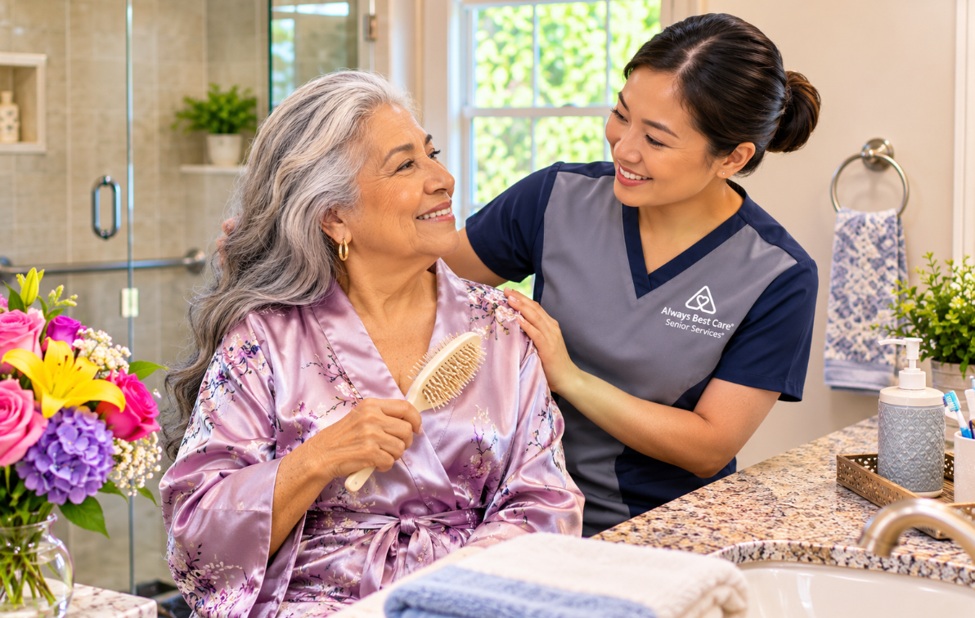
Creating a Safer and More Familiar Home Environment
Familiar surroundings can provide comfort for older adults experiencing memory changes. However, cognitive difficulties may also create concerns involving navigation, household activities, and daily routines.
Families can evaluate the home environment and consider whether additional supervision or assistance would help their loved one complete activity more comfortably.
Simple Ways to Support Daily Safety
Small adjustments to the home and daily schedule may help reduce confusion and make familiar activities easier to manage.
Families can consider the following approaches:
- Maintain Consistent Routines: Keep meals, activities, and rest periods at familiar times whenever possible.
- Improve Household Organization: Store commonly used belongings in predictable, accessible locations.
- Reduce Unnecessary Clutter: Keep frequently used areas clear and easy to navigate.
- Use Gentle Reminders: Provide simple instructions and familiar cues during daily activities.
- Review Supervision Needs: Consider whether someone should be available during activities that have become difficult or potentially unsafe.
These strategies may help support daily comfort, but they do not eliminate every risk associated with cognitive impairment.
Families should also discuss significant safety concerns, including wandering, falls, or unsafe household activities, with an appropriate healthcare professional. The level of supervision required depends on the individual’s circumstances.
Supporting Family Caregivers Through Memory Care
Family members often provide considerable assistance before professional home care becomes part of the routine.
As memory-related needs increase, caregiving responsibilities may involve more frequent reminders, personal care assistance, transportation, and supervision.
Balancing these responsibilities with work, household obligations, and personal commitments can become challenging.
Building a Consistent Caregiving Routine
Professional caregivers can complement family involvement by assisting with scheduled daily activities and providing companionship.
For example, a caregiver may help with meal preparation, encourage participation in familiar hobbies, or provide gentle reminders throughout the day.
Consistency can also help families coordinate responsibilities and better understand which activities their loved one continues to enjoy.
Always Best Care Senior Services of Greater Bethlehem offers personalized dementia care services designed to support older adults experiencing cognitive changes.
The Greater Bethlehem location also identifies participation in the Medicare GUIDE Dementia Program, which may offer eligible individuals and unpaid family caregivers’ access to dementia care coordination, caregiver support, and respite services.
Program participation and benefits depend on applicable eligibility and enrollment requirements. Families should confirm current availability and qualifications directly with the local team.
Families can also explore helpful senior health and wellness resources when learning more about supporting older loved ones.
Planning Memory Care as Needs Change
Dementia care should not be treated as a fixed arrangement. An older adult who initially benefits from companionship and occasional reminders may require additional assistance as their circumstances change.
Regularly reviewing the care plan allows families to determine whether the current schedule and level of support remain appropriate.
When Should Families Reevaluate a Memory Care Plan?
Families may want to revisit existing care arrangements when they notice changes in daily routines, personal care needs, communication, or safety.
A review may also be helpful when family caregivers find it increasingly difficult to provide consistent assistance.
Rather than waiting for several challenges to develop, families can communicate with healthcare professionals and care providers when new concerns arise.
Adjusting a care plan may involve changing visit schedules, introducing additional personal care assistance, or exploring other appropriate support options.
Five Signs It May Be Time for Memory Care Support
Recognizing when an older loved one needs additional assistance can feel overwhelming. A simple visual guide can help families identify common changes worth discussing with healthcare professionals and care providers.

These signs do not establish a dementia diagnosis, and they should not be interpreted as a substitute for professional medical advice.
Instead, they can serve as conversation starters when families are evaluating changing needs and determining whether additional home care assistance may be appropriate.
Helping Seniors Maintain Comfort and Independence at Home
Memory care planning should remain centered on the individual rather than focusing only on the challenges associated with cognitive changes. Familiar surroundings, meaningful activities, and compassionate assistance can help older adults maintain a sense of comfort and connection to their everyday lives.
Families can support independence by encouraging participation in manageable activities while recognizing when additional assistance may be beneficial.
How Can Familiar Routines Help Seniors Feel More Comfortable?
Consistent daily routines can provide reassurance for older adults experiencing memory changes. Familiar activities, such as enjoying breakfast at the same time, listening to favorite music, or spending time with loved ones, may help reduce confusion and create a more predictable environment.
Caregivers can support these routines by offering gentle reminders and maintaining a calm, patient approach. When adjustments become necessary, introducing changes gradually may help seniors feel more comfortable.
What Activities Can Encourage Independence at Home?
Older adults experiencing cognitive changes may still enjoy participating in familiar activities that reflect their interests and abilities.
Families and caregivers can encourage involvement in simple tasks, such as folding towels, arranging flowers, looking through family photographs, or helping prepare meals when appropriate.
These activities provide opportunities for meaningful engagement while allowing seniors to continue making choices and participating in their daily routines.
The level of assistance should reflect each person’s abilities, comfort, and safety needs rather than expecting every senior to complete activities independently.
How Can Personalized Memory Care Balance Support and Independence?
Personalized memory care focuses on providing assistance where needed while respecting the senior’s remaining abilities and individual preferences.
For example, a caregiver may offer reminders during grooming, assist with selecting clothing, or provide companionship during familiar activities without unnecessarily taking over tasks the senior can still manage.
As cognitive needs change, families can review care arrangements and adjust the level of assistance to maintain appropriate support.
At Always Best Care Senior Services of Greater Bethlehem, our personalized dementia care services focus on helping older adults maintain familiar routines while receiving compassionate assistance tailored to their needs.
By combining consistent routines, meaningful activities, and individualized support, families can help their loved ones maintain comfort, dignity, and a sense of independence at home.
The goal is not to eliminate every challenge associated with memory changes but to create a supportive environment where seniors feel respected, involved, and connected to the people and activities that matter most.
Explore Personalized Memory Care in Palmer Township, PA
Knowing when to consider memory care support begins with recognizing changing needs and understanding which services may help an older loved one maintain familiar routines.
At Always Best Care Senior Services of Greater Bethlehem, we help families explore personalized nonmedical dementia care options that respect each senior’s abilities, preferences, and individual circumstances.
If your loved one may benefit from Palmer Township, PA home care services, contact our team to discuss personalized dementia care options and learn how professional assistance may complement your family’s existing support. Call (484) 896-8867 to discuss your loved one’s needs and explore an appropriate home care plan.