Osteoporosis in Birmingham Seniors: Are There Warning Signs You Shouldn’t Ignore?
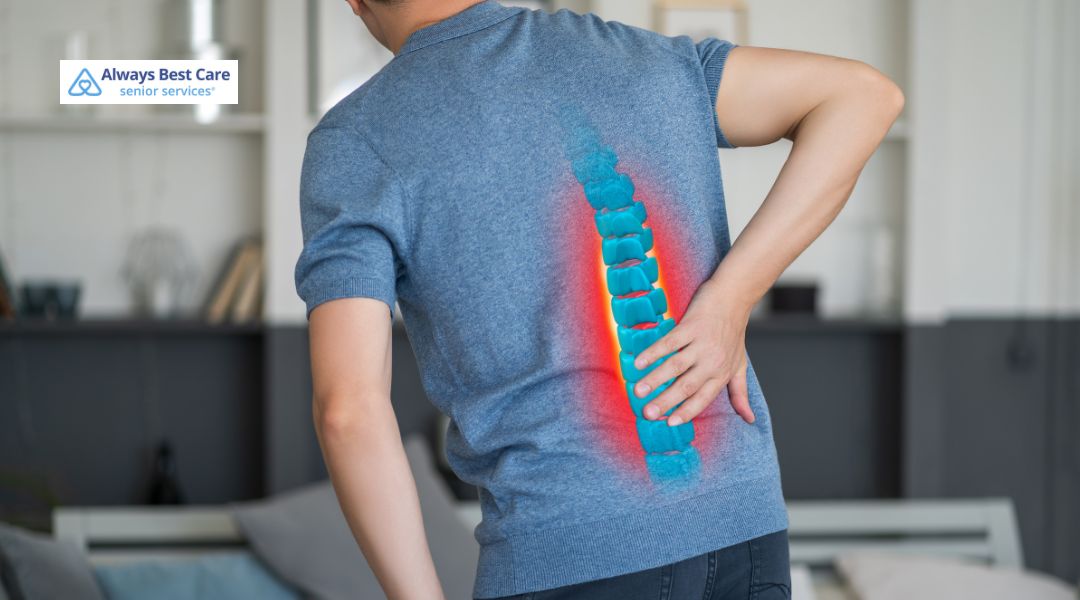
Osteoporosis has a sneaky reputation. Bones gradually become thinner and more fragile, yet many seniors feel perfectly fine—until a simple slip, lift, or twist causes a painful fracture. In a city like Birmingham, where many older adults want to stay active and independent, that first broken bone can be a real wake-up call.
While osteoporosis doesn’t always make noise, it isn’t completely silent either. There are subtle clues that something may be going on beneath the surface. Spotting those hints early gives families a chance to step in, ask questions, and support stronger bones before a serious fracture derails daily life.
What You Will Learn:
- What osteoporosis is and why it often goes unnoticed until a fracture occurs.
- The subtle warning signs seniors and families should watch for, like height loss and back pain.
- Risk factors that increase the likelihood of osteoporosis in older adults.
- Practical steps families in Birmingham can take to support bone health and prevent falls.
Table of Contents
What Is Osteoporosis in Simple Terms?
In plain English, osteoporosis means “porous bones.” Healthy bone looks a bit like a honeycomb under a microscope—dense, with small holes. With osteoporosis, those holes get bigger and the structure becomes weaker, making bones more likely to break.
This loss of bone density often happens slowly over many years. Seniors may not notice anything different at first. But over time, that quiet weakening can set the stage for broken wrists, hips, or spine bones from falls or even everyday movements.
Who Is at Higher Risk in Birmingham?
Not every Birmingham senior has the same risk. Some factors make osteoporosis more likely and more dangerous. Families should pay closer attention if their loved one:
- Is a woman over 65 or a man over 70
- Has a parent or sibling with osteoporosis or a history of hip fractures
- Has a small, thin frame
- Lives with long-term conditions like rheumatoid arthritis, thyroid issues, or early menopause
- Takes certain medications, such as long-term steroids
- Smokes or drinks heavily
- Doesn’t get enough calcium, vitamin D, or weight-bearing activity
If several of these risk factors stack up, it’s worth asking a doctor about bone health and screening—even if no fractures have occurred yet.
Subtle Warning Signs You Shouldn’t Ignore
Osteoporosis might not cause obvious pain until a bone breaks, but the body sometimes whispers before it shouts. Keep an eye out for these quieter warning signs in Birmingham seniors.
A Noticeable Loss of Height
If a senior’s friends joke that they’re “shrinking,” there could be more going on than simple aging. When the bones in the spine weaken and collapse slightly, height can drop.
You may notice:
- Pants suddenly too long
- Difficulty reaching shelves they used to access
- Needing to lower curtain rods or mirrors
A little height loss over time is common, but a bigger change—or a quick one—should prompt a closer look.
A Stooped or Hunched Posture
A rounded upper back, sometimes called a “dowager’s hump,” can be a sign of compression fractures in the spine caused by osteoporosis. Seniors may lean forward, struggle to stand fully upright, or feel like their shoulders are rounding in.
This posture isn’t just a cosmetic issue; it can affect breathing, balance, and comfort.
Sudden Back Pain That’s Hard to Pin Down
An unexpected, sharp back pain—especially in the mid or upper back—can signal a small fracture in a weakened vertebra. The pain may appear after:
- Lifting something modestly heavy
- Bending to pick something up
- A minor stumble or twist
If back pain comes out of nowhere and doesn’t match the level of strain or injury, it’s better to get it checked rather than assuming it’s “just a pulled muscle.”
Fractures From Minor Falls or Routine Movements
Perhaps the biggest red flag is a bone that breaks from something that shouldn’t normally cause a serious injury. Examples include:
- A wrist fracture from a low-level fall
- A hip fracture from a simple trip indoors
- A rib fracture from coughing or turning awkwardly
Any “fragility fracture” like this is a loud alarm bell for osteoporosis and should be treated as such.
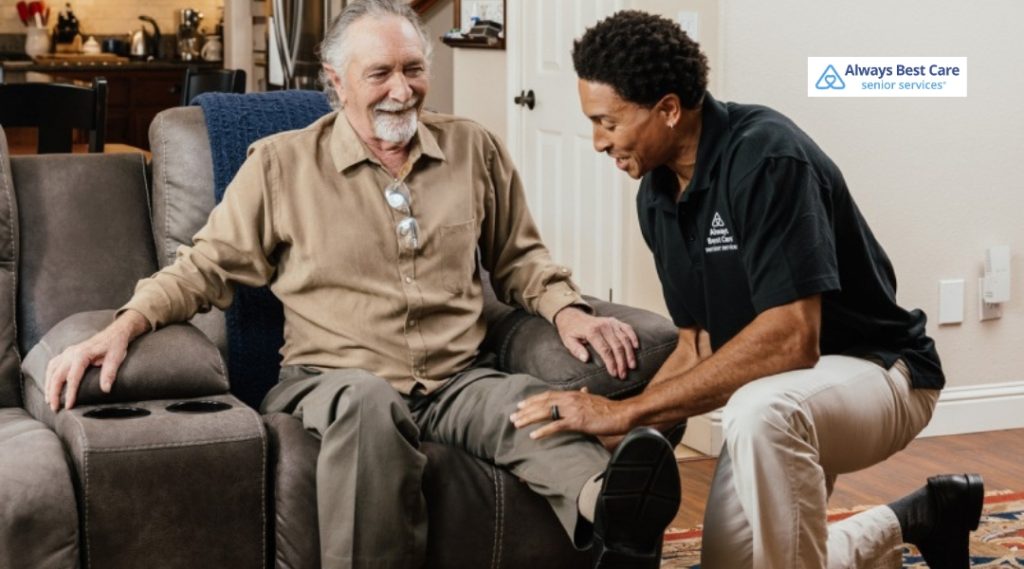
Why Early Detection Matters for Birmingham Seniors
Finding osteoporosis early doesn’t just add another label to a medical chart; it opens doors to treatments and lifestyle changes that can protect independence. With early detection, seniors and families can:
- Lower the risk of future fractures
- Reduce the chance of hospital stays and surgery
- Maintain mobility and balance
- Keep up with favorite activities longer
A bone density test (often called a DEXA scan) is a simple, painless way to see how strong or weak the bones are. For seniors at higher risk, asking a doctor about this test can be a smart step.
Everyday Steps to Protect Senior Bone Health
Families in Birmingham don’t need to wait for a fracture to start supporting stronger bones. Small, steady changes can add up over time.
Helpful habits include:
- Eating calcium-rich foods like dairy, leafy greens, and fortified products
- Getting enough vitamin D from safe sun exposure, diet, or supplements as recommended
- Doing weight-bearing activities such as walking, dancing, or light strength training
- Avoiding smoking and cutting back on excessive alcohol
- Keeping a healthy weight—not too low, not too high
Even modest improvements can help slow bone loss and support better balance and strength.
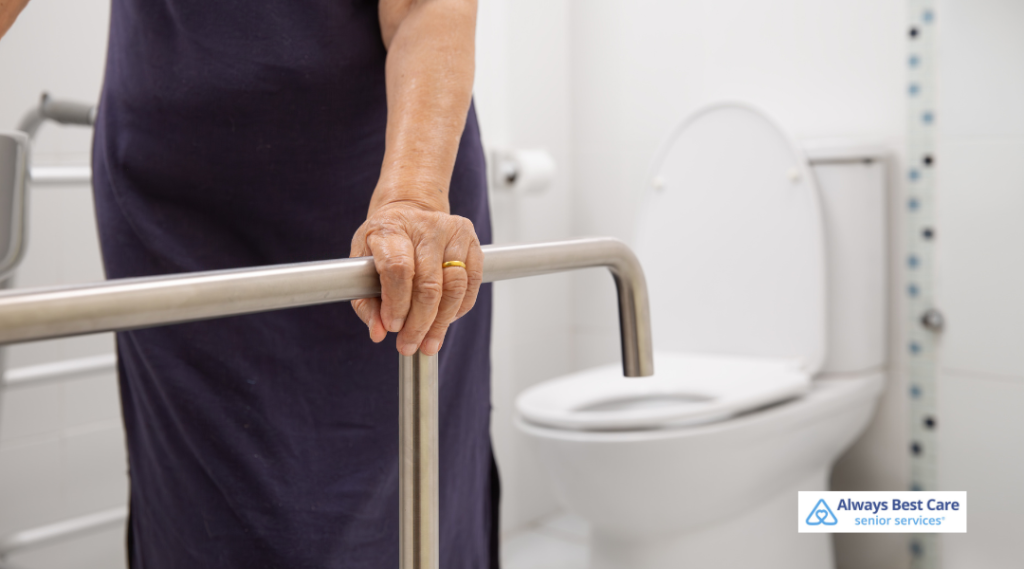
Making Home Safer to Prevent Falls
Since fractures often follow slips and trips, fall prevention is a major part of protecting seniors with osteoporosis or at risk for it. A few simple home changes can make a big difference.
Consider:
- Clearing floors of cords, clutter, and loose rugs
- Adding grab bars in bathrooms and near steps
- Ensuring good lighting in hallways, stairs, and entrances
- Using non-slip mats in showers and tubs
- Encouraging sturdy, supportive footwear
These tweaks are useful for all older adults, but they’re especially important for those with fragile bones.
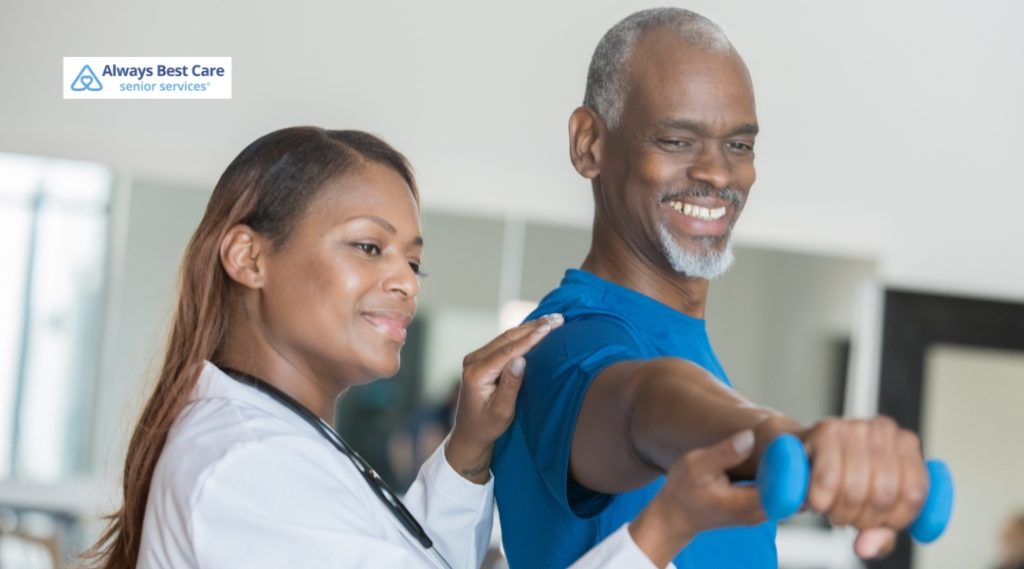
How Families in Birmingham Can Advocate for Bone Health
Family members often notice changes first—height, posture, or frequent “twinges” in the back. Instead of brushing those off, they can open respectful, honest conversations about bone health and safety.
Helpful ways to advocate include:
- Bringing up concerns at routine doctor visits
- Asking whether a bone density test is appropriate
- Tracking any falls, fractures, or sudden pains
- Encouraging follow-through with medications or supplements
- Offering to join walks or exercise classes for moral support
The goal is to work with, not against, the senior’s independence and preferences, while gently steering toward safer choices.
FAQs About Osteoporosis in Birmingham Seniors
Q: Are there obvious warning signs of osteoporosis in Birmingham seniors?
A: Osteoporosis often has no clear symptoms until a fracture happens, but subtle signs like loss of height, a stooped posture, unexplained back pain, or fractures from minor falls may point to underlying bone loss.
Q: How can families in Birmingham know if a senior should be checked for osteoporosis?
A: If a senior has risk factors such as older age, family history of fractures, certain medical conditions, or a history of low-impact fractures, it’s wise to ask a doctor about bone density testing and osteoporosis screening.
Q: Does osteoporosis always cause pain?
A: Not always. Many seniors feel no pain until a bone breaks or the spine develops compression fractures. That’s why it’s often called a “silent disease” and why proactive screening is important.
Q: Can lifestyle changes really help weak bones?
A: Healthy habits like better nutrition, weight-bearing exercise, not smoking, and limiting alcohol can help slow bone loss and support strength. These steps often work best alongside medical advice, screening, and, when needed, medications.
Q: What can families do to reduce fracture risk at home?
A: Families can help by removing tripping hazards, improving lighting, installing grab bars, encouraging safe footwear, and supporting balance and strength exercises. These changes make falls less likely and help protect fragile bones.
Listening to the Quiet Warnings
Osteoporosis may be known as a “silent disease,” but for many Birmingham seniors, it does send out early signals—shrinking height, a rounded back, sudden back pain, or fractures from small slips. Paying attention to those whispers instead of waiting for a major injury can change the course of an older adult’s life.

Protect Safety and Independence with Support at Home
By staying alert to risk factors, acting on subtle signs, and building bone-friendly habits at home, Birmingham families can help their loved ones stay steadier, stronger, and more confident on their feet for years to come. Contact Always Best Care of Birmingham at (205) 874-9730 to learn more and schedule your free consultation.
Link to the markdown version of this blog.