

COPD Management for Seniors in Birmingham, AL: Daily Tips for Better Living
Chronic Obstructive Pulmonary Disease (COPD) is one of the most common chronic conditions affecting older adults, yet it often goes unrecognized until symptoms become significant. For seniors in Birmingham, AL, managing COPD at home is not only possible — it can be done well with the right habits, support, and awareness.
This guide walks families and caregivers through practical strategies to help loved ones breathe easier, stay active, and maintain their independence.
What You Will Learn:
- How COPD affects seniors and why early symptoms are often overlooked.
- Practical strategies to manage COPD safely at home.
- How to reduce flare-ups through environment, nutrition, and daily habits.
- The role of caregivers in supporting independence and quality of life.

Table of Contents
Understanding COPD: More Than Just Breathlessness
COPD is an umbrella term for progressive lung diseases — primarily chronic bronchitis and emphysema — that restrict airflow and make breathing increasingly difficult. What makes COPD particularly challenging is how gradually it develops. Many seniors dismiss early symptoms as simply “getting older.”
Watch for these warning signs:
- Persistent cough, especially in the morning
- Shortness of breath during routine tasks
- Wheezing or chest tightness
- Frequent respiratory infections
- Unexplained fatigue
Early diagnosis and consistent management are the most effective tools for slowing progression and preserving quality of life.
Practical Strategies for Managing COPD at Home
Stick to a Medication Routine
Inhalers, bronchodilators, and supplemental oxygen are commonly prescribed for COPD. These treatments only work when used correctly and consistently. Missed doses or improper inhaler technique can lead to unnecessary flare-ups.
A caregiver or family member can play a critical role here — setting up daily reminders, organizing medications, and accompanying seniors to follow-up appointments to ensure treatment plans stay on track.
Prioritize Indoor Air Quality
Birmingham’s seasonal pollen and humidity can be tough on sensitive lungs. Inside the home, air quality matters just as much.
Steps to reduce indoor irritants:
- Use HEPA air purifiers in frequently used rooms
- Replace HVAC filters every 1–3 months
- Avoid aerosol sprays, scented candles, and harsh cleaning products
- Keep windows closed on high-pollen or high-pollution days
- Ensure proper ventilation in kitchens and bathrooms
A cleaner indoor environment directly reduces the frequency and severity of COPD flare-ups.

Keep Moving — Gently
It may seem counterintuitive, but regular physical activity is one of the best things a senior with COPD can do. Exercise strengthens the respiratory muscles, improves circulation, and boosts energy levels over time.
Low-impact options that work well:
- Short, paced walks — even 10 minutes makes a difference
- Chair-based stretching or yoga
- Light resistance exercises with guidance from a physical therapist
- Pulmonary rehabilitation programs, which are specifically designed for COPD patients
Always consult a healthcare provider before starting any new exercise routine.
Learn and Practice Breathing Techniques
Two techniques in particular can help seniors regain control during moments of breathlessness:
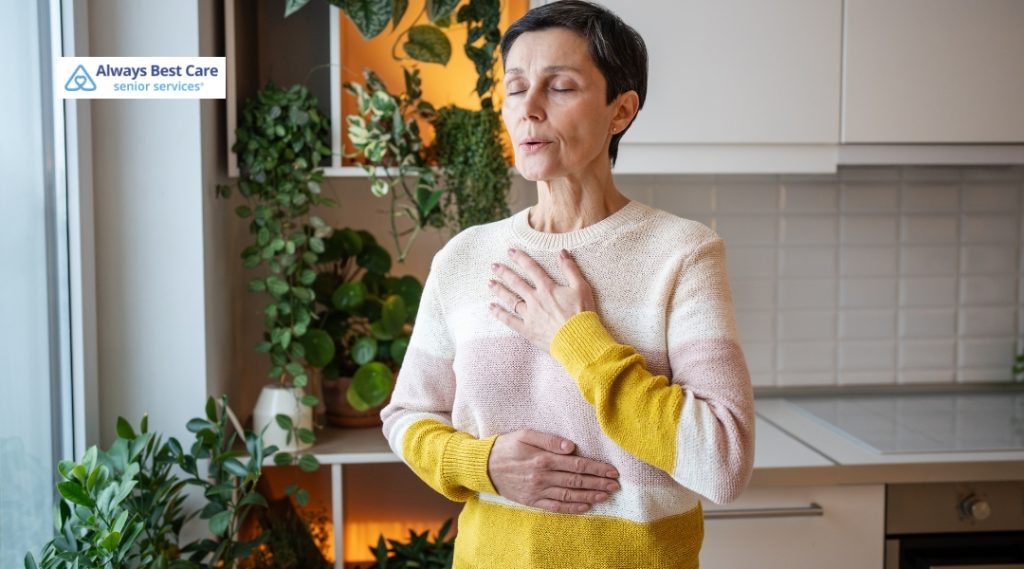
- Pursed-lip breathing: Inhale slowly through the nose, then exhale through pursed lips for twice as long. This slows breathing and keeps airways open longer.
- Diaphragmatic breathing: Focuses on engaging the diaphragm rather than shallow chest breathing, improving oxygen efficiency.
Practicing these daily — not just during flare-ups — builds the muscle memory needed to use them effectively when it counts.
Eat and Hydrate Strategically
Nutrition plays a surprisingly significant role in respiratory health. A heavy meal can cause bloating that pushes against the diaphragm, making breathing harder. Smaller, more frequent meals are often better tolerated.
Dietary tips for seniors with COPD:
- Choose lean proteins, whole grains, and fresh vegetables
- Limit sodium to reduce fluid retention
- Stay well-hydrated to keep mucus thin and easier to clear
- Avoid carbonated beverages that can cause bloating
Know When to Call for Help
COPD symptoms fluctuate, and recognizing a flare-up early can prevent a hospital visit. Families and caregivers should watch for:
- A noticeable increase in shortness of breath
- Changes in mucus — more of it, or a change in color
- Fever or chills suggesting infection
- Increased confusion or unusual fatigue
- Difficulty completing everyday tasks
When these signs appear, contact a healthcare provider promptly. Acting early makes a significant difference in outcomes.
How Always Best Care of Birmingham Supports Seniors with COPD
Managing COPD is a daily commitment, and it’s one that seniors shouldn’t have to handle alone. Always Best Care of Birmingham provides personalized in-home support designed to make that commitment more manageable.
Our caregivers assist with:
- Medication reminders and monitoring for symptom changes
- Light housekeeping to maintain a clean, allergen-reduced environment
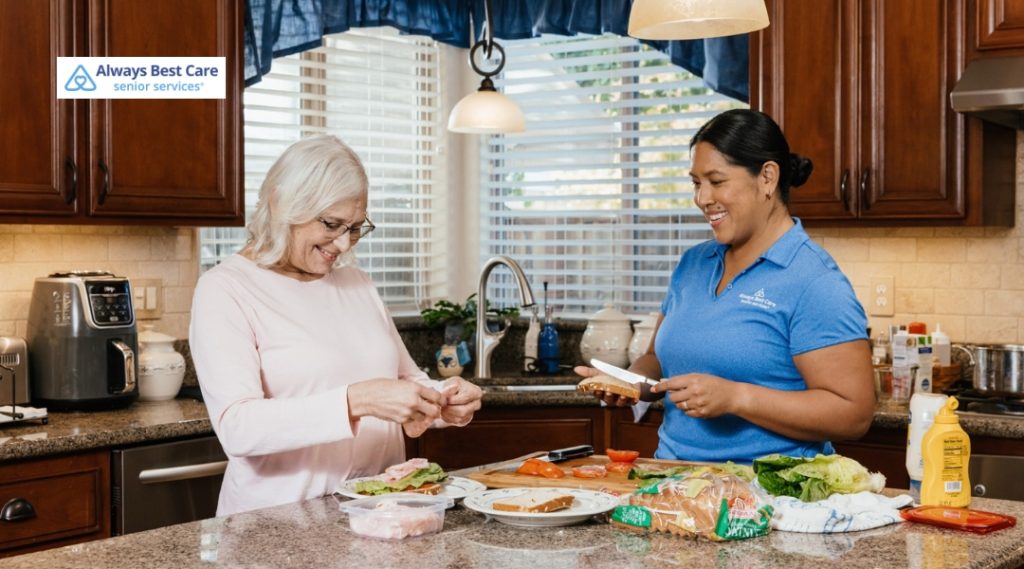
- Meal preparation focused on respiratory-friendly nutrition
- Encouragement and assistance with safe physical activity
- Companionship to ease the emotional burden of chronic illness
- Transportation to medical appointments and pulmonary rehab
For seniors who need a higher level of medical support, our home health services connect families with skilled nursing professionals who work alongside physicians to manage complex care needs.
Helping Seniors Breathe Better, Every Day
COPD is a lifelong condition, but it doesn’t have to define how a senior lives. With consistent routines, a supportive environment, and compassionate care, seniors in Birmingham can continue doing the things they love — on their own terms, in the comfort of home.
Frequently Asked Questions About COPD and Senior Home Care
Q: Can COPD be managed at home, or does it require facility-based care?
Most seniors with COPD can be managed effectively at home, especially in the mild to moderate stages. With the right medications, lifestyle adjustments, and caregiver support, many seniors maintain a high quality of life without needing to transition to a care facility.
Q: What household changes make the biggest difference for someone with COPD?
Improving indoor air quality is one of the highest-impact changes. This includes using air purifiers, eliminating smoke and strong fragrances, and keeping the home clean and dust-free. Reducing clutter also helps create a safer environment for seniors who may experience fatigue or dizziness.
Q: How can a caregiver help during a COPD flare-up?
During a flare-up, a caregiver can help the senior use their rescue inhaler correctly, guide them through pursed-lip breathing, keep them calm, and monitor symptoms. If symptoms don’t improve quickly or worsen, the caregiver should contact a healthcare provider or call emergency services.
Q: Is it safe for seniors with COPD to exercise?
Yes, with proper guidance. Exercise — particularly pulmonary rehabilitation — is actually recommended for COPD patients. The key is starting slowly, choosing low-impact activities, and always working within the limits set by a physician or respiratory therapist.
Q: How does Always Best Care support seniors with COPD specifically?
Always Best Care caregivers are trained to assist with the daily needs that COPD makes more difficult — from medication reminders and meal prep to light housekeeping and transportation. They also serve as an extra set of eyes, alerting families and healthcare providers when symptoms appear to be changing.
Support Safer, More Comfortable Living with COPD
At Always Best Care of Birmingham, we provide compassionate in-home care for seniors living with COPD and other chronic conditions. From medication reminders and meal preparation to maintaining a clean, low-irritant home environment, our caregivers help seniors stay safe, comfortable, and independent.
Contact Always Best Care of Birmingham at (205) 874-9730 to learn more and schedule your free consultation.
Link to the markdown version of this blog.