Elder Abuse Awareness in Birmingham, AL: Protecting Aging Loved Ones

Elder abuse isn’t some far-off problem we only hear about on the news. It can happen right under our noses—in a family home, in a care setting, or even within long-term relationships that once felt rock solid. For seniors in Birmingham, AL, feeling safe, respected, and truly cared for isn’t a luxury; it’s a basic right.
At Always Best Care of Birmingham, AL, we see every day how a little vigilance, honest conversation, and dependable support can make a world of difference. Elder abuse prevention starts with us—families, neighbors, and care providers who refuse to look the other way.
What You Will Learn:
- What elder abuse is and the different forms it can take.
- Warning signs families in Birmingham should watch for.
- Risk factors that increase vulnerability in seniors.
- Practical steps to prevent abuse and support safe, respectful care.
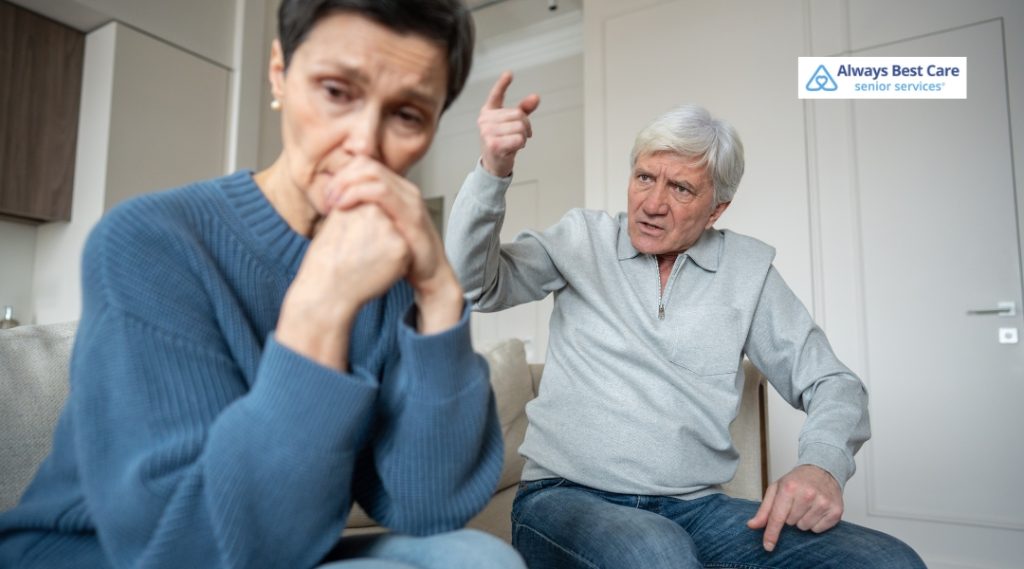
Table of Contents
What Is Elder Abuse, Really?
Elder abuse happens when someone harms an older adult—or fails to provide needed care—in a way that causes pain, distress, or risk. It can be obvious, or it can be sneaky and hidden behind closed doors. Often, more than one kind of abuse shows up at the same time.
Common forms of elder abuse include:
- Physical abuse – hitting, pushing, rough handling, or improper restraint
- Emotional abuse – yelling, threats, insults, humiliation, or intentional isolation
- Financial exploitation – stealing money, pressuring for “loans,” or misusing accounts
- Neglect – not providing enough food, hygiene, clean clothes, or medical attention
- Abandonment or lack of supervision – leaving a senior alone when they clearly need help
Once we understand that elder abuse isn’t just bruises or shouting, we’re already one step closer to stopping it.
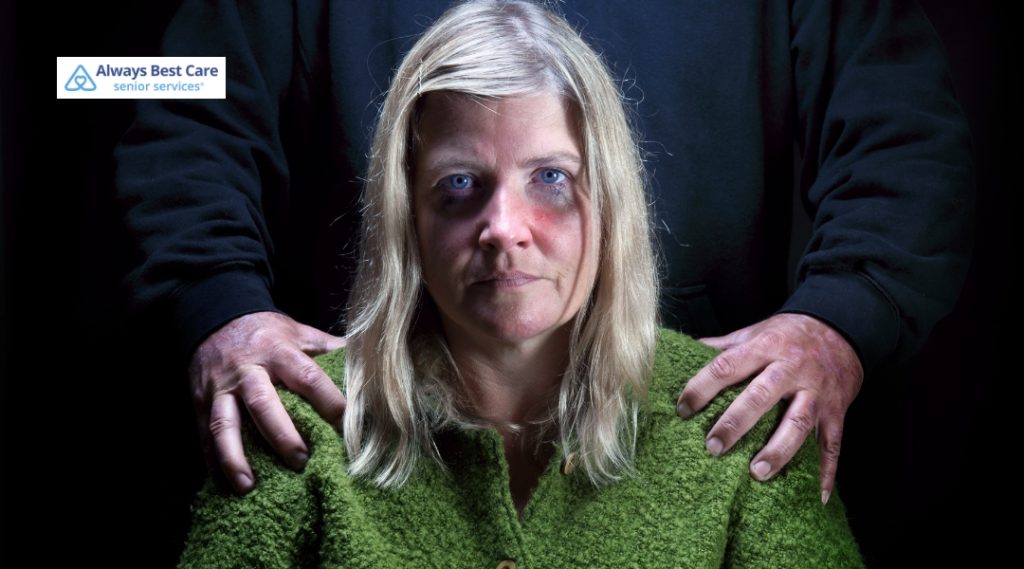
Elder Abuse Prevention: Warning Signs Families Shouldn’t Ignore
Abuse rarely starts with something dramatic. It often begins with small shifts that are easy to brush off—until, suddenly, everything feels off-kilter. Being tuned in to changes can help families act sooner rather than later.
Possible red flags include:
- Unexplained bruises, cuts, burns, or frequent “mysterious” falls
- A senior who suddenly becomes quiet, fearful, withdrawn, or unusually anxious
- Poor hygiene, dirty clothes, or an unclean living space
- Unpaid bills, missing cash, or strange charges and withdrawals
- A caregiver who won’t leave the senior alone with others or answers every question for them
- Noticeable changes in eating, sleeping, or usual routines
If you’re thinking, “Something just doesn’t feel right,” that gut feeling is worth listening to.
Who’s at Greater Risk – And Why?
Some seniors are more vulnerable than others, not because of anything they did wrong, but because of their circumstances. Knowing these risk factors helps us shore up support before problems snowball.
Common risk factors include:
- Social isolation – few visitors, little contact with friends or family
- Cognitive decline – dementia, memory loss, confusion, or disorientation
- Physical limitations – needing help to bathe, dress, move, or manage medications
- Financial dependence – relying on someone else to handle money or benefits
- Caregiver stress or burnout – one overwhelmed person trying to juggle everything
In Birmingham, AL, many families are juggling careers, kids, and aging parents. It’s easy for stress to creep in. Addressing that stress early—before it boils over—is a big part of elder abuse prevention.

Practical Steps Families Can Take for Elder Abuse Prevention
We don’t need a degree in social work to help keep our loved ones safe. Small, consistent actions add up and send a clear message: “You’re not alone. We’ve got your back.”
Simple, Powerful Ways to Protect Seniors
- Stay involved
Visit regularly, call often, and pay attention to what you see and hear. - Ask real questions
Instead of “Everything okay?”, try “Has anyone made you feel scared or uncomfortable lately?” - Keep eyes on finances
Review bank statements, bills, and legal documents—with the senior’s permission—so odd activity doesn’t slip by. - Build a support circle
Involve trusted neighbors, faith communities, and professionals who can check in and lend a hand. - Encourage social connection
Loneliness can make seniors easier to target. Friendly visits, local senior centers, and community events can help. - Watch caregiver stress
If a family caregiver is snapping more, withdrawing, or saying they’re “at the end of their rope,” that’s a warning sign for everyone’s safety.
Creating a culture of honesty—where concerns aren’t brushed under the rug—goes a long way in preventing harm.
How Always Best Care of Birmingham, AL Supports Elder Abuse Prevention
Professional in-home care can play a key role in elder abuse prevention, especially when seniors want to stay in the comfort of their own homes. At Always Best Care of Birmingham, AL, we take that responsibility seriously.
What Families Can Expect From Us
We:
- Carefully screen caregivers – background checks and thorough interviews help us bring trustworthy caregivers into the home.
- Provide training – caregivers are trained to offer respectful, safe care and to recognize warning signs of abuse or neglect.
- Promote dignity and independence – we support seniors with daily tasks while still honoring their choices, preferences, and privacy.
- Communicate with families – we keep families informed about changes in mood, health, or behavior, so concerns aren’t missed.
Because we’re in the home on a regular basis, we can spot shifts that others might overlook and share those observations with families promptly.

What Should You Do If You Suspect Elder Abuse?
This is the question that keeps many families up at night—and with good reason. Ignoring suspicion can be dangerous, but jumping in without a plan can feel overwhelming too.
If you suspect abuse:
- Talk privately with your loved one
Choose a calm, safe place. Ask gentle, open-ended questions and listen without judgment. - Write down what you see and hear
Dates, times, photos (if appropriate), and specific examples can be very helpful.
Speaking up can feel uncomfortable, yet staying silent can leave a senior at serious risk. Acting quickly can stop ongoing harm and prevent future abuse.
Creating a Safer Future for Seniors in Birmingham, AL
In the end, elder abuse prevention in Birmingham, AL comes down to shared responsibility. Families, friends, neighbors, and care providers all have a role to play. By staying informed, checking in often, and refusing to ignore red flags, we create a safer world for the seniors who’ve spent a lifetime caring for us.
At Always Best Care of Birmingham, AL, we’re committed to providing compassionate, dependable in-home care rooted in respect, safety, and trust. We work closely with families so seniors can age at home with confidence and dignity.
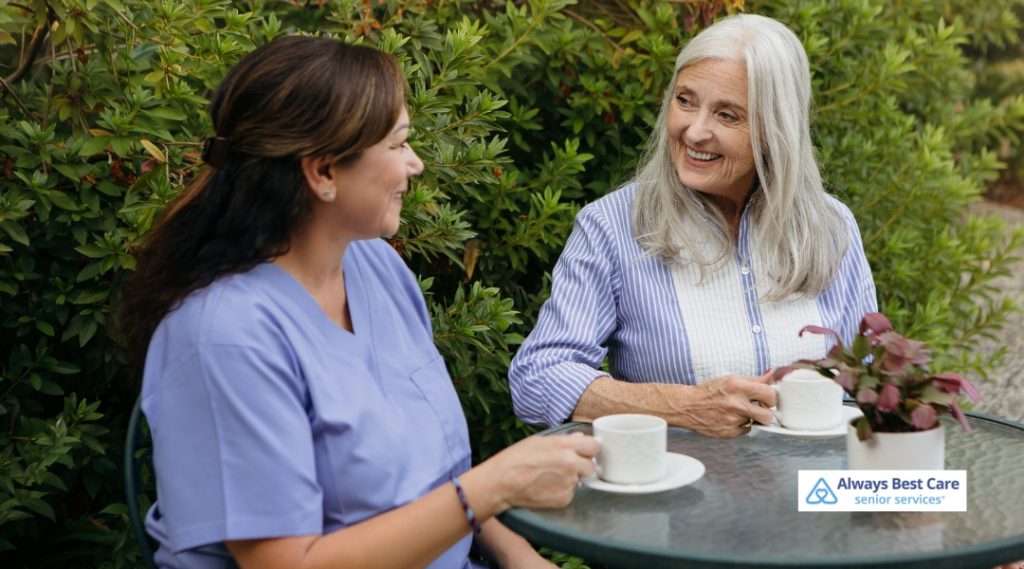
FAQs About Elder Abuse Prevention in Birmingham, AL
Q: What’s the most common sign of elder abuse?
A: There isn’t just one. Unexplained injuries, sudden mood changes, withdrawal from others, or unusual financial activity are all common warning signs.
Q: Can elder abuse happen in a family home?
A: Yes. Abuse can occur in any setting—private homes, care facilities, or even in long-term relationships. That’s why staying involved and observant is so important.
Q: How can Always Best Care of Birmingham, AL help reduce the risk of abuse?
A: We use carefully screened caregivers, regular communication with families, and respectful, attentive care to support elder abuse prevention and catch concerns early.
Q: What if my loved one denies anything is wrong?
A: Many seniors feel scared, embarrassed, or worried about “causing trouble.” Keep checking in, document your concerns, and speak with professionals if the warning signs continue.
Q: Is it better to overreact or wait for more proof?
A: In situations involving safety, it’s wiser to seek guidance sooner. Talking with adult protective services or healthcare providers doesn’t mean you’re making accusations—it means you’re taking concerns seriously.
Elder abuse prevention isn’t just a checklist; it’s an ongoing commitment to notice, to ask, and to act. By staying connected, watching for changes, and building a reliable support network, families in Birmingham, AL can help protect their loved ones from harm and promote safe, respectful care at home.

Protect Your Loved One With Compassionate, Trusted Care
If you’re searching for compassionate support for a senior in your life, Always Best Care of Birmingham, AL is ready to walk alongside you. Contact Always Best Care of Birmingham at (205) 874-9730 to learn more and schedule your free consultation.
Link to the markdown version of this blog.