
In-Home Care Guide: Helping Seniors in Birmingham, AL Prevent Stroke Naturally

Every 40 seconds, someone in the United States has a stroke. For older adults, the consequences can be severe — affecting speech, mobility, memory, and the ability to live independently. The good news is that up to 80% of strokes are preventable. With the right daily habits and proper medical management, seniors in Birmingham, AL can take meaningful steps to protect their brain health and maintain their quality of life.
What You Will Learn:
- Why stroke risk rises with age and the key conditions that contribute to it.
- Practical strategies for controlling blood pressure, cholesterol, and diabetes to protect brain health.
- The importance of daily movement, nutrition, and hydration for stroke prevention.
- How trusted caregivers in Birmingham help seniors build consistent, healthy routines that promote independence.
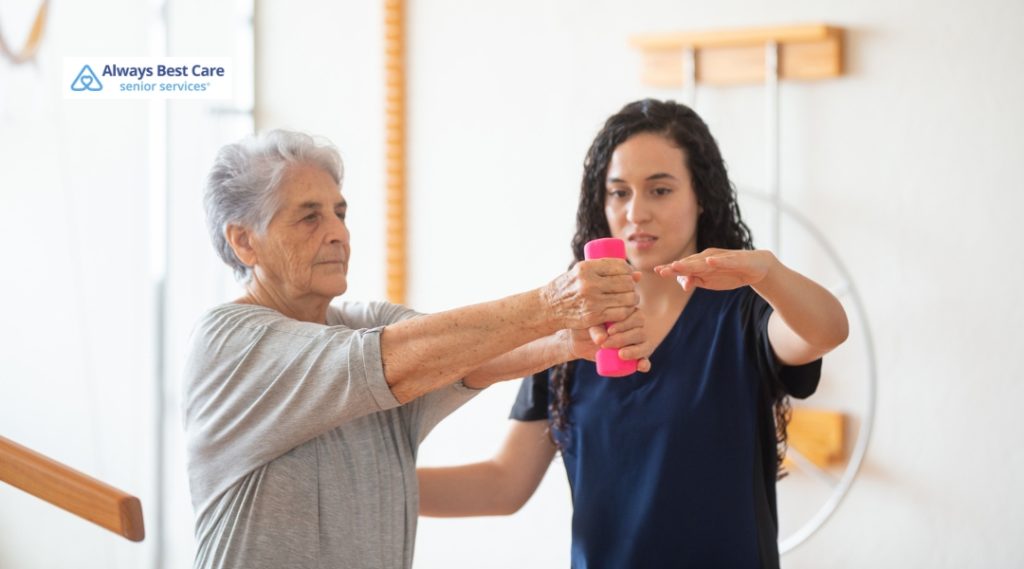
Table of Contents
Why Stroke Risk Rises with Age
Aging naturally changes the cardiovascular system. Blood vessels become less flexible, blood pressure tends to rise, and the heart may not pump as efficiently as it once did. These changes, combined with conditions like diabetes, high cholesterol, and atrial fibrillation, create a higher baseline risk for stroke in older adults.
But age alone doesn’t determine outcome. Lifestyle choices made every day — what you eat, how much you move, whether you take your medications — have a direct and measurable impact on stroke risk.
Control Blood Pressure: The Single Biggest Factor
High blood pressure is responsible for nearly half of all strokes. When pressure inside the arteries stays elevated for too long, it weakens vessel walls and increases the chance of a rupture or blockage in the brain.
For seniors, keeping blood pressure in a healthy range requires consistent effort:
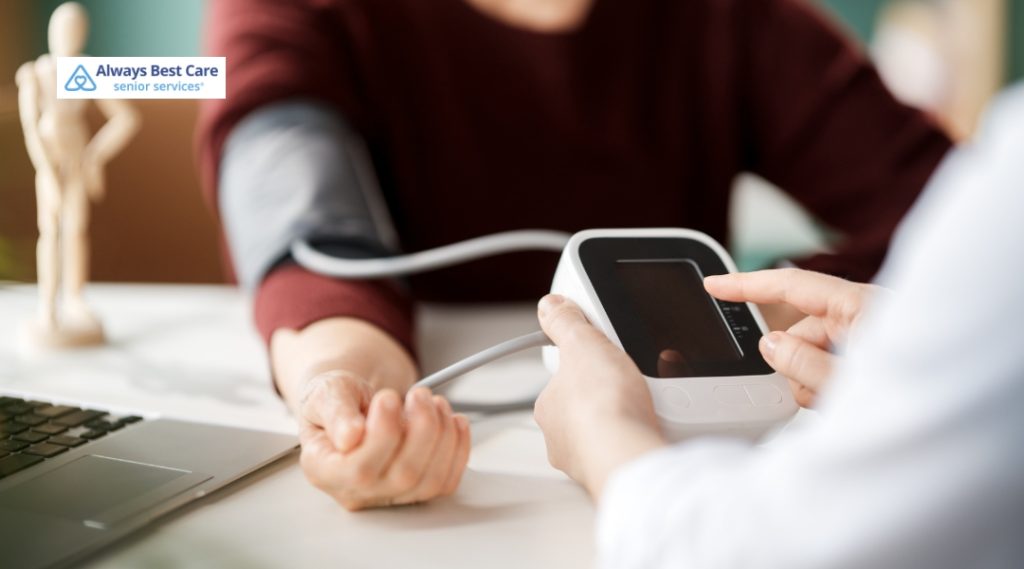
- Monitor regularly — at home and during medical visits
- Take prescribed medications without skipping doses
- Reduce sodium by limiting processed foods, canned soups, and restaurant meals
- Maintain a healthy weight through diet and movement
- Limit alcohol consumption, which can raise blood pressure over time
Small, consistent changes in these areas can lower systolic blood pressure by 10–20 points — a significant reduction in stroke risk.

Manage Diabetes Proactively
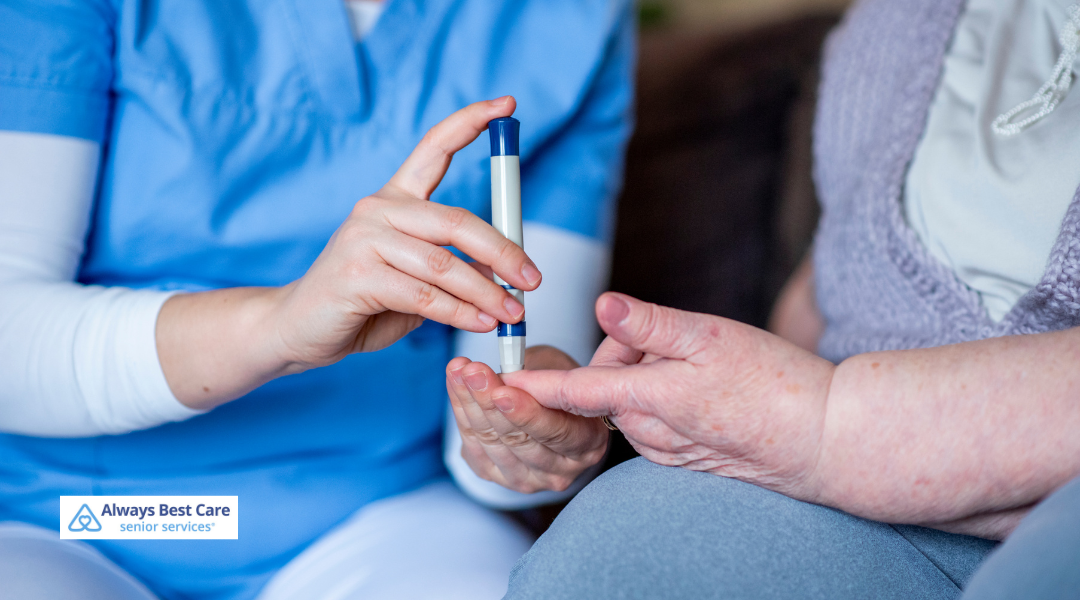
Seniors with diabetes are two to four times more likely to have a stroke than those without it. High blood sugar damages the inner lining of blood vessels, making them more prone to blockages and reducing the brain’s ability to recover from injury.
Effective diabetes management goes beyond just taking medication. It includes:
- Monitoring blood sugar levels consistently throughout the day
- Following a meal plan that limits refined sugars and simple carbohydrates
- Staying physically active, which naturally improves insulin sensitivity
- Attending regular check-ins with an endocrinologist or primary care physician
When diabetes is well-controlled, the associated stroke risk drops substantially.

Keep Cholesterol in Check
Cholesterol buildup in the arteries — a condition called atherosclerosis — is a leading contributor to ischemic stroke, the most common type. Plaque narrows the arteries and can break off, traveling to the brain and causing a blockage.
Seniors can support healthy cholesterol levels by:
- Prioritizing heart-healthy foods: leafy greens, berries, oily fish, and whole grains
- Reducing saturated fats found in red meat, butter, and full-fat dairy
- Following physician-prescribed statin therapy when indicated
- Staying active, since regular exercise raises HDL (good) cholesterol
Annual blood work helps track cholesterol trends and allows for early intervention before problems develop.

Move More — Even a Little Goes a Long Way
Physical inactivity is one of the most modifiable stroke risk factors. Regular movement improves circulation, helps regulate blood pressure and blood sugar, supports a healthy weight, and reduces inflammation throughout the body.
Seniors don’t need a gym membership or intense workouts to benefit. Effective, low-impact options include:
- Daily walks through the neighborhood or a local park
- Chair-based exercises for those with limited mobility
- Tai chi or gentle yoga, which also improve balance and reduce fall risk
- Gardening or light yard work, which counts as meaningful physical activity
Aiming for 30 minutes of moderate movement most days of the week is a realistic and impactful goal for most older adults.

Eat to Protect Your Brain
Diet is one of the most powerful tools for stroke prevention. A nutrient-dense eating pattern reduces inflammation, supports healthy blood vessels, and helps manage blood pressure, cholesterol, and blood sugar simultaneously.
A brain-protective diet for seniors emphasizes:
- Fruits and vegetables — especially dark leafy greens, berries, and citrus
- Whole grains over refined carbohydrates
- Lean proteins such as fish, legumes, and skinless poultry
- Healthy fats from olive oil, avocados, and nuts
- Reduced sodium and processed food intake
The Mediterranean and DASH diets are both well-researched and consistently linked to lower stroke risk. Even partial adoption of these eating patterns can produce measurable benefits.
The Role of Consistent Daily Support
For many seniors, the challenge isn’t knowing what to do — it’s doing it consistently, especially when managing multiple health conditions or living alone. This is where in-home caregivers can make a real difference.
A dedicated caregiver can help seniors:
- Prepare balanced, stroke-prevention-focused meals
- Stay on schedule with medications and doctor appointments
- Engage in daily physical activity safely
- Monitor for early warning signs and communicate changes to family or healthcare providers
This kind of consistent, attentive support creates the structure that makes healthy habits sustainable over the long term.

Frequently Asked Questions
Q: What are the early warning signs of a stroke?
A: The most recognized signs can be remembered with the acronym FAST: Face drooping, Arm weakness, Speech difficulty, and Time to call 911. Other symptoms include sudden confusion, vision changes, severe headache, or loss of balance. If any of these occur, seek emergency care immediately.
Q: At what age does stroke risk significantly increase?
A: Stroke risk roughly doubles every decade after age 55. Adults 65 and older account for the majority of stroke cases in the U.S., making prevention especially important during this stage of life.
Q: Can strokes be prevented if there’s a family history?
A: A family history of stroke does increase risk, but it doesn’t make a stroke inevitable. Lifestyle modifications — managing blood pressure, staying active, eating well, and avoiding smoking — can significantly offset genetic risk factors.
Q: How does smoking affect stroke risk in seniors?
A: Smoking doubles the risk of ischemic stroke. It damages blood vessel walls, promotes clot formation, and raises blood pressure. Quitting smoking at any age reduces stroke risk, with benefits beginning within weeks of stopping.
Q: Is it safe for seniors with heart conditions to exercise?
A: In most cases, yes — with appropriate guidance. Low-impact activities like walking, swimming, and chair exercises are generally safe and beneficial. Seniors should consult their physician before starting a new exercise routine, particularly if they have a history of heart disease or recent cardiac events.
Q: How can a caregiver help reduce stroke risk?
A: Caregivers support stroke prevention by helping seniors maintain consistent routines around medication, nutrition, and physical activity. They also provide an important layer of observation — noticing changes in health or behavior that may warrant medical attention before a crisis occurs.
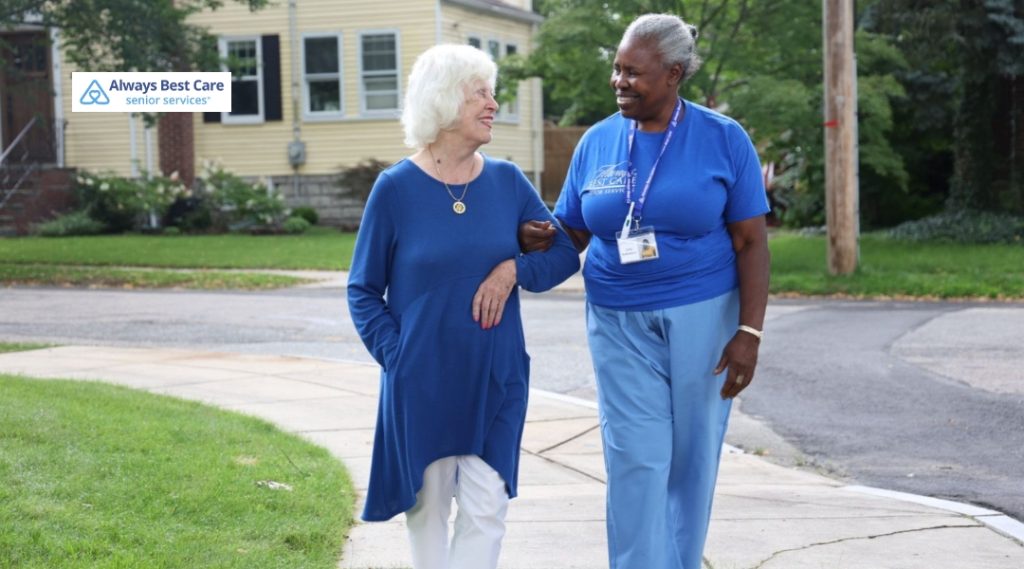
Protect Brain and Heart Health with Compassionate In-Home Care
At Always Best Care of Birmingham, our caregivers are trained to support seniors in building and maintaining the healthy habits that reduce stroke risk. Whether your loved one needs help with meal preparation, medication reminders, or daily activity, we’re here to help.
Contact Always Best Care of Birmingham at (205) 874-9730 to learn more and schedule your free consultation.
Link to the markdown version of this blog.