

Managing Diabetes in Seniors: How to Keep Independence Strong at Home in Chapel Hill, NC
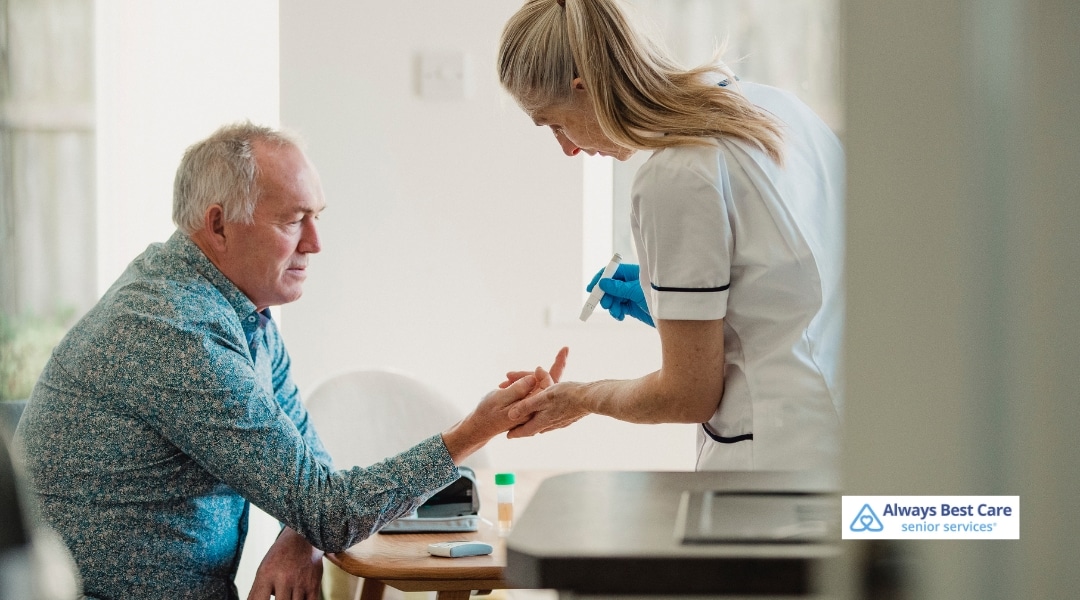
Diabetes ranks among the most widespread chronic conditions affecting older folks today, yet here’s the good news—it’s totally manageable with the right approach. Sure, blood sugar control gets trickier as we age, thanks to shifts in metabolism and juggling multiple medications. But honestly? With solid care, education, and consistent monitoring, countless seniors thrive with diabetes and maintain active, meaningful lives. That’s where family members and caregivers really shine, stepping in to help keep everything on track and prevent serious complications down the road.
What you will learn:
- How diabetes affects older adults differently and why managing it requires a personalized approach based on functional ability, not just age.
- Practical strategies for managing diabetes at home, including balanced meals, regular movement, and medication tracking.
- The role of professional in-home care in supporting diabetes management, reducing stress, and ensuring consistency.
- Key signs to watch for that indicate uncontrolled diabetes, and when to seek medical attention.

Table of Contents
Understanding Diabetes in Older Adults
Let’s break this down: diabetes messes with how your body processes glucose, which means blood sugar climbs higher than it should. When diabetes isn’t well-controlled over time, it can wreak havoc on the heart, kidneys, eyes, nerves, and beyond.
Older adults typically deal with two main varieties:
- Type 2 diabetes: The most prevalent form, usually tied to insulin resistance and lifestyle habits
- Type 1 diabetes: Less common in seniors, though some folks have had it since earlier in life
For older people managing diabetes, the reality involves balancing several medications at once, adjusting to appetite changes, dealing with varying activity levels, and tackling additional health curveballs that complicate everyday routines.

Common Hurdles Seniors Face With Diabetes in Chapel Hill, NC
Managing diabetes with seniors hinges on staying consistent—yet that’s precisely where obstacles pop up. Older adults frequently struggle with:
- Missing blood sugar checks or insulin doses because they’ve slipped their mind
- Eating at odd times or skipping meals altogether due to appetite loss
- Finding meal prep physically taxing
- Struggling to read medication labels or measure doses because of vision issues
- Keeping track of multiple prescriptions for different conditions
These situations often lead to unpredictable blood sugar swings and heightened hypoglycemia risk—particularly concerning for seniors living alone.

Smart Strategies for Managing Diabetes at Home
Keep Nutrition on Track
A solid diet forms the foundation of managing diabetes in seniors. Push for meals featuring:
- High-fiber staples like vegetables, legumes, and whole grains
- Lean protein sources such as fish, chicken, or plant-based options
- Minimal sugar and processed carbs
- Smaller, frequent meals to prevent dramatic blood sugar spikes
Our caregivers at Always Best Care can jump in with meal planning and preparation, ensuring seniors enjoy balanced, delicious meals that support their health priorities.
Get Moving Regularly
Physical activity drops blood sugar naturally while boosting circulation, mental health, and overall strength. For most older adults, gentle, low-impact movements work best:
- Strolling around the neighborhood or indoors
- Easy stretching or yoga sessions
- Chair-based exercises
- Gardening or light housework
Always chat with a doctor first before launching any fresh exercise program—safety comes first.
Stay On Top of Medications and Monitoring
Keeping up with pills and glucose checks feels overwhelming for plenty of seniors. Here’s how families and caregivers can help:
- Set alarms for testing and medication times
- Arrange medications in clearly labeled organizers
- Keep a notebook tracking daily blood sugar readings
- Book regular check-ins with healthcare providers
Caregivers can also spot shifts in appetite, mood, or energy—often the earliest red flags that blood sugar’s acting up.
Know What to Watch For
Unchecked diabetes leads to serious trouble if ignored. Keep your eyes peeled for:
- Extreme thirst or frequent bathroom trips
- Sudden tiredness or weakness
- Vision getting fuzzy
- Dropping weight without trying
- Cuts or infections that won’t heal quickly
Spot any of these? Contact a healthcare provider immediately.

Why Functional Status Matters More Than Age
Here’s something crucial: doctors don’t just look at how old someone is anymore. Instead, they focus on functional status—basically, how well your loved one manages daily activities. Someone who’s independent and expected to live past 10 years might aim for the same blood sugar targets as younger folks. But a frail senior with multiple health issues? They’d benefit from gentler targets to avoid dangerous low blood sugar episodes.
This shift means managing diabetes with seniors becomes truly personalized. One-size-fits-all approaches? They just don’t cut it anymore.

The Power of Simplified Medication Plans
Guess what often helps? Simplifying things. Research shows that switching from complex, multi-dose insulin routines to once-daily injections (like glargine) actually works just as well while slashing hypoglycemia risk. Premixed insulins and prefilled pens also reduce dosing mistakes, which matters a ton for older folks managing diabetes with multiple medications already.
How In-Home Care Transforms Diabetes Management in Chapel Hill, NC
Handling diabetes solo can feel exhausting, particularly for seniors flying solo. We at Always Best Care make a real difference through:
- Shopping assistance and cooking support
- Nudging daily movement and keeping hydration up
- Reminding about medications and tracking doses
- Spotting and reporting worrying symptoms
- Offering friendly companionship that eases stress
With compassionate, trained support, seniors gain better control and enjoy a richer life at home.
Nutrition Adjustments That Actually Work
Forget those restrictive “diabetic diets”—they’re outdated thinking. Instead, focus on regular meals with steady, moderate carbs. This prevents the undernourishment that sometimes sneaks up on older adults. Skip unnecessary diet overhauls; just make thoughtful tweaks for managing diabetes with seniors while respecting their lifelong eating patterns.
FAQ: Managing Diabetes With Seniors
Q: At what age should diabetes management change?
A: It’s not really about age—it’s about functional ability and life expectancy. Someone independent at 80 might follow different targets than a frail 65-year-old.
Q: Is low blood sugar more dangerous for seniors?
A: Absolutely. Older adults face higher risks from hypoglycemia, which is why preventing it takes priority over squeezing blood sugar down to ultra-low levels.
Q: Can seniors exercise if they have diabetes?
A: Yes! Low-impact activities like walking, stretching, and chair exercises provide huge benefits. Always check with a doctor first, though.
Q: Should seniors with diabetes follow strict diets?
A: Nope. Regular meal plans work better than restrictive ones, especially when preventing weight loss matters.
Q: How often should blood sugar be checked?
A: That depends on the individual situation and medications. Your healthcare provider will recommend the right schedule.

Ready to Support Your Loved One’s Diabetes Journey? Contact Always Best Care of Chapel Hill Today!
Managing diabetes with seniors doesn’t have to feel like climbing a mountain. When you’ve got the right guidance, quality care, and daily encouragement, your loved one can stay healthy, safe, and genuinely independent right at home.
Ready to explore how we can help? Reach out to Always Best Care of Chapel Hill, NC, today to chat about a care plan tailored to your family’s needs. Let us support you in keeping your loved one thriving. Contact Always Best Care of Chapel Hill at (336)270-4352 to learn more and schedule your free consultation.