At-Home Speech Therapy in Chapel Hill: Supporting Seniors After Stroke or Neurological Conditions
After a stroke or neurological diagnosis, everyday conversations can suddenly feel like puzzles with missing pieces. Words don’t come out right, sentences trail off, and simple questions turn into frustrating guessing games. For Chapel Hill seniors and their families, those pauses at the kitchen table can be some of the hardest moments of all.
At-home speech therapy brings professional support directly into the spaces where seniors live, rest, and talk with the people they love. Instead of traveling to busy clinics, Chapel Hill families can see progress happen right in the living room—one practice session, one shared story, one clearer sentence at a time.
What You Will Learn:
- How stroke and neurological conditions affect speech, language, and swallowing.
- The benefits of at-home speech therapy for real-life communication improvement.
- Techniques therapists use to rebuild communication skills and confidence.
- How families in Chapel Hill can support speech recovery and reduce frustration.
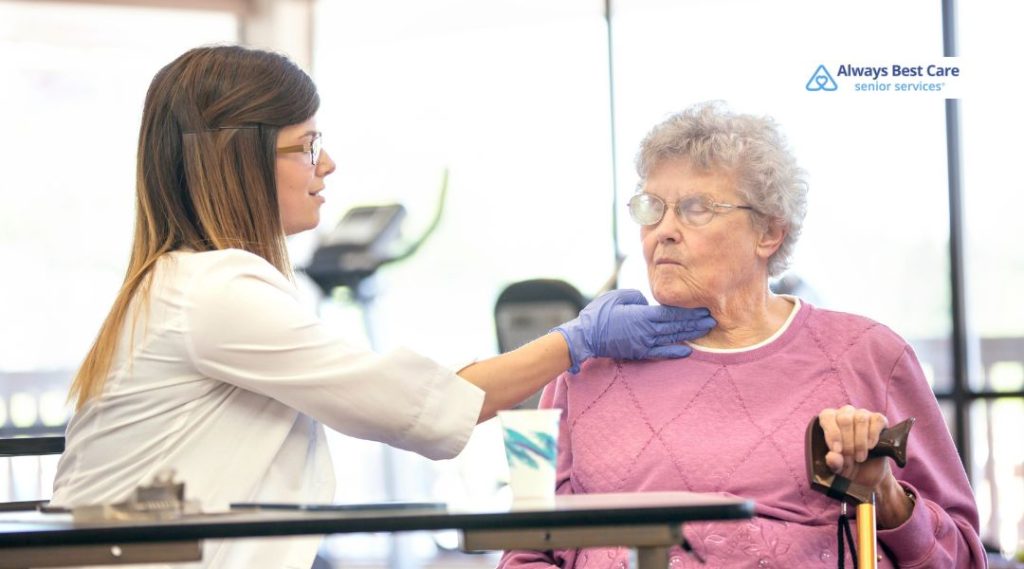
Table of Contents
How Stroke and Neurological Conditions Affect Communication
Speech and language live in the brain, so when a stroke or neurological condition affects certain areas, communication can change dramatically. Those changes vary, but often include:
- Difficulty finding or forming the right words
- Slurred or unclear speech
- Problems understanding what others say
- Trouble reading, writing, or following multi-step directions
- Changes in voice volume, tone, or rhythm
- Swallowing challenges that affect safety at meals
Conditions like stroke, Parkinson’s disease, dementia, and other neurological disorders can all impact how seniors express themselves and process language. At-home speech therapy focuses on working with what’s still strong while gently rebuilding what’s been lost.
Why At-Home Speech Therapy Works Well for Chapel Hill Seniors
Chapel Hill has excellent medical resources, but getting to and from appointments isn’t always easy—especially for seniors with mobility issues, fatigue, or anxiety in busy environments. At-home speech therapy offers several important advantages.
Benefits include:
- No need to arrange transportation or navigate traffic and parking
- Familiar surroundings that help reduce stress and confusion
- Practice with real-life tasks—answering the phone, chatting with family, reading mail
- Easier involvement of spouses, adult children, and other caregivers in sessions
Instead of practicing in a clinical room and hoping it carries over, seniors work on communication skills in the exact spaces where they actually talk, eat, and interact every day.
What At-Home Speech Therapists Do With Seniors
Speech-language pathologists (SLPs) who come to the home don’t just “drill words.” They start by getting to know the senior’s medical history, strengths, challenges, and personal goals. Then they design sessions around what will actually make life easier and more meaningful.
At-home speech therapy may include:
- Exercises to strengthen muscles used for speech and swallowing
- Word-finding and sentence-building activities
- Practice understanding questions, stories, or conversations
- Work on clearer pronunciation, pacing, and voice volume
- Reading and writing tasks tailored to the senior’s level
- Swallowing safety strategies, posture adjustments, and guidance on food textures if needed
Sessions are typically paced to match the senior’s energy and attention—enough challenge to encourage progress without causing overwhelm.
Supporting Everyday Communication, Not Just Exercises
The true test of speech therapy isn’t how well a senior does in a session; it’s how communication feels at the dinner table, on the phone, or during a visit with friends. At-home therapy in Chapel Hill is designed with those everyday moments in mind.
Therapists often help seniors and families:
- Develop simple phrases and “go-to” sentences that are easier to say
- Use tools like notebooks, communication boards, or apps when speech gets stuck
- Learn to slow down, repeat, or rephrase without causing embarrassment
- Create quieter, more focused spaces for important conversations
These strategies turn stressful exchanges into more manageable, respectful interactions—where everyone feels heard and less rushed.

Swallowing Support: Staying Safe and Comfortable at Mealtimes
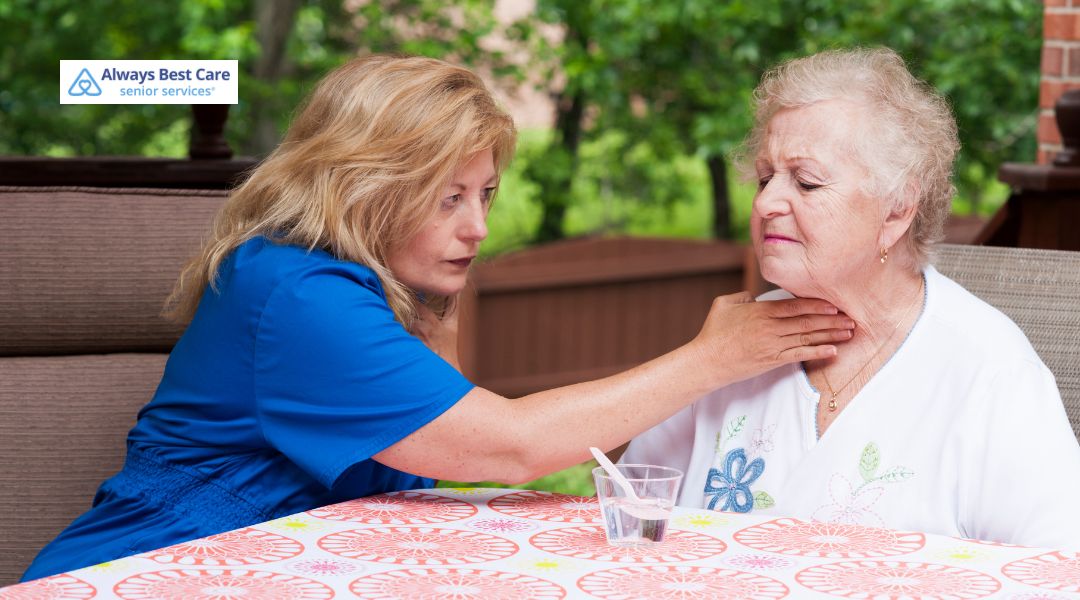
Many seniors recovering from stroke or living with neurological conditions also struggle with swallowing. Coughing during meals, feeling like food “sticks,” or taking much longer to eat can all be signs of a swallowing issue.
At-home speech therapists can:
- Evaluate swallowing safety in the real-world eating environment
- Suggest posture changes, pacing techniques, and small sips or bites
- Recommend food and liquid textures that are easier and safer to swallow
- Teach families what to watch for during meals, such as frequent coughing or a wet-sounding voice
These adjustments help keep mealtimes safer and more enjoyable, while reducing the risk of choking or aspiration-related complications.
Involving Chapel Hill Families in the Therapy Process
Family members are a big part of communication life—and recovery. At-home speech therapy naturally pulls spouses, adult children, and other caregivers into the process in a way clinic sessions sometimes don’t.
Therapists can:
- Demonstrate supportive ways to respond when words don’t come out right
- Offer scripts and communication tips for everyday situations
- Show family how to practice certain strategies between sessions
- Help loved ones understand what the senior can and cannot control
This shared understanding reduces frustration on both sides and turns communication practice into something the whole household can gently support.

Building Confidence One Conversation at a Time
Communication changes can chip away at a senior’s confidence. They may start avoiding phone calls, visitors, or even simple chats out of fear of “messing up.” Over time, that isolation can be just as harmful as the speech difficulties themselves.
At-home speech therapy helps rebuild confidence by:
- Celebrating small, meaningful improvements
- Setting realistic goals that feel personal (like ordering at a favorite restaurant, greeting neighbors, or calling a grandchild)
- Normalizing mistakes as part of progress instead of failures
- Encouraging seniors to keep trying, even when words come slowly
As confidence grows, many Chapel Hill seniors find themselves participating more in family life, social events, and community activities again—even if communication isn’t “perfect.”
FAQs About At-Home Speech Therapy in Chapel Hill
Q: Who can benefit from at-home speech therapy in Chapel Hill?
A: Seniors recovering from stroke or living with conditions like Parkinson’s disease, dementia, or other neurological disorders can benefit—especially if they have changes in speech, understanding, reading, writing, or swallowing.
Q: How often do at-home speech therapy sessions usually happen?
A: Frequency varies, but many seniors start with one to several sessions per week, depending on their needs, goals, and medical recommendations. The schedule can be adjusted over time as progress is made.
Q: Can family members join at-home speech therapy sessions?
A: Yes, and it’s often encouraged. Family involvement helps everyone learn strategies together and makes it easier to carry over new skills into everyday routines.
Q: Is it too late for speech therapy if the stroke happened a while ago?
A: Not necessarily. While earlier intervention can be helpful, many seniors make meaningful gains even months or years after a stroke or diagnosis. Goals may shift, but progress and comfort can still improve.
Q: Does at-home speech therapy help if the senior has memory issues, too?
A: Yes. Therapists can adapt strategies for seniors with memory changes, using repetition, visual cues, routines, and simplified communication to support understanding and expression.
Q: Bringing Hope Back Into Everyday Conversations
A: For Chapel Hill seniors living with the effects of stroke or neurological conditions, communication challenges can feel like a wall between them and the people they care about most. At-home speech therapy offers a way to gently take that wall down—brick by brick—through personalized exercises, real-life practice, and family-centered support.
Support Clearer Communication and Confidence at Home
By meeting seniors where they are, in the comfort of home, at-home speech therapy turns ordinary moments—sharing stories, asking questions, laughing over memories—back into opportunities for connection, dignity, and hope. Contact Always Best Care of Chapel Hill at (336)270-4352 to learn more and schedule your free consultation.
Link to the markdown version of this blog.