

Recognizing Blood Sugar Issues in Elderly Loved Ones: What Families Need to Know in Chapel Hill, NC
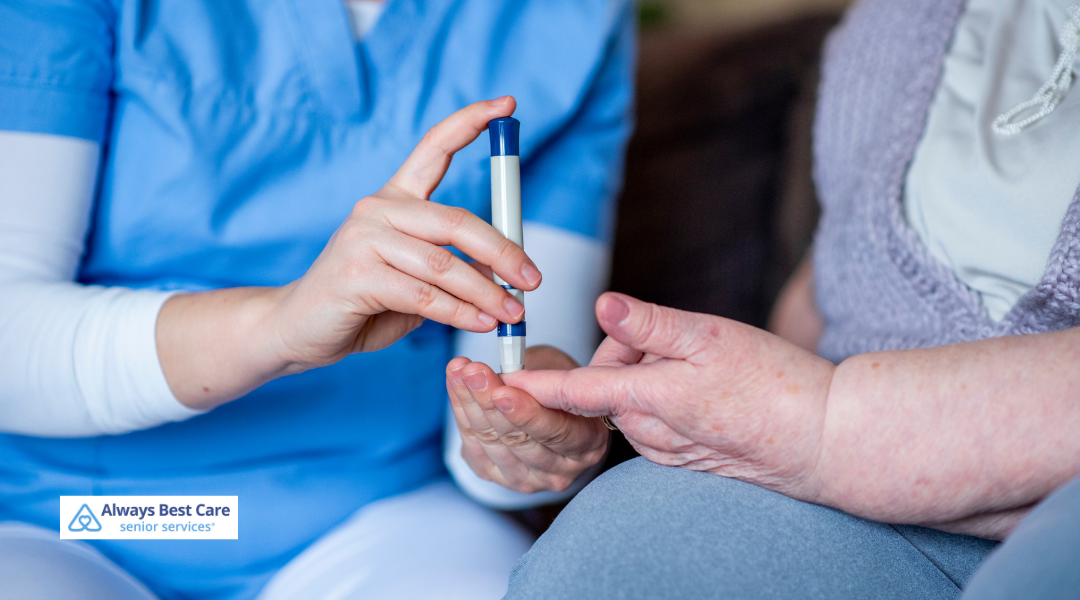
Blood sugar can shift fast in older adults, and those changes don’t always wave a big red flag. Sometimes the signs are subtle, sneaky, and easy to brush off as “just aging,” which is exactly why families need to stay sharp.
Table of Contents
What You Will Learn
- Why blood sugar can become more difficult to manage as older adults experience changes in appetite, medications, health conditions, memory, vision, mobility, and activity level.
- Common warning signs of low blood sugar, including shakiness, sweating, dizziness, weakness, hunger, headache, irritability, confusion, and poor coordination.
- Common signs of high blood sugar, such as increased thirst, frequent urination, blurred vision, fatigue, unexplained weight loss, and slow-healing cuts or wounds.
- Why sudden confusion, unusual behavior, fainting, seizures, severe weakness, trouble breathing, or a major change from a loved one’s usual routine requires prompt medical attention.
- How consistent meals, prescribed medication routines, hydration, glucose monitoring, safe activity, and medical follow-up can help support steadier diabetes care.
- How personalized non-medical in-home care can help seniors maintain safer routines when memory changes, arthritis, reduced vision, mobility limitations, or caregiver stress affect diabetes self-management.

Why Blood Sugar Gets Trickier with Age
As people get older, diabetes care can become a moving target. Health conditions may pile up, medications may change, and appetite or activity may not stay steady. A skipped meal, a new prescription, or even a short illness can throw blood sugar off balance.
Memory troubles, vision changes, or trouble moving around can make things harder too. So, keeping an eye on daily patterns matters more than ever.
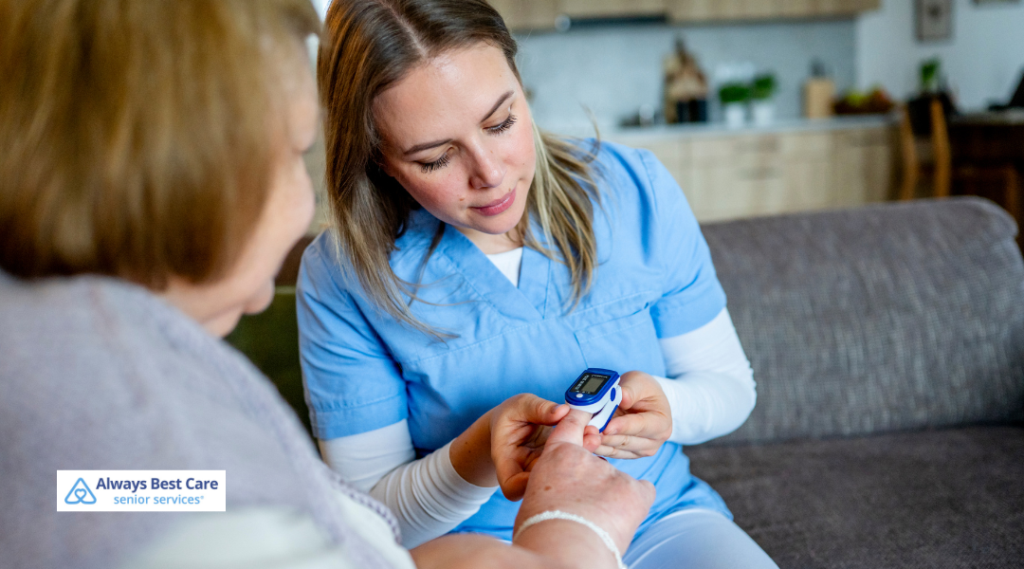
Warning Signs of Low Blood Sugar
Low blood sugar can come on quickly, and it may not look dramatic at first. Still, it can turn serious in a hurry.
Common signs include:
- Shaking or sweating
- Dizziness or weakness
- Hunger
- Headache
- Irritability or anxiety
- Trouble focusing
- Confusion
- Poor coordination
In older adults, these signs can look like ordinary aging, but sudden confusion or unusual behavior shouldn’t be shrugged off. If blood sugar drops too far, a person may have a seizure or pass out.

Warning Signs of High Blood Sugar
High blood sugar tends to creep up more slowly, so it’s easy to miss until trouble is already brewing. Keep an eye out for:
- Increased thirst
- Frequent urination
- Blurry vision
- Fatigue
- Headache
- Unexplained weight loss
- Slow-healing cuts or wounds
If blood sugar stays high for too long, it can hurt the eyes, kidneys, nerves, heart, and blood vessels. Severe confusion, breathing trouble, fainting, or sudden weakness calls for emergency help right away.

Spotting Changes from the Usual Routine
Families don’t need a medical degree to notice something’s off. Really, knowing what’s normal for your loved one is half the battle.
For example:
- A parent who’s usually lively may seem wiped out.
- A loved one may start drinking water nonstop.
- Someone who’s normally steady may become shaky or confused.
Those changes deserve attention, not a shrug and a “well, that’s aging for you.” Ask the doctor about personal blood sugar goals, how often to check levels, and which symptoms mean it’s time to call for help.

Simple Habits That Help
A steady routine can make diabetes care easier to handle. Depending on the care plan, helpful habits may include:
- Eating meals and snacks at regular times.
- Taking medicine exactly as prescribed.
- Checking blood sugar as directed.
- Drinking enough water.
- Staying active in safe, appropriate ways.
- Keeping medical appointments.
It also helps to tell the healthcare provider about every medicine and supplement being used, since changes can affect blood sugar.

When Memory or Mobility Gets in the Way in Chapel Hill, NC
Diabetes care takes focus, and that’s not always easy for older adults. Missed meals, forgotten medicine, or skipped checks can happen when memory slips.
Physical issues can add to the challenge. Arthritis, shaky hands, poor vision, or limited movement may make it tough to test blood sugar, cook balanced meals, or get to appointments. When that starts happening, extra help at home may be a smart next step.
How Always Best Care of Chapel Hill, NC Can Help
At Always Best Care of Chapel Hill, NC, we help make daily life smoother and safer for seniors living with diabetes. We can support routines by helping with meals, medication reminders, hydration, safe activity, transportation, and watching for changes that should be shared with family or a doctor.
For seniors who qualify for home health services, trained healthcare professionals can provide added support based on the person’s medical plan.
FAQ
Q: What should families watch for first?
A: Sudden confusion, weakness, shakiness, extreme thirst, or unusual tiredness can all point to blood sugar trouble.
Q: Can low blood sugar look like normal aging?
A: Yes, and that’s the tricky part. Confusion, unsteadiness, and irritability may seem mild at first, but they can signal a problem.
Q: What should we do if symptoms seem serious?
A: Get medical help right away if there’s fainting, seizure activity, breathing trouble, or major confusion.
Q: How can we help a loved one stay on track?
A: Keep meals, medicine, blood sugar checks, and appointments as regular as possible. Small routines go a long way.

Support Safer Diabetes Routines at Home
Blood sugar changes can happen quickly, and older adults may not always recognize or communicate the early warning signs. By learning what is normal for your loved one, paying attention to meaningful changes, and following the healthcare team’s individualized diabetes plan, your family can help make daily life safer and less stressful.
Always Best Care of Chapel Hill can provide personalized non-medical in-home support built around your loved one’s routines, preferences, abilities, and care plan. Our caregivers can help with meal preparation, companionship, transportation to appointments, hydration encouragement, light housekeeping, errands, routine reminders, and meaningful daily activities.
Contact Always Best Care of Chapel Hill at (336)270-4352 to learn more and schedule your free consultation.
Link to the Markdown version of this blog.