

Brain Injury Awareness Month: What Chapel Hill Families Should Know to Support Recovery at Home

Recovering from a brain injury doesn’t always look the way people expect. The biggest changes may not be physical — they often show up in memory, mood, focus, or behavior. For families in Chapel Hill, learning what to watch for and how to respond can make the home feel safer, calmer, and more supportive during recovery.
Brain Injury Recovery at Home in Chapel Hill is about more than healing. It’s about helping loved ones rebuild confidence, adjust to new routines, and feel secure in familiar surroundings. With patience, structure, and the right kind of support, home can become a place where progress happens one steady step at a time.
Table of Contents
What You Will Learn
- Common changes families may notice after a brain injury
- How to create a safer home environment that reduces stress and fall risks
- Simple routines that support memory, focus, and emotional well-being
- How in-home care can provide steady, day-to-day support and reassurance
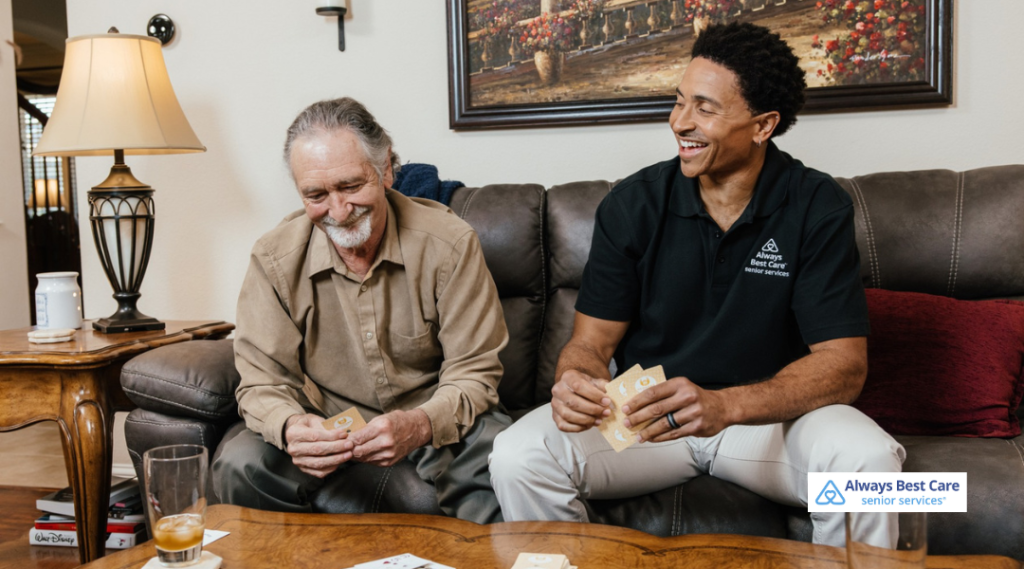
What Changes Might Look Like After a Brain Injury
Every recovery experience is different, but many families notice subtle shifts in how their loved one thinks, feels, or reacts to daily situations. These changes can feel confusing at first, especially if they happen gradually.
Common things families may observe include:
- Trouble remembering recent conversations or tasks
- Mood swings or emotional sensitivity
- Difficulty concentrating
- Slower responses or decision-making
- Feeling overwhelmed by busy environments
Recognizing these changes helps families respond with patience and understanding rather than frustration.
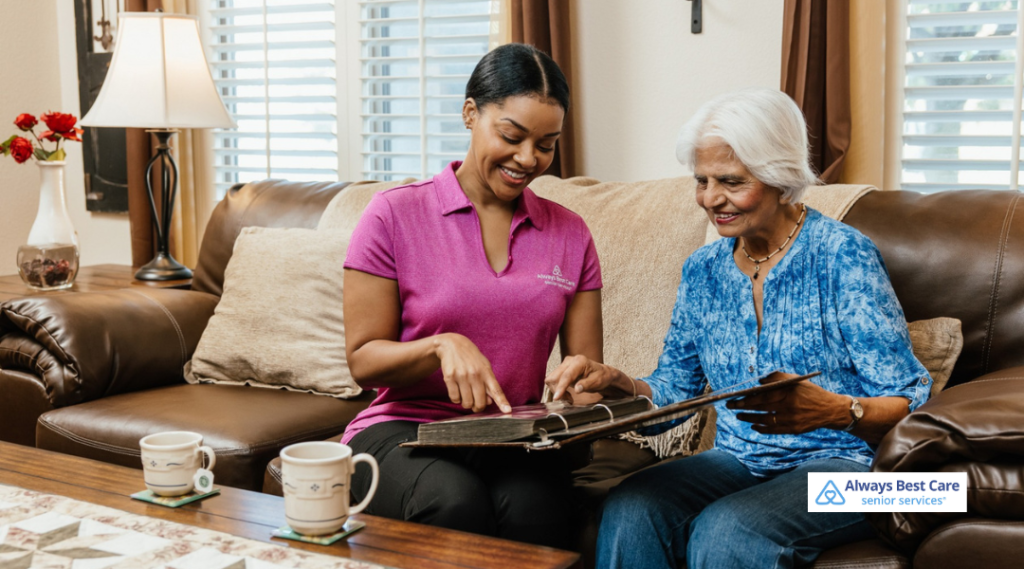
Why a Calm Environment Supports Healing
After a brain injury, too much noise, clutter, or activity can feel overwhelming. A calm, organized home can help reduce mental strain and make it easier to focus on recovery.
Simple ways to create a more supportive space include:
- Keeping rooms tidy and easy to navigate
- Reducing background noise when possible
- Using labels or notes as gentle reminders
- Keeping daily essentials in familiar places
These small adjustments can help make the home feel steady and predictable.
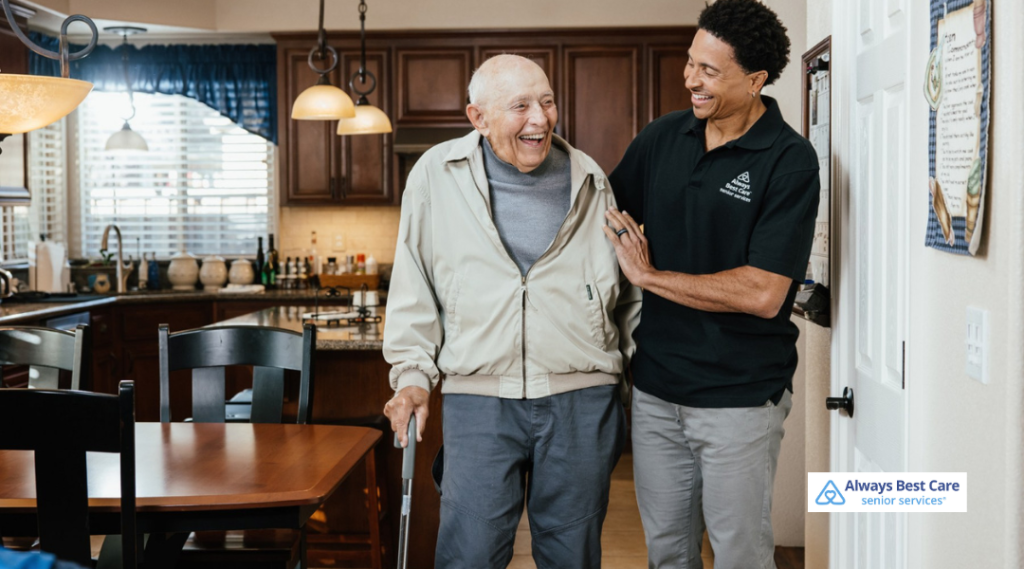
Reducing Fall Risks at Home
Balance and coordination can be affected after a brain injury. Even small safety improvements can lower the chance of falls and help seniors feel more confident moving around.
Helpful safety steps may include:
- Keeping floors clear of clutter
- Making sure walkways are well-lit
- Adding support rails where needed
- Choosing comfortable, non-slip footwear
A safer environment can support independence while protecting against injury.

Building Gentle Routines That Encourage Progress
Structure plays a big role in helping the brain adjust and heal. A predictable daily routine can help seniors feel more comfortable and reduce confusion.
Helpful routine ideas include:
- Waking up and going to bed at consistent times
- Keeping meals on a steady schedule
- Planning simple daily activities
- Allowing time for rest and quiet moments
A steady rhythm helps bring a sense of calm to each day.
Supporting Memory and Focus in Everyday Life
Memory and concentration can take time to improve. Simple tools and habits can make daily life feel more manageable.
Families may find it helpful to:
- Write down reminders for important tasks
- Use calendars for appointments
- Repeat information calmly if needed
- Break tasks into smaller steps
These gentle supports can make routines easier to follow without adding pressure.
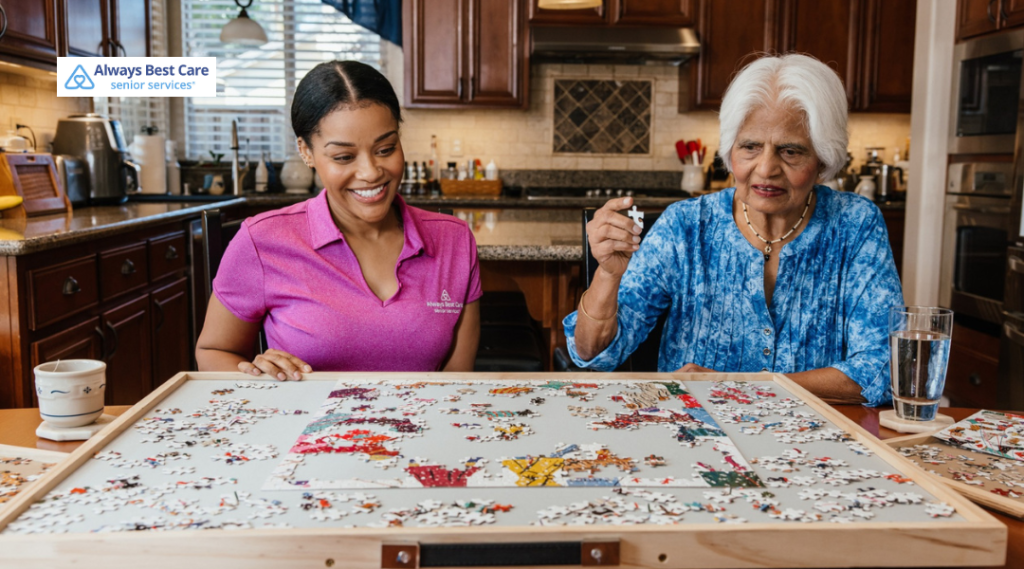
Helping Loved Ones Rebuild Confidence
After a brain injury, seniors may feel unsure about their abilities. Encouragement and patience can help rebuild confidence over time.
Support can look like:
- Allowing extra time to complete tasks
- Offering reassurance during challenging moments
- Celebrating progress, even in small ways
- Encouraging independence when it’s safe to do so
Confidence grows slowly, and steady support makes that growth possible.
How Brain Injury Recovery at Home in Chapel Hill Supports Independence
Healing at home allows seniors to stay connected to familiar routines and surroundings. This comfort can help reduce anxiety and support emotional well-being.
A supportive home environment can help seniors:
- Feel more relaxed and secure
- Stay involved in daily life
- Maintain independence
- Build confidence over time
Even small improvements can lead to meaningful progress.
The Role of Family and In-Home Care Support
Families often carry much of the responsibility during recovery. Having consistent support can ease that pressure and create a more balanced routine.
In-home care can help by:
- Assisting with daily routines
- Providing companionship and encouragement
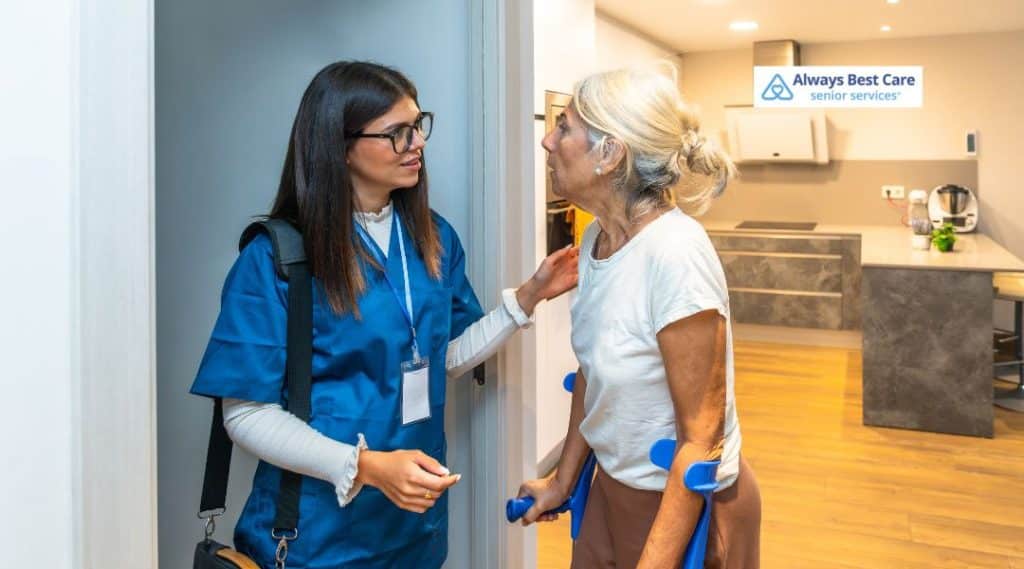
- Supporting safe movement around the home
- Offering reminders that help maintain structure
This extra support can help seniors stay on track while giving families peace of mind.
FAQs About Brain Injury Recovery at Home in Chapel Hill
Q: What are the most common changes after a brain injury?
A: Memory lapses, mood changes, slower thinking, and trouble focusing are all common during recovery.
Q: Why is routine important after a brain injury?
A: Structure helps reduce confusion, supports memory, and creates a sense of comfort and stability.
Q: How can families make the home safer?
A: Keeping walkways clear, improving lighting, and reducing clutter can help lower fall risks.
Q: How can I support a loved one who feels frustrated?
A: Offer reassurance, stay patient, and give them time to complete tasks at their own pace.
Q: Can in-home care help with recovery?
A: Yes. Caregivers can provide daily support, reminders, and companionship that help maintain routines and comfort.
Need Extra Support With Brain Injury Recovery at Home in Chapel Hill?
Recovery after a brain injury takes time, patience, and understanding. With a calm home environment, steady routines, and gentle support, seniors can rebuild confidence and adjust to daily life more comfortably.
For families in Chapel Hill, having extra help can make a meaningful difference. Consistent in-home care provides reassurance, stability, and day-to-day support that helps loved ones stay safe while working toward greater independence.
Contact Always Best Care of Chapel Hill at (336)270-4352 to learn more and schedule your free consultation.
Link to the markdown version of this blog.