
Parkinson’s Awareness Month in Chapel Hill: How Families Can Support Life at Home

When a loved one is living with Parkinson’s disease, home life doesn’t usually change overnight. Instead, Chapel Hill families often notice subtle shifts: a slower walk down the hallway, more time spent in a favorite chair, or buttons and shoelaces suddenly becoming a bigger deal than they used to be.
Those small changes can be easy to dismiss at first—and then quietly grow into worry. Parkinson’s Awareness Month offers a chance to better understand what’s happening and how to support life at home in ways that feel practical, respectful, and sustainable for everyone.

Table of Contents
What Parkinson’s Can Look Like at Home
At home, Parkinson’s often shows up in the way someone moves through their day. You might notice:
- Shorter, shuffling steps rather than a steady stride
- Trouble starting movement, especially at doorways (“freezing”)
- Stooped posture or leaning forward while walking
- Hesitation when turning, backing up, or navigating tight spaces
These changes can make simple things—like getting from the bedroom to the bathroom—feel more tiring and less secure.
Energy and Daily Rhythm
Energy tends to come and go in new ways. Families often notice:
- More fatigue after small tasks like dressing or showering
- “On” periods when medications are working well and movement is easier
- “Off” times when stiffness, slowness, or tremors are more noticeable
- A stronger need for planned rest breaks throughout the day
Understanding this rhythm helps you plan activities and appointments around better times, rather than fighting against your loved one’s energy.

Mood, Thinking, and Expression
Parkinson’s can affect more than muscles. At home, you may see:
- A flatter or quieter voice that’s harder to hear
- Fewer facial expressions, even when your loved one feels engaged
- Slower responses to questions or decisions
- Frustration, worry, or low mood when tasks feel harder than they used to
These changes don’t mean your loved one cares less—they simply may need more time and a different kind of support.
Simple Home-Safety Ideas for Chapel Hill Homes
A few thoughtful changes around the house can significantly lower fall risks:
- Remove or secure loose rugs, especially in hallways and near stairs
- Keep walkways free of cords, stacks of magazines, and clutter
- Arrange furniture so paths are wide and straight instead of zigzagging
- Add nightlights in bedrooms, hallways, and bathrooms for better visibility at night
Try walking the routes your loved one uses most and look for anything that could catch a toe or require a sudden twist.
Bathroom and Bedroom Adjustments
The bathroom and bedroom are key spots for safety:
- Install grab bars near the toilet and inside or just outside the shower
- Use non-slip mats in the tub and on bathroom floors
- Choose a bed height that makes it easier to sit down and stand up
- Consider a sturdy chair with arms in the bedroom or living room to help with safe transfers
These changes help keep essential routines possible and safer, especially on days when movement is slower or stiffness is worse.
Getting Dressed Without the Rush
Getting dressed can take more time and energy with Parkinson’s. You can make it easier by:
- Allowing extra time in the morning so there’s no pressure to hurry
- Choosing clothes with elastic waistbands, larger buttons, or Velcro fasteners
- Encouraging dressing while seated to reduce the risk of losing balance
- Laying out clothes in the order they’re put on
A calmer, more structured routine can reduce frustration for both you and your loved one.

Moving Around the House More Comfortably
Movement becomes safer and more predictable when it’s done with intention:
- Encourage your loved one to pause before standing, then stand up slowly
- After standing, have them wait a moment to make sure they feel steady before walking
- Use canes, walkers, or other supports recommended by their care team—and keep them within easy reach
- Break longer walks (like to the mailbox or back yard) into smaller segments with built-in rest stops
The goal is steady, confident movement—not speed.
Staying Engaged in Familiar Activities
Parkinson’s doesn’t erase hobbies and interests; it just reshapes how they’re done. To keep your loved one involved:
- Modify favorite activities, like gardening in raised beds or from a chair
- Use better lighting and larger-print materials for reading or puzzles
- Schedule social calls or visits during “on” times when your loved one feels their best
- Be flexible—shorter, more frequent activities may work better than longer sessions
Staying engaged supports emotional well-being and helps life feel more like “themselves,” even as routines change.
Communicating with More Calm and Clarity
Conversations may take more time, but they can still be meaningful and warm. Helpful habits include:
- Facing your loved one and limiting background noise when talking
- Asking one question at a time rather than several at once
- Giving plenty of time for answers without jumping in too quickly
- Repeating or rephrasing gently if something isn’t clear
Patience here can make your loved one feel respected instead of rushed or judged.
Navigating Sensitive Topics
Discussions about driving, safety, or needing more help can be emotionally charged. You can ease these talks by:
- Framing concerns around shared goals (“We both want you to be safe and stay at home.”)
- Sharing specific examples rather than broad criticism (“I’ve noticed you’re grabbing the wall more in the hallway.”)
- Involving healthcare providers as neutral voices in the conversation
- Breaking big topics into shorter, ongoing conversations
Remember, the goal is to plan together, not win an argument.
How In-Home Care Can Support Chapel Hill Families
In-home caregivers can be a valuable part of the support team, especially as Parkinson’s progresses. They can help with:
- Bathing, dressing, and grooming on days when those tasks feel especially hard
- Preparing simple meals and keeping the kitchen safe and organized
- Offering companionship and supervision so family caregivers can rest or run errands
Having reliable help can turn daily life from a constant scramble into a more sustainable routine.
Working Alongside the Medical Team
In-home care doesn’t replace your loved one’s neurologist or therapy team—it complements them by:
- Providing reminders for medication timing and watching how medications affect movement and mood
- Encouraging safe movement, light exercise, and stretching is recommended by therapists
- Helping keep the home set up in line with professional safety suggestions
- Noticing changes in function or mood and sharing those observations with the family
This teamwork helps ensure that medical advice actually translates into day-to-day habits at home.
Caring for Yourself as a Chapel Hill Caregiver
Caregivers often put themselves last without realizing it. Some signs you may need more support include:
- Constant fatigue, even after a full night’s sleep
- Feeling easily irritated or overwhelmed
- Losing interest in your own hobbies or social life
- Feeling guilty any time you think about taking a break
These feelings are common—and they’re a signal that you deserve support too.
Small Steps Toward Better Balance
You don’t have to solve everything at once. Start by:
- Taking short, regular breaks outside or in a quiet room
- Staying in touch with one or two trusted friends or family members
- Exploring respite care or a few hours of in-home help each week
- Looking into local or online Parkinson’s caregiver support groups in the Chapel Hill area
The healthier you are, the better you’ll be able to show up for your loved one over the long term.
Community Partners in Parkinson’s Care Program
Always Best Care of Chapel Hill participates in the nationally recognized Community Partners in Parkinson’s Care program, which provides specialized training for caregivers who support people living with Parkinson’s and dementia. This training goes beyond basic caregiving tasks to cover the unique movement, cognitive, and behavioral changes that can come with these conditions.
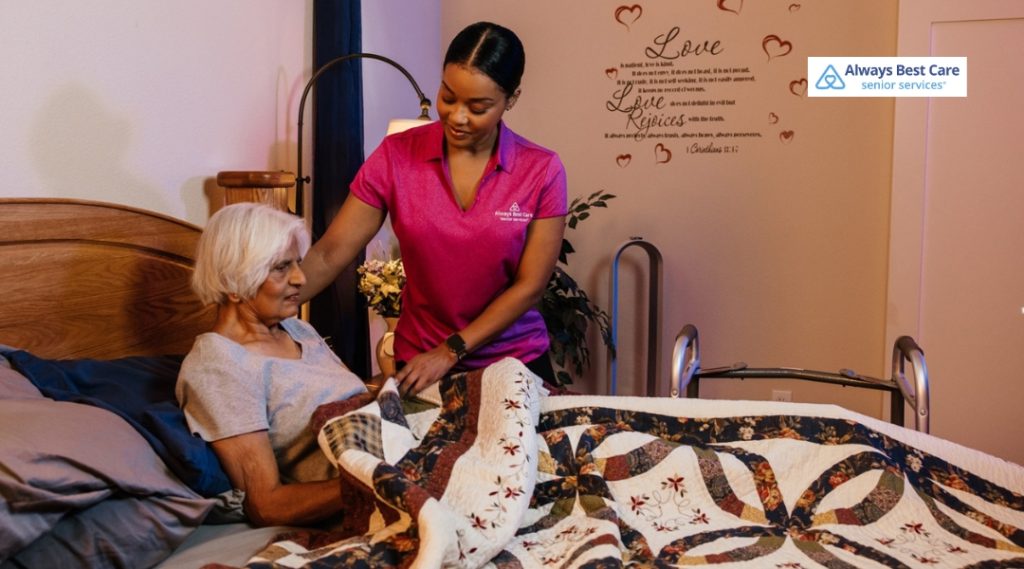
Caregivers learn how to manage symptoms safely, respond calmly to difficult moments, and support daily activities in ways that protect both dignity and safety. For families, that means the person walking through the door already understands Parkinson’s-specific challenges—including freezing episodes, medication timing patterns, and mood or behavior shifts.
How This Training Helps Families Day to Day
Trained caregivers use what they’ve learned in very practical ways at home:
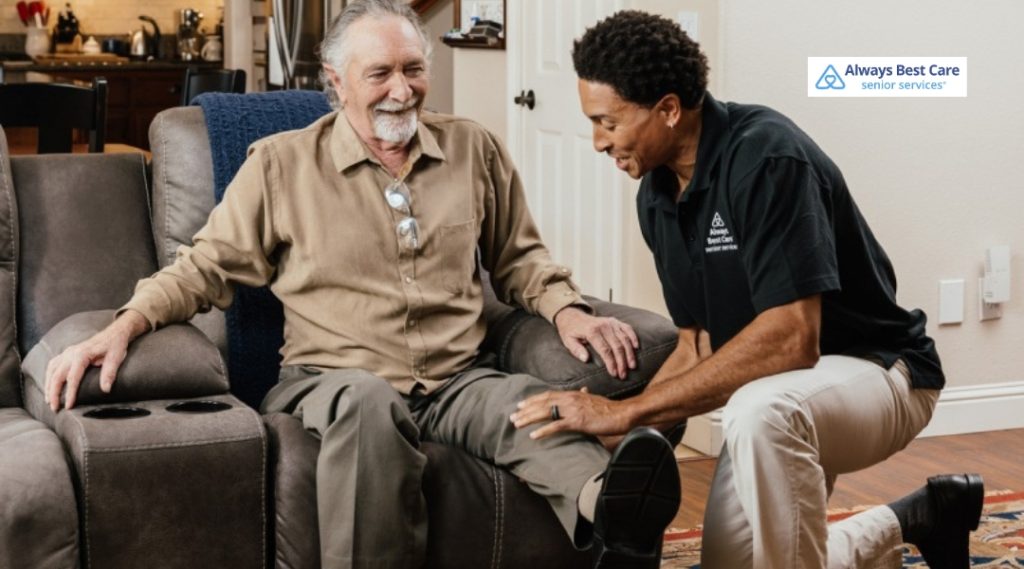
- Supporting bathing, dressing, and mobility with Parkinson’s-appropriate techniques
- Encouraging safe movement and mobility while being mindful of fall risks
- Responding to frustration, confusion, or emotional changes with patience and proven strategies
- Helping maintain routines and familiar activities that support confidence and independence
Because the program addresses both Parkinson’s and dementia, it’s especially helpful for Chapel Hill families whose loved ones experience memory changes alongside movement symptoms. This specialized training can reduce stress for families and improve quality of life for everyone in the home.
FAQs: Parkinson’s and Life at Home in Chapel Hill
Q: What early changes at home might suggest Parkinson’s?
A: Families often notice a shuffling walk, smaller handwriting, softer speech, slower movements, or difficulty with buttons and utensils before a formal diagnosis is made.
Q: How can we make our Chapel Hill home safer for a loved one with Parkinson’s?
A: Start by clearing clutter, securing or removing loose rugs, improving lighting, and adding grab bars or other steady supports in high-risk areas like bathrooms and near stairs.
Q: Which daily tasks usually become harder with Parkinson’s?
A: Common challenges include getting in and out of bed or chairs, bathing and dressing, navigating stairs, preparing meals, and walking safely through narrow or crowded spaces.
Q: How can in-home care help someone with Parkinson’s?
A: In-home caregivers can assist with personal care, meals, mobility, medication reminders, and companionship, while also reinforcing safety strategies recommended by your loved one’s medical providers.
Q: When should we consider bringing in extra help at home?
A: It’s wise to explore help when safety becomes a concern, when daily routines feel overwhelming, or when the primary caregiver feels consistently exhausted, stressed, or burned out.

Awareness That Leads to Real Support
Parkinson’s Awareness Month in Chapel Hill is about more than recognizing a diagnosis—it’s about understanding what life with Parkinson’s looks like inside real homes and families. With thoughtful home changes, kinder communication, and supportive in-home care working alongside your loved one’s medical team, you can create a daily life that feels safer, calmer, and more manageable for everyone.
Step by step, awareness can become action—and action can help your loved one continue living as comfortably and safely as possible in the home and community they know best. Contact Always Best Care of Chapel Hill at (336)270-4352 to learn more and schedule your free consultation.