

Protecting Your Loved Ones: Seasonal Health Tips for Seniors in Chapel Hill, NC

As the temperatures drop, the likelihood of seasonal illnesses such as colds, the flu, and respiratory infections rises. For older adults, these illnesses can escalate quickly, making prevention a top priority. Factors like weakened immune systems, chronic health conditions, and reduced mobility increase seniors’ vulnerability to these seasonal threats.
The silver lining? With thoughtful planning and proactive measures, families can help their loved ones maintain their health and well-being throughout the fall and winter months.
What you will learn:
- Why older adults in Chapel Hill face higher risks during seasonal changes and how aging affects illness prevention.
- Simple, proactive strategies to keep seniors healthy, from vaccinations and hygiene habits to immune-support routines.
- How to maintain a warm, safe, and well-ventilated home to reduce exposure to cold-weather viruses.
- The ways personalized caregiving can support illness prevention, early detection, and senior well-being during fall and winter.
Table of Contents
Why Seniors Face Higher Risks in Chapel Hill, NC

Aging naturally impacts the body, including the immune system. Over time, the body becomes less efficient at fighting off infections and recovering from illnesses. Chronic conditions such as diabetes, heart disease, or COPD can further complicate recovery and increase the severity of seasonal illnesses.
Even everyday factors like poor nutrition, dehydration, and limited physical activity can heighten the risk of illness during colder months. These challenges make it essential to adopt preventive strategies tailored to seniors’ unique needs.
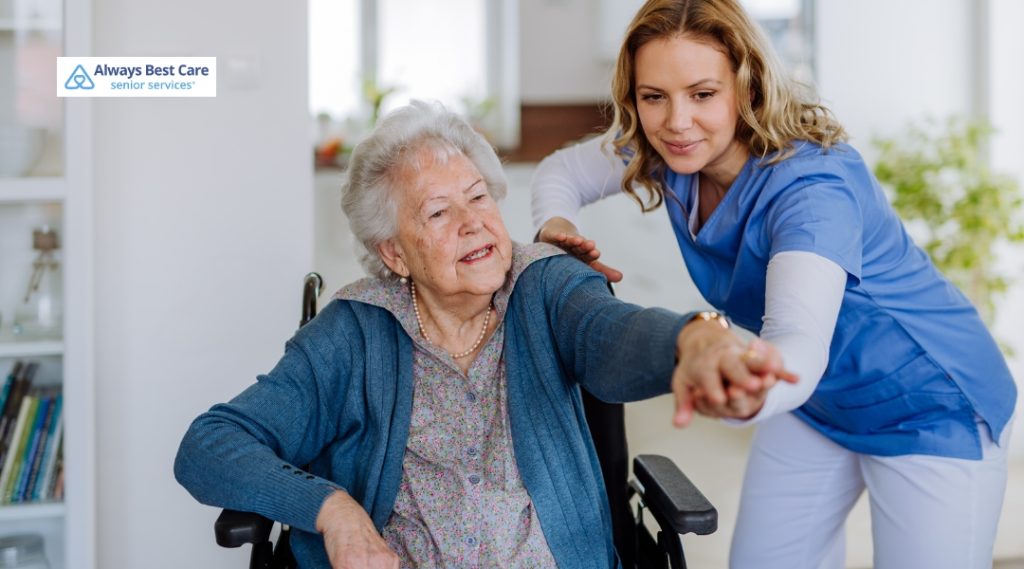
Actionable Steps to Prevent Seasonal Illness in Chapel Hill, NC
1. Stay Current on Vaccinations
Vaccines are one of the most effective tools for preventing seasonal illnesses. Ensure your loved one is up to date on the following:
- Flu vaccine: Updated annually to address new strains.
- COVID-19 boosters: Critical for reducing the risk of severe illness and hospitalization.
- Pneumonia vaccine: Recommended for adults aged 65 and older.
- RSV vaccine: A newer option that offers added protection for seniors.
Consult your loved one’s healthcare provider to determine the best vaccination schedule and dosages.
2. Practice Excellent Hygiene
Good hygiene habits are simple yet powerful in reducing the spread of germs:
- Encourage frequent handwashing with soap and warm water.
- Keep hand sanitizer accessible when outside the home.
- Regularly disinfect high-touch surfaces like door handles, light switches, and countertops.
- Remind your loved one to avoid touching their face and to cover coughs or sneezes properly.
Additionally, minimizing contact with individuals who are unwell can significantly reduce exposure during peak cold and flu season.
3. Strengthen the Immune System
Supporting the body’s natural defenses is just as important as avoiding germs. Focus on these key areas:
- Nutritious meals: Incorporate fruits, vegetables, lean proteins, and whole grains into daily meals.
- Hydration: Staying hydrated is crucial for immune health. Encourage water intake and warm beverages like herbal tea or broth.
- Quality sleep: Adequate rest is essential for the body to repair and fight infections.
- Moderate exercise: Light activities such as walking or stretching can boost circulation and immune function.
Caregivers from Always Best Care can assist with meal preparation, hydration reminders, and promoting healthy routines.
4. Stay Warm While Maintaining Ventilation
Cold weather can strain the body and increase the risk of illness, especially indoors where viruses spread more easily. To combat this:
- Ensure the home is well-heated and free from drafts.
- Dress in layers to stay warm without overheating.
- Maintain proper ventilation by cracking a window occasionally or using an air purifier to improve air circulation.
5. Be Alert to Early Symptoms
Seniors may not always exhibit typical signs of illness. Subtle changes in behavior or physical condition can indicate a problem. Watch for:
- Fatigue, confusion, or changes in appetite.
- Breathing difficulties or unusual coughing.
- Fever or chest discomfort.
Seek medical advice promptly if symptoms arise, and ensure medications and supplies are stocked in case of bad weather.
Professional caregivers can provide an extra layer of support by monitoring for early warning signs and arranging medical care when needed.
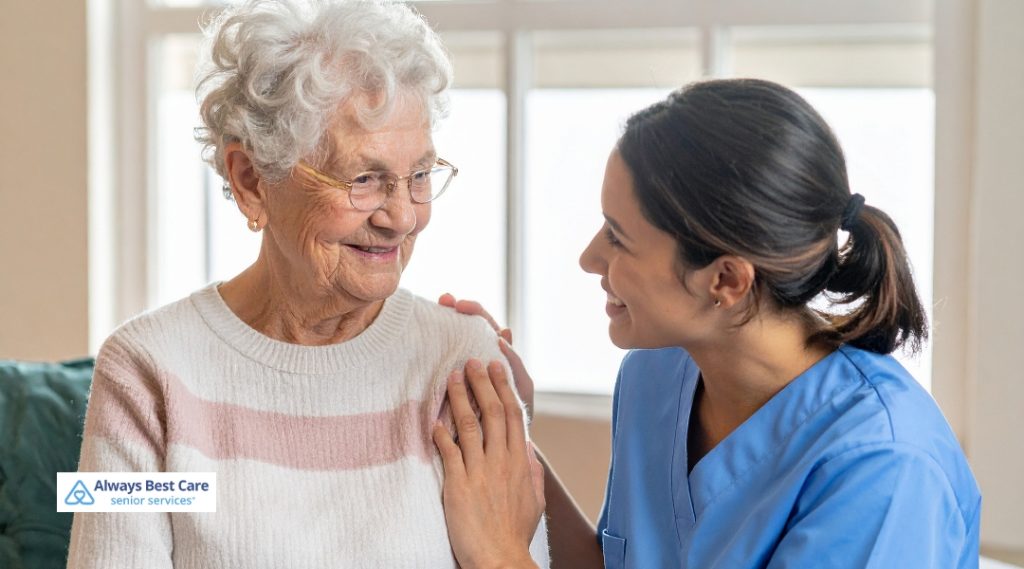
How Always Best Care of Chapel Hill, NC, Can Support You
At Always Best Care of Chapel Hill, we understand the importance of prevention and early intervention for seniors. Our dedicated caregivers offer personalized services to help your loved one stay healthy and comfortable throughout the season. We can:
- Provide medication reminders and accompany seniors to doctor appointments.
- Prepare balanced meals to support immune health.
- Encourage hydration and regular physical activity.
- Maintain a clean, safe, and cozy home environment.
- Offer companionship and emotional support during the quieter months.
By combining expert care with genuine compassion, we empower seniors to enjoy the season with confidence and peace of mind.

Ready to Keep Your Loved One Healthy This Season? Get Support Today.
Seasonal illnesses don’t have to disrupt your loved one’s life. With the right preparation, awareness, and support, seniors can navigate the colder months safely and comfortably.
Contact Always Best Care of Chapel Hill at (336)270-4352 to learn more and schedule your free consultation.