
Common Senior Scams in Chapel Hill, NC and How to Stop Them
Scams aimed at older adults aren’t just annoying—they’re heartbreaking. One smooth-talking stranger, one convincing email, and suddenly a senior who’s spent a lifetime saving and planning can see their money and peace of mind vanish into thin air.
In Chapel Hill, NC, families tell us the same thing again and again: “We had no idea it could happen to us.” The truth is, scammers are getting sharper, and they know exactly which buttons to push. That’s why we need to stay one step ahead of them.
In this guide, we’ll walk through how to spot senior scams, what red flags to watch for, and how we at Always Best Care of Chapel Hill, NC, partner with families to help protect the seniors they love.
What You Will Learn:
- Why seniors in Chapel Hill are frequently targeted by scammers.
- The most common scams affecting older adults.
- Key warning signs that indicate a potential scam.
- Practical steps families can take to prevent fraud.

Table of Contents
Why Are Seniors in Chapel Hill, NC So Often Targeted?
Scammers don’t pick names out of a hat. They look for people they think they can push around or confuse. Older adults often land in their crosshairs because they may:
- Be more trusting and polite with strangers, even on the phone
- Have savings, retirement accounts, or a steady income
- Live alone or go long stretches without visitors
- Feel less confident using smartphones, email, or online banking
Put all that together, and you get a perfect storm: someone who’s friendly, has money, and might not spot a high-tech con right away. That’s exactly what scammers are banking on.

Common Senior Scams in Chapel Hill, NC
1. Phone Scams
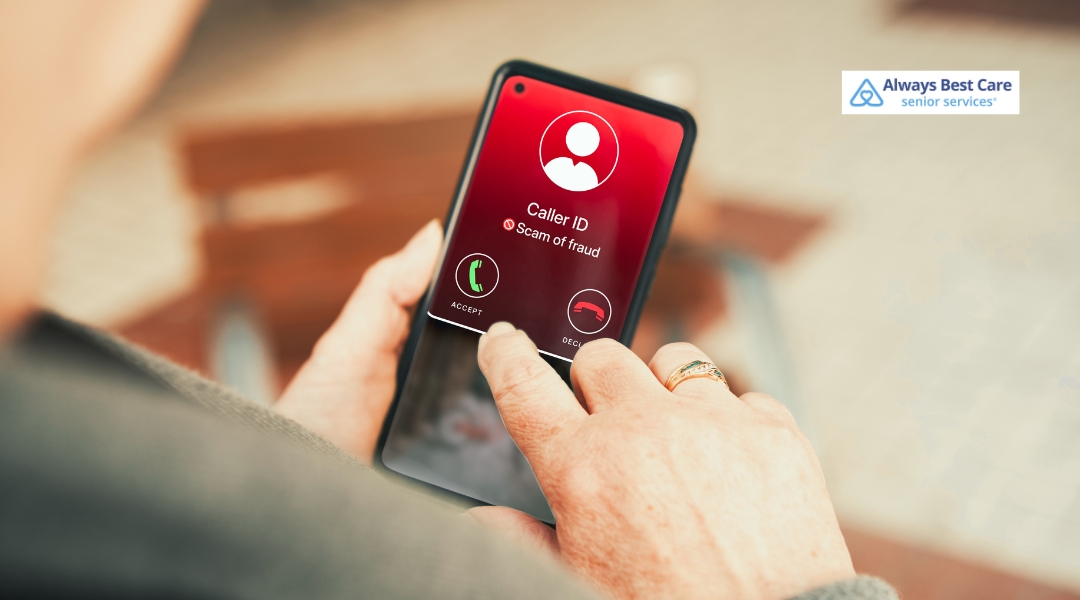
The phone rings, and the voice on the other end sounds official—or desperate.
Scammers might pretend to be:
- A government agency
- A utility company
- A bank or credit card provider
- A grandchild or other relative in trouble
They usually crank up the pressure fast: “You must pay today,” “Your account will be frozen,” or “I’m stuck and need money right now.” They may even demand that the senior not tell anyone else.
2. Email and Phishing Scams
Those slick emails or texts that look like they’re from a bank, Medicare, Social Security, or a well-known business? They may be traps.
Scammers send messages that:
- Ask the senior to “verify” account information
- Include links to fake websites that look real
- Request passwords, Social Security numbers, or bank details
One click, and the scammer’s halfway in the door.
3. Sweepstakes and Lottery Scams
Seniors are told they’ve won big—cash, cars, trips, you name it. But there’s a catch:
- They must pay “fees,” “taxes,” or “processing charges” up front
- They’re told to keep the win secret
- The “prize” never arrives
If someone has to pay to claim a prize, it’s almost always a scam.
4. Romance Scams
Online companionship can be comforting, especially for seniors who feel lonely. Sadly, scammers know this all too well.
They may:
- Build an emotional bond over weeks or months
- Share long, heartfelt messages
- Eventually claim a medical crisis, travel emergency, or sudden bill
- Ask for money, gift cards, or wire transfers
By the time money is requested, the senior may feel deeply attached and more willing to help.
5. Tech Support Scams
A pop-up appears on the computer: “Warning! Your device is infected!” Or someone calls claiming to be “tech support.”
Common tactics include:
- Asking for remote access to the computer
- Requesting payment to “fix” or “clean” the device
- Installing software that steals personal information
Legitimate tech support doesn’t call out of the blue or demand immediate payment with threats.
Warning Signs of Senior Scams
Many scams follow the same pattern. If we know what to look for, we’re far less likely to fall for it.
Watch for these red flags:
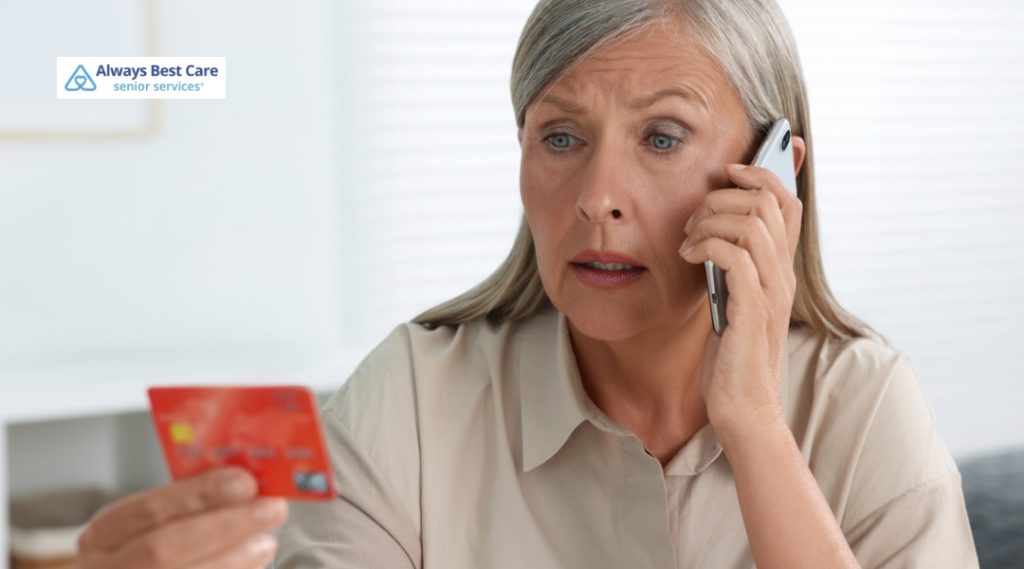
- Urgent payment demands: “Right now,” “today,” or “within the hour”
- Requests for payment using gift cards, wire transfers, or cryptocurrency
- Unsolicited calls, texts, or emails asking for personal or financial information
- Messages that use fear, guilt, or panic to push decisions
- Requests to keep things secret from family or friends
If something feels off or too good to be true, that’s the moment to pause, hang up, or close the email and double-check with someone trusted.
How Families Can Help Protect Loved Ones in Chapel Hill, NC
We don’t have to fight senior scams alone. Families in Chapel Hill can put a few practical habits in place that go a long way.
Consider:
- Talking often about scams: Share real examples and what to watch for
- Agreeing on a “check first” rule: Ask your loved one to call you before sending money or sharing information
- Keeping an eye on accounts for unusual withdrawals or sudden changes
- Setting up call blocking and email filters to cut down on spam and robocalls
- Encouraging second opinions on any financial decision that feels rushed
Most importantly, keep conversations judgment-free. If a senior worries they’ll be criticized, they may stay quiet—and that’s exactly what scammers want.

How In-Home Care Helps Prevent Senior Scams
Having someone trustworthy nearby is one of the most underrated protections against fraud.
At Always Best Care of Chapel Hill, NC, we don’t just support daily activities; we also help watch for odd or suspicious situations. We can:
- Screen phone calls or unexpected visitors at the door
- Notice changes in mood, anxiety, or money concerns
- Offer companionship, which reduces the loneliness scammers love to exploit
- Encourage open communication with family members about strange messages or requests
Because we spend regular time with seniors, we often pick up on little changes—more scam calls, new “friends” asking for money, or sudden secrecy around finances—that might otherwise fly under the radar.

What Should You Do If You Suspect a Scam?
If you think a loved one has been targeted or may already be caught up in a scam, time matters—but so does compassion.
Here’s a step-by-step approach:
- Contact the bank or financial institution right away to stop or reverse charges if possible.
- Report the scam to local law enforcement or adult protective services.
- Review recent transactions and keep watch for new suspicious activity.
- Offer steady reassurance—remind your loved one that scammers are experts at tricking people and that they’re not alone.
Many seniors feel embarrassed or blame themselves, which can make them shut down. A calm, nonjudgmental response goes a long way in helping them open up about what really happened.
FAQs About Senior Scams in Chapel Hill, NC
Q: How common are senior scams in Chapel Hill, NC?
A: Sadly, very common—and growing. As more services move online, scammers gain fresh ways to target older adults in every community, including Chapel Hill.
Q: What’s the biggest warning sign of a scam?
A: High pressure and secrecy. If someone demands immediate payment and insists your loved one keep it private, that’s a huge red flag.
Q: How can we talk about scams without scaring or insulting our loved one?
A: Focus on partnership. Say things like, “Scammers are getting really sneaky—let’s watch out for this together,” instead of, “You’re vulnerable.”
Q: Can caregivers really help prevent scams?
A: Yes. Regular caregivers can notice unusual calls, new “friends,” or sudden money worries and encourage seniors to loop family in before taking action.
Q: How does Always Best Care of Chapel Hill, NC help keep seniors safe from scams?
A: At Always Best Care of Chapel Hill, NC, we help monitor for suspicious activity, encourage safe habits, support open communication, and reduce isolation—one of the biggest risk factors for scams.

Help Your Loved One Stay Safe, Supported, and Protected
Senior scams aren’t going away, but we’re far from helpless. With some awareness, honest conversations, and the right support, families in Chapel Hill, NC can put strong safeguards in place.
At Always Best Care of Chapel Hill, NC, we see ourselves as partners in that effort. We work alongside families to help seniors stay safer, more confident, and more informed at home. If your loved one could use extra support, companionship, and another set of eyes on potential scams, we’re here to help. Contact Always Best Care of Chapel Hill at (336)270-4352 to learn more and schedule your free consultation.
Link to the markdown version of this blog.