
Creating a Dementia-Friendly Home in Chapel Hill: Safety, Comfort, and Calm
A dementia diagnosis doesn’t erase a person’s history, personality, or need for comfort. For Chapel Hill seniors, home is often where they feel most like themselves—surrounded by familiar photos, routines, and neighborhoods. But as memory and thinking change, the same home can quietly become confusing or unsafe.
The goal isn’t to turn the house into a hospital. It’s to make small, thoughtful tweaks that support safety, reduce anxiety, and keep daily life feeling as normal as possible. With the right changes—and support from providers like Always Best Care of Chapel Hill—families can help home remain a place of comfort rather than stress.
What You Will Learn:
What You Will Learn:
- How to make a home safer for someone living with dementia.
- Ways lighting, layout, and color can reduce confusion.
- How routines and environment support calm and independence.
- How in-home care helps maintain a safe, structured home.
Table of Contents
Start With Safety: Reducing Immediate Risks
Before worrying about labels or special equipment, it helps to address the biggest safety issues. Dementia can affect judgment, balance, and awareness of danger, so the environment should gently “guide” safer choices.
Clear and Simple Pathways
- Move small tables, plant stands, and extra chairs away from main walking routes.
- Pick up clutter, shoes, and loose items from hallways and between frequently used rooms.
- Keep pathways between bedroom, bathroom, kitchen, and favorite chair wide and unobstructed.
Bathroom and Kitchen Safety
- Add non-slip mats in the shower and on the bathroom floor.
- Install sturdy grab bars near the toilet and in the tub or shower.
- Consider a shower chair or bench so bathing can be done while seated.
- Store sharp knives, cleaning products, and breakable dishes where they’re not easily accessed without supervision.
Caregivers from Always Best Care of Chapel Hill can help families spot hazards they may have stopped noticing, and suggest practical changes that fit the home’s layout.

Use Light and Color to Ease Confusion
Poor lighting and low contrast can make rooms feel strange and disorienting for someone living with dementia. Simple adjustments can make spaces easier to understand at a glance.
Better, Softer Lighting
- Increase lighting in hallways, bathrooms, and stairways.
- Use nightlights to create a clear path from bedroom to bathroom.
- Avoid harsh glares; choose bulbs that provide even, warm light instead.
Helpful Contrast
- Choose towels, rugs, and toilet seats that contrast with the walls and floor so they stand out clearly.
- Use solid, contrasting plates and placemats so food is easier to see.
- Avoid overly busy patterns on carpets or bedspreads, which can look like “holes” or “moving shapes” to someone with dementia.
These visual cues make it easier for seniors to interpret their surroundings, which can help lower anxiety and hesitation.
Making Navigation Easier With Cues and Labels
Remembering where rooms are and what’s behind each door can become harder over time. Gentle cues reduce the need for constant verbal reminders and help seniors move more independently.
Ideas include:
- Labeling doors with words and simple images, such as “Bathroom,” “Bedroom,” or “Kitchen.”
- Using clear-front containers or labeled drawers for frequently used items like clothing, towels, or snacks.
- Placing a favorite photo or memory shadow box outside the bedroom door in shared homes to signal whose room it is.
Caregivers can follow the same cues and language you set up, reinforcing a consistent, easy-to-understand system throughout the day.
Creating Calm, Comfortable Spaces
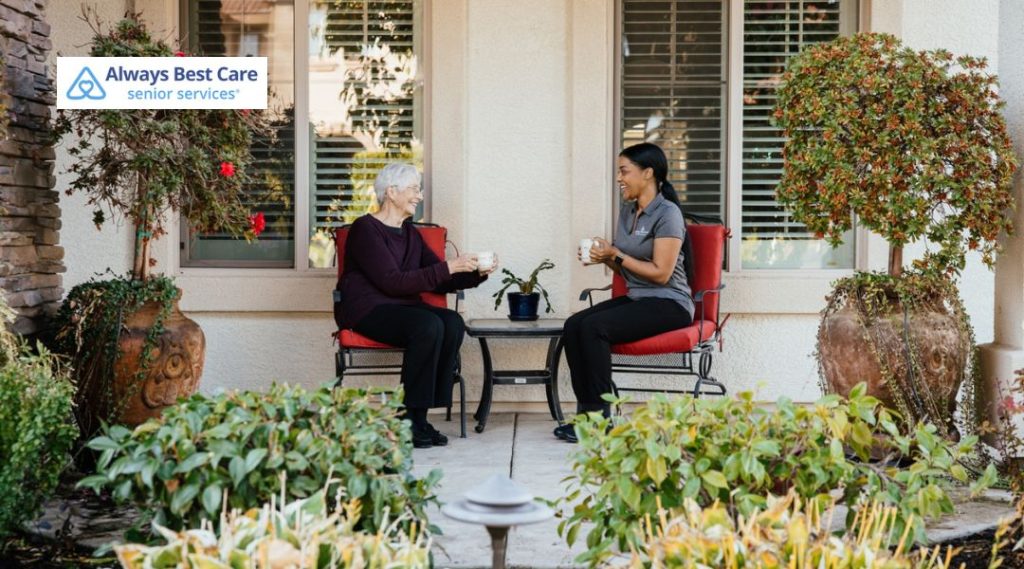
Dementia can make the world feel noisy and overwhelming. A dementia-friendly home in Chapel Hill leans toward calm and familiar, not sterile.
A Restful Bedroom
- Keep decorations simple and soothing, avoiding cluttered nightstands and dressers.
- Limit glowing electronics and noisy devices in the bedroom.
- Use a comfortable, easy-to-enter bed with a sturdy bedside lamp.
A “Comfort Corner”
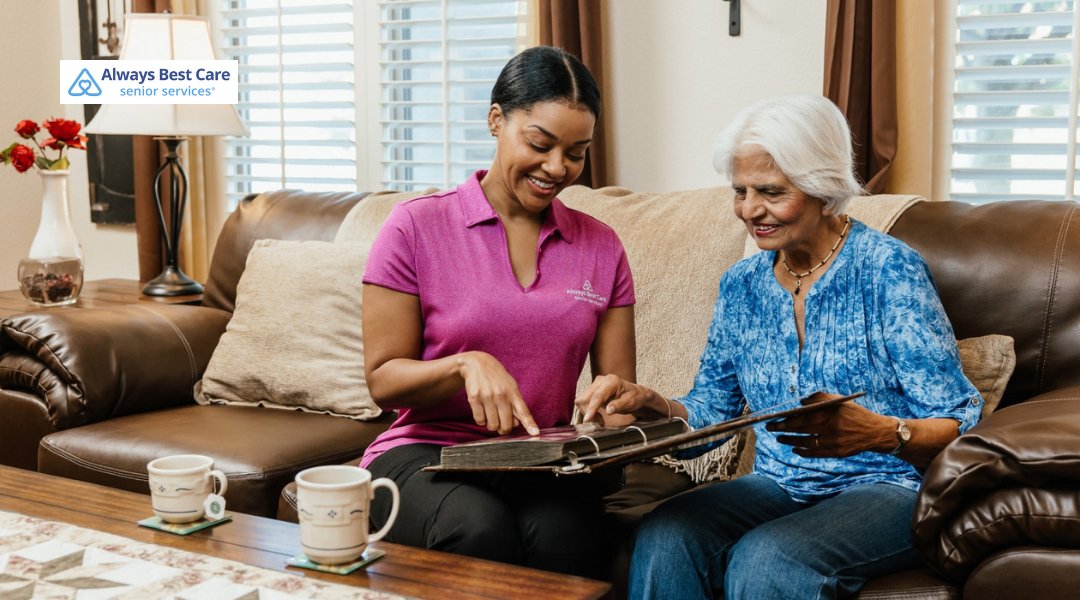
- Set up a favorite chair with a soft blanket, family photos, and familiar objects.
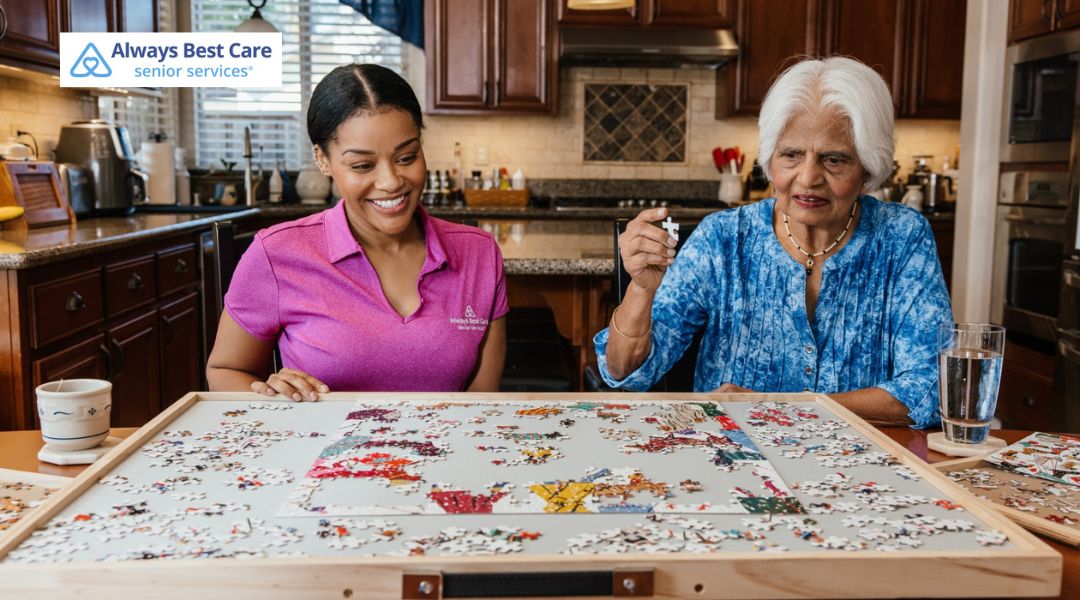
- Keep activities your loved one enjoys—puzzles, magazines, knitting, music—within reach.
- Play calming music they love to soothe agitation or restlessness.
Always Best Care caregivers can use these spaces during stressful moments, gently redirecting your loved one toward something familiar and reassuring.
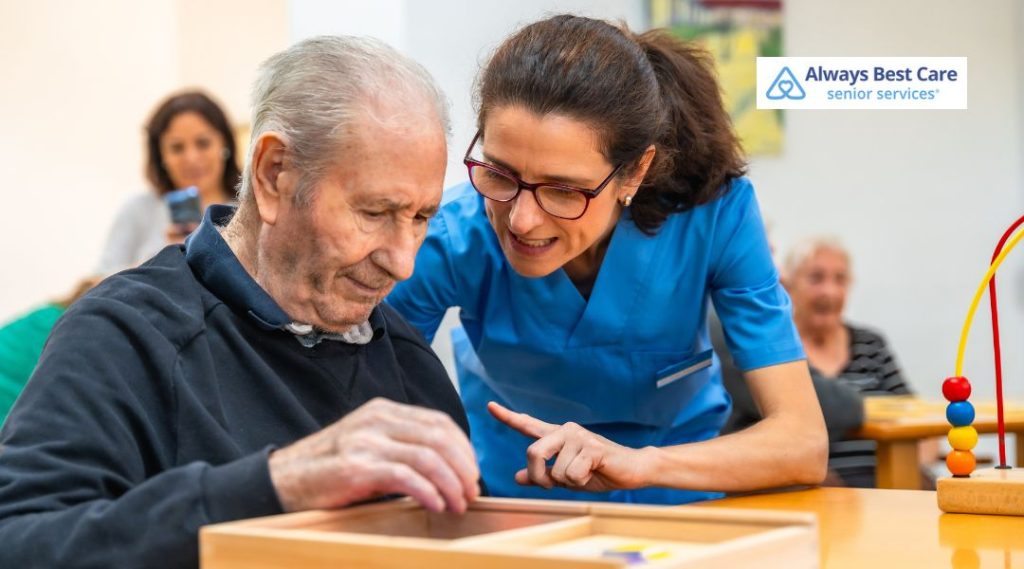
Supporting Predictable Routines
Routines act like anchors when memory is shifting. A predictable day helps reduce confusion and gives seniors a sense of what comes next without relying on memory alone.
Helpful routines might include:
- Wake-up, meals, and bedtime at roughly the same times each day.
- Morning hygiene tasks—washing, dressing, grooming—performed in the same order.
- Scheduled times for simple activities, like short walks, music, or quiet reading.
- A reliable evening wind-down: lights dimmed, TV volume lowered, favorite show or music, and unhurried bedtime prep.
Caregivers from Always Best Care of Chapel Hill can help keep these routines steady, even when family members are at work, traveling, or simply needing a break.

Balancing Independence and Supervision
It’s natural to want to do everything for a loved one, especially when you’re worried. But stepping in too quickly can unintentionally send the message that they’re no longer capable. The goal is “just enough” help—enough to stay safe, not so much that independence disappears.
Compassionate in-home support can:
- Offer a steady hand or stand-by assistance during transfers and walking.
- Break tasks into smaller, easier steps instead of taking over immediately.
- Encourage participation in light chores, like folding towels or watering plants.
- Provide gentle reminders for hygiene, meals, and medications, rather than scolding or rushing.
This approach preserves dignity and helps your loved one stay engaged in their own life.

How Always Best Care of Chapel Hill Can Help
Adjusting a home for dementia can feel like a big job, especially when you’re also juggling appointments, emotions, and everyday responsibilities. Always Best Care of Chapel Hill can come alongside your family rather than expecting you to manage it all alone.
Their in-home caregivers can:
- Assist with personal care tasks like bathing, dressing, and grooming.
- Help with meal preparation, light housekeeping, and laundry.
- Provide companionship and supervision to reduce wandering and accidents.
- Support structured routines, favorite activities, and calming transitions throughout the day.
- Give family caregivers dependable breaks to rest, work, or focus on other loved ones.
With experienced caregivers in the home, families gain both practical help and peace of mind that someone who understands dementia is present and attentive.
FAQs: Dementia-Friendly Homes in Chapel Hill
What is a dementia-friendly home?
A dementia-friendly home is a living space arranged to reduce confusion and danger while supporting comfort and independence. It emphasizes clear paths, good lighting, simple cues, and familiar routines rather than drastic medical changes.
Q: How can I tell if my Chapel Hill home needs changes for dementia care?
A: Look for frequent near-falls, confusion finding rooms, difficulty with bathroom or kitchen tasks, or increased agitation in noisy or cluttered spaces. These are signs that safety and layout may need to be adjusted.
Q: Do I need to remodel to create a dementia-friendly home?
A: Not usually. Many effective changes are simple—removing tripping hazards, adding grab bars and nightlights, using labels, and rearranging furniture for easier movement. Larger modifications can be considered only if truly needed.
Q: How can in-home caregivers help maintain a dementia-friendly environment?
A: Caregivers reinforce routines, keep pathways and key areas tidy, follow labeling systems, and watch for new risks. They also provide companionship and supervision, making it easier for seniors to stay safely at home.
Q: When should Chapel Hill families consider professional help at home?
A: It’s wise to seek help when safety worries grow, daily tasks feel overwhelming, or family caregivers are exhausted or anxious. Early support often prevents crises and makes changes easier to manage.
Small Changes, Calmer Days
Creating a dementia-friendly home in Chapel Hill doesn’t mean stripping away everything your loved one knows. It means fine-tuning the environment so it works with their changing abilities, not against them. Clear paths, gentle lighting, helpful labels, familiar spaces, and steady routines can turn a confusing house into a calmer, more predictable place.
With guidance and support from Always Best Care of Chapel Hill, families don’t have to figure out every detail on their own. Together, you can shape a home that keeps your loved one safer and more comfortable—while giving you the confidence to face each day with a little less fear and a lot more peace.
Contact Always Best Care of Chapel Hill at (336)270-4352 to learn more and schedule your free consultation.
Link to the markdown version of this blog.