Home-Based Stroke Recovery in Chapel Hill, NC: Skilled Care for Better Healing
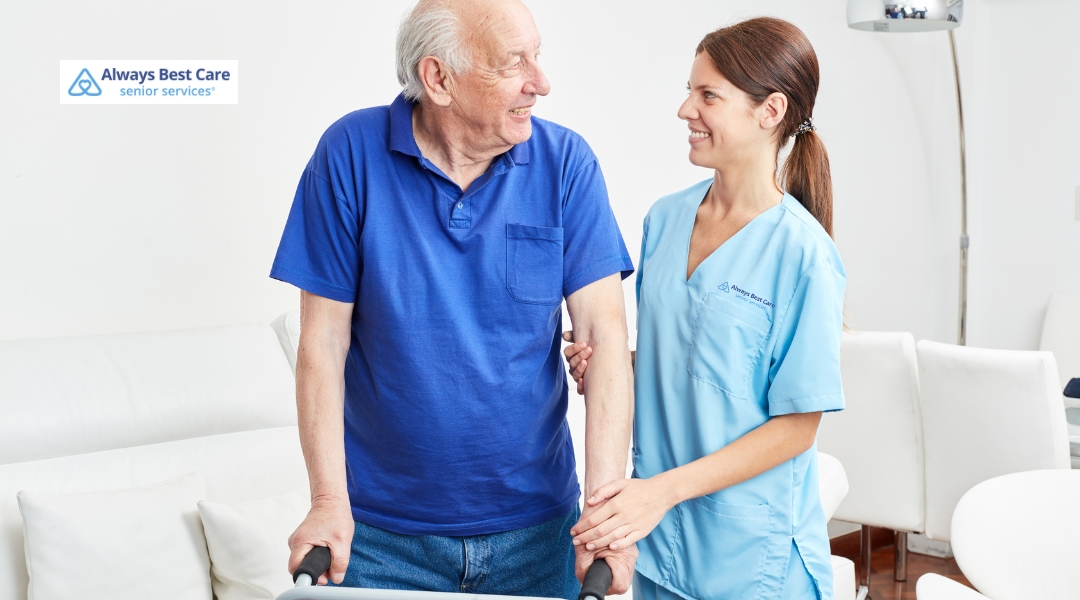
Returning home after a stroke is a significant milestone—but it is also the point where consistent, skilled support becomes essential. The weeks and months following discharge are critical for long-term recovery, and the quality of care during this period can directly influence how much function a survivor regains.
Home health services bridge the gap between inpatient rehabilitation and independent living. By delivering medical care, therapy, and monitoring directly in the home, these services allow stroke survivors to continue progressing in a familiar environment—without the physical and emotional strain of repeated clinic visits.
What You Will Learn:
- How structured home health care supports stroke recovery after hospital discharge.
- The roles of skilled nursing, physical therapy, and occupational therapy in regaining strength and confidence.
- Why consistent monitoring and emotional support promote long-term healing.
- How Always Best Care of Chapel Hill coordinates compassionate, personalized care for stroke survivors and their families.
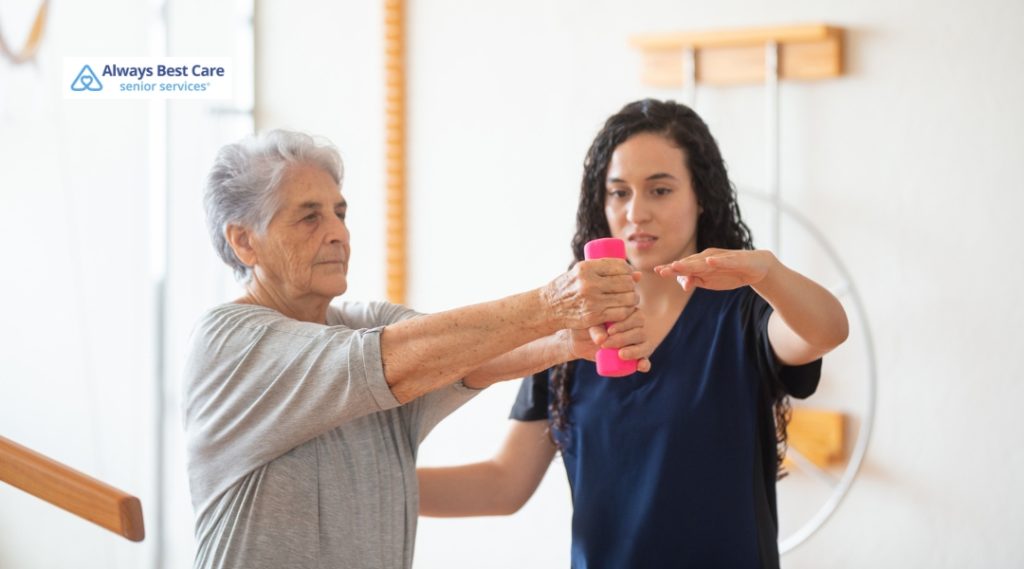
Table of Contents
The Real Challenge Begins at Home
Rehabilitation centers provide structure and intensive support. Once that structure is removed, many stroke survivors and their families quickly realize how much daily life has changed. Simple tasks—getting dressed, preparing a meal, walking to the bathroom—can become significant challenges.
This is not a sign of failure. It is a normal part of stroke recovery. The brain requires time and repetition to rebuild neural pathways, and that process continues long after a patient leaves a facility. Home health professionals are trained to support this ongoing recovery in practical, meaningful ways.
Skilled Nursing: Medical Oversight Where It Matters Most
A licensed home health nurse provides the medical foundation of post-stroke care. Their role goes beyond routine check-ins—they actively monitor for complications, manage complex medication regimens, and serve as the primary link between the patient and their broader care team.
Skilled nursing support may include:
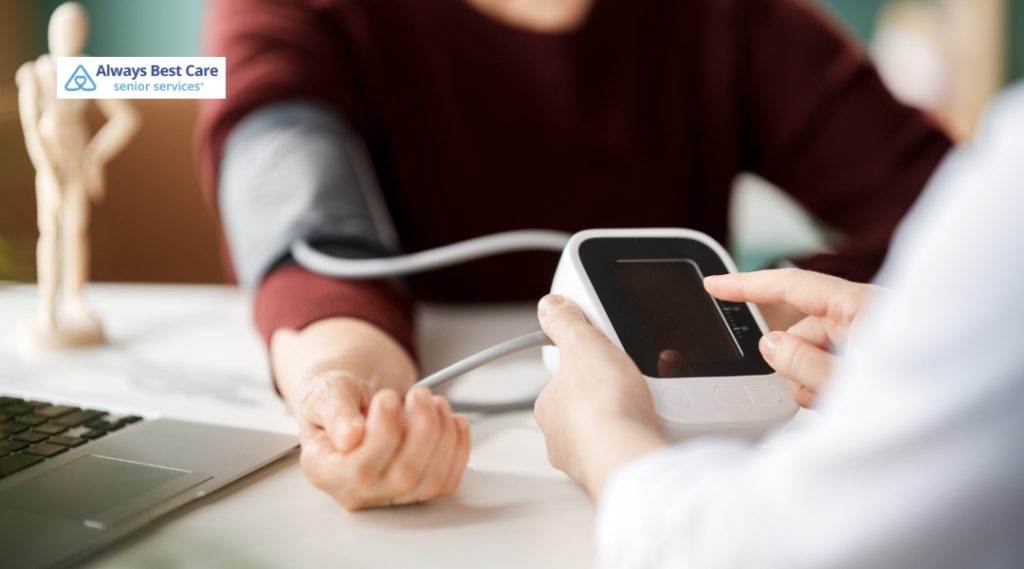
- Monitoring blood pressure, heart rate, and other vital signs
- Managing and adjusting medications as directed by the physician
- Identifying early warning signs of a secondary stroke or other complications
- Educating family members on what to watch for and how to respond
- Coordinating with physicians and specialists to keep the care plan current
For seniors managing additional conditions such as diabetes, hypertension, or heart disease, skilled nursing ensures that all health factors are addressed together—not in isolation.
Physical Therapy: Rebuilding Strength and Movement
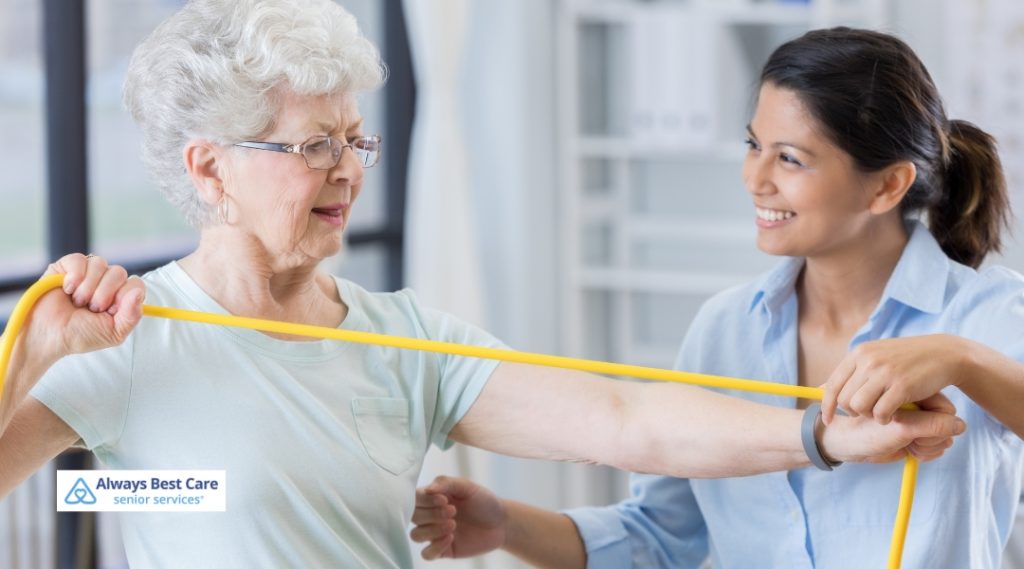
Many stroke survivors experience weakness, limited mobility, or partial paralysis on one side of the body. Physical therapy is designed to address these challenges through targeted, progressive exercise and movement training.
A home health physical therapist works with seniors to improve:
- Muscle strength and overall coordination
- Balance and fall prevention
- Walking ability and safe movement through the home
- Range of motion in affected arms and legs
Because therapy takes place at home, sessions can be tailored to the actual environment the patient lives in. Therapists can address specific challenges—navigating a particular staircase, moving safely between rooms, or getting in and out of a specific chair—making the recovery process more practical and immediately applicable.
Occupational Therapy: Relearning the Routines of Daily Life
A stroke can disrupt the fine motor skills and cognitive processes that make everyday tasks feel automatic. Occupational therapy focuses on helping survivors relearn these activities and adapt their approach when needed.
Occupational therapy may include:
- Practicing safe bathing, grooming, and dressing techniques
- Developing new strategies for meal preparation and household tasks
- Rebuilding hand coordination and fine motor function
- Identifying and recommending assistive devices
- Modifying the home environment to reduce hazards and improve accessibility
The goal is not just physical recovery—it is restoring a sense of normalcy and self-sufficiency. When seniors can manage their own routines again, even partially, it has a meaningful impact on their confidence and emotional well-being.
Ongoing Monitoring: Catching Problems Before They Escalate
Stroke recovery is rarely linear. Progress can plateau, and new complications can emerge without obvious warning. Regular monitoring by home health professionals helps ensure that any changes are identified and addressed quickly.
Home health teams watch for warning signs including:
- Sudden changes in speech, vision, or movement
- Increased weakness or new balance problems
- Unusual fatigue, confusion, or behavioral changes
- Indicators of another stroke or cardiovascular event
Early intervention can prevent serious setbacks and significantly reduce the risk of hospital readmission—a major concern in the months following a stroke.
Emotional Well-Being Is Part of Recovery
The psychological impact of a stroke is often underestimated. Depression affects a significant percentage of stroke survivors, and anxiety about the future—or frustration with slow progress—is extremely common. These emotional challenges can actually slow physical recovery if left unaddressed.
Home health caregivers and nurses provide more than clinical support. Their consistent presence, encouragement, and genuine engagement help reduce feelings of isolation and give survivors something to look forward to during each visit. For families, knowing that a trusted professional is involved also reduces caregiver stress and burnout.
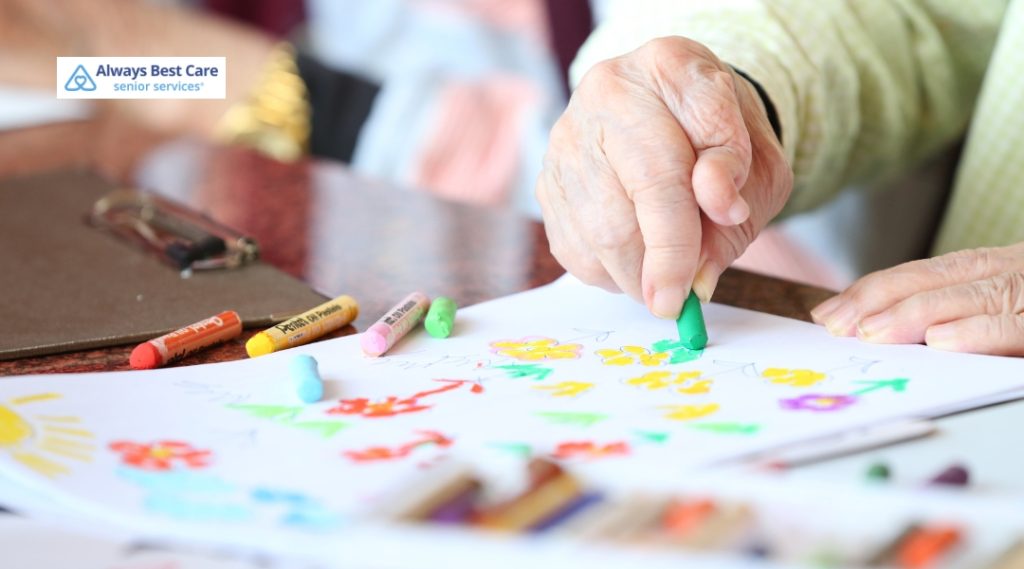
How Always Best Care of Chapel Hill Supports Stroke Recovery
At Always Best Care of Chapel Hill, we take a comprehensive approach to post-stroke home health. Our team coordinates closely with physicians, therapists, and family members to build care plans that reflect each individual’s specific needs, goals, and living situation.
Beyond skilled nursing and therapy, our caregivers assist with daily activities, transportation to follow-up appointments, meal preparation, and companionship. This layered support helps seniors feel safer and more confident as they work toward greater independence.
Frequently Asked Questions
Q: When should home health services begin after a stroke?
A: Ideally, home health services should begin as soon as a stroke survivor is discharged from the hospital or rehabilitation facility. Early intervention leads to better outcomes, and a care team can be arranged in advance of discharge with proper planning.
Q: How is home health different from home care?
A: Home health refers to medically supervised services provided by licensed professionals—such as nurses, physical therapists, and occupational therapists. Home care typically refers to non-medical assistance with daily activities like bathing, dressing, and meal preparation. Many families benefit from both.
Q: Will insurance cover home health services after a stroke?
A: Medicare and most private insurance plans cover home health services when they are deemed medically necessary and ordered by a physician. Coverage details vary, so it is worth confirming your specific benefits with your provider or asking the home health agency to assist with verification.
Q: How long does a stroke survivor typically need home health services?
A: The duration depends on the severity of the stroke and the individual’s rate of recovery. Some patients require services for a few weeks; others benefit from ongoing support for several months. Care plans are regularly reassessed and adjusted based on progress.
Q: What if my loved one needs more support than home health alone can provide?
A: Home health can be combined with non-medical in-home care to create a more complete support system. If needs increase over time, a care coordinator can help evaluate whether additional services or a higher level of care is appropriate.
Q: Can family members be involved in the care plan?
A: Absolutely. Family involvement is encouraged. Home health professionals often provide education and guidance to family caregivers so they feel prepared and confident in supporting their loved one between visits.
Recover Safely and Comfortably at Home with Skilled Support
At Always Best Care of Chapel Hill, we make post-stroke recovery manageable with expert home health care tailored to your loved one’s needs. Our skilled nurses and caregivers provide personalized therapy, monitoring, and companionship to promote a safe, confident return to independence.
Contact Always Best Care of Chapel Hill at (336)270-4352 to learn more and schedule your free consultation.
Link to the markdown version of this blog.