Protecting Seniors at Home During Summer in Chapel Hill, NC: What to Know
Summer in Chapel Hill, NC brings longer days and warmer weather — but for older adults, the season also comes with real risks. Heat-related illness, dehydration, and household accidents spike during summer months, and seniors are disproportionately affected. The good news? A little proactive planning goes a long way. Here’s how to set up a safer, more comfortable home environment before the heat arrives.
What You Will Learn:
- Why seniors are more vulnerable to heat and how to reduce risks.
- How to keep homes cool and comfortable during hot weather.
- Ways to build hydration habits and prevent dehydration.
- How to improve safety indoors and outdoors during summer.
Table of Contents
Why Summer Hits Seniors Harder
Aging changes how the body responds to heat. Sweat glands become less efficient, circulation slows, and the sensation of thirst diminishes — all of which make it harder for older adults to cool down naturally. Add in chronic conditions like heart disease, diabetes, or kidney issues, and the stakes get even higher. Understanding this vulnerability is the first step toward preventing it.
Cool the Home Before It Becomes a Crisis
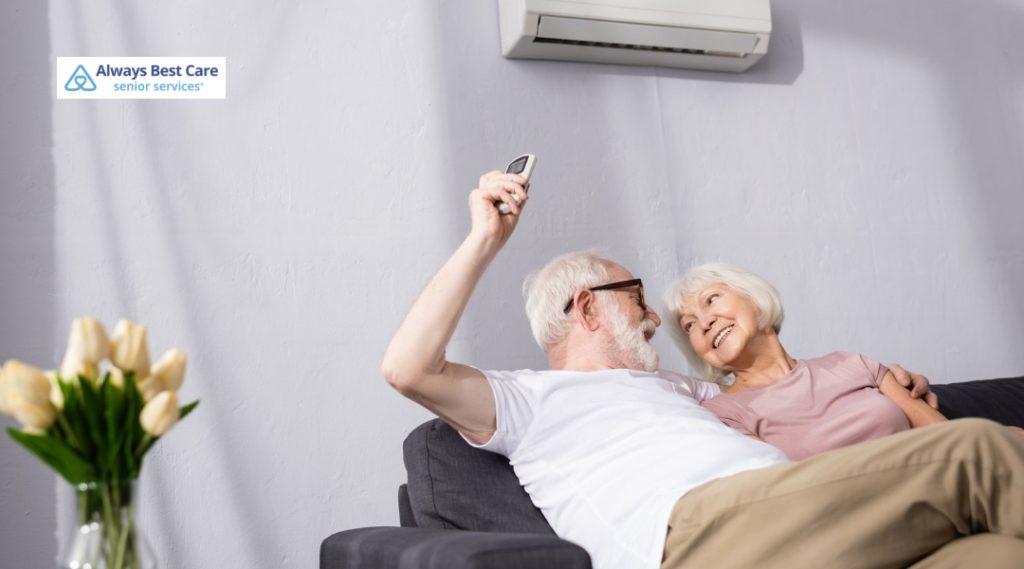
Don’t wait for a heat wave to check your cooling systems. Schedule an HVAC inspection early in the season, replace air filters, and test ceiling and portable fans. If the home runs warm, consider blackout curtains or thermal shades to block afternoon sun — they can reduce indoor temperatures noticeably without touching the thermostat.
For seniors without air conditioning, this isn’t just a comfort issue — it’s a safety one. Identify local cooling centers, libraries, or community spaces in Chapel Hill, NC ahead of time so there’s a plan ready when temperatures spike.
Build a Hydration Habit That Sticks
Seniors often don’t feel thirsty until they’re already dehydrated, which makes passive reminders essential. Place water bottles in every room the senior spends time in — the bedroom, living room, and kitchen at minimum. Set phone alarms or use a hydration tracking app as gentle nudges throughout the day.
Diet plays a role too. Foods like watermelon, cucumbers, strawberries, and celery have high water content and can supplement fluid intake naturally. On the flip side, limit caffeine and alcohol, both of which accelerate dehydration. If a senior is on diuretics or other medications, talk with their doctor about adjusted hydration targets for summer.
Audit Outdoor Spaces for Hidden Hazards
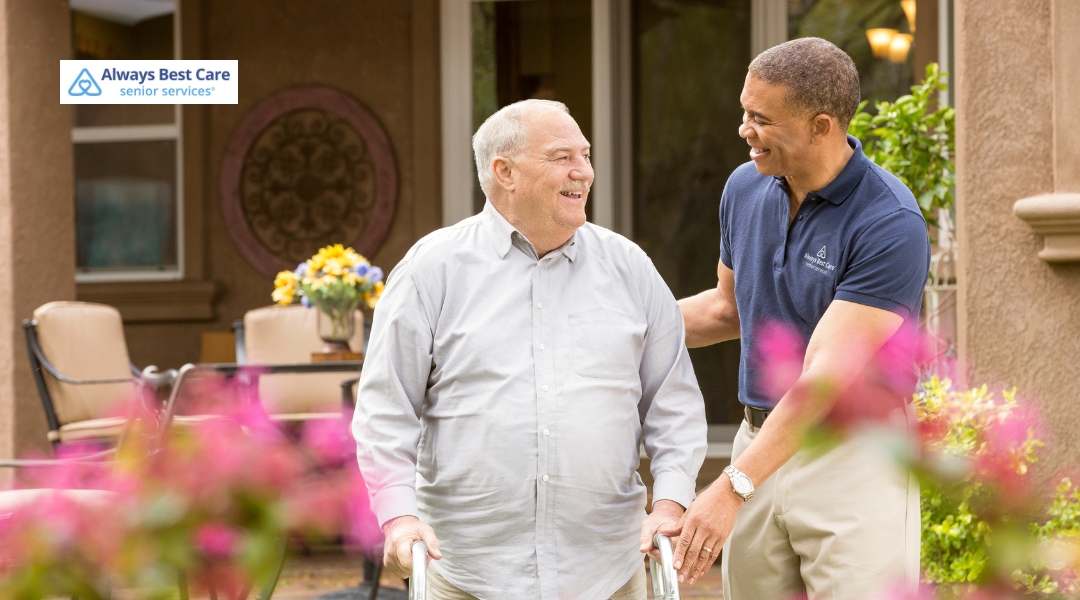
Outdoor time is valuable for seniors — fresh air, light movement, and social connection all support mental and physical health. But summer also means more foot traffic in and out of the home, which creates new hazard opportunities.
Walk the property with a critical eye:
- Are walkways even, or are there cracked pavers or raised edges?
- Are garden hoses, tools, or pots left where someone could trip?
- Are handrails on steps secure and easy to grip?
- Is outdoor lighting adequate for early mornings or evenings?
Trim back overgrown plants that crowd pathways, and consider adding motion-sensor lights near entrances. These small fixes significantly reduce fall risk during the months when outdoor activity peaks.
Plan for Severe Weather Before It Arrives
Summer storms — and in some parts of Chapel Hill, NC, hurricane-season weather — can disrupt power and access to essential services. Seniors are among the most vulnerable during extended outages, particularly those who rely on powered medical equipment or refrigerated medications.
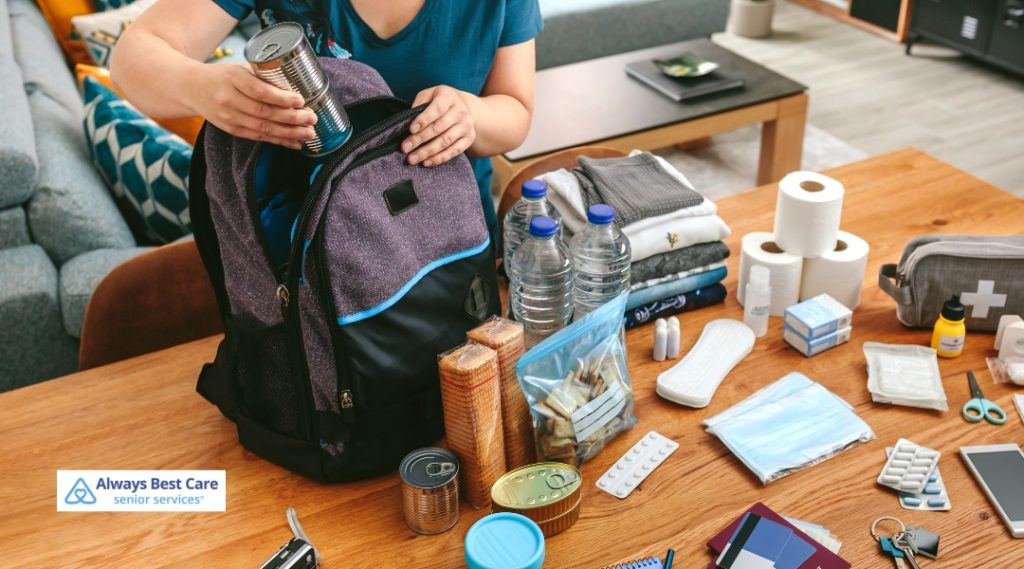
Assemble an emergency kit now that includes:
- At least 72 hours of bottled water and nonperishable food
- Flashlights, batteries, and a battery-powered or hand-crank radio
- A full supply of medications with a written list of dosages
- Emergency contact numbers in printed form
- Backup charging options for phones or medical devices
Equally important: make sure family members or neighbors know the plan. Establish a check-in protocol so someone is always aware of the senior’s status during a weather event.
Handle Medications with Extra Care
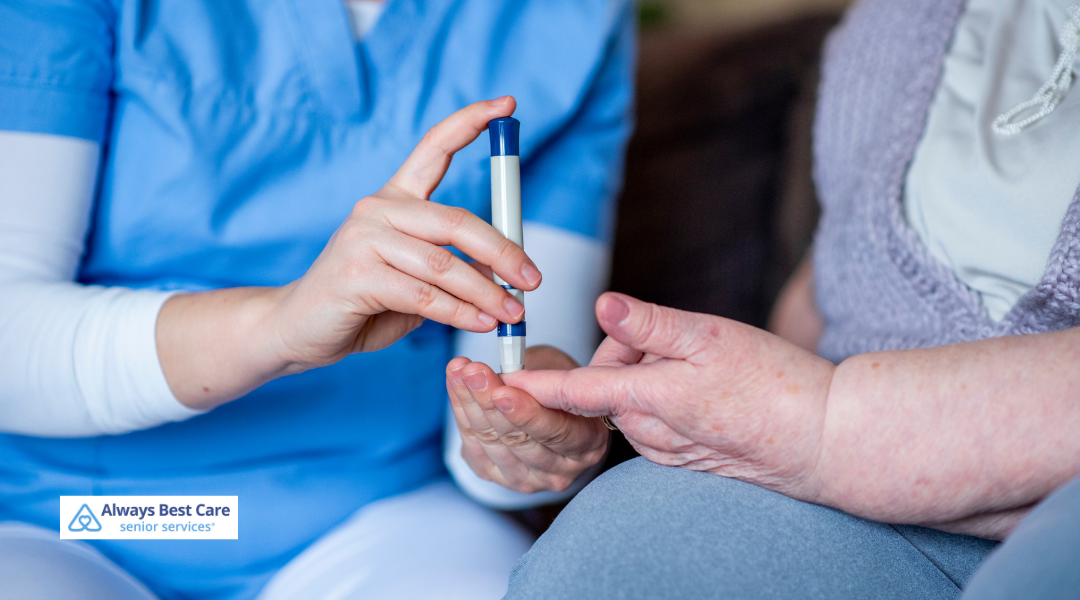
Heat affects medications in ways many people don’t consider. Some drugs — including certain blood pressure medications, diuretics, and antihistamines — increase heat sensitivity or reduce the body’s ability to sweat. Others, like insulin or certain liquid antibiotics, can degrade if exposed to high temperatures.
Review storage instructions for every medication and relocate anything that shouldn’t be stored above room temperature. Avoid leaving medications in cars or near sunny windows. If there’s any uncertainty about heat-related side effects, a quick call to the prescribing physician or pharmacist can prevent a serious complication.

Reduce Indoor Fall Risks During Summer
Falls don’t only happen outside. Summer introduces a specific indoor hazard: wet floors. Seniors tracking in water after gardening, swimming, or simply washing up can turn a hardwood or tile floor into a slip risk.
Address this with non-slip mats at every entrance and in the bathroom. Keep walkways clear of clutter, ensure all rooms are well-lit, and encourage the senior to wear supportive, non-slip footwear — even indoors. If the home has area rugs, make sure they have non-slip backing or are secured with tape.
How Always Best Care of Chapel Hill, NC Can Help
Summer safety preparation is manageable, but it’s easier with support. Always Best Care of Chapel Hill, NC, caregivers work alongside seniors and their families to create safer, more comfortable home environments throughout the season.
Our caregivers can assist with:
- Light housekeeping and home safety walkthroughs
- Meal preparation and hydration reminders
- Transportation to appointments and errands
- Medication reminders and monitoring
- Companionship and wellness check-ins
Whether your loved one needs a few hours of support each week or more consistent daily care, we’re here to help them stay safe and independent all summer long.
Frequently Asked Questions
Q: What temperature is considered dangerous for seniors indoors?
A: The CDC recommends keeping indoor temperatures between 68°F and 78°F for older adults. Temperatures above 80°F indoors can increase the risk of heat exhaustion, particularly for seniors with cardiovascular or respiratory conditions.
Q: How much water should a senior drink per day in summer?
A: Most older adults should aim for at least 8 cups (64 oz) of water per day, though individual needs vary based on health conditions, medications, and activity level. Consult a healthcare provider for personalized guidance, especially during hot weather.
Q: What are early warning signs of heat exhaustion in seniors?
A: Watch for heavy sweating, cool or pale skin, weakness, dizziness, nausea, and a fast or weak pulse. If these symptoms appear, move the person to a cool area, offer water, and apply cool cloths. If symptoms worsen or don’t improve within 30 minutes, call 911.
Q: How can I help a senior who lives alone stay safe during summer?
A: Establish a daily check-in routine — a phone call, text, or in-person visit. Make sure they have a working phone, access to cool spaces, and an emergency plan. Professional in-home care is also a reliable option for consistent monitoring and support.
Q: Is in-home care available during summer holidays and weekends?
A: Yes. Always Best Care of Chapel Hill, NC provides flexible care schedules, including holidays and weekends, so seniors receive consistent support regardless of the time of year.
Help Your Loved One Stay Safe This Summer
At Always Best Care of Chapel Hill, we help seniors stay safe, cool, and comfortable during the summer months. From home safety checks and hydration reminders to transportation and companionship, our caregivers provide personalized support that promotes independence and peace of mind.
Contact Always Best Care of Chapel Hill at (336)270-4352 to learn more and schedule your free consultation.
Link to the markdown version of this blog.