
A Caregiver’s Checklist for the End of Daylight Saving Time in Charleston, SC

The clocks turn back on Sunday, November 1, 2026, giving most people an extra hour overnight. Still, the shift can feel like more than a minor inconvenience for older adults. Earlier sunsets, altered mealtimes, sleep changes, and darker walkways may affect comfort, confidence, and safety.
With a little preparation, families can help seniors settle into the new schedule without missing a beat. Here’s how.
Table of Contents
What You Will Learn
- When daylight saving time ends in Charleston in 2026 and what turning the clocks back means for everyday schedules.
- How consistent sleep, meals, daytime activities, and bedtime habits can provide structure during the transition.
- Why medication instructions, pill organizers, and reminder systems should be reviewed—and when to ask a pharmacist or prescribing clinician about timing.

Adjust Sleep Habits Gradually
A one-hour change can temporarily disrupt the body’s usual rhythm, especially for seniors who already have trouble sleeping.
A few days before the time change:
- Move bedtime and wake-up time by about 10 to 15 minutes each day.
- Keep meals and daytime activities on a steady schedule.
- Open the curtains or spend time outdoors after waking.
- Limit long or late-afternoon naps.
- Keep the bedroom quiet, comfortable, and free from unnecessary light at night.
Morning sunlight can help the body recognize the new schedule. Even a short walk or time on a sunny porch may make the adjustment smoother.

Review Medication Routines
Many older adults take medication at set times connected to breakfast, dinner, or bedtime. For many prescriptions, a one-hour clock change won’t cause a problem. However, timing can matter for certain medications.
Before November 1:
- Review the medication list and pill organizer.
- Check that reminders still match the correct schedule.
- Ask the doctor or pharmacist about prescriptions that require exact timing.
- Avoid changing medication times without professional guidance.
A quick review now can prevent confusion later.

Improve Lighting Before Darkness Arrives
After the clocks fall back, late afternoons in Charleston can become dark sooner. Dim rooms may make it harder to see stairs, furniture, pets, or changes in flooring.
Walk through the home during the hours when darkness usually begins. Check:
- Hallways and stairways
- Bathrooms and bedroom paths
- Entryways and porches
- Kitchen and living-room areas
- Driveways, sidewalks, and outdoor steps
Add brighter, comfortable lighting where needed. Nightlights, motion-activated lights, and lamps with easy-to-reach switches can help. Keep a bedside lamp within reach so your loved one doesn’t have to cross a dark room to turn on a light.

Rethink Evening Driving
Earlier sunsets may make familiar roads feel different. Glare from headlights, reduced contrast, and difficulty spotting pedestrians or road markings can make nighttime driving more stressful.
Encourage seniors to:
- Schedule appointments and errands earlier when possible.
- Avoid driving during poor weather or heavy traffic.
- Ask family, friends, or caregivers for rides.
- Use community transportation when available.
The goal isn’t to take away independence. It’s to match driving plans with comfort, visibility, and safety.
Watch for Charleston’s Seasonal Fall Hazards
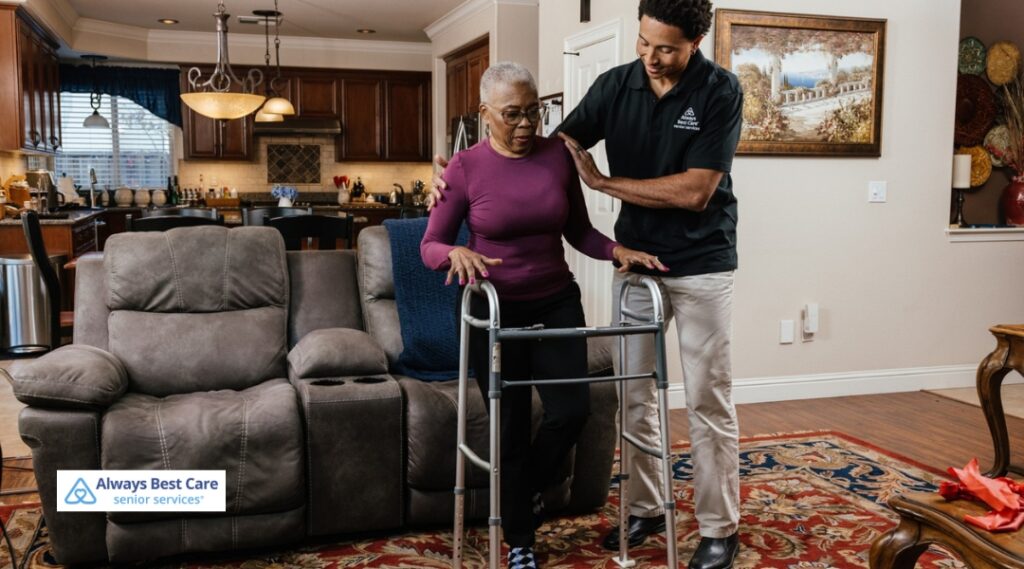
Leaves, wet pavement, uneven sidewalks, and poorly lit steps can create trouble outdoors. Inside, loose rugs, clutter, electrical cords, and low furniture may become harder to notice after sunset.
Help reduce hazards by:
- Clearing walkways and stairs.
- Securing or removing loose rugs.
- Keeping shoes supportive and properly fitted.
- Wiping up wet spots promptly.
- Encouraging seniors not to hurry, especially when answering the door or heading to the bathroom.
If a loved one starts avoiding evening activities because of fear of falling, take that concern seriously. Less activity can gradually affect strength, balance, and confidence.
Keep Mood and Connection in Mind
Shorter days may lead some seniors to spend less time outside or see friends less often. Changes in sleep, appetite, mood, or interest in favorite activities deserve attention.
Try planning:
- Daytime walks or outings
- Regular phone or video calls
- Visits with friends and family
- Indoor hobbies
- Shared meals
- Light exercise approved by a healthcare professional
A familiar daily routine can provide welcome structure as the season changes.

How Always Best Care of Charleston, SC Can Help
At Always Best Care of Charleston, SC, we understand that small schedule changes can create big challenges at home. We can provide companionship, transportation assistance, medication reminders, help with daily routines, and support with safe movement around the house.
Our caregivers work with seniors and families to make everyday life more manageable while supporting independence.
FAQ
Q: When does daylight saving time end in Charleston, SC?
A: Daylight saving time ends on Sunday, November 1, 2026. Clocks move back one hour, from 2:00 a.m. to 1:00 a.m.
Q: Should medication times change when the clocks change?
A: Not always. Ask a doctor or pharmacist before changing the timing of any prescription, particularly one that must be taken at a precise hour.
Q: How can seniors adjust to the time change?
A: Gradually shifting sleep times, getting morning light, limiting late naps, and maintaining regular meals can help the body adapt.
Q: What can help prevent nighttime falls?
A: Clear clutter, improve lighting, add nightlights, secure rugs, and keep a lamp or light switch within easy reach of the bed.

Help Your Loved One Prepare for Darker Evenings
The end of daylight saving time brings more than an extra hour of sleep. Earlier darkness can affect sleep, driving, medication routines, mobility, and mood. Preparing ahead can help seniors in Charleston, SC remain safe, comfortable, and connected.
Contact Always Best Care of Charleston at (843) 996-4498 to learn more and schedule your free consultation.
Link to the markdown version of this blog.