Wound Care at Home: When Is Skilled Nursing Needed in Charleston, SC?
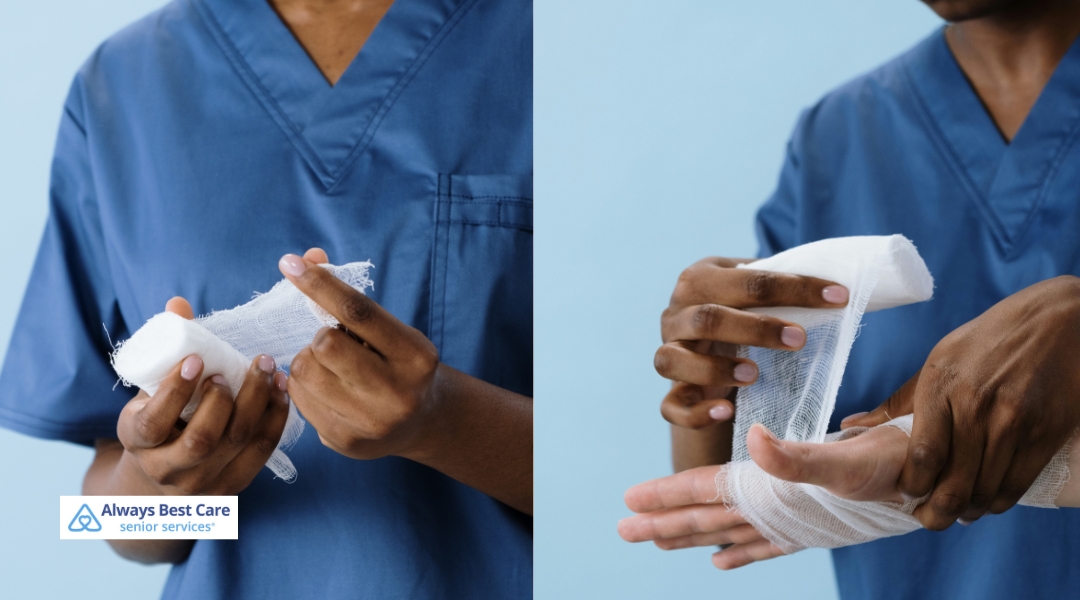
Small cuts and scrapes are usually no big deal. A little soap, a clean bandage, and we’re good to go. But as our loved ones age, wound care can get tricky. Healing slows down, infections sneak up faster, and what looked minor at first can suddenly feel like a big worry.
That’s where skilled nursing for wound care at home in Charleston, SC can make all the difference. With the right support, seniors can heal in the comfort of home, while we keep a close eye on their safety and well‑being.
Table of Contents
What You Will Learn
- Why wounds can become more difficult to manage in older adults because of fragile skin, diabetes, poor circulation, limited mobility, nutrition concerns, dehydration, medications, and other chronic conditions.
- Which wounds may require medical assessment or skilled nursing support, including surgical incisions, pressure injuries, diabetic foot ulcers, circulation-related wounds, complex skin tears, burns, and chronic wounds that are not improving.
- Warning signs that require prompt contact with a healthcare provider, such as increasing redness, warmth, swelling, pain, drainage, foul odor, skin-color changes, fever, chills, sudden confusion, unusual sleepiness, or declining strength.
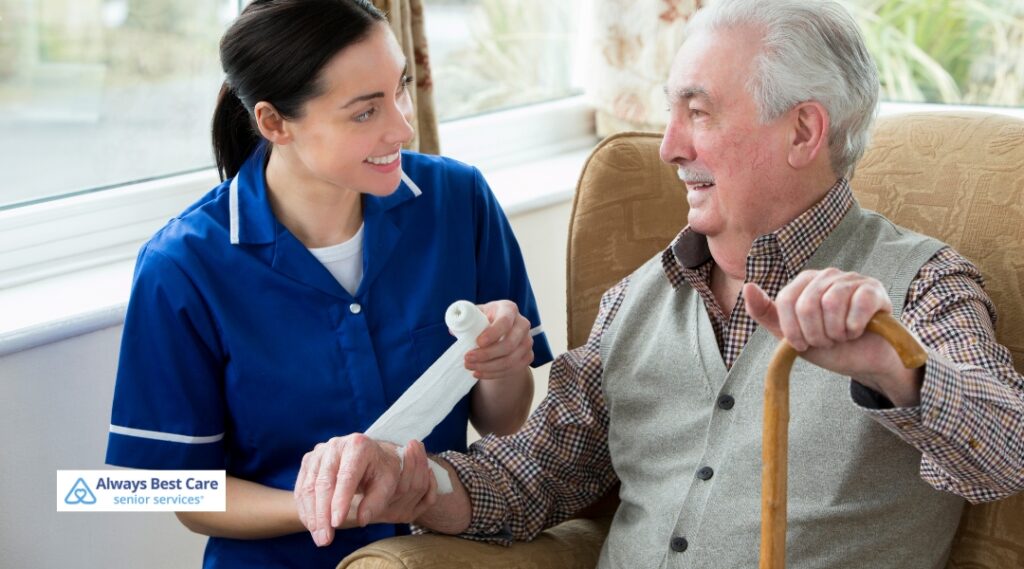
Why Wound Care Gets Harder for Seniors
How Aging Changes the Skin
As people grow older, their skin:
- Gets thinner and more fragile
- Tears and bruises more easily
- Takes longer to repair after a cut or scrape
So a small bump on the coffee table or a minor fall can turn into a wound that sticks around longer than we’d like.
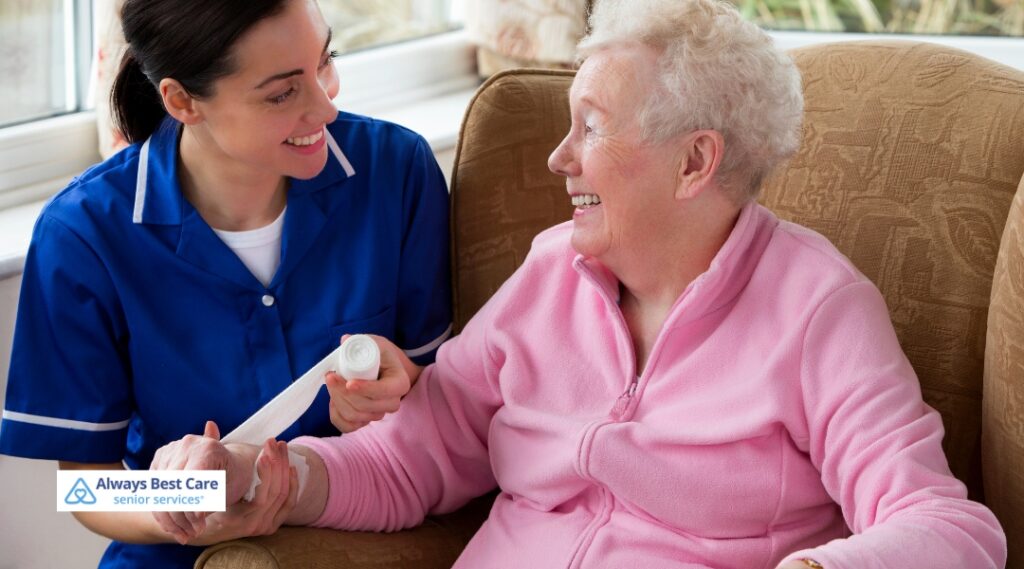
Health Conditions That Slow Healing
Some common health issues can make wounds harder to manage:
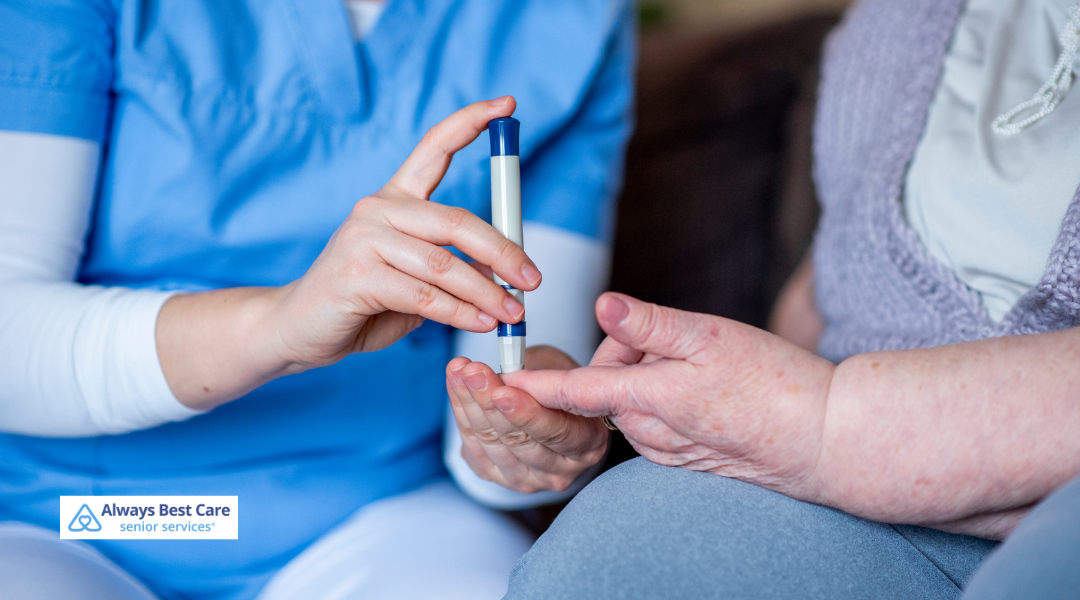
- Diabetes, which affects circulation and can damage nerves in the feet
- Poor blood flow, especially in the legs and feet
- Limited movement, which raises the risk of pressure injuries from sitting or lying too long
- Long-term illnesses that weaken the body’s ability to fight infection
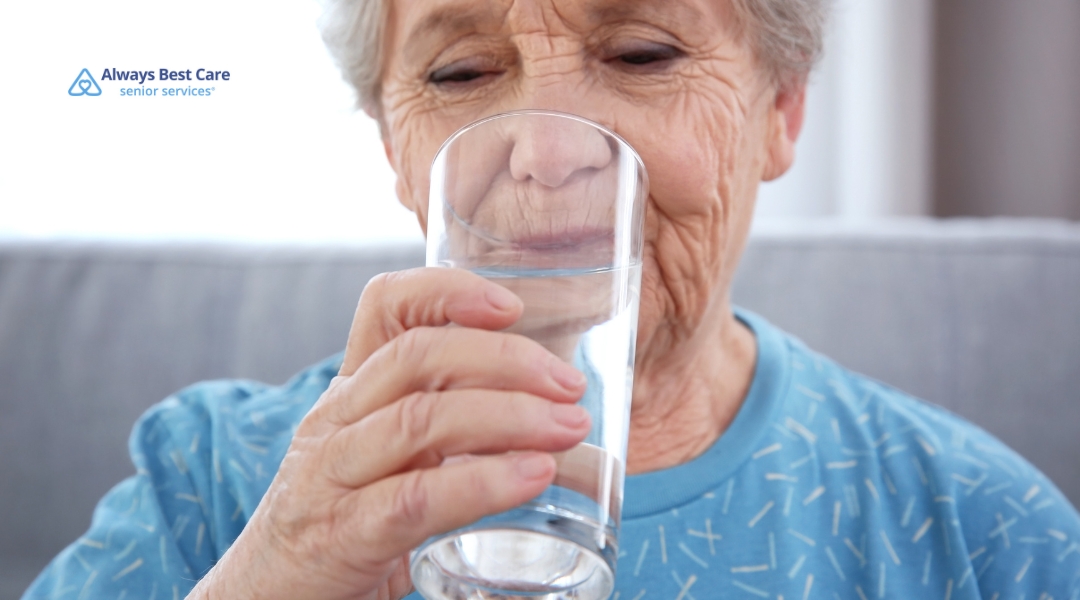
On top of that, if a senior isn’t eating well or drinking enough water, the body simply doesn’t have the fuel it needs to repair damaged skin.
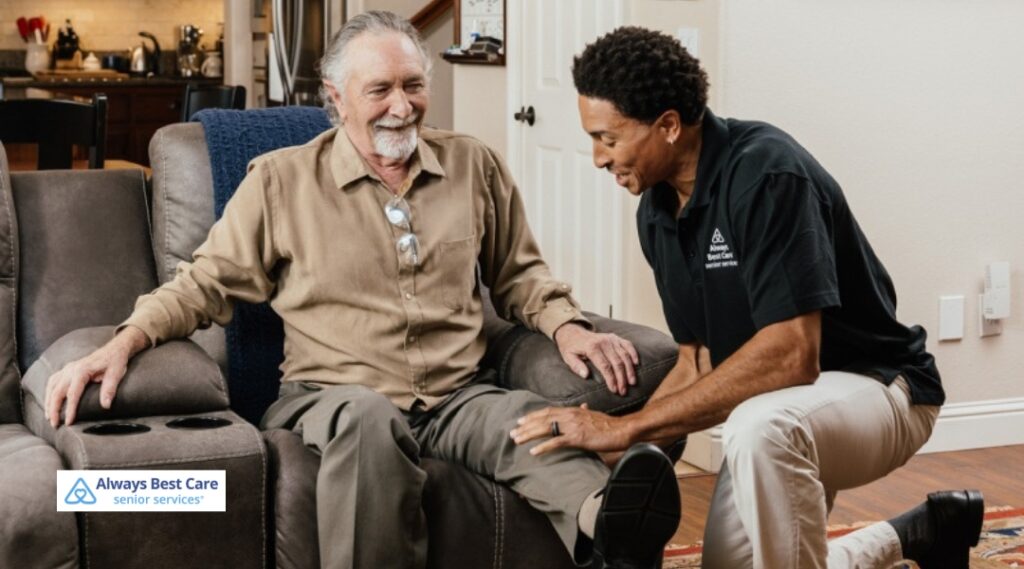
Wound Care at Home: When Is Skilled Nursing Needed in Charleston, SC?
What Kinds of Wounds Need Skilled Care?
Not every cut needs a nurse, but some wounds are better handled by a trained professional. Skilled nursing may be helpful for:
- Surgical incisions that need careful monitoring
- Pressure injuries (bedsores) from staying in one position too long
- Diabetic foot ulcers
- Wounds caused by poor circulation
- Deep or complex skin tears
- Burns or more serious injuries
- Chronic wounds that don’t seem to be getting better
A doctor or other healthcare provider can look at the wound and recommend whether skilled nursing at home is the safest choice.
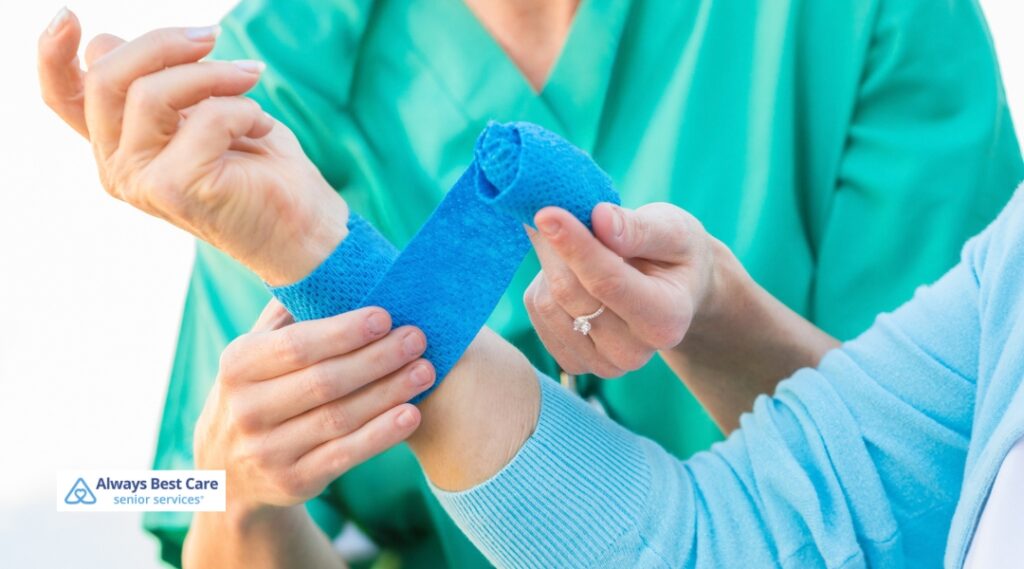
Warning Signs a Wound Needs Medical Attention
A wound that isn’t healing as expected is a red flag. It’s smart to act sooner rather than later.
Watch for:
- Growing redness, warmth, or swelling around the wound
- Increasing pain instead of improvement
- Drainage that looks thick, yellow, green, or has blood
- A bad or unusual smell
- Skin around the wound changing color or breaking down
Some signs point to a more serious infection, including:
- Fever or chills
- Sudden confusion or unusual sleepiness
- A noticeable drop in overall energy or strength
Seniors with diabetes, poor circulation, or weaker immune systems need especially close attention, because problems can develop quickly.
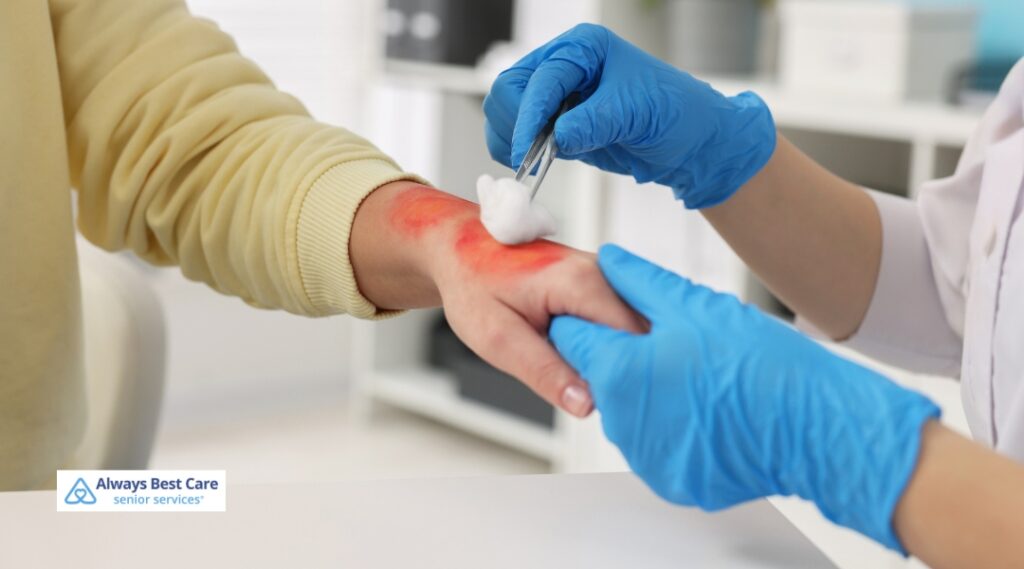
How a Home Health Nurse Helps with Wound Care in Charleston, SC
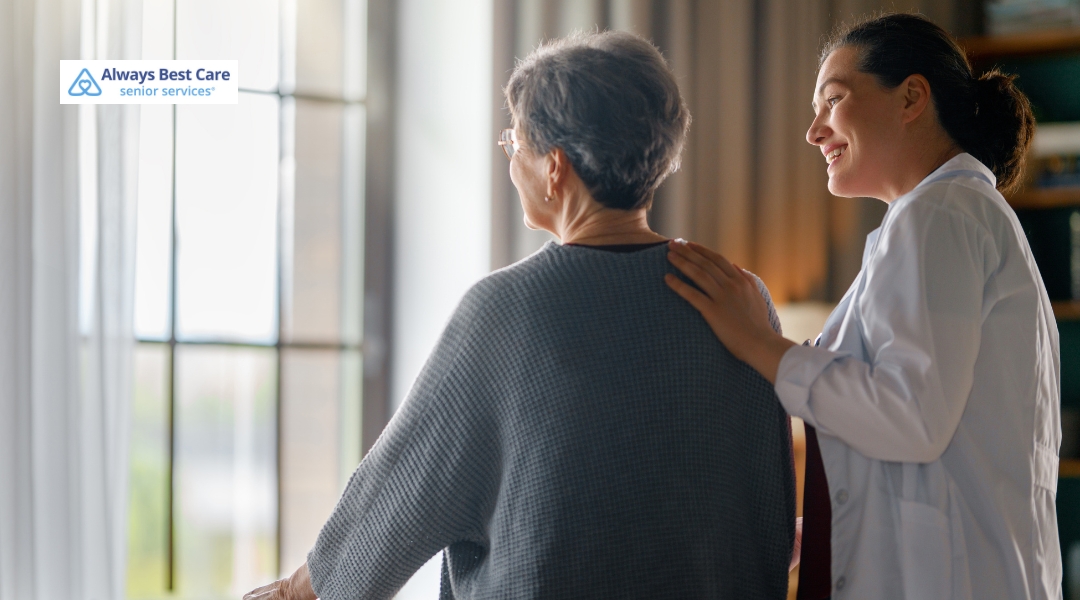
Skilled nursing brings medical know‑how right into the living room, bedroom, or wherever a loved one feels most comfortable.
A home health nurse may:
- Assess the wound regularly, checking size, depth, and signs of healing
- Clean the area properly, using methods recommended by the physician
- Change dressings so the wound stays protected and dry or moist as needed
- Watch for infection, catching issues early
- Teach families how to help, including safe ways to handle bandages
- Share updates with the healthcare team, so everyone stays on the same page
We at Always Best Care of Charleston, SC also help families understand what’s “normal healing” and what’s a reason to call the doctor. That extra peace of mind can be a huge relief after a hospital stay, rehab, or surgery.
Preventing Pressure Injuries at Home
Pressure injuries (often called bedsores) can be painful and slow to heal, but many can be prevented with everyday steps.
Helpful strategies include:
- Changing positions often, instead of staying in one spot for hours
- Keeping skin clean and dry, especially after bathing or using the bathroom
- Using special cushions or mattresses to reduce pressure on bony areas
- Encouraging healthy meals and fluids to support skin repair
Caregivers should pay special attention to:
- Heels
- Hips
- Tailbone
- Elbows
These areas take a lot of pressure from sitting or lying down and are more likely to develop sore spots.
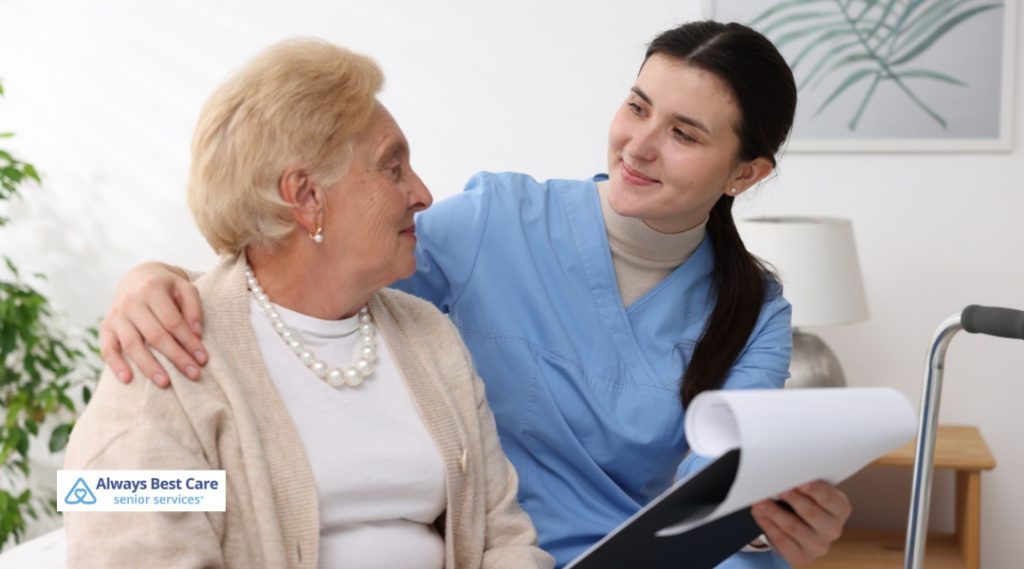
How Home Health and In‑Home Care Work Together
Skilled nursing focuses on medical care, but everyday life doesn’t stop while a wound is healing. That’s where in‑home caregivers step in.
While the nurse manages dressing changes and monitoring, a caregiver can help with:
- Meal preparation and snacks that support good nutrition
- Bathing, dressing, and other personal care
- Light housekeeping to keep walkways clear and safe
- Safe movement around the home to avoid new injuries
- Gentle reminders about medications and appointments
By working together, home health nurses and in‑home caregivers help seniors stay both medically supported and comfortably cared for in their daily routines. We at Always Best Care of Charleston, SC aim to make recovery feel less overwhelming for families.
FAQs About Wound Care at Home in Charleston, SC
Q: When should we ask for skilled nursing for wound care at home in Charleston, SC?
A: It’s wise to ask about skilled nursing if the wound is deep, doesn’t seem to be improving, is linked to diabetes or poor circulation, or follows surgery. Any sign of infection is another reason to contact a healthcare provider quickly.
Q: Can seniors with diabetes safely manage wounds at home?
A: They can, but they’re at higher risk for slow healing and infection. Regular checks, good foot care, and skilled nursing support can make at‑home wound care safer.
Q: How often should a wound be checked?
A: Many wounds benefit from daily checks, even if dressings aren’t changed every day. A doctor or nurse can recommend a schedule based on the type of wound.
Q: What can families do between nursing visits?
A: Families can keep the wound area clean and dry as instructed, watch for changes, help with healthy meals and hydration, and encourage gentle movement if it’s safe.
Q: How can we learn more about wound care services near us?
A: You can contact us at Always Best Care of Charleston, SC to talk through options, ask questions, and schedule a care consultation tailored to your loved one’s needs.
Support Safer Wound Recovery at Home
A wound that is worsening, failing to heal, showing signs of infection, or making mobility and daily routines more difficult can become a serious concern for an older adult. Prompt clinical guidance, a physician-directed care plan, and dependable day-to-day assistance can help families respond earlier and make recovery at home more manageable.
Wound care at home doesn’t have to feel like walking a tightrope. With the right mix of basic home care and skilled nursing, seniors in Charleston, SC can heal safely without leaving the comfort of their own space. We at Always Best Care of Charleston, SC work with families to spot problems early, support daily living, and make recovery smoother and less stressful for everyone involved. Contact Always Best Care of Charleston at (843) 996-4498 to learn more and schedule your free consultation.
Link to the markdown version of this blog.