
COPD and Aging in Charleston, SC: How to Maintain Comfort and Independence
Chronic Obstructive Pulmonary Disease (COPD) is one of the most common long-term health conditions affecting older adults. For seniors in Charleston, SC, managing COPD at home requires more than just medication — it takes a consistent daily routine, a supportive environment, and the right people by your side.
The good news? With the right approach, seniors with COPD can maintain their independence, reduce flare-ups, and enjoy a meaningful quality of life without leaving the comfort of home.
What You Will Learn:
- How COPD affects seniors beyond shortness of breath.
- Practical ways to manage symptoms and prevent flare-ups at home.
- How daily habits and home environment impact breathing and comfort.
- The role of caregivers in supporting independence and quality of life.
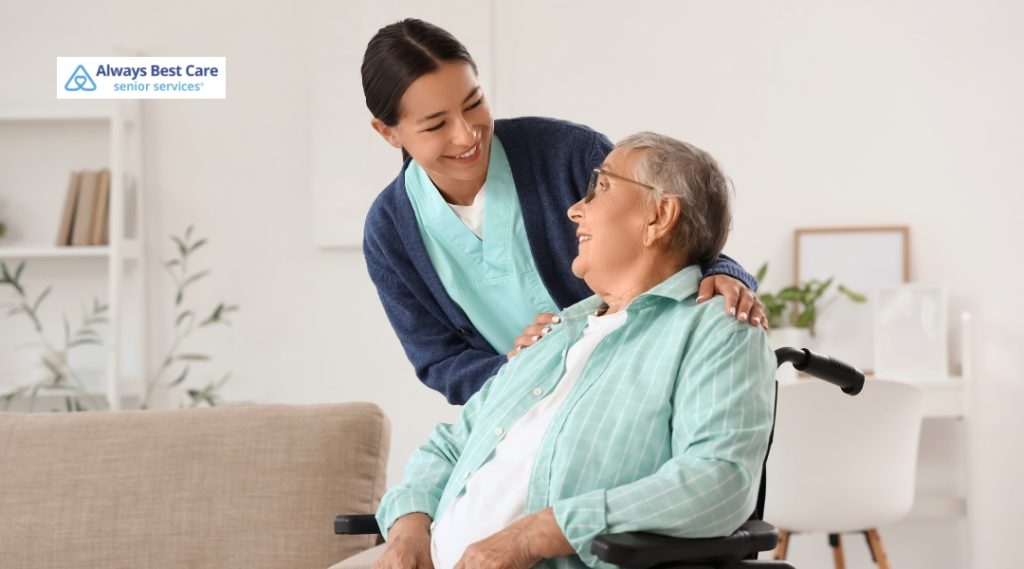
Table of Contents
Understanding COPD: More Than Just Breathlessness
COPD is an umbrella term for progressive lung diseases — primarily chronic bronchitis and emphysema — that restrict airflow and make breathing increasingly difficult. What makes COPD particularly challenging is that its symptoms often develop slowly, making them easy to dismiss as “just getting older.”
Key symptoms to recognize:
- Persistent cough or wheezing
- Shortness of breath during everyday tasks
- Chest tightness
- Recurring respiratory infections
- Unexplained fatigue
Early diagnosis and proactive management are critical. The sooner a care plan is in place, the better the long-term outcomes.
Practical Strategies for Managing COPD at Home
1. Stick to Your Treatment Plan
Consistency is everything with COPD. Inhalers, prescribed medications, and oxygen therapy only work when used correctly and on schedule. Missing doses — even occasionally — can trigger flare-ups that are difficult to recover from.
Caregivers play a vital role here. Having someone provide daily medication reminders and monitor for side effects can significantly reduce the risk of complications.
2. Control Your Indoor Air Quality
Many seniors don’t realize that the air inside their home can be just as harmful as outdoor pollution. Dust, pet dander, mold, and chemical fragrances are common triggers for COPD flare-ups.
Simple steps to improve indoor air quality:
- Use HEPA air purifiers in frequently used rooms
- Replace HVAC filters every 1–3 months
- Avoid aerosol sprays, scented candles, and harsh cleaning products
- Keep windows open when outdoor air quality is good
- Eliminate any smoking indoors entirely
A cleaner home environment directly translates to easier breathing.
3. Keep Moving — Gently and Consistently
It may seem counterintuitive, but physical inactivity can actually worsen COPD over time. Gentle, regular movement helps strengthen respiratory muscles, improve circulation, and boost energy levels.
Senior-friendly activities include:
- Short, flat-surface walks
- Chair-based stretching or yoga
- Light resistance exercises with guidance from a physical therapist
- Breathing-focused movement like tai chi
Always consult a healthcare provider before starting any new exercise routine, and never push through significant breathlessness.
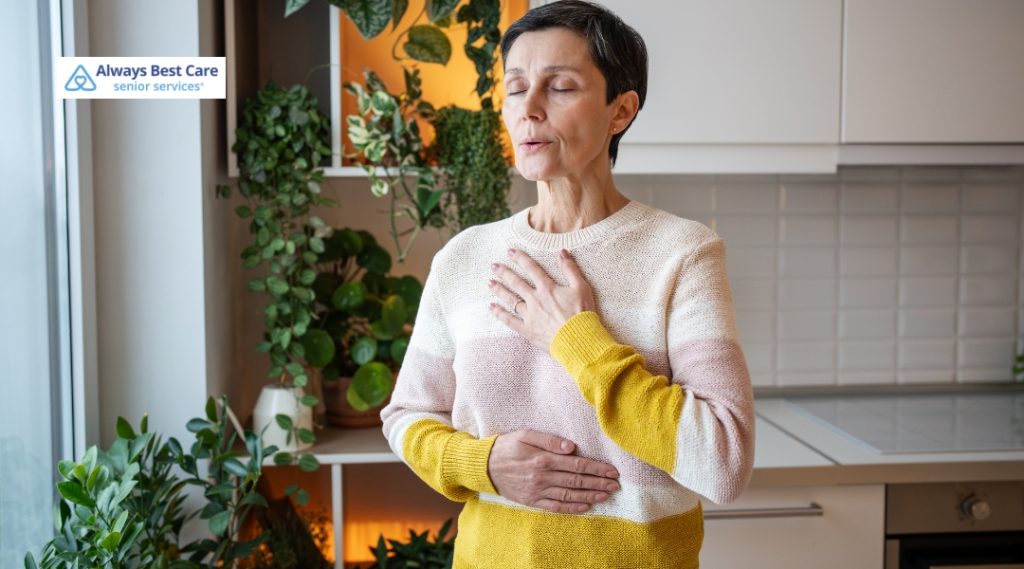
4. Master Breathing Techniques
Two techniques in particular can make a real difference during moments of breathlessness:
- Pursed-lip breathing: Inhale slowly through the nose, then exhale through pursed lips for twice as long. This slows breathing and keeps airways open longer.
- Diaphragmatic breathing: Focuses on engaging the diaphragm rather than shallow chest breathing, improving oxygen efficiency.
Practicing these techniques daily — not just during flare-ups — builds the muscle memory needed to use them effectively when it matters most.
5. Prioritize Nutrition and Hydration
COPD increases the body’s energy demands, meaning proper nutrition is more important than many seniors realize. A well-balanced diet supports immune function, reduces inflammation, and helps maintain a healthy weight — all of which impact breathing.
Nutritional priorities for seniors with COPD:
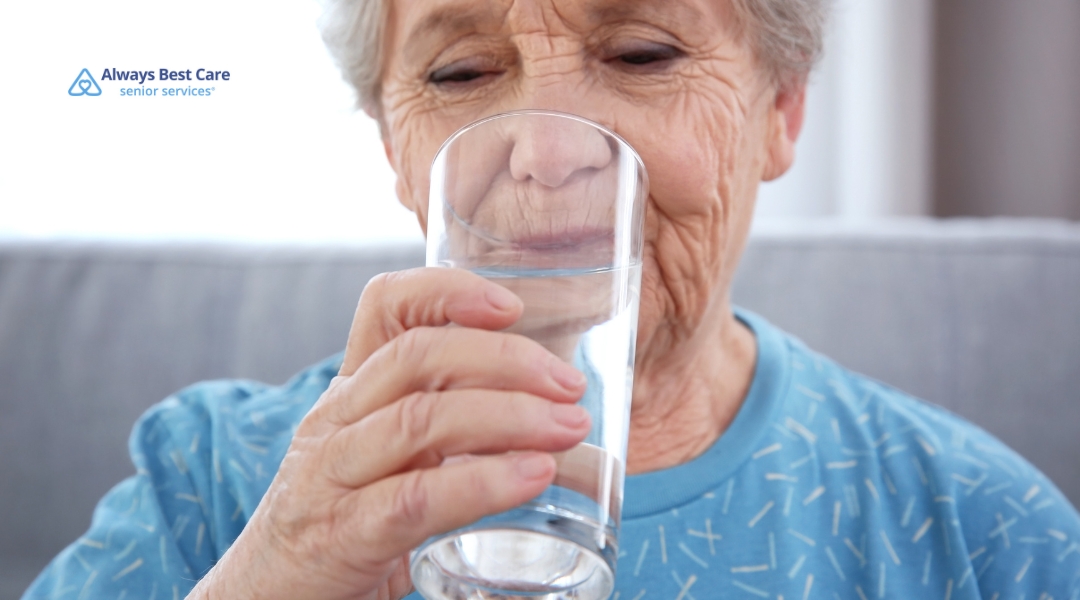
- Stay well-hydrated to keep mucus thin and easier to clear
- Choose anti-inflammatory foods: leafy greens, berries, fatty fish, and nuts
- Eat smaller, more frequent meals to avoid bloating that can press on the diaphragm
- Limit processed foods and excess sodium
6. Know the Warning Signs of a Flare-Up
COPD exacerbations can escalate quickly. Recognizing early warning signs allows for faster intervention and can prevent hospitalization.
Contact a healthcare provider promptly if you notice:
- A sudden increase in shortness of breath
- Changes in mucus color (yellow, green, or brown)
- Fever or chills
- Swelling in the ankles or legs
- Increased confusion or unusual fatigue
Having a written action plan from a physician — outlining exactly what to do during a flare-up — is one of the most effective tools a senior with COPD can have.

How Always Best Care of Charleston, SC Supports Seniors with COPD
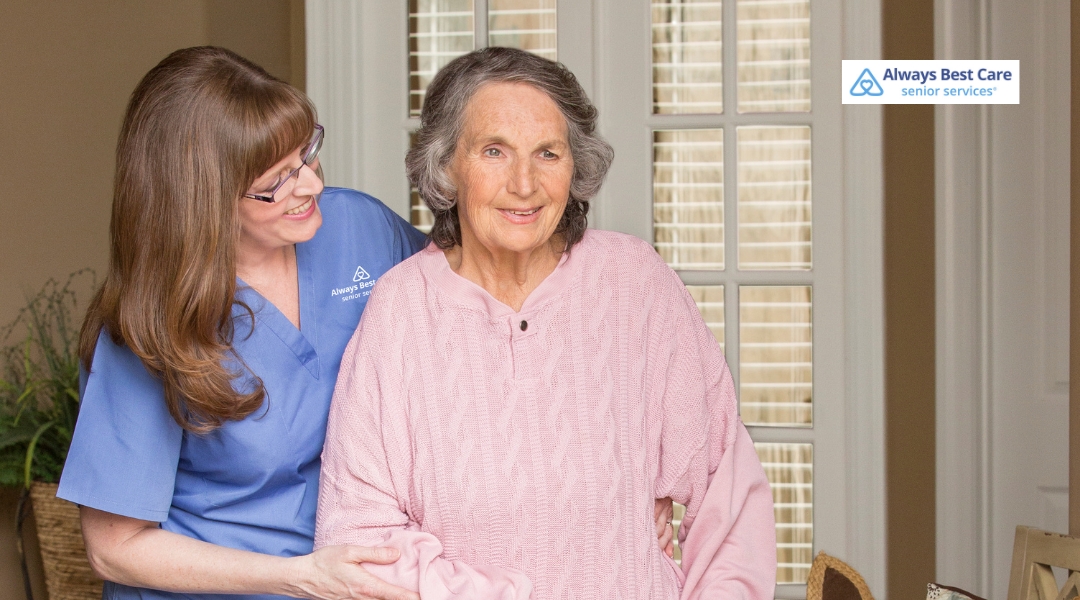
Managing COPD is a daily commitment, and it’s one that no senior should have to handle alone. Always Best Care of Charleston, SC provides personalized in-home support designed to help seniors breathe easier — literally and figuratively.
Our caregivers can help with:
- Medication reminders and adherence support
- Light housekeeping to maintain a clean, allergen-reduced environment
- Nutritious meal preparation tailored to respiratory health needs
- Encouragement and assistance with safe physical activity
- Companionship to reduce the stress and anxiety that can worsen symptoms
- Transportation to medical appointments and pulmonary rehab sessions
For seniors who need a higher level of care, our home health services connect families with skilled nursing professionals who can coordinate directly with physicians and specialists.
Frequently Asked Questions About COPD and Senior Home Care
Q: Can COPD be managed entirely at home, or will my loved one eventually need a facility?
A: Many seniors with COPD live comfortably at home for years with the right support system in place. In-home care, combined with consistent medical management, can significantly delay or eliminate the need for facility-based care.
Q: How do I know if my loved one’s COPD is getting worse?
A: Watch for increased breathlessness during activities that were previously manageable, more frequent respiratory infections, changes in mucus, or new symptoms like ankle swelling. Any noticeable change should be discussed with their physician promptly.
Q: Is it safe for a senior with COPD to exercise?
A: Yes, with proper guidance. Pulmonary rehabilitation programs are specifically designed for individuals with COPD and have been shown to improve lung function, reduce hospitalizations, and enhance quality of life. Always consult a doctor before starting.
Q: What household changes make the biggest difference for someone with COPD?
A: Eliminating indoor smoking, using air purifiers, switching to fragrance-free cleaning products, and reducing dust and mold are among the most impactful changes. Small environmental adjustments can lead to noticeable improvements in daily comfort.
Q: How can a caregiver help without overstepping a senior’s independence?
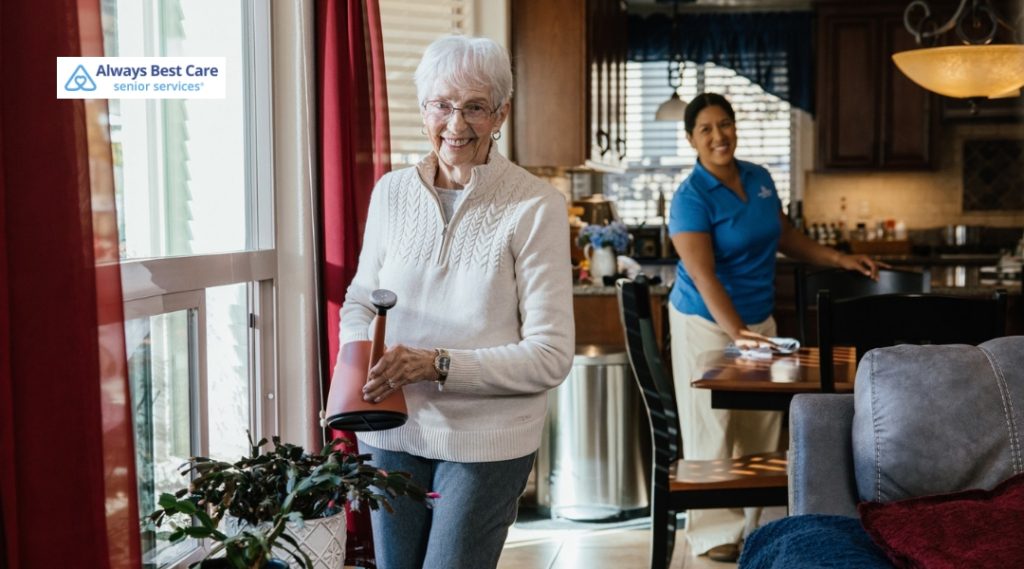
A: The best caregivers support — not replace — a senior’s autonomy. This means offering reminders rather than taking over, encouraging activity rather than discouraging it, and being present without being overbearing. Always Best Care caregivers are trained to strike that balance.
Take the Next Step Toward Better Breathing
Living with COPD is challenging, but it doesn’t have to mean giving up independence or comfort. With the right daily habits, a supportive home environment, and compassionate professional care, seniors in Charleston, SC can continue to live well on their own terms.
Contact Always Best Care of Charleston at (843) 996-4498 to learn more and schedule your free consultation.
Link to the markdown version of this blog.