
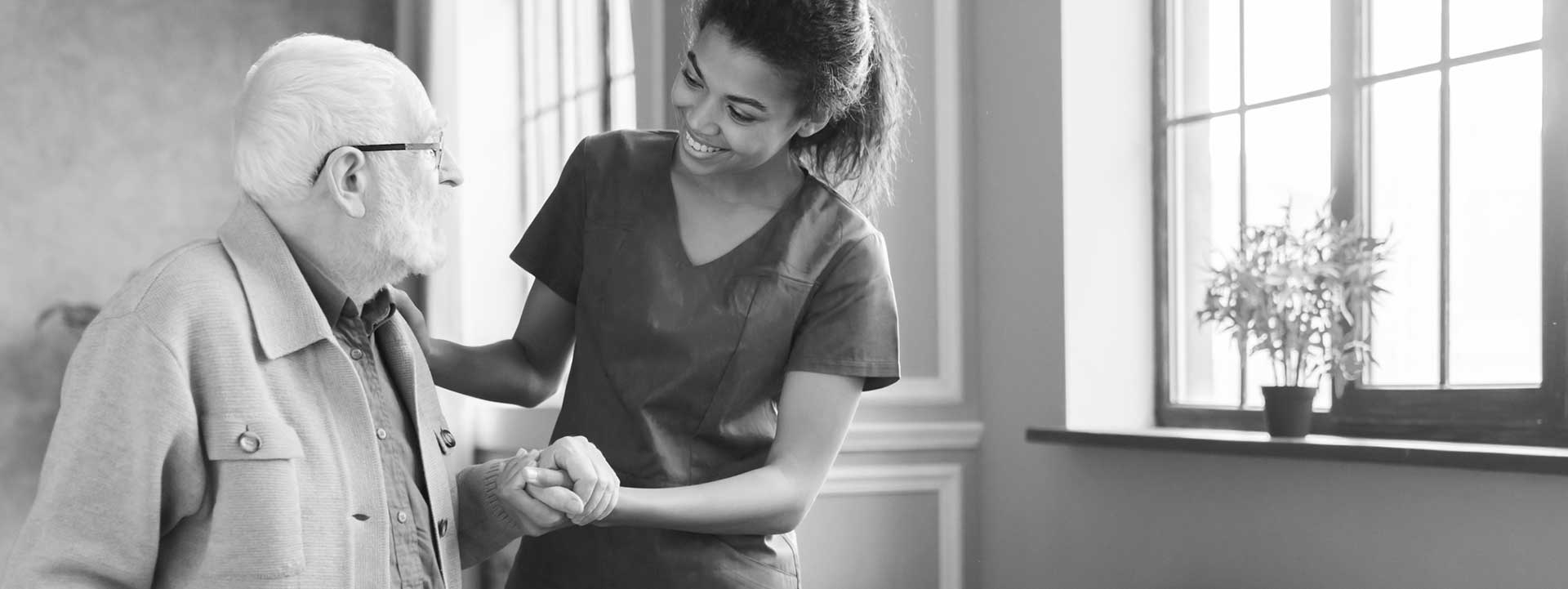
Looking Ahead With Hope: Mental Wellness for Seniors in Charleston, SC

A standing invitation can turn a regular week into something to anticipate. It may be a meal with a friend, a visit from family, or a little time set aside for a hobby. For older adults in Charleston, looking forward to these moments can matter after retirement, the loss of a spouse, or changes in health and mobility make daily routines feel different.
Table of Contents
What You Will Learn
- Why having something enjoyable to look forward to can add interest and direction to an older adult’s week.
- How meaningful activities can help create purpose after retirement or other life changes.
- Ways to adapt favorite hobbies to changing abilities, interests, and energy levels.

Give Everyday Life Something to Look Forward To
An activity on the calendar gives someone a chance to plan, picture the experience, and enjoy the thought of it ahead of time. It might be a weekly lunch with friends, a community event, a visit from grandchildren, or the next book club meeting.
Planning has its own value. Remembering dates, making choices, arranging details, and thinking about the future keep the mind engaged. Meaningful activities don’t guarantee protection from memory loss or depression, but they can make daily life more interesting and emotionally rewarding.
Find New Purpose When Familiar Roles Change
Work often brings a steady rhythm, responsibilities, social time, and a feeling of accomplishment. Retirement can be freeing, but leaving familiar routines may also leave a gap. Similar changes can happen when someone stops driving, faces physical challenges, or takes part in fewer community activities.
A meaningful role can take many forms. Some older adults enjoy volunteering, mentoring younger people, joining a religious group, or keeping up family traditions. Others find satisfaction in gardening, caring for plants, learning new things, or working on a creative project. It doesn’t have to be a big commitment; the activity should feel worthwhile and encourage involvement.
Keep Hobbies Flexible
Cooking a new recipe, sorting family photos, exploring family history, listening to music, painting, woodworking, doing puzzles, or writing can all offer a chance to focus and enjoy the moment. The point is to have fun, not to prove a skill.
Interests and abilities can shift with age. If vision changes, arthritis, or lower energy makes a favorite activity harder, try a simpler version. A small change can help keep the hobby pleasant rather than frustrating.
Make Time With Others a Habit
Social circles may become smaller as friends move, loved ones pass away, or transportation and mobility make gatherings harder. Planning regular chances to connect can help older adults maintain existing relationships and meet people with shared interests.
Families might arrange:
- A weekly coffee date or lunch with a friend
- Visits with grandchildren or other relatives
- A class or group activity at a community center
- A regular phone or video call
- A faith gathering or volunteer opportunity
Even a short afternoon visit can give someone a welcome part of the week to anticipate. A simple repeatable plan may be easier to keep than a packed schedule.

Choose Plans Together, and Leave Room to Rest
A favorite show, a Sunday phone call, a trip to the library, or baking at home can be just as meaningful as a bigger outing. Ask your loved one what they’d like to do instead of choosing everything for them. Sharing decisions supports independence and helps make sure the plan suits their interests.
Not every hour needs an activity. Quiet time and rest matter, and too many commitments can tire some older adults. If a favorite activity becomes harder, adjust the pace or format so it remains comfortable.
How Always Best Care of Charleston Can Help
For someone who lives alone or has trouble leaving home, staying socially active can take extra effort. Family members may want to help while also juggling work and other responsibilities.
Our caregivers can offer companionship and practical help, such as a ride to a social event, company on an outing, support with a favorite hobby, or a conversation over coffee. We respect each person’s interests and abilities. Regular companionship can make the week feel more connected and familiar.

Frequently Asked Questions
Q: What can an older adult look forward to if going out is difficult?
A: A phone call, baking, a favorite show, or time spent on a hobby can be a meaningful plan at home. Ask what sounds enjoyable and adjust the activity to the person’s energy and abilities.
Q: How can family members support a sense of purpose?
A: Invite your loved one to consider activities that feel worthwhile, such as volunteering, gardening, mentoring, learning, or family traditions. A small commitment can still provide a reason to stay involved.
Q: Do activities prevent depression or memory loss?
A: No plan can guarantee protection from depression or memory loss. Meaningful activities can add interest and emotional reward to daily life without promising a particular health outcome.
Q: How do we know if the schedule is too busy?
A: Pay attention to whether activities remain enjoyable and leave time for rest. If the pace feels tiring, reduce or adjust the plans.
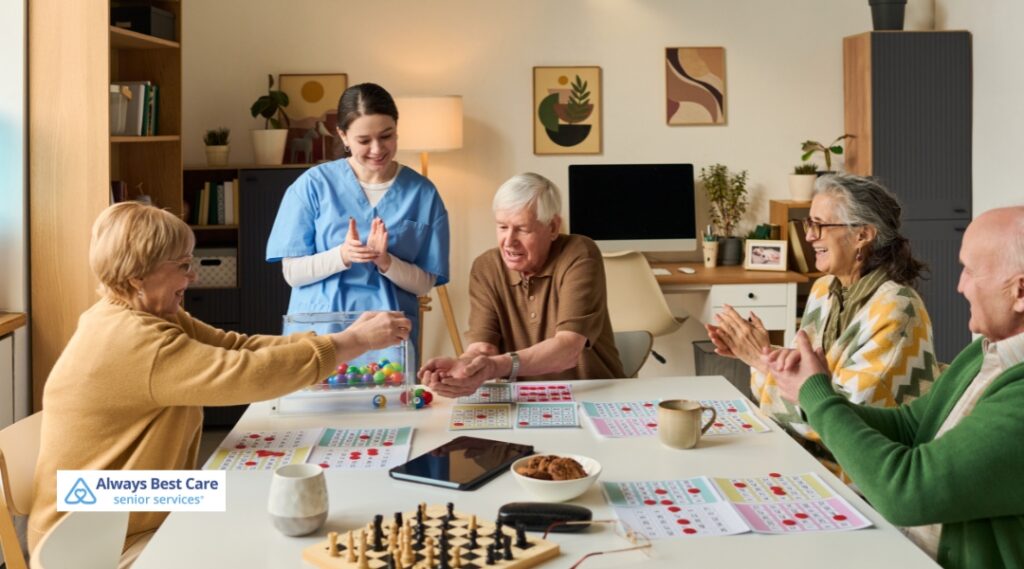
Give Your Loved One Something Meaningful to Look Forward To
Something to anticipate can be modest and still matter. Families in Charleston can help older adults make room for hobbies, connection, and activities that feel meaningful. A few plans chosen together can bring more variety to everyday life.
Contact Always Best Care of Charleston at (843) 996-4498 to learn more and schedule your free consultation.
Sources
- Always Best Care: Staying Healthy Through the Season
- Always Best Care: Fresh Air and Fitness
- Always Best Care: Supporting Seniors’ Emotional Well-Being
Link to the markdown version of this blog.