Safeguarding Seniors in Charleston, SC: Scam Prevention Tips for Families
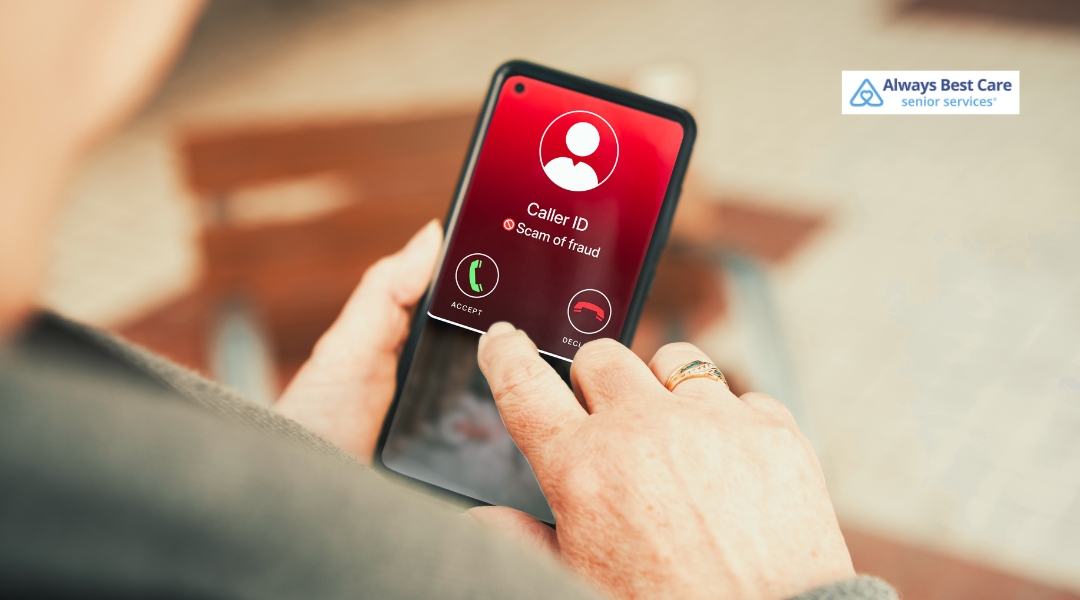
Scammers are getting bolder and craftier, and sadly, many of them have seniors in their crosshairs. With a warm voice, a convincing story, and a sense of urgency, they can drain savings and shatter trust before anyone even realizes what’s going on.
The silver lining? Awareness packs a punch. Once we know what to watch for and how these schemes work, we stand a much better chance of protecting the seniors we love in Charleston, SC. And that’s exactly what we’re talking about here—practical, everyday steps families can use to stay one step ahead of senior scams.
What You Will Learn:
- Why seniors in Charleston are commonly targeted by scammers.
- The most common scams affecting older adults.
- Key warning signs of fraud and financial exploitation.
- Practical steps families can take to prevent scams.
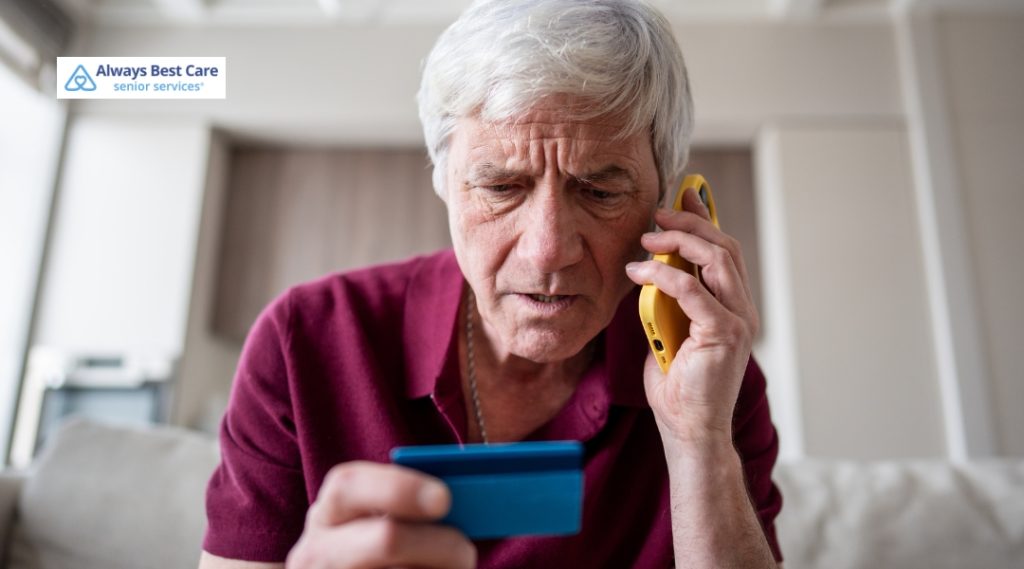
Table of Contents
Why Are Seniors So Often Targeted by Scammers?
It’s not your loved one’s fault. Scammers deliberately look for people they think they can pressure or confuse. Older adults may be targeted because they often:
- Are naturally trusting or polite, even with strangers.
- Have savings, retirement income, or home equity that scammers want to tap into.
- Live alone or feel isolated, making them eager for conversation or companionship.
- Aren’t as familiar with new technology, online banking, or digital security tools.
Put all that together, and crooks see a chance to build fake trust and then twist the situation to their advantage.
Common Senior Scams in Charleston, SC
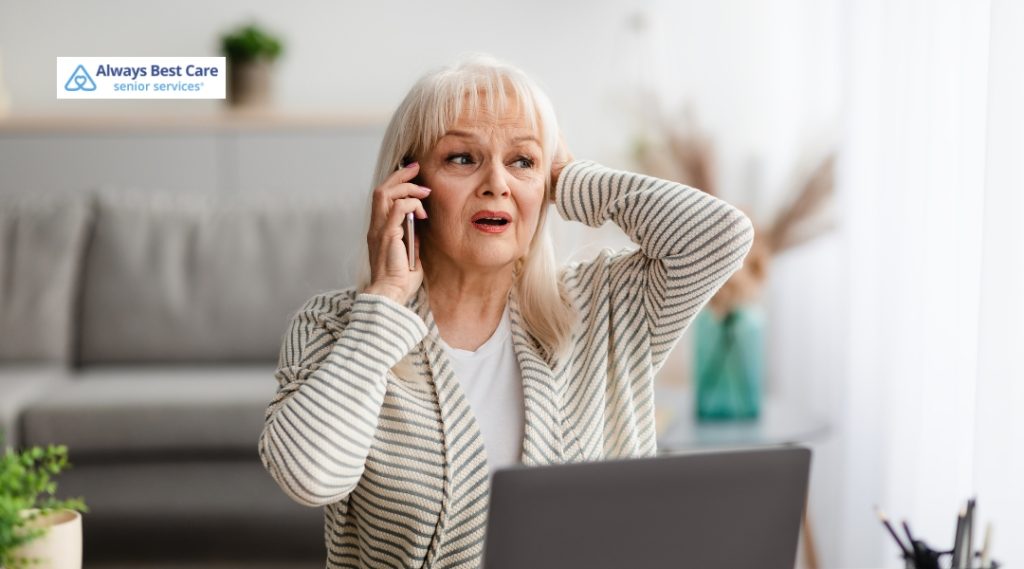
Scammers don’t stick to just one trick. They mix and match stories, technology, and emotional pressure. Here are some of the most common schemes we see affecting seniors.
Phone Scams
Fast-talking callers may pretend to be:
- Government agencies (Social Security, IRS, Medicare)
- Utility companies threatening shutoff
- Banks or credit card companies
- A grandchild or relative in trouble
They throw around words like “urgent,” “final notice,” or “act now,” then push for immediate payment or personal details.
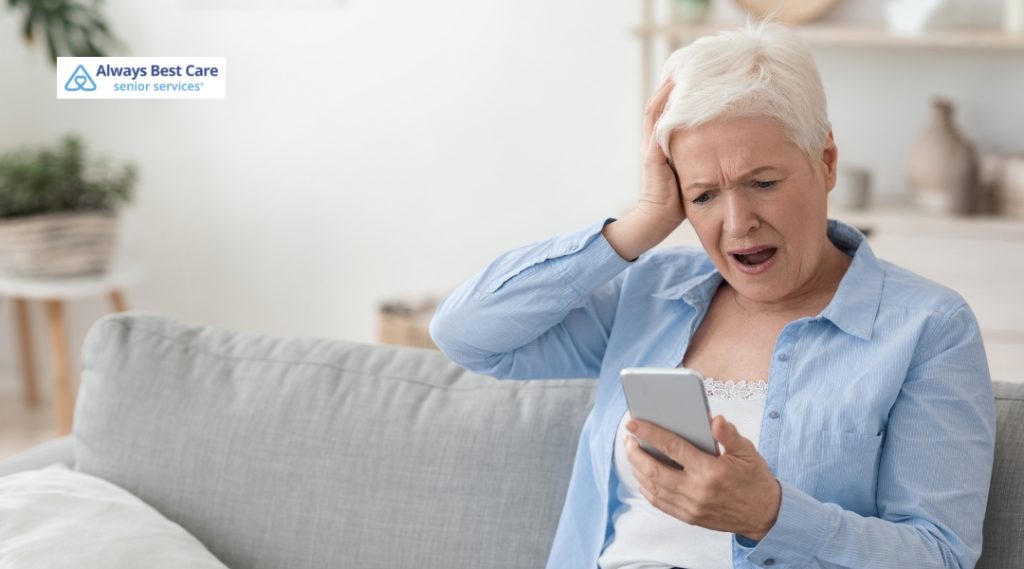
Email, Text, and Phishing Scams
These messages often look surprisingly legitimate. They may:
- Use real logos from banks, pharmacies, delivery services, or healthcare providers
- Ask the senior to “confirm” information or reset a password
- Contain links to fake websites designed to capture account logins or personal data
One careless click, and a scammer could have the keys to a bank account.
Sweepstakes and Lottery Scams
Out of the blue, a senior is told they’ve hit the jackpot—cash, a car, a vacation. The catch?
- They must pay “taxes,” “processing fees,” or “customs charges” up front.
- The scammer may warn them not to tell anyone, claiming it will “void the prize.”
There is no prize. There’s only money going out and nothing coming back.
Romance and Friendship Scams
Online relationships can feel real, especially for someone who’s lonely. A scammer might:
- Spend weeks or months building an emotional bond
- Share personal stories or fake photos
- Suddenly face a “medical emergency,” “travel problem,” or “business crisis” and ask for money
By the time they ask for cash, the emotional hook often feels very real to the senior.
Tech Support Scams
A pop-up on the screen or a surprise call claims:
- The computer has a virus
- The senior’s online security has been “compromised”
- Immediate action is required to avoid losing files or money
The scammer may request remote access to the computer or demand payment for fake repairs.
Warning Signs of Senior Scams
Scams might vary, but the red flags are surprisingly similar. Watch for situations where someone:
- Insists on immediate payment or says “this offer ends today.”
- Demands payment via gift cards, wire transfers, or cryptocurrency.
- Contacts your loved one out of the blue, asking for personal or financial information.
- Uses scare tactics, guilt, or high-pressure language to push a decision.
- Tells your loved one to keep the conversation or payment secret from family.
If something feels off or too good to be true, that’s your cue to hit the brakes and verify before doing anything.
How Families in Charleston, SC Can Help Protect Loved Ones
We don’t have to sit on the sidelines. Families can play a huge role in blocking senior scams before they do damage. Try:
- Talking openly about common scams and sharing real-life examples.
- Agreeing on a “check first” rule: your loved one calls a trusted person before sending money or sharing account details.
- Reviewing bank and card statements together for unusual charges.
- Setting up call blocking and spam filters on phones and email.
- Practicing what to say to hang up or ignore suspicious messages, so your loved one feels confident saying no.
The goal isn’t to scare seniors, but to empower them—with you at their side.
How In-Home Care Helps Reduce Senior Scam Risk
Daily support at home can be a quiet but powerful shield against scams. Having a trusted caregiver nearby means your loved one isn’t facing every phone call, email, or knock at the door alone.
At Always Best Care of Charleston, SC, we focus on more than just day-to-day tasks—we help keep seniors safer and more confident. We can:
- Screen phone calls or unexpected visitors, helping filter out suspicious contacts.
- Notice changes in spending or behavior, such as sudden anxiety about money.
- Provide companionship, which eases loneliness and makes seniors less vulnerable to emotional manipulation.
- Encourage open communication with family about money requests, new “friends,” or offers that seem unusual.
We see ourselves as extra sets of eyes and ears, looking out for your loved one’s well-being.
What Should You Do If You Suspect a Scam?
If your gut says something’s wrong, don’t shrug it off. Acting quickly can lessen the damage and help your loved one feel supported rather than blamed. Steps to take include:
- Contact the bank or credit card company right away to stop or dispute charges.
- Report the scam to local law enforcement or adult protective services in Charleston, SC.
- Change passwords and review accounts for additional suspicious activity.
- Offer calm reassurance, not criticism—many seniors feel embarrassed and may hide what happened if they expect to be judged.
The goal is to fix the problem, not point fingers.
FAQs About Senior Scams in Charleston, SC
Q: How can I talk to my loved one about scams without worrying them?
A: Focus on empowerment, not fear. You might say, “There are a lot of tricky calls and emails going around. Let’s come up with a plan together so nobody can take advantage of you.”
Q: My loved one keeps getting constant robocalls. What can we do?
A: Consider a call-blocking service, registering their number on Do Not Call lists, and encouraging them not to answer numbers they don’t recognize. If a call is important, the caller can leave a voicemail.
Q: What if my loved one has already sent money?
A: Contact the bank or card company immediately. In some cases, they may be able to reverse charges or freeze accounts. It’s also important to report the scam and monitor for additional activity.
Q: Can in-home care really help prevent scams?
A: Yes. A caregiver can notice unusual calls or messages, bring concerns to the family’s attention, and help your loved one pause and double-check before sharing money or information.
Q: Are certain seniors more at risk than others?
A: Seniors who live alone, feel lonely, or have memory issues are often targeted more aggressively. That’s why regular check-ins and support make such a difference.
Protecting Seniors Starts with Awareness
Senior scams may be getting more sophisticated, but they’re not unbeatable. With shared knowledge, honest conversations, and steady support, families in Charleston, SC can help seniors stay safer and more confident.
At Always Best Care of Charleston, SC, we’re committed to walking alongside you. We help with daily care, companionship, and an added layer of awareness that can make a real difference in spotting trouble early.
If someone you love could use extra support at home—both for everyday tasks and for protection from scams—reach out to us at Always Best Care of Charleston, SC to schedule a care consultation and learn how we can help your loved one stay safe, independent, and secure at home. Contact Always Best Care of Charleston at (843) 996-4498 to learn more and schedule your free consultation.
Link to the markdown version of this blog.