

Caring for Your Brain: Senior Stroke Prevention Tips in Dallas, TX

Stroke is one of the most serious health threats facing older adults today. It can disrupt speech, movement, memory, and independence in an instant — and recovery can take months or years. The good news? Up to 80% of strokes are preventable. For seniors in Dallas, TX, building the right daily habits and managing underlying health conditions can make a significant difference in long-term brain health.
What You Will Learn:
- Why stroke risk increases with age and how everyday actions can make prevention easier.
- Simple lifestyle changes that help control blood pressure, cholesterol, and diabetes for better brain health.
- How diet, movement, and medication management all work together to lower stroke risk.
- The essential role of in-home caregivers in helping Dallas seniors maintain consistent, healthy routines.

Table of Contents
Why Stroke Risk Rises with Age
The risk of stroke roughly doubles every decade after age 55. Aging naturally affects blood vessel elasticity and cardiovascular function, but lifestyle and medical factors accelerate that risk. The most common contributors include:
- High blood pressure — the single leading cause of stroke
- Type 2 diabetes — damages blood vessels over time
- High cholesterol — leads to arterial plaque buildup
- Heart disease and atrial fibrillation — can cause blood clots that travel to the brain
- Physical inactivity and poor diet — compound all of the above
Understanding these risk factors is the first step. Acting on them is what protects your health.
Keep Blood Pressure in a Healthy Range
Chronically elevated blood pressure puts constant stress on blood vessel walls, increasing the risk of rupture or blockage in the brain. For seniors, keeping blood pressure below 130/80 mmHg is generally the target — though individual goals vary by physician.
Practical steps to manage blood pressure:
- Check levels at home with a reliable monitor
- Take prescribed medications consistently — never skip doses
- Cut back on sodium by cooking at home and reading food labels
- Limit alcohol consumption
- Stay active and maintain a healthy weight
Small, consistent changes add up. Even a modest reduction in blood pressure meaningfully lowers stroke risk.

Manage Diabetes Proactively
High blood sugar damages the walls of blood vessels, making them more prone to narrowing and blockage. Seniors with diabetes face a significantly higher stroke risk — but that risk is manageable with the right approach.
Key strategies for diabetes management:
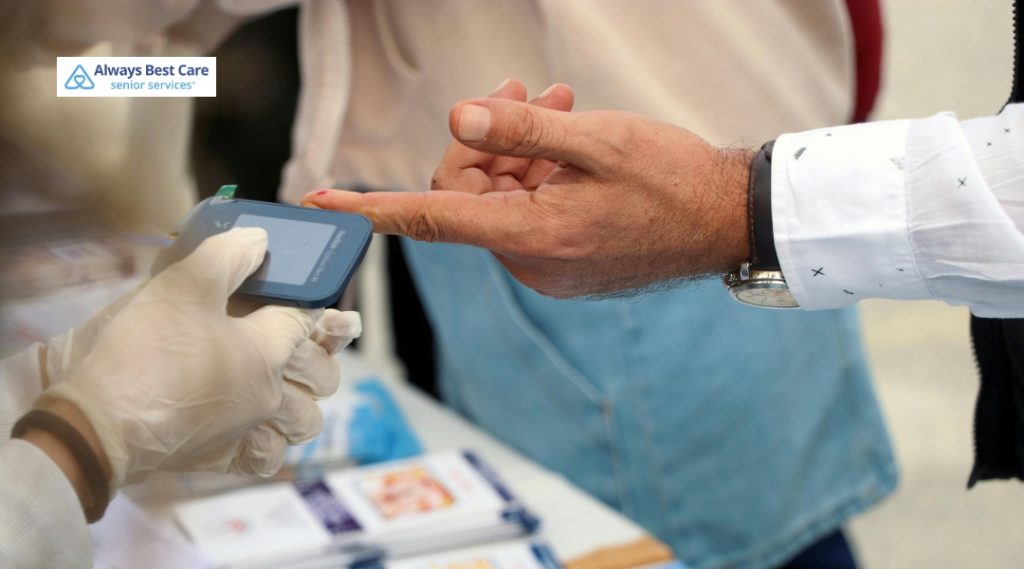
- Monitor blood glucose levels daily
- Follow a low-glycemic, balanced meal plan
- Take medications or insulin as directed
- Stay physically active, since exercise improves insulin sensitivity
- Attend regular check-ins with your endocrinologist or primary care physician
Keeping blood sugar stable protects not just the brain, but the heart, kidneys, and eyes as well.
Address Cholesterol Before It Becomes a Problem
High LDL cholesterol contributes to plaque buildup inside the arteries — a condition called atherosclerosis. Over time, this narrows the arteries and restricts blood flow to the brain, setting the stage for a stroke.
To support healthy cholesterol levels:
- Prioritize fiber-rich foods: oats, legumes, fruits, and vegetables
- Replace saturated fats with heart-healthy options like olive oil, avocado, and nuts
- Limit red meat and processed foods
- Follow prescribed statin or cholesterol-lowering medication plans
- Get cholesterol panels checked at least once a year
Diet and medication together are far more effective than either approach alone.

Move More — Even a Little Goes a Long Way
Regular physical activity is one of the most powerful tools for stroke prevention. Exercise strengthens the heart, improves circulation, helps regulate blood pressure and blood sugar, and supports a healthy weight.
Seniors don’t need to run marathons to benefit. Low-impact activities that make a real difference include:
- Daily 20–30 minute walks in the neighborhood or a local Dallas park
- Chair-based stretching or strength exercises
- Water aerobics or swimming
- Yoga or tai chi — both excellent for balance and cardiovascular health
- Light gardening or yard work
Aim for at least 150 minutes of moderate activity per week. If that feels like a lot, start with 10 minutes a day and build gradually.

Eat to Protect Your Brain
A nutrient-dense diet directly supports cardiovascular and brain health. The Mediterranean diet — widely studied and consistently recommended — is particularly effective for stroke prevention.
Brain-protective foods to prioritize:
- Leafy greens, berries, and colorful vegetables
- Whole grains like quinoa, brown rice, and oats
- Fatty fish such as salmon and mackerel (rich in omega-3s)
- Olive oil, walnuts, and flaxseed
- Legumes and lean poultry
Foods to limit:
- Processed and packaged snacks high in sodium
- Fried foods and trans fats
- Sugary beverages and refined carbohydrates
Staying well-hydrated throughout the day also supports healthy circulation and cognitive function.
The Value of Consistent Daily Support
For many seniors — especially those managing multiple health conditions or living alone — maintaining these habits consistently is the real challenge. That’s where in-home caregivers make a meaningful difference.
Caregivers can support stroke prevention by:
- Preparing balanced, heart-healthy meals daily
- Accompanying seniors on walks and encouraging movement
- Organizing medications and providing timely reminders
- Tracking health changes and communicating with family or physicians
- Reducing isolation, which is itself a risk factor for cognitive decline
Having a reliable support system at home helps seniors stay on track — not just occasionally, but every day.
Helping Seniors Stay Healthy and Independent in Dallas, TX
Stroke prevention isn’t a single action — it’s a lifestyle built on consistent, manageable habits. By addressing blood pressure, blood sugar, cholesterol, diet, and physical activity, seniors in Dallas can significantly reduce their risk and protect their independence for years to come.
At Always Best Care of Dallas and Fort Worth, TX, our compassionate caregivers help seniors maintain healthy routines at home. From meal preparation and medication reminders to daily companionship and activity support, we’re here to help your loved one thrive.
Frequently Asked Questions
Q: What is the most important thing seniors can do to prevent a stroke?
A: Managing blood pressure is the single most impactful step. High blood pressure is the leading cause of stroke, and keeping it within a healthy range — through medication, diet, and exercise — dramatically reduces risk.
Q: At what age should seniors start focusing on stroke prevention?
A: Stroke prevention is relevant at any age, but becomes especially important after 55, when risk begins to rise more sharply. Seniors who haven’t yet discussed stroke risk with their doctor should do so at their next appointment.
Q: Can stroke risk be reduced even if a senior already has diabetes or heart disease?
A: Yes. While these conditions do increase risk, managing them effectively through medication, lifestyle changes, and regular medical care can significantly lower the likelihood of stroke.
Q: How does in-home care help with stroke prevention?
A: In-home caregivers support the daily habits that reduce stroke risk — healthy eating, physical activity, medication adherence, and regular health monitoring. Consistent support makes it much easier for seniors to maintain these routines long-term.
Q: What are the warning signs of a stroke seniors should know?
A: Use the acronym FAST: Face drooping, Arm weakness, Speech difficulty, Time to call 911. Acting quickly during a stroke significantly improves outcomes.

Protect Brain Health with Trusted In-Home Care
At Always Best Care of Dallas, we help seniors stay healthy and independent through personalized stroke prevention support at home. Our compassionate caregivers assist with nutritious meals, medication reminders, daily exercise, and companionship — creating a routine that promotes heart and brain wellness.
Contact Always Best Care of Dallas at (972) 739-8886 to learn more and schedule your free consultation.
Link to the markdown version of this blog.