How Skilled Nurses Help Wounds Heal Faster at Home in Dallas, TX
Aging skin is more fragile than most people realize. What looks like a minor cut or scrape on a younger person can become a serious health concern for a senior — especially when chronic conditions like diabetes or poor circulation are part of the picture. In Dallas, TX, families navigating wound care for an aging loved one often face a difficult question: when is home treatment enough, and when does a skilled nurse need to step in?
This guide breaks down what makes wound care more complex for older adults, what warning signs to watch for, and how home health services in Dallas can help seniors heal safely and comfortably at home.
Table of Contents
What You Will Learn
- Why wounds can be more difficult to heal in older adults because of fragile skin, diabetes, poor circulation, heart disease, peripheral artery disease, medications, immune changes, nutrition concerns, dehydration, and limited mobility.
- Which wounds may require prompt professional assessment or physician-directed skilled nursing, including pressure injuries, diabetic foot ulcers, post-surgical incisions, venous or arterial ulcers, skin tears, burns, and chronic wounds that are not improving.
- Warning signs that should lead families to contact a healthcare provider, including increasing redness, warmth, swelling, worsening pain, drainage, wound separation, dark or black tissue, fever, chills, confusion, or a sudden decline in energy or alertness.
Why Wound Healing Is Different for Older Adults
The body’s ability to repair itself changes significantly with age. Skin becomes thinner and loses elasticity, making it easier to tear and slower to close. Blood flow to the skin decreases, which limits the delivery of oxygen and nutrients that tissues need to regenerate.
Several common health conditions compound these challenges:
- Diabetes can damage nerves and blood vessels, reducing sensation in the feet and legs and slowing circulation — two factors that dramatically slow healing and increase infection risk.
- Heart disease and peripheral artery disease restrict blood flow to the extremities, making wounds in those areas especially difficult to heal.
- Immunosuppressive medications, including steroids and some cancer treatments, can impair the body’s ability to fight infection.
- Malnutrition and dehydration are underrecognized contributors to poor wound healing. Protein, vitamin C, zinc, and adequate fluid intake all play direct roles in tissue repair.
Understanding these factors helps families recognize why a wound that seems manageable on the surface may actually require professional oversight.
Types of Wounds That Often Require Skilled Nursing
Not every wound needs a home health nurse, but certain types carry enough risk that professional involvement is strongly recommended.
Pressure injuries (bedsores): These develop when sustained pressure cuts off blood flow to the skin, typically over bony areas like the heels, tailbone, hips, and elbows. Seniors with limited mobility are at highest risk. Even early-stage pressure injuries can deteriorate quickly without proper treatment.
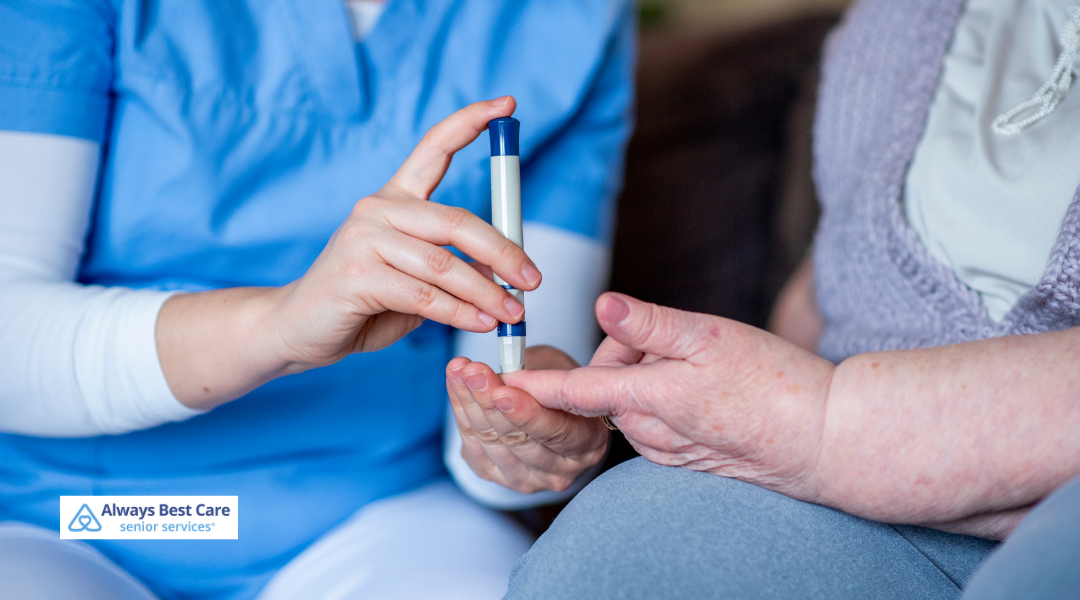
Diabetic foot ulcers: These are among the most serious wound types in older adults. Because diabetes can reduce sensation in the feet, ulcers often go unnoticed until they are already infected. Left untreated, they can lead to hospitalization or amputation.
Surgical incisions: Post-operative wounds require careful monitoring for signs of dehiscence (reopening) or infection, particularly in seniors whose immune systems may be slower to respond.
Venous and arterial ulcers: Caused by poor circulation, these wounds typically appear on the lower legs and are notoriously slow to heal without targeted treatment.
Skin tears: Common in seniors on blood thinners, skin tears can be deceptively difficult to manage and may require professional closure and dressing techniques.
Chronic wounds: Any wound that has not shown measurable improvement after two to four weeks warrants professional evaluation.
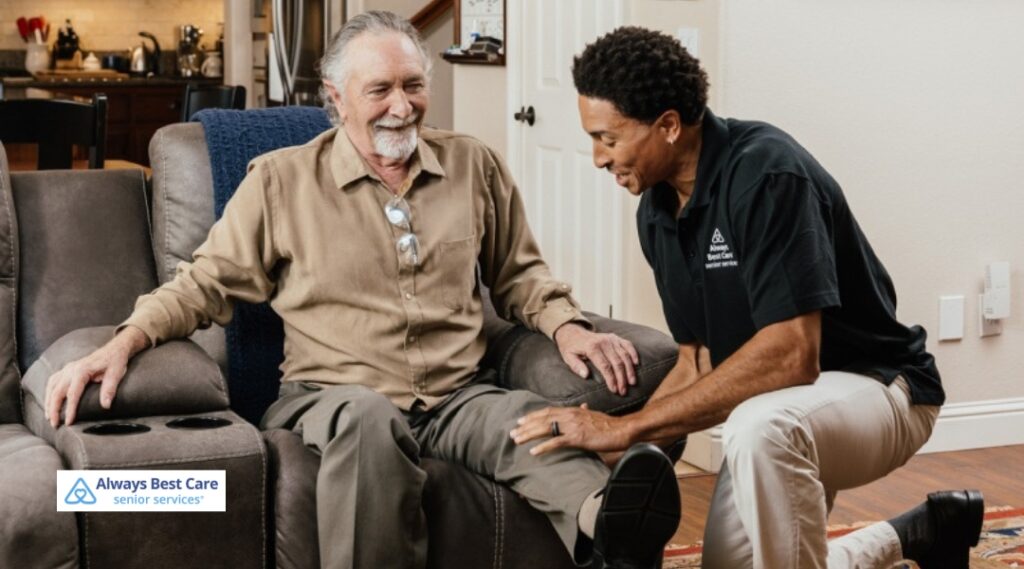
Warning Signs That a Wound Needs Medical Attention
Families providing wound care at home should know what to watch for. Seek medical attention if you notice any of the following:
- Increasing redness, warmth, or swelling around the wound — these are classic signs of infection
- Discharge that is cloudy, yellow, green, or foul-smelling
- The wound edges are separating or the wound appears to be getting larger rather than smaller
- Fever, chills, or confusion — these can indicate that an infection has spread beyond the wound
- Sudden changes in overall health or energy levels in a senior with a known wound
- No visible improvement after one to two weeks of home treatment
Seniors with diabetes, compromised immune systems, or circulation problems should be evaluated sooner rather than later, as infections in these populations can escalate rapidly.
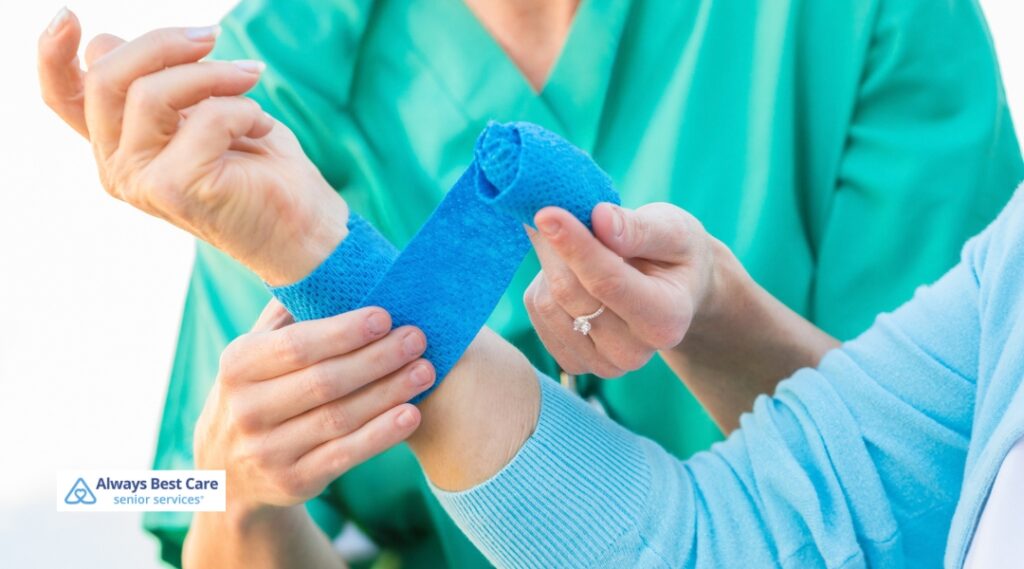
What a Home Health Nurse in Dallas, TX Does for Wound Care
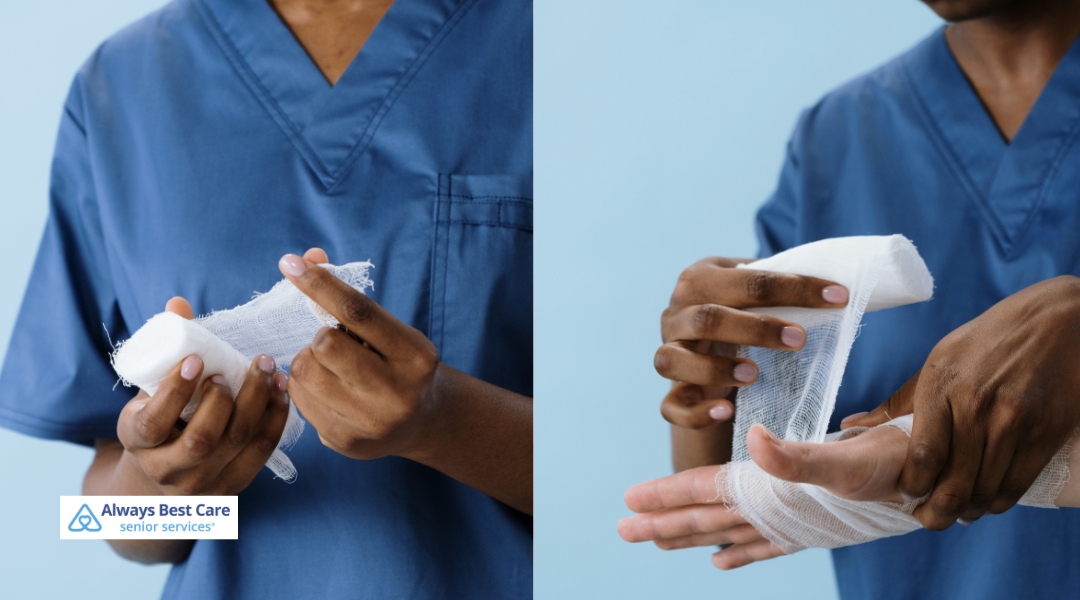
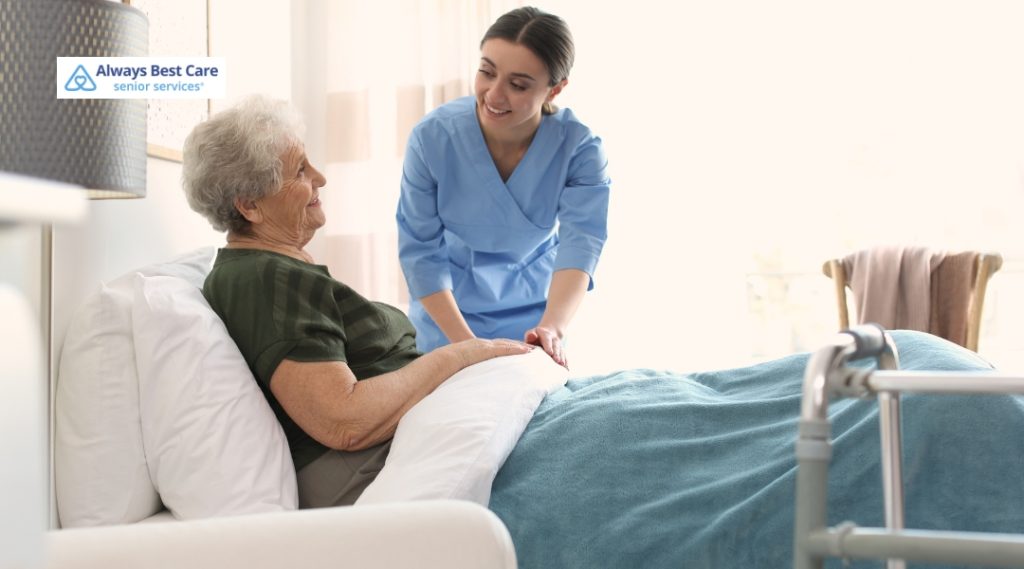
When a physician orders skilled nursing as part of a home health plan, a licensed nurse visits the senior at home and provides clinical wound care based on the treatment plan. This is not the same as general caregiving — it is medical care delivered in a home setting.
Skilled nursing wound care in Dallas may include:
- Wound assessment and documentation — tracking size, depth, tissue type, and healing progress at each visit
- Debridement — removing dead or damaged tissue that can slow healing or harbor bacteria
- Wound cleaning and irrigation — using appropriate solutions to reduce bacterial load
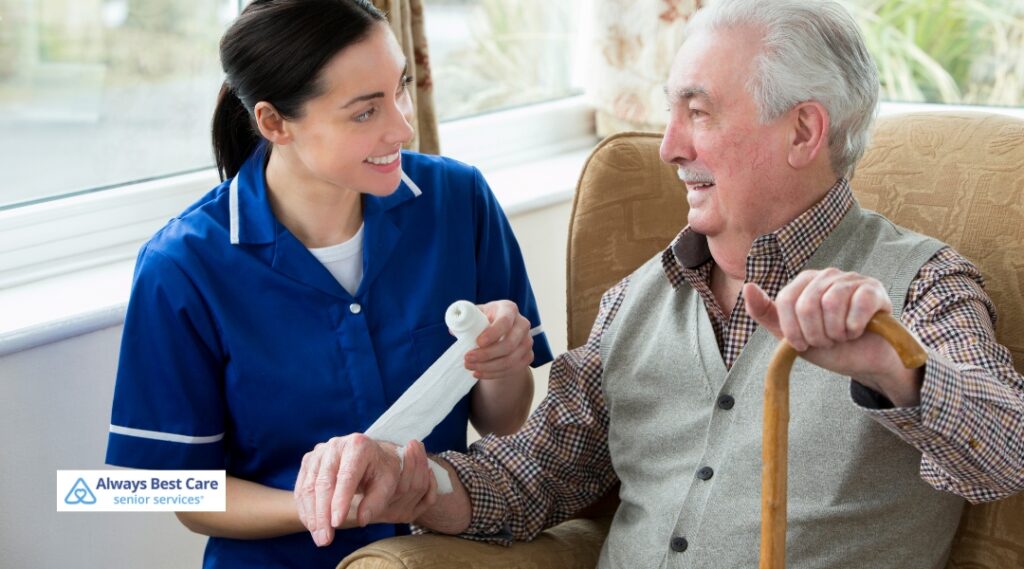
- Dressing selection and application — choosing the right dressing type based on wound characteristics (moisture level, depth, infection risk)
- Infection monitoring and management — identifying early signs of infection and coordinating with the physician
- Patient and family education — teaching caregivers how to care for the wound between visits and what changes to report
- Care coordination — communicating updates to the broader healthcare team, including the physician and any specialists involved
A skilled nurse also serves as an important safety net for seniors who have recently been discharged from the hospital or a rehabilitation facility, when the risk of complications is often highest.
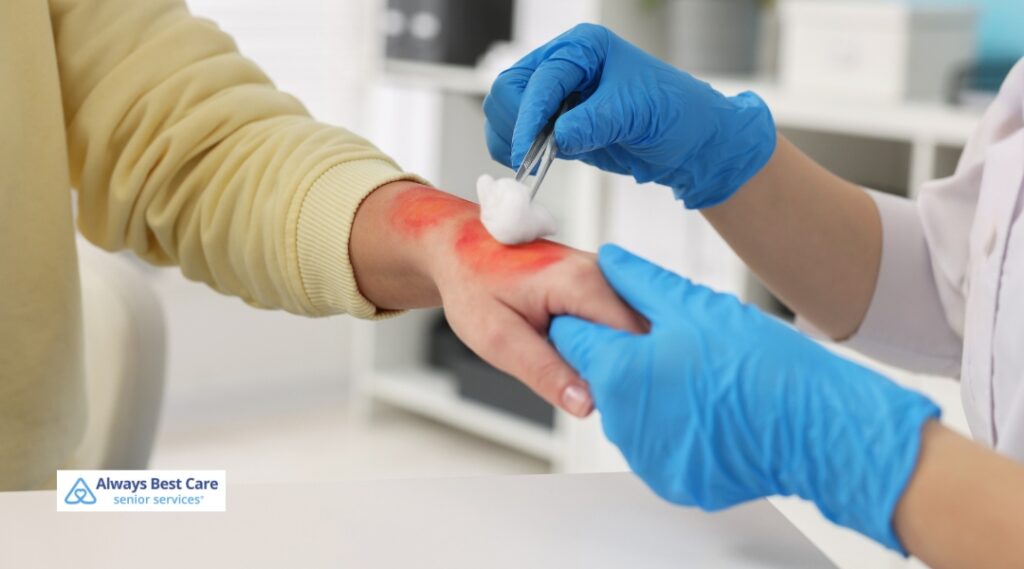
Preventing Pressure Injuries Before They Start
For seniors with limited mobility, prevention is just as important as treatment. Pressure injuries are largely preventable with the right approach.
Key prevention strategies include:
- Repositioning regularly — changing position at least every two hours for bed-bound seniors, or more frequently if recommended by the care team
- Using pressure-relieving equipment — specialized mattresses, cushions, and heel protectors can significantly reduce risk
- Keeping skin clean and dry — moisture from incontinence or perspiration accelerates skin breakdown
- Maintaining good nutrition and hydration — adequate protein and fluid intake support skin integrity
- Daily skin checks — paying close attention to high-risk areas including the heels, ankles, hips, tailbone, and shoulder blades
Caregivers who know what to look for can catch early warning signs — redness that does not fade when pressure is relieved — before a pressure injury develops.
How In-Home Care and Skilled Nursing Work Together
Skilled nursing addresses the clinical side of wound care, but seniors recovering from wounds often need support that goes beyond medical treatment. This is where in-home caregivers play a complementary role.
An in-home caregiver can assist with:
- Meal preparation to support a healing diet
- Personal hygiene and bathing, which reduces infection risk
- Mobility assistance to help with repositioning and safe movement
- Medication reminders
- Light housekeeping to maintain a clean environment
- Companionship and emotional support during recovery
Caregivers are also well-positioned to notice changes in a senior’s condition between nursing visits — and to communicate those observations to family members or the healthcare team. When skilled nursing and in-home care work in coordination, seniors receive both the medical oversight and the daily support they need to recover well.
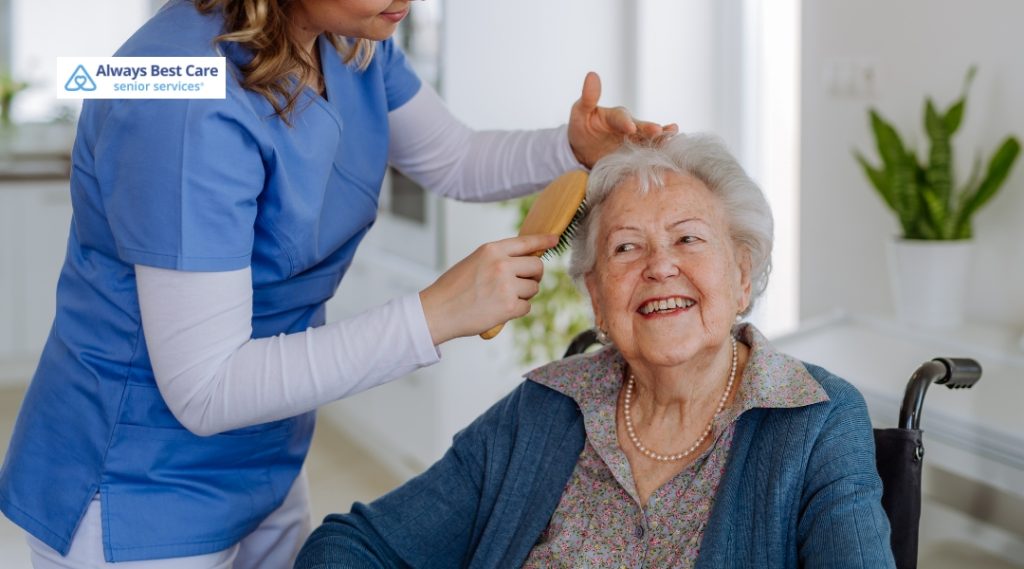
Supporting Safer Healing at Home in Dallas, TX
Complex wound care does not have to mean a hospital stay or a move to a facility. With the right professional support, many seniors in Dallas can heal safely and comfortably at home — close to family, in familiar surroundings, and with their independence intact.
Always Best Care of Dallas and Fort Worth, TX offers services designed to support older adults through recovery and beyond. Depending on your loved one’s needs and what is available in your area, services may include skilled nursing for wound care and in-home caregivers to assist with daily tasks.
Frequently Asked Questions
Q: Can a home health nurse provide wound care without a hospital stay?
A: Yes. When a physician orders skilled nursing services, a licensed nurse can provide clinical wound care — including assessment, dressing changes, and infection monitoring — directly in the senior’s home. A hospital stay is not required.
Q: How do I know if my loved one qualifies for home health wound care?
A: Eligibility for home health services is typically determined by a physician’s order and an assessment of the patient’s needs. A healthcare provider can evaluate the wound and determine whether skilled nursing is medically necessary.
Q: How often will a nurse visit for wound care?
A: Visit frequency depends on the type and severity of the wound, the physician’s orders, and how the wound is progressing. Some wounds require daily visits; others may need a nurse two to three times per week.
Q: What is the difference between a home health nurse and an in-home caregiver?
A: A home health nurse is a licensed medical professional who provides clinical care, such as wound treatment, medication management, and health monitoring. An in-home caregiver assists with daily living tasks like bathing, meals, and mobility. Both roles are valuable, and they often work together as part of a senior’s care plan.
Q: What should I do if I think a wound is infected?
A: Contact the senior’s physician or home health provider right away. If the senior has a fever, is confused, or seems significantly worse, seek emergency care. Do not wait to see if it improves on its own.
Q: Are diabetic foot ulcers really that serious?
A: Yes. Diabetic foot ulcers are a leading cause of hospitalization and lower-limb amputation in older adults. Early professional intervention is critical. If your loved one has diabetes and you notice any wound on the foot — no matter how small — have it evaluated promptly.
Sources
- National Institutes of Health (NIH) — Wound Healing in Older Adults
- Centers for Disease Control and Prevention (CDC) — Diabetes and Foot Complications
- National Pressure Injury Advisory Panel (NPIAP) — Pressure Injury Prevention
- MedlinePlus (U.S. National Library of Medicine) — Wound Care
- American Academy of Dermatology Association — How Skin Changes with Age
- Wound, Ostomy and Continence Nurses Society (WOCN) — Clinical Resources on Wound Management
Support Safer Wound Recovery at Home
A wound that is worsening, not healing as expected, showing signs of infection, or making mobility and daily routines more difficult can become a serious concern for an older adult. Prompt clinical guidance, a physician-directed care plan, and dependable day-to-day assistance can help families respond earlier and make recovery at home more manageable.
Contact Always Best Care of Dallas at (972) 739-8886 to learn more and schedule your free consultation.
Link to the markdown version of this blog.