
Adaptive Home Modifications for Dallas Veterans: Planning for Access, Comfort, and Independence
A home modification is most useful when it solves a problem the person actually experiences.
For one Dallas Veteran, that may mean entering the house without struggling with steps. For another, it may mean using a bathroom more comfortably, reaching kitchen supplies, or moving through a doorway with a wheelchair.
Before choosing equipment or planning construction, ask your loved one what they want to do more easily at home. Their priorities should guide the project—not a standard renovation checklist.
Some Veterans may qualify for VA assistance with medically necessary improvements or housing adaptations. However, these programs have specific requirements, and neither a disability rating nor a proposed accessibility project automatically guarantees approval.
Table of Contents
What You Will Learn
- Why a Veteran’s daily goals, abilities, and preferences should guide accessibility decisions.
- What to discuss during a professional home assessment before purchasing equipment or beginning construction.
- How entrance access, doorway approaches, and interior movement routes can affect everyday independence.
Start With a Professional Assessment
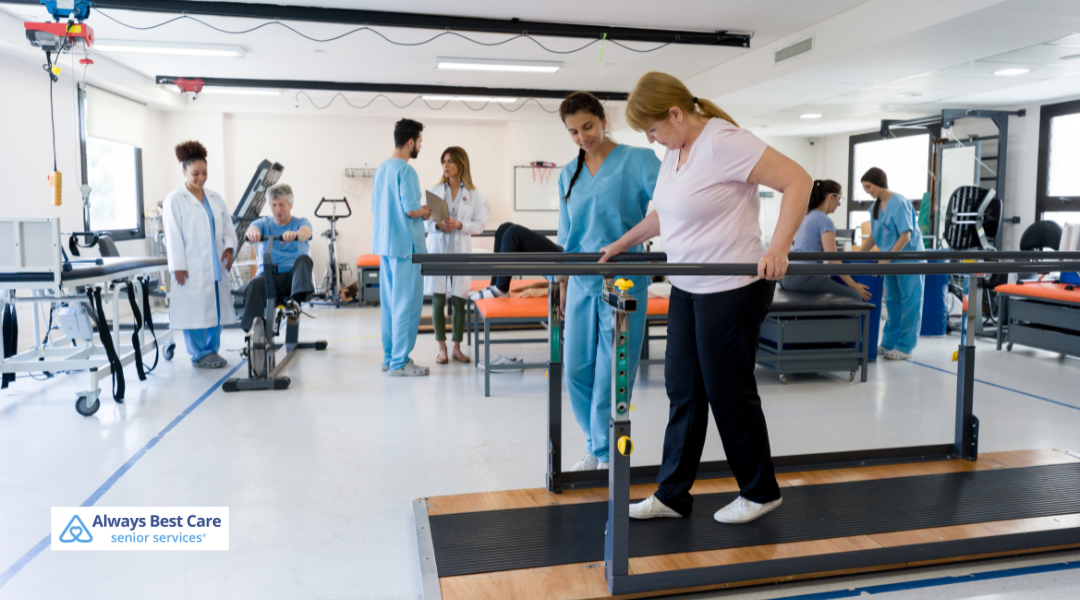
Ask the healthcare or rehabilitation team about an occupational therapy home assessment before purchasing equipment or beginning major work.
A professional assessment can connect the Veteran’s abilities with the layout of the home and the activities they want to complete. It can also help families distinguish between changes that are immediately useful and projects that may not address the actual difficulty.
Topics to review include:
- Getting into and out of the house
- Moving through doorways and tight turns
- Using a walker, wheelchair, or other prescribed equipment
- Getting in and out of bed or a chair
- Bathing and toileting
- Reaching everyday items
- Receiving assistance from a caregiver
If VA funding is being considered, involve the VA team early. HISA applications require a prescription written or approved by a VA physician, including the proposed project and its medical justification.
Improve Entryway Access
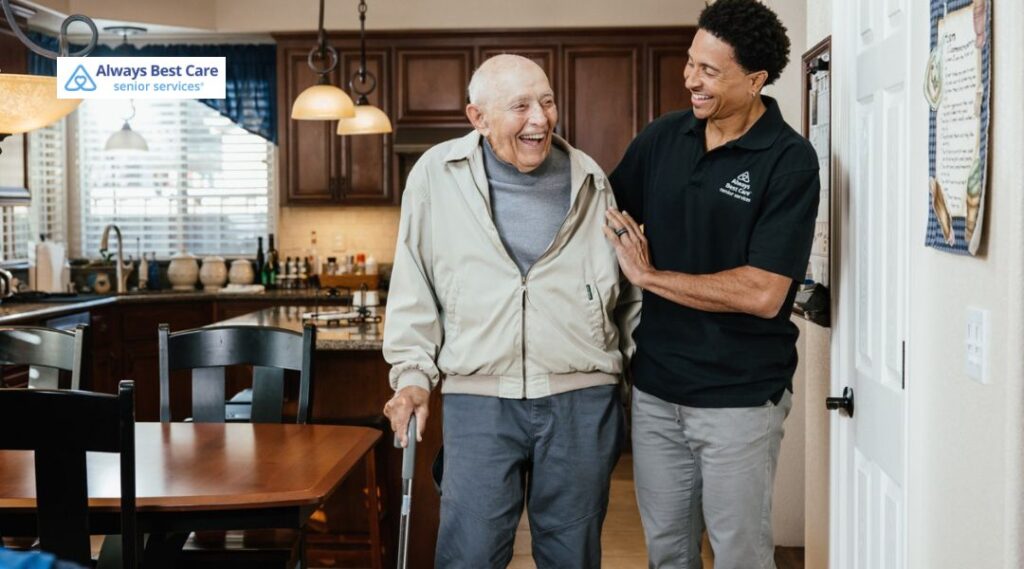
An accessible entrance supports more than convenience. It helps a Veteran leave for appointments, spend time with others, and return home with less difficulty.
Depending on the assessment, options to explore may include:
- A professionally designed permanent ramp
- Secure handrails
- A more manageable threshold
- Adequate space to approach and open the door
- A stable route between the vehicle and entrance
- Improved lighting around steps and doorways
A ramp should be planned around the property, equipment, and person using it. Avoid assuming that a portable product or a particular entrance will be suitable without professional guidance.
VA’s HISA program identifies home entrance and exit access, permanent ramping, and certain improvements to the immediate entrance path as potential uses when medically necessary. That does not mean every driveway or exterior project qualifies.
Look Beyond Doorway Width
A doorway may appear wide enough but still be difficult to navigate because of the approach, door swing, furniture placement, or a tight turn nearby.
Review the routes the Veteran uses most often:
- Entrance to the main living area
- Bedroom to bathroom
- Living room to kitchen
- Bedroom to an accessible exit
Practical changes may include moving furniture, removing clutter, relocating cords, or changing where equipment is stored. More substantial barriers may require professional recommendations about doorways or structural alterations.
Consider space for both the Veteran and anyone assisting them. A route should support actual movement—not simply provide an unobstructed view from one room to another.
Make Bathroom Modifications Personal
Bathrooms often require careful planning because they combine limited space with activities that involve reaching, turning, sitting, standing, and transferring.
Depending on individual needs, an assessment may identify options such as:
- Properly positioned grab bars
- A shower chair or transfer bench
- A more accessible shower entrance
- Suitable toilet supports
- Easier-to-operate fixtures
- Reachable towels and personal-care supplies
- Space for mobility equipment or caregiver assistance
Equipment selection and placement should reflect how the Veteran completes the task. Installing a grab bar or shower bench does not automatically make bathing safe without assistance.
Access to essential bathroom facilities, including roll-in showers, is among the purposes VA lists for HISA. Medical necessity and project approval still apply.
Arrange Kitchens and Storage for Easier Use
Accessibility also means being able to participate in ordinary routines: choosing clothing, preparing a snack, washing hands, or enjoying a hobby.
Ask which items are difficult to reach and which activities require unnecessary bending or stretching. Consider reorganizing:
- Frequently used clothing
- Personal-care supplies
- Dishes and utensils
- Food preparation items
- A phone and charger
- Supplies for favorite activities
Keep work surfaces organized so improved access does not create new clutter.
Some Veterans may need structural adaptations, such as more accessible sinks or counters. VA lists kitchen and bathroom sink or counter accessibility as a potential HISA purpose when medically justified.
Prioritize Projects by Need and Function
Families do not always need to complete every improvement at once.
Use the assessment to divide potential changes into three groups:
Immediate Access Needs
These are barriers affecting essential activities, such as entering the home or reaching and using the bathroom.
Practical Layout Changes
These may include rearranging furniture, relocating supplies, or creating usable routes for equipment.
Larger Projects Requiring Planning
Structural alterations may require design work, estimates, permits, property-owner permission, and funding approval.
For each proposed change, ask: “Which activity will this make easier, and how will we know whether it works?”
This helps keep the project focused on function rather than appearance.
Understand VA Adaptation Assistance
VA programs have different purposes and eligibility rules. Families should not assume that approval under one program establishes eligibility for another.
Home Improvements and Structural Alterations — HISA
HISA helps eligible Veterans and service members obtain medically necessary improvements to a primary residence.
Potential purposes include:
- Entrance and exit access
- Access to essential bathroom facilities
- Accessible kitchen or bathroom sinks and counters
- Permanent ramping for home access
- Certain plumbing or electrical changes required for home medical equipment
HISA is not a general remodeling allowance. Eligibility, medical justification, the proposed work, and remaining benefit entitlement must be reviewed. It can apply to eligible Veterans with service-connected or non-service-connected disabilities, with different benefit categories depending on the circumstances.
Specially Adapted Housing — SAH
SAH can help eligible Veterans or service members obtain or adapt housing to accommodate certain qualifying service-connected disabilities.
The program has narrow disability requirements. A disability rating alone does not establish eligibility.
Special Home Adaptation — SHA
SHA is another adaptation benefit for people with specific qualifying service-connected disabilities.
Its requirements differ from SAH. Families should ask VA which program, if any, fits the Veteran’s disability and housing circumstances rather than treating the programs as interchangeable.
Confirm Approval Before Beginning Work
Do not assume that completing a project first will guarantee reimbursement.
For HISA, the application package includes:
- A prescription written or approved by a VA physician
- A completed and signed VA Form 10-0103
- An itemized estimate covering labor, materials, permits, and inspections
- A color photograph of the area before modification
- Required property-owner authorization, including notarized permission for renters
Ask VA what approvals are required and when work may begin before committing to construction.
Also clarify which costs may remain the family’s responsibility. A useful project budget distinguishes confirmed assistance from funding that is still being considered.
Match the Environment With the Right Support
Modifications and personal assistance serve different purposes.
A more accessible doorway may improve movement, but the Veteran may still need help transferring. A suitable bathroom setup may reduce barriers without eliminating the need for supervision.
Ask the rehabilitation team to clarify:
- Which tasks can be completed independently
- Which require supervision
- Which require trained hands-on assistance
- What equipment should be used
- When the plan should be reassessed
Keep the Veteran involved. The aim is to preserve safe opportunities for participation without expecting more than is manageable.
How Always Best Care of Dallas Can Help
Always Best Care of Dallas can help families explore available non-medical in-home support that complements an accessibility plan.
Depending on local services and the individualized care arrangement, assistance may include companionship, meal preparation, light housekeeping, personal-care support, transportation assistance, and respite for family caregivers.
Explain any mobility, transfer, or supervision needs before arranging services so the team can determine what assistance it can safely provide.
Home care does not replace a professional accessibility assessment, construction services, rehabilitation, or a VA eligibility review. Its role is to help with daily life around the Veteran’s preferences and the healthcare team’s recommendations.

FAQ
Q: Where should Dallas families begin?
A: Start with the Veteran’s priorities, then ask the healthcare team about a professional home assessment. If seeking VA funding, confirm the program requirements before beginning major work.
Q: Does every Veteran qualify for adaptation assistance?
A: No. Each program has specific eligibility and project requirements. VA determines whether the Veteran and proposed work qualify.
Q: Can renters explore HISA assistance?
A: Potentially. HISA includes application provisions for renters, including a signed and notarized statement from the property owner authorizing the work. Other requirements still apply.
Q: Should we buy bathroom equipment before an assessment?
A: Ask the rehabilitation team first. Equipment and placement should match how the Veteran moves and completes personal care.
Q: Can home care eliminate the need for modifications?
A: Not necessarily. Personal assistance and environmental changes address different barriers. A professional assessment can help determine where both are useful.
Q: Will VA pay for work we arrange ourselves?
A: Do not assume reimbursement. Confirm eligibility, documentation, project approval, and when work may begin before making financial commitments.

Plan Around the Veteran’s Goals
A more accessible home begins with meaningful goals: entering comfortably, using the bathroom more independently, preparing a meal, or moving between familiar rooms.
Ask the healthcare team about a personalized assessment and explore VA adaptation requirements before beginning major work. Then contact Always Best Care of Dallas to discuss in-home assistance that supports your loved one’s preferences, daily routines, and family care plan. Contact Always Best Care of Dallas at (972) 739-8886 to learn more and schedule your free consultation.
Link to the markdown version of this blog.