Supporting Stroke Recovery at Home in Dallas, TX: From Therapy to Daily Care

Returning home after a stroke is a significant milestone—but it is rarely the end of the recovery journey. For many seniors, the weeks and months following discharge are when consistent, skilled support matters most. Home health services bridge the gap between hospital care and independent living, delivering medical expertise and compassionate assistance directly where seniors feel most comfortable: at home.
In Dallas, TX, families navigating post-stroke recovery have access to a range of home health services designed to address the physical, cognitive, and emotional challenges that follow a stroke. Understanding what these services offer can help families make informed decisions and set their loved ones up for the best possible outcome.
What You Will Learn:
- Why home health care is essential for stroke survivors transitioning from hospital to home.
- How skilled nursing, physical therapy, and occupational therapy work together for better outcomes.
- How emotional support and ongoing monitoring help prevent complications and boost confidence.
- The comprehensive post-stroke care approach that Always Best Care of Dallas provides for seniors and families.
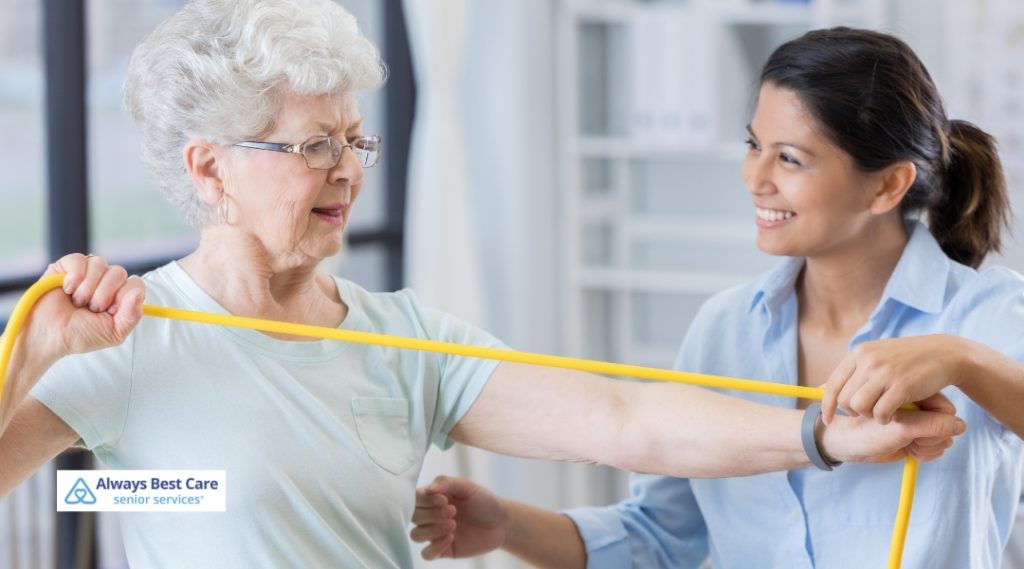
Table of Contents
The Reality of Stroke Recovery at Home
No two strokes are alike. Depending on the severity and location of the brain injury, survivors may face challenges with mobility, speech, memory, swallowing, or emotional regulation. Many of these effects are not fully resolved during a hospital stay or short-term rehabilitation program.
Once a senior returns home, the environment itself becomes part of the therapy. Familiar surroundings can reduce anxiety and support cognitive function, but they can also present hazards if the home has not been adapted for safety. Home health professionals assess both the patient and the environment, creating a recovery plan that is practical, personalized, and built around real daily life.
Skilled Nursing: Medical Oversight Where It Counts
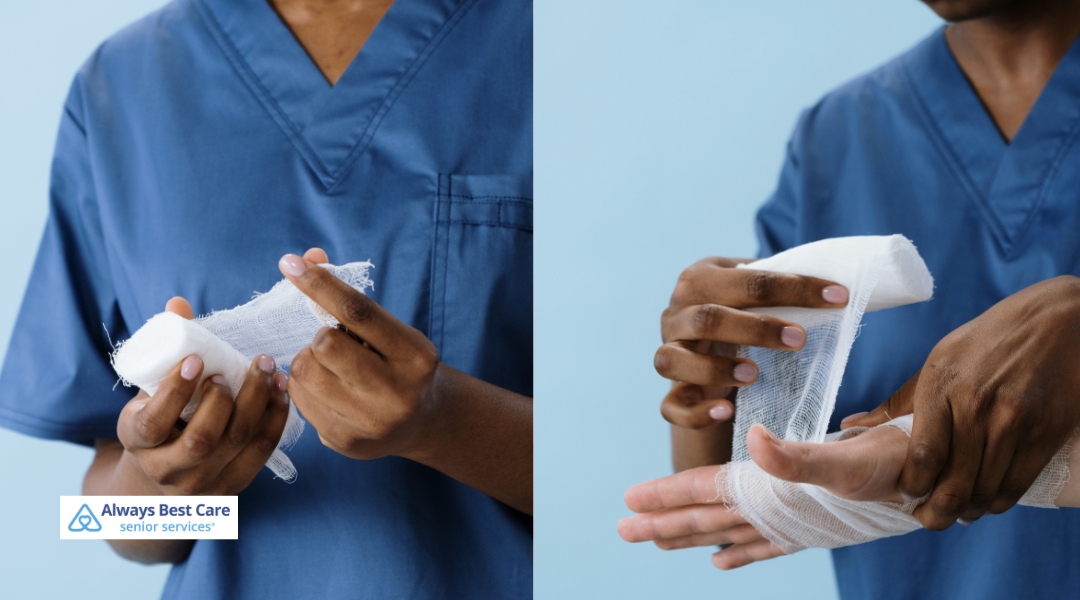
A licensed home health nurse is often the cornerstone of post-stroke care. Nurses provide ongoing medical monitoring that helps catch complications before they escalate.
Skilled nursing services may include:
- Monitoring blood pressure, heart rate, and other vital signs
- Managing and reconciling medications
- Identifying early warning signs of a secondary stroke
- Wound care or management of co-existing conditions such as diabetes or heart disease
- Educating family members on what to watch for and how to respond
This level of oversight reduces the risk of hospital readmission and gives families confidence that their loved one is being watched over by a trained professional—not just between appointments, but consistently throughout the week.

Physical Therapy: Rebuilding Strength and Movement
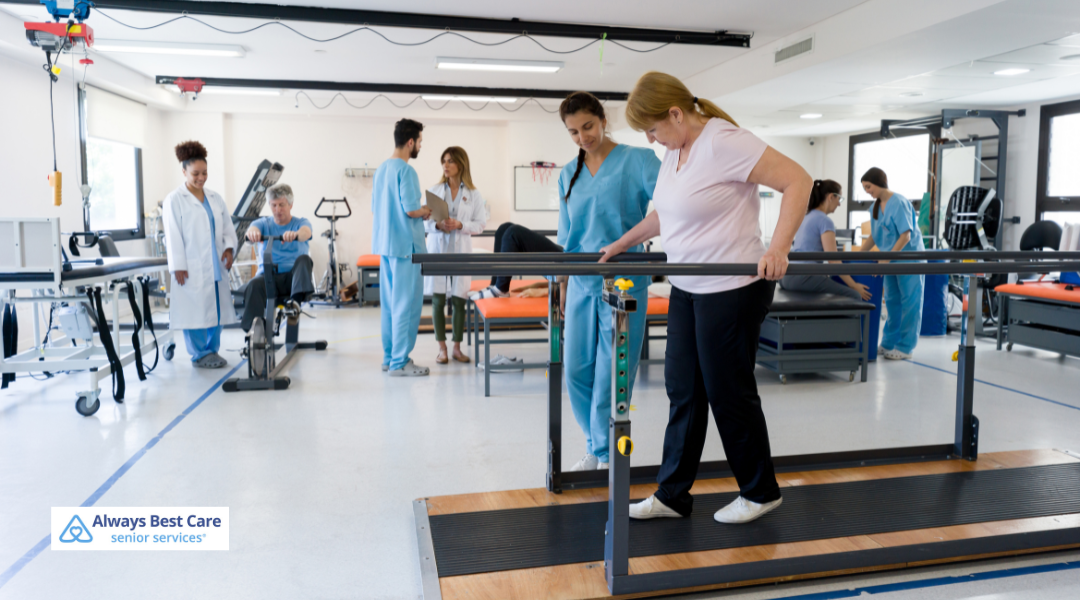
Weakness or paralysis on one side of the body is one of the most common effects of a stroke. Physical therapy focuses on restoring as much function as possible through targeted, progressive exercise.
A home health physical therapist in Dallas, TX works with seniors to:
- Rebuild muscle strength and coordination
- Improve balance and reduce fall risk
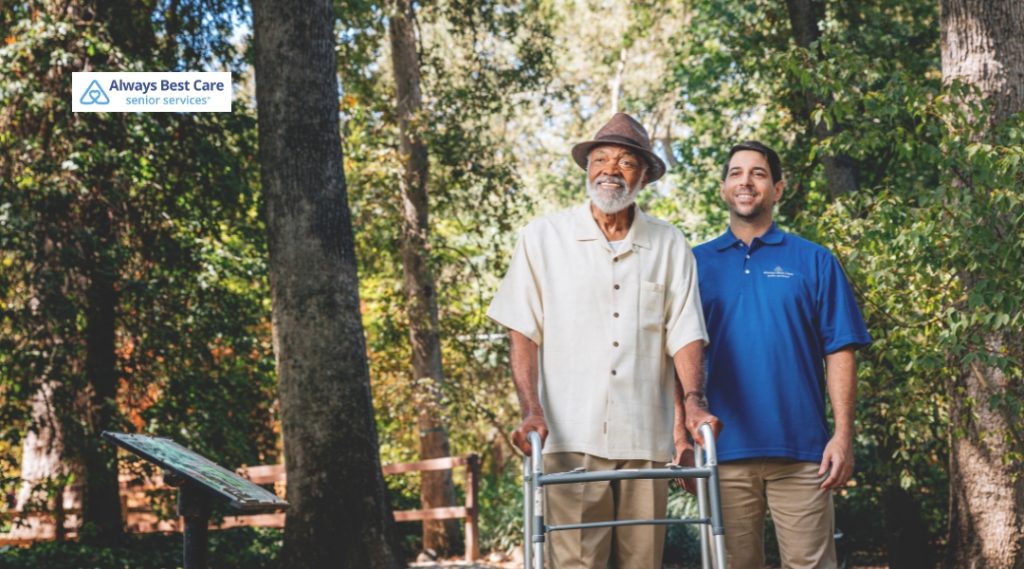
- Restore walking ability and safe mobility
- Increase range of motion in affected limbs
Because therapy happens at home, sessions can be tailored to the actual spaces a senior navigates every day—practicing how to safely get up from a specific chair, move through a narrow hallway, or manage the front steps. This real-world focus accelerates meaningful progress and builds genuine confidence.

Occupational Therapy: Relearning the Routines of Daily Life
A stroke can make once-automatic tasks feel overwhelming. Occupational therapy helps seniors rediscover their ability to manage daily activities with greater independence and safety.
Occupational therapy in Dallas, TX may address:
- Bathing, grooming, and dressing techniques
- Adaptive strategies for cooking and household tasks
- Fine motor skill development for writing or handling objects
- Assistive device recommendations
- Home modifications to reduce fall hazards and improve accessibility
The goal is not just physical recovery—it is restoring a sense of normalcy and self-sufficiency that directly impacts a senior’s emotional well-being and quality of life.
Monitoring for Complications and Setbacks
Recovery rarely follows a straight line. Home health teams play a critical role in tracking progress and identifying red flags early.
Warning signs that home health professionals monitor for include:
- Sudden changes in speech, vision, or movement
- Increased weakness or new balance issues
- Unusual confusion or fatigue
- Signs of infection, medication side effects, or other complications
Early intervention can prevent minor setbacks from becoming serious medical events. Regular check-ins also allow care plans to be adjusted as a senior’s condition evolves, ensuring that the level of support always matches the current need.
Emotional and Social Support
The psychological impact of a stroke is often underestimated. Depression, anxiety, and emotional lability—sudden mood shifts caused by brain changes—are common among survivors. Feelings of frustration, grief over lost abilities, and fear of another stroke can all interfere with recovery.
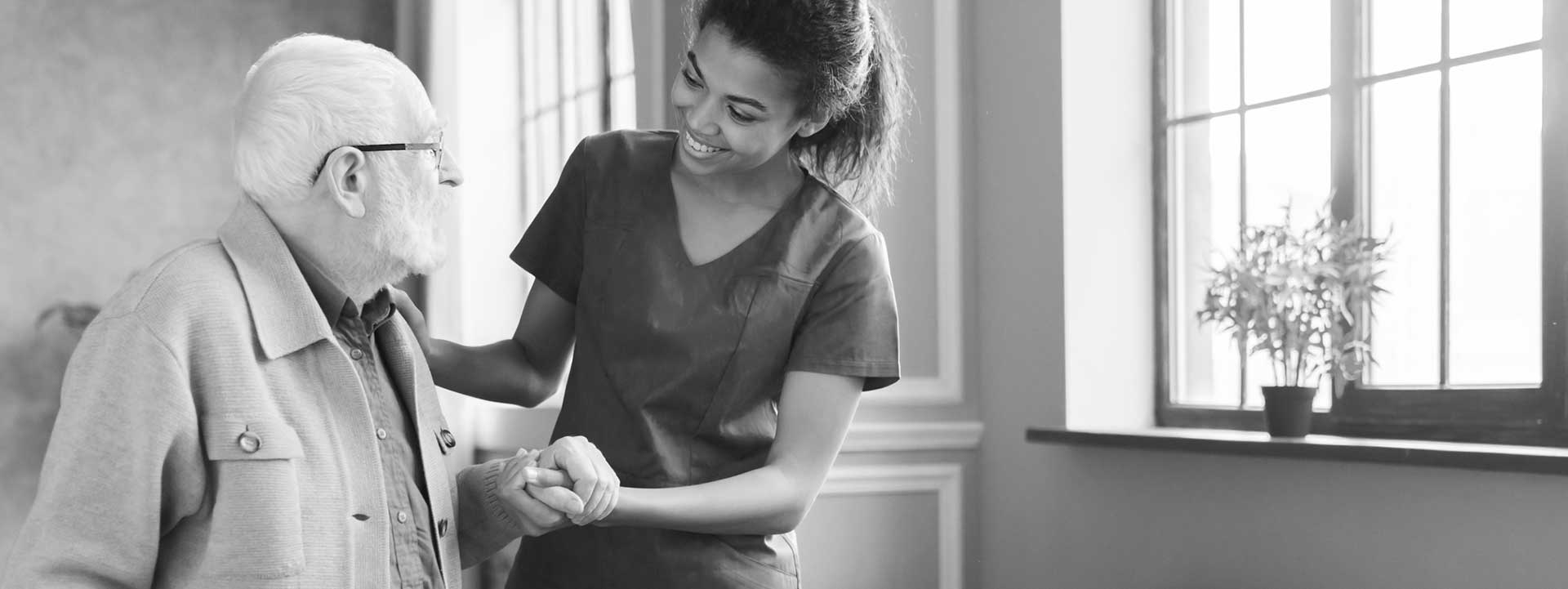
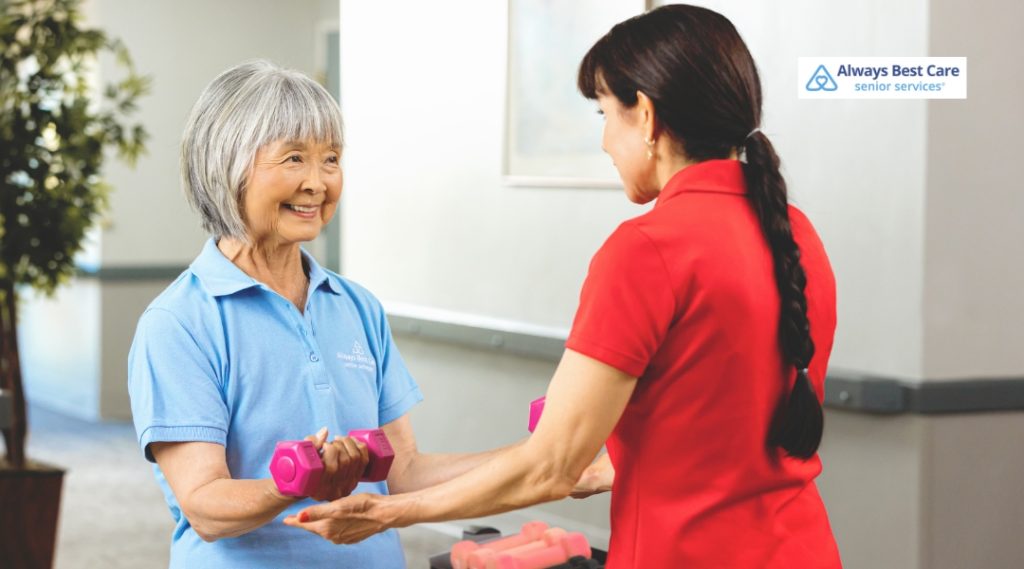
Home health caregivers and nurses provide more than clinical support. Their consistent presence offers companionship, encouragement, and a sense of stability during a period that can feel deeply uncertain. For seniors living alone or with limited family support nearby, this human connection is an essential part of healing.
How Always Best Care of Dallas, TX Supports Stroke Recovery
At Always Best Care of Dallas, TX, we take a whole-person approach to post-stroke care. Our team coordinates closely with physicians, therapists, and family members to build care plans that reflect each senior’s unique needs, goals, and home environment.
Beyond skilled nursing and therapy coordination, our caregivers provide hands-on support with daily activities, meal preparation, transportation to follow-up appointments, and companionship. This integrated model ensures that seniors receive consistent, high-quality care across every aspect of their recovery—not just the clinical pieces.
We understand that stroke recovery is a marathon, not a sprint. Our team is here for every step.
Frequently Asked Questions
Q: How soon after a stroke can home health services begin?
A: Home health services can typically begin within days of discharge from a hospital or rehabilitation facility. A physician’s order is required, and a care coordinator will conduct an initial assessment to determine which services are appropriate.
Q: Does Medicare cover home health after a stroke?
A: In many cases, yes. Medicare Part A and Part B may cover skilled nursing, physical therapy, occupational therapy, and speech therapy if a physician certifies that the services are medically necessary and the patient meets homebound criteria. Coverage details vary, so it is best to verify benefits with your provider.
Q: What is the difference between home health and home care?
A: Home health refers to medically skilled services provided by licensed professionals, such as nurses and therapists. Home care refers to non-medical support, such as help with bathing, meal preparation, and companionship. Always Best Care of Dallas, TX offers both, allowing families to access a full continuum of support through a single provider.
Q: How long does a stroke survivor typically need home health services?
A: The duration varies based on the severity of the stroke and the individual’s rate of recovery. Some seniors benefit from a few weeks of skilled nursing and therapy, while others may require ongoing support for several months. Care plans are regularly reassessed and adjusted as progress is made.
Q: What if my loved one’s condition changes during recovery?
A: Home health teams are trained to recognize and respond to changes in a patient’s condition. If a concern arises between scheduled visits, families can contact their care coordinator directly. Significant changes may prompt a reassessment and adjustment of the care plan.
Recover Safely and Thrive at Home with Personalized Stroke Support
At Always Best Care of Dallas, our skilled nurses, therapists, and caregivers help stroke survivors rebuild strength, confidence, and independence through structured home health care. From therapy and daily activity assistance to emotional support and monitoring, we make recovery safer and smoother.
Contact Always Best Care of Dallas at (972) 739-8886 to learn more and schedule your free consultation and learn how our home health services can support your loved one’s stroke recovery with skilled nursing, therapy, and compassionate care.
Link to the markdown version of this blog.