

Senior Blood Sugar Monitoring: Critical Warning Signs Every Caregiver Should Recognize in Dallas, TX
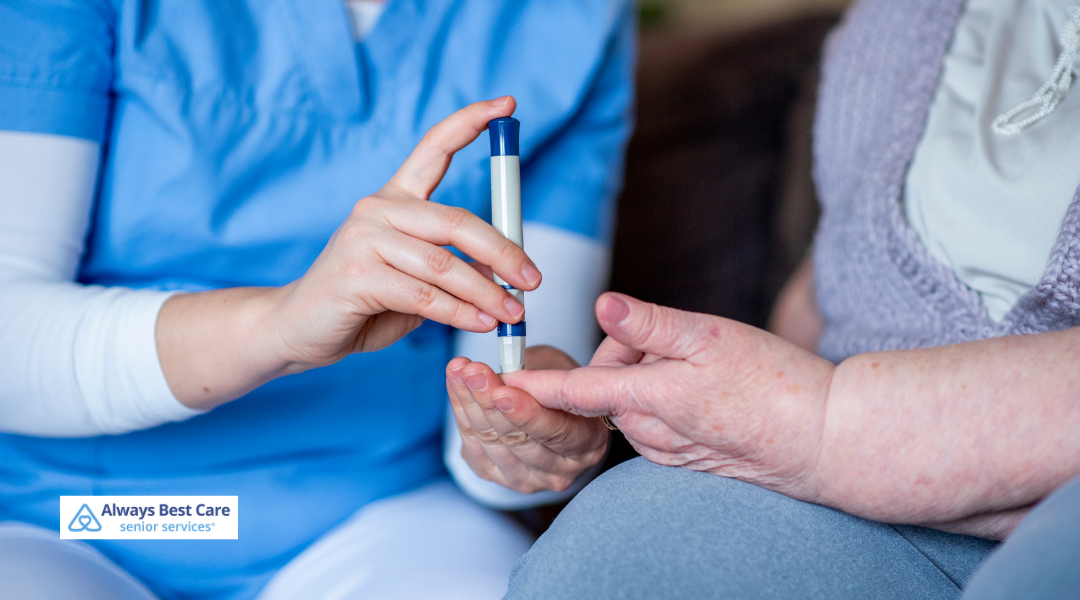
Managing blood sugar changes in older adults is about much more than numbers on a meter. For seniors in Dallas, TX living with diabetes, everyday things—like catching a cold, starting a new pill, or skipping a meal—can send blood sugar swinging up or down.
As families, we don’t need medical degrees to notice when something’s “just not right.” We only need to know our loved one’s usual habits and pay attention when those habits shift. That’s where we at Always Best Care of Dallas, TX come in: we walk alongside you to keep routines steady, watch for warning signs, and support safer, more confident living at home.
Table of Contents
What You Will Learn
- Why blood sugar can become harder to manage as older adults experience medication changes, appetite shifts, illness, kidney-function changes, memory concerns, less activity, vision changes, or mobility limitations.
- Common warning signs of low blood sugar, including shakiness, sweating, dizziness, weakness, hunger, headaches, irritability, confusion, unusual behavior, and poor coordination.
- Common signs of high blood sugar, such as increased thirst, frequent urination, blurred vision, fatigue, unexplained weight loss, and slow-healing cuts or sores.
- Why a sudden change in confusion, energy, balance, behavior, thirst, urination, or eating habits should not automatically be dismissed as normal aging.
- How regular meals, prescribed medication routines, glucose monitoring, hydration, safe activity, and medical follow-up can support steadier day-to-day diabetes care.
- How personalized non-medical in-home support can help older adults maintain routines when memory changes, arthritis, tremors, low vision, reduced mobility, or caregiver demands make diabetes management more difficult.

Why Blood Sugar Gets Harder to Manage with Age
As people get older, blood sugar changes in older adults tend to show up more often and feel harder to keep in check.
Aging can bring:
- New health problems that stack on top of diabetes
- More medications that may affect appetite or blood sugar
- Changes in kidney function and digestion
- Memory lapses that lead to missed meals or doses
- Less movement or activity day to day
A senior who doesn’t feel well might eat less, nap more, or lose track of time. Added together, these shifts can quietly push blood sugar too low or too high. That’s why regular checks, honest conversations, and simple routines matter so much.
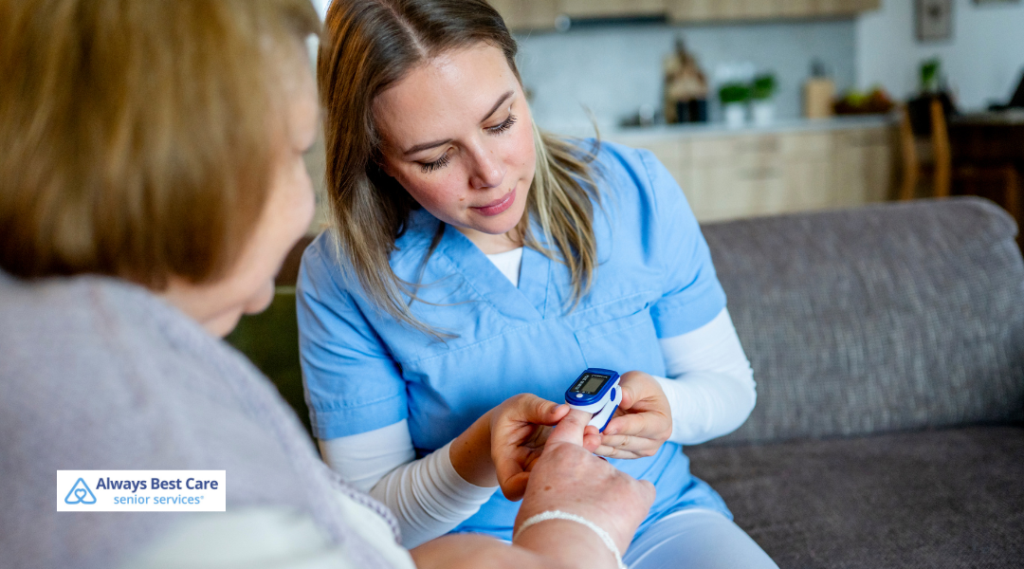
Recognizing Low Blood Sugar in Older Adults in Dallas, TX
Low blood sugar (hypoglycemia) happens when glucose drops below a safe range. It can show up suddenly, sometimes out of the blue.
Common causes include:
- Eating too little or skipping meals
- Taking diabetes medications without enough food
- Increased physical activity
- Illness or changes in other medications

Warning Signs of Low Blood Sugar
Watch for:
- Shaking or sweating
- Dizziness or sudden weakness
- Intense hunger
- Headache
- Irritability or anxiety
- Trouble focusing
- Confusion or “acting strangely”
- Clumsiness or changes in coordination
In older adults, these signs can look like “just getting older.” But if your loved one is fine one minute and confused or weak the next, it’s a red flag, not something to ignore.
Severe low blood sugar can cause:
- Seizures
- Loss of consciousness
That’s an emergency. Call for help right away.

Recognizing High Blood Sugar in Older Adults
High blood sugar (hyperglycemia) usually creeps in more slowly than low blood sugar. Because it’s gradual, families may miss what’s happening until things get serious.
Warning Signs of High Blood Sugar
Keep an eye out for:
- Increased thirst that doesn’t go away
- More frequent trips to the bathroom
- Blurred or fuzzy vision
- Ongoing fatigue or weakness
- Headaches
- Unexplained weight loss
- Cuts or sores that heal slowly
Left unchecked, high blood sugar over time can lead to problems with:
- Eyes
- Kidneys
- Nerves
- Heart and blood vessels
Very high blood sugar can also trigger immediate danger. If a loved one has major confusion, severe weakness, trouble breathing, or passes out, treat it as an emergency and get help right away.

Spotting Changes From Your Loved One’s Usual Routine
We as families have a powerful tool: we know what “normal” looks like for our loved one. Changes from that normal routine often show up before a crisis.
You might notice:
- Energy shifts: Mom seems exhausted even after resting.
- Thirst and bathroom changes: Dad is constantly drinking water and running to the restroom.
- Behavior changes: Someone who’s usually sharp suddenly seems confused or unsteady.
Instead of chalking these up to age, it’s better to pause and ask, “What’s different?”
Helpful questions for the healthcare provider include:
- What’s the safe blood sugar range for my loved one?
- How often should we check their glucose?
- Which symptoms mean we should call the doctor?
- What signs signal a true emergency?
Consistent Routines Make Diabetes Easier to Handle
Routine may sound boring, but for seniors with diabetes, it’s a quiet hero. Steady habits can keep blood sugar closer to the goals set by the healthcare provider.
Common routine pieces include:
- Eating meals and snacks on a regular schedule
- Taking medications exactly as prescribed
- Checking blood sugar as directed
- Drinking enough fluids throughout the day
- Staying safely active
- Attending scheduled medical appointments
Families should share a full list of medications and supplements with the healthcare team, since even small changes can affect blood sugar.

When Memory or Mobility Problems Complicate Diabetes Care in Dallas, TX
For seniors in Dallas, TX, diabetes care can feel like juggling: remembering medications, timing meals, checking blood sugar, and keeping appointments straight. If memory starts to slip, those tasks can quickly become overwhelming.
Physical challenges make it tougher too. For example:
- Arthritis can make handling small test strips tricky.
- Vision changes can make reading labels hard.
- Tremors can interfere with using testing supplies.
- Mobility issues can limit grocery trips and doctor visits.
These hurdles are often a sign that steady help at home could make life safer and less stressful.
How We at Always Best Care of Dallas, TX Support Safer Diabetes Care
Living with diabetes is about everyday living, not just lab results. That’s where we step in. At Always Best Care of Dallas, TX, we work side by side with families to support healthy routines and catch early warning signs of blood sugar changes in older adults.
We can help by:
- Preparing balanced, diabetes-friendly meals
- Offering gentle reminders for medications
- Encouraging drinking enough water
- Supporting safe, appropriate activity
- Providing rides to appointments
- Noticing and sharing any changes in mood, energy, or habits
For seniors who qualify for home health services, licensed healthcare professionals can add extra medical support based on the doctor’s plan. Together, we help build everyday rhythms that support safety, independence, and comfort.
Helping Your Loved One Stay Safe with Diabetes
Blood sugar can shift quickly, and older adults may not always notice—or might downplay—what they feel. By staying involved and watching for small changes, families can prevent big problems.

FAQs – Blood Sugar Changes in Older Adults in Dallas, TX
Q: What’s the biggest warning sign of blood sugar trouble in older adults?
A: A sudden change from your loved one’s usual behavior—such as confusion, extreme tiredness, or unusual thirst and bathroom trips—is one of the clearest signs something may be off with blood sugar.
Q: How often should we check a senior’s blood sugar at home?
A: The best testing schedule depends on the doctor’s guidance, the type of diabetes, and current medications, so it’s important to follow the plan set by the healthcare provider.
Q: What should we do if we suspect low blood sugar?
A: If your loved one is awake and able to swallow, follow the doctor’s instructions, which usually include giving a quick source of sugar and rechecking. If they’re confused, having trouble staying awake, or unable to swallow safely, seek emergency help right away.
Q: How can we help prevent high blood sugar in our loved one?
A: Consistent meals, medication routines, physical activity that’s safe for them, and regular check-ins with the healthcare provider all help keep blood sugar from staying high for long periods.
Q: How does Always Best Care of Dallas, TX support families dealing with diabetes?
A: We help by supporting daily habits—meal preparation, reminders, hydration, activity, appointments—and by watching for warning signs so families and healthcare providers can respond early.

Support Safer Diabetes Routines at Home
Blood sugar changes in older adults don’t have to catch us off guard. By knowing the warning signs, paying attention to everyday routines, and getting timely support, families in Dallas, TX can help their loved ones stay safer and more independent at home.
We at Always Best Care of Dallas, TX are here to walk this road with you, offering practical, day-to-day help that keeps diabetes care manageable and life at home more comfortable. Contact Always Best Care of Dallas at (972) 739-8886 to learn more and schedule your free consultation.
Link to the markdown version of this blog.