Hidden Signs of Osteoporosis: What Dallas Seniors and Families Should Watch For
Osteoporosis doesn’t usually announce itself with obvious symptoms. Bones get weaker slowly, year after year, while life in Dallas goes on—errands, grandkids’ games, church, neighborhood walks—until one minor fall suddenly leads to a major fracture.
For Dallas seniors and their families, understanding the subtle signs and risk factors of osteoporosis can be the difference between catching it early and only discovering it after a broken hip or spine. Paying attention now can help protect independence, mobility, and quality of life later.
What You Will Learn:
- The subtle warning signs of osteoporosis that are often overlooked.
- Which Dallas seniors are at higher risk for fragile bones and fractures.
- Why early detection is key to preventing serious injuries.
- Simple steps families can take to support bone health and reduce fall risk.
Table of Contents
What Is Osteoporosis in Everyday Terms?
In simple language, osteoporosis means bones have become thinner, weaker, and more fragile than they should be. Healthy bone has a tight, sturdy structure; with osteoporosis, that structure becomes more porous and delicate, like a sponge with too many holes.
The trouble is, bones don’t send pain signals while they’re quietly thinning. Many Dallas seniors feel completely fine—until a sudden break from a small slip, a lift, or even a cough reveals what’s been happening under the surface.
Hidden Warning Signs Dallas Families Often Overlook
While osteoporosis is called a “silent disease,” it sometimes does send signals—just not the ones people always expect. These clues can be easy to shrug off as “just aging,” but they deserve a closer look.
“Shrinking” or Losing Noticeable Height
A slow loss of a half-inch or so over many years can be normal, but bigger or faster changes can signal vertebrae in the spine are weakening and compressing. Signs might include:
- Pants suddenly too long or hems dragging
- Needing to adjust shelves, mirrors, or favorite chairs
- Looking shorter in family photos compared to a few years ago
If a loved one in Dallas seems to be “shrinking” more than expected, ask a doctor about bone health rather than writing it off.
A Rounding or Hunched Upper Back
A stooped or hunched posture—often called a “dowager’s hump”—can be a sign of compression fractures in the spine caused by osteoporosis. Seniors may:
- Lean forward when standing or walking
- Struggle to stand fully upright
- Complain of back fatigue or stiffness more often
This isn’t just about appearance; changes in posture can affect balance, breathing, and comfort.
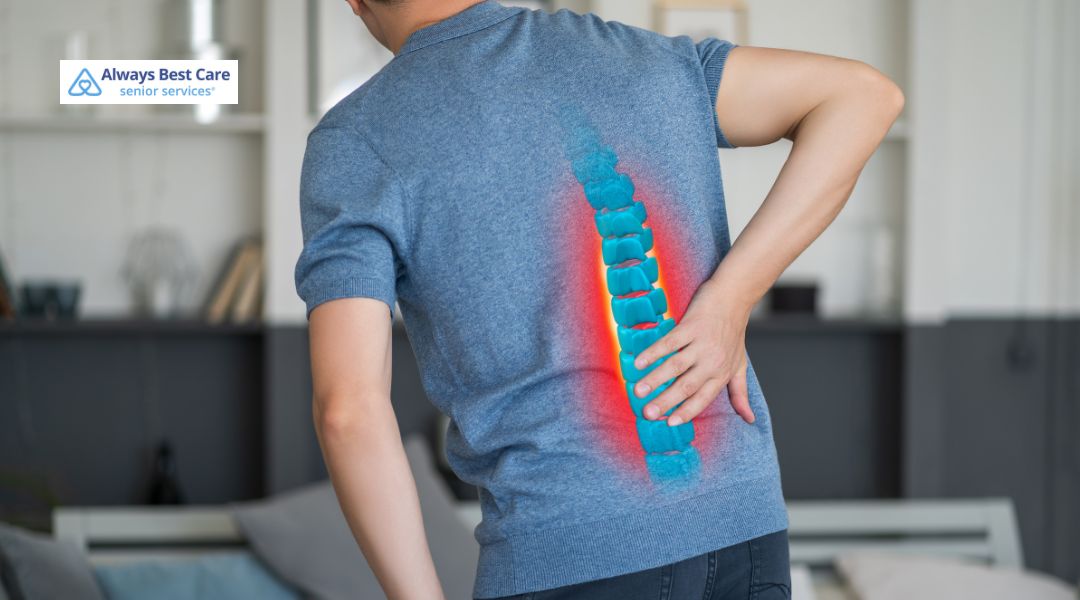
Sudden, Unexplained Back Pain
A sharp or persistent back pain that arrives without a clear injury can be a hidden sign of a small fracture in the spine. Red flags include:
- Pain appearing after lifting something light
- Pain starting after a minor twist, bend, or stumble
- Pain that doesn’t match how “big” the movement or strain was
Back pain has many causes, but when it’s new, sharp, and puzzling, it’s worth checking whether osteoporosis might be involved.
Fractures From Minor Falls or Routine Activities
Perhaps the biggest warning sign is a bone that breaks from something that normally shouldn’t cause such severe damage. Examples include:
- Wrist fractures from a short fall on a flat surface
- Hip fractures from a simple trip at home or in a store
- Rib fractures from coughing, sneezing, or lifting light objects
These “fragility fractures” are the body’s way of shouting what bones couldn’t quietly say earlier: “We’re weaker than we should be.”
Who Is at Higher Risk in Dallas?
Not everyone faces the same osteoporosis risk. Dallas families should pay close attention if a senior:
- Is a woman over 65 or a man over 70
- Had early menopause or low hormone levels
- Has a small, thin body frame
- Has a parent or sibling with osteoporosis or hip fractures
- Lives with conditions like rheumatoid arthritis, thyroid or parathyroid problems, or certain GI disorders
- Uses medications such as long-term steroids or some cancer treatments
- Smokes or has smoked heavily in the past
- Drinks alcohol heavily or frequently
- Gets little calcium, vitamin D, or weight-bearing exercise
If several of these rings true, it’s wise to ask a healthcare provider about bone density testing and prevention—even if there have been no fractures yet.
Why Early Detection Matters for Dallas Seniors
Catching osteoporosis early doesn’t just add another diagnosis; it opens doors to real protection. Early detection can:
- Help prevent future fractures or reduce their likelihood
- Support better balance, strength, and mobility
- Lower the risk of hospital stays, surgery, and long rehab periods
- Keep seniors more independent at home and in the community
A bone density test (often called a DEXA scan) is quick and painless. For many high-risk Dallas seniors, it’s one of the most important screening tests to talk about during checkups.

Everyday Steps to Support Stronger Bones
No one can turn back the clock, but it’s never too late to support bone health. Dallas seniors and families can focus on small, sustainable habits.
Helpful daily steps include:
- Eating calcium-rich foods like dairy, fortified plant milks, leafy greens, and canned fish with bones
- Getting enough vitamin D through sensible sun exposure, diet, or supplements as recommended
- Doing weight-bearing activities such as walking, dancing, or light strength training (as safety allows)
- Avoiding smoking and cutting back on excessive alcohol
- Maintaining a healthy weight—avoiding extremes that strain the body
Even modest changes, done consistently, can slow bone loss and protect strength.
Making Dallas Homes Safer to Prevent Falls
Osteoporosis doesn’t cause falls—but it does make falls far more dangerous. Fall prevention at home is a critical part of protecting fragile bones.
Simple safety improvements can include:
- Removing loose rugs, cords, and clutter from walkways
- Using non-slip mats in the bathroom and kitchen
- Adding grab bars in the shower and near the toilet
- Ensuring stairways and hallways are well-lit
- Using sturdy, supportive shoes instead of slippery socks or worn-out slippers
These changes help any older adult, but they’re especially important when osteoporosis or high fracture risk is on the table.
How Dallas Families Can Advocate for Bone Health
Family members are often the first to spot subtle changes—shrinking height, a new stoop, or a surprising fracture. Instead of brushing those off, they can gently push for answers.
Helpful ways to advocate include:
- Bringing up concerns about height loss, posture, or fractures at medical appointments
- Asking whether a bone density test is appropriate
- Keeping track of any falls, back pain episodes, or fractures
- Supporting medication, supplement, and exercise plans recommended by healthcare providers
- Offering to join walks, classes, or simple home exercises for encouragement
The goal isn’t to alarm a loved one, but to partner with them in staying strong and safe.

FAQs About Hidden Osteoporosis Signs in Dallas Seniors
Q: Are there always warning signs before an osteoporosis-related fracture?
A: Not always. Many seniors have no noticeable symptoms until a fracture occurs. However, signs like height loss, a hunched back, unexplained back pain, or fractures from minor falls can be important clues.
Q: How can families tell if height loss is a concern or just normal aging?
A: Small changes over many years can be normal. More rapid height loss, or loss paired with back pain or posture changes, is a good reason to ask a doctor about possible spinal fractures or osteoporosis.
Q: Can osteoporosis cause pain even without a fracture?
A: Most of the time, osteoporosis itself is painless until a bone breaks or a vertebra in the spine compresses. Ongoing or sharp pain should always be discussed with a healthcare provider to find the cause.
Q: What should a Dallas senior do after a “minor” fracture?
A: Even a small fracture from a low-impact fall can be a red flag for osteoporosis. It’s important to discuss the fracture with a doctor and ask whether bone density testing and treatment should be considered.
Q: Is it too late to help bones if someone is already in their 70s or 80s?
A: No. While earlier prevention is ideal, older adults can still benefit from fall prevention, better nutrition, appropriate activity, and—when recommended—medications that help strengthen or protect bones.

Listening for the Quiet Warnings
Osteoporosis may develop quietly, but its impact on Dallas seniors’ independence and safety can be loud and life-changing. By watching for hidden warning signs—like shrinking height, changes in posture, unexplained back pain, or fractures from minor falls—families can catch potential problems earlier instead of waiting for a major injury.
With informed conversations, simple home adjustments, and bone-friendly habits, Dallas families can turn quiet risks into clear action steps, helping loved ones stay steadier, stronger, and more confident in the years ahead. Contact Always Best Care of Dallas at (972) 739-8886 to learn more and schedule your free consultation.
Link to the markdown version of this blog.