

New Year, New Care Plan: Assessing Your Parents’ Needs After the Holidays in Dallas

The holidays have a funny way of slowing us down just enough to notice what everyday life can hide. You open the fridge and spot expired food. You realize Dad skipped a few showers. You see, Mom’s pill organizer isn’t lining up with the calendar—nothing dramatic—just a handful of details that linger in your mind once you’re back home.
Those moments often point to early signs of aging in parents. And the start of a new year is the perfect time to take a closer look, especially for families in Dallas who want to support independence without waiting for a crisis.

Table of Contents
Why the Post-Holiday Season Brings Clarity
Holiday visits usually mean more time under the same roof. Shared meals, longer conversations, and a peek into daily routines reveal patterns—some comforting, some concerning.
Once January rolls around, the pace slows. That’s when you can separate holiday fatigue from ongoing needs and begin planning with a clear head.
Signs of Aging in Parents That Often Go Unnoticed
Some changes shout. Others whisper. The quiet ones are often the most important.
Household Clues You Might Miss at First
- Expired or spoiled food tucked behind newer groceries
- Unopened mail is stacking up on the counter
- Dishes or laundry left undone longer than usual.
- Home maintenance tasks are going unfinished.
Personal Care and Hygiene Changes
- Wearing the same clothes repeatedly
- Skipping showers or grooming
- Unkempt hair or nails
Medication and Routine Red Flags
- Missed doses or mixed-up pill organizers
- Confusion around refill schedules
- Forgotten appointments
Taken together, these patterns are common signs of aging in parents, even when your loved one insists they’re “doing fine.”
Emotional Shifts Matter, Too
After the holidays, the quiet can feel heavier. Seniors may withdraw, lose interest in routines, or seem less motivated. Emotional well-being is just as important as physical health, and companionship can make a world of difference during this season.
Why an Aging in Place Care Plan Makes Sense
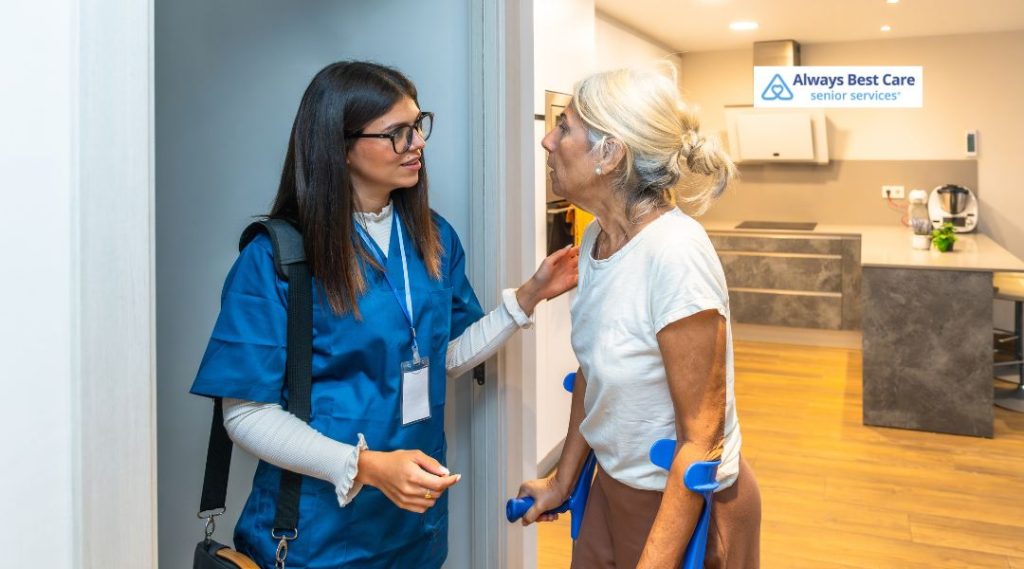
An aging-in-place care plan focuses on helping seniors stay safely at home while addressing real-life challenges. It’s practical, flexible, and designed to grow as needs change.
A good plan considers:
- Daily routines and personal care
- Nutrition and meal preparation
- Medication management
- Home safety and organization
- Social connection
This approach supports independence while reducing stress for everyone involved.
The Value of a Home Care Assessment Dallas Families Trust
A home care assessment Dallas families rely on provides clarity without pressure. It evaluates how safely a senior can live at home by looking at mobility, routines, the home environment, and overall well-being.
Think of it as a snapshot of daily life. It highlights what’s working well, where risks exist, and how small adjustments—or added support—can make everyday living smoother.

When It’s Time to Consider Reliable Caregivers in Dallas
As needs become clearer, many families begin searching for reliable caregivers in Dallas. In-home care offers support without requiring a major lifestyle change or move.
Caregivers can help with:
- Personal care and daily routines
- Meal preparation and light housekeeping
- Medication reminders
- Companionship and supervision
Support can be short-term or ongoing, always tailored to what feels right.
Senior Care Dallas, TX Families Can Feel Confident About
Quality senior care Dallas, TX families choose is built around dignity, comfort, and real-life routines. Care works best when it fits the person—not the other way around.
With the right support, seniors stay connected to their community while families gain peace of mind.
How Always Best Care of Dallas Helps Families Move Forward
Always Best Care of Dallas helps families turn concern into confidence. Through thoughtful assessments and personalized in-home care, they guide families step by step.
Care plans stay flexible, adjusting as routines and needs evolve—so support always matches what’s happening now.
FAQs About Signs of Aging in Parents
Q: What are the common signs of aging in parents?
A: Common signs include changes in hygiene, household neglect, missed medications, memory lapses, and shifts in routine.
Q: Why do these signs show up after the holidays?
A: Extended time together during the holidays makes daily patterns easier to notice.
Q: What is a home care assessment in Dallas?
A: A home care assessment in Dallas evaluates whether a senior can safely remain at home and identifies areas where support may help.
Q: How does an aging-in-place care plan help seniors?
A: It supports safety and comfort at home while preserving independence.
Q: Can reliable caregivers in Dallas help short-term?
A: Yes. Care can be temporary or ongoing, depending on needs.

Turning Awareness Into Action
Those quiet moments after the holidays—the expired food, the missed pills, the neglected routines—aren’t meant to scare you. They’re meant to inform you.
Recognizing the signs of aging in parents, scheduling a home care assessment in Dallas, and exploring reliable caregivers in Dallas can help families act early and thoughtfully. With the right aging in place care plan, seniors can remain safe, supported, and comfortable at home—right where they want to be.
Sometimes, the most loving step forward is simply choosing support before life demands it. Contact Always Best Care of Dallas at (972) 739-8886 to learn more and schedule your free consultation.