Staying Independent at Home in Dallas: How Occupational Therapy Supports Local Seniors

For many Dallas seniors, the goal isn’t just living longer—it’s staying in the home they know, on the streets they recognize, and within reach of the people and places they love. Over time, though, tasks like bathing, getting dressed, cooking, or moving around the house can start to feel a bit shaky.
Occupational therapy steps in right at that point. By focusing on the way seniors actually live day to day, OT helps local older adults stay more independent, safer, and more comfortable at home—without stripping away the routines and preferences that make life feel like their own.

Table of Contents
What Occupational Therapy Does for Dallas Seniors at Home
Occupational therapy is all about function in real life. Instead of concentrating only on exercise or recovery after surgery, it looks at how seniors manage everyday activities such as:
- Bathing, dressing, and grooming
- Getting in and out of bed, chairs, and the shower
- Moving safely through hallways, stairs, and entryways
- Preparing simple meals and handling light chores
The goal is to adapt tasks, tools, and the home environment so seniors can keep doing as much for themselves as possible, with less risk and less frustration.
Everyday Independence: Making Daily Tasks Safer and Easier
Personal care is often the first area where seniors start to feel uncertain. Slick bathroom floors, low toilets, and awkward tubs can all raise the risk of falls. Occupational therapists help Dallas seniors by:
- Suggesting grab bars, shower chairs, and non-slip mats
- Teaching safer ways to step into and out of tubs or showers
- Recommending dressing aids like reachers, sock tools, and long-handled sponges
These changes help older adults stay more involved in their own care, preserving privacy and dignity while lowering the stress for both seniors and family members.

Housework and Meals Without Overdoing It
Keeping up with the house doesn’t have to mean wearing yourself out. OT helps seniors:
- Rearrange kitchens so everyday items are within easy reach
- Sit while preparing food, folding laundry, or sorting mail
- Use lighter cookware and easy-grip utensils
Instead of giving up on chores, seniors can keep contributing to the household in safer, more energy-efficient ways.
Strength, Balance, and Moving Around the Home
Weakness and stiffness can make simple movements feel risky. Occupational therapists build practical, gentle activities into normal routines, such as:
- Practicing sit-to-stand from a favorite chair
- Working on safe reaching and bending within a comfortable range
- Pairing light strength or balance exercises with daily tasks
These small, consistent efforts help Dallas seniors feel steadier when they stand, walk, or change positions.
Reducing Falls Through Better Movement and Setup
Falls are one of the biggest threats to independent living. OT looks at both movement and environment to reduce that risk by:
- Teaching safer ways to turn, pivot, and step on different surfaces
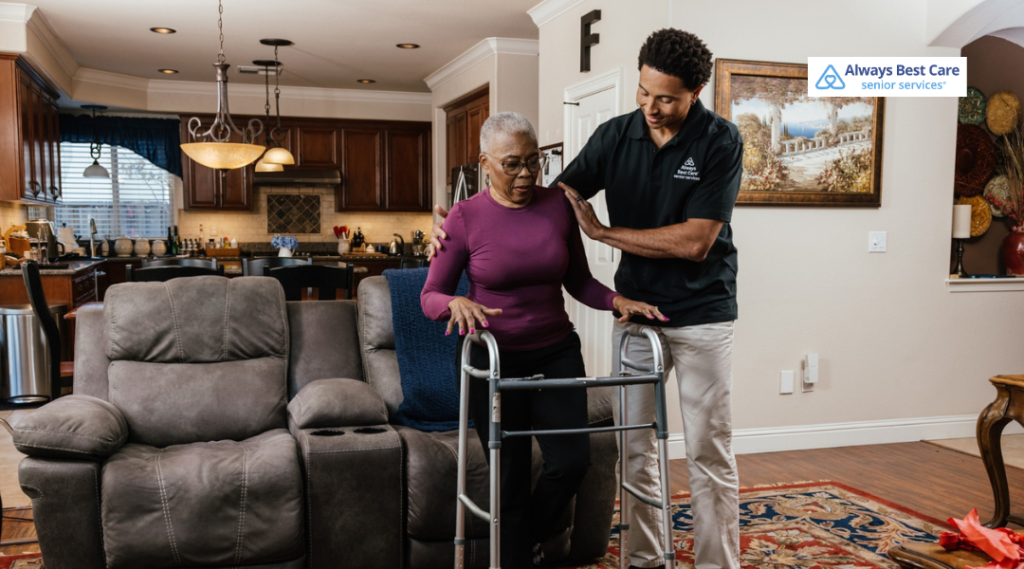
- Checking that walkers, canes, or other devices are the right type and height
- Identifying hazards like loose rugs, cords, or tight furniture layouts
Small changes—like adding nightlights, securing rugs, or widening walking paths—can have a big impact on safety and confidence.
Adapting the Dallas Home for Aging in Place
Occupational therapy home visits often include a walk-through of the house. The focus is on practical improvements, such as:
- Clearing clutter from hallways and entryways
- Adjusting furniture so that pathways are straight and unobstructed
- Adding stable handholds where seniors naturally reach for support
- Making sure commonly used items aren’t stored too high or too low
The goal isn’t to redesign the house from scratch—it’s to make the existing home work better for how the senior lives right now.

Choosing Helpful Tools, Not Just More “Stuff”
The right tools can make daily life much easier, but only if they’re comfortable and used correctly. OT can recommend and demonstrate:
- Proper use of walkers, canes, or rollators
- Raised toilet seats, grab bars, and shower chairs
- Simple aids like reachers, jar openers, or big-handled utensils
By matching the tools to the person and their routines, therapists help seniors feel more capable instead of overwhelmed by equipment.
Supporting Memory, Mood, and Daily Rhythm
Some Dallas seniors face memory or thinking changes along with physical challenges. Occupational therapists can introduce:
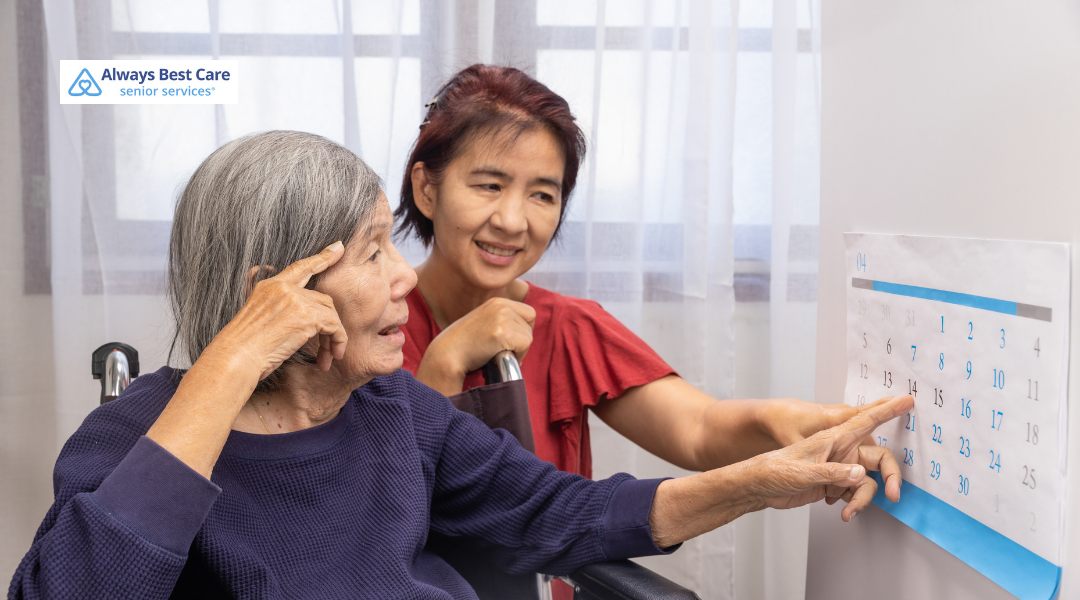
- Checklists or simple calendars for daily routines
- Labeled drawers or baskets for important items
- Medication organizers and reminder strategies
These tools make the day feel more structured and manageable for both seniors and their families.

Protecting Confidence and Emotional Well-Being
Every successful task—whether it’s getting dressed independently or fixing a small meal—helps rebuild confidence. OT supports that by:
- Setting realistic goals and celebrating progress
- Offering new ways to do tasks that feel less frustrating
- Helping seniors feel more like partners in their own care
That emotional boost often makes it easier to stay engaged with family, friends, and the broader Dallas community.
How In-Home Caregivers and OT Work Together in Dallas
Occupational therapists create the plan; in-home caregivers help put that plan into action day after day. Together, they can:
- Reinforce safe movement techniques and daily exercises
- Set up and maintain the home according to safety recommendations
- Use equipment correctly and consistently, from mobility aids to bathroom supports
This collaboration helps ensure progress doesn’t stall between therapy visits.
Creating Routines That Work in Real Life
Caregivers also help shape a daily rhythm that feels realistic and supportive. With guidance from OT, they may:
- Plan more demanding activities during times of higher energy
- Build in rest breaks to prevent fatigue-related mishaps
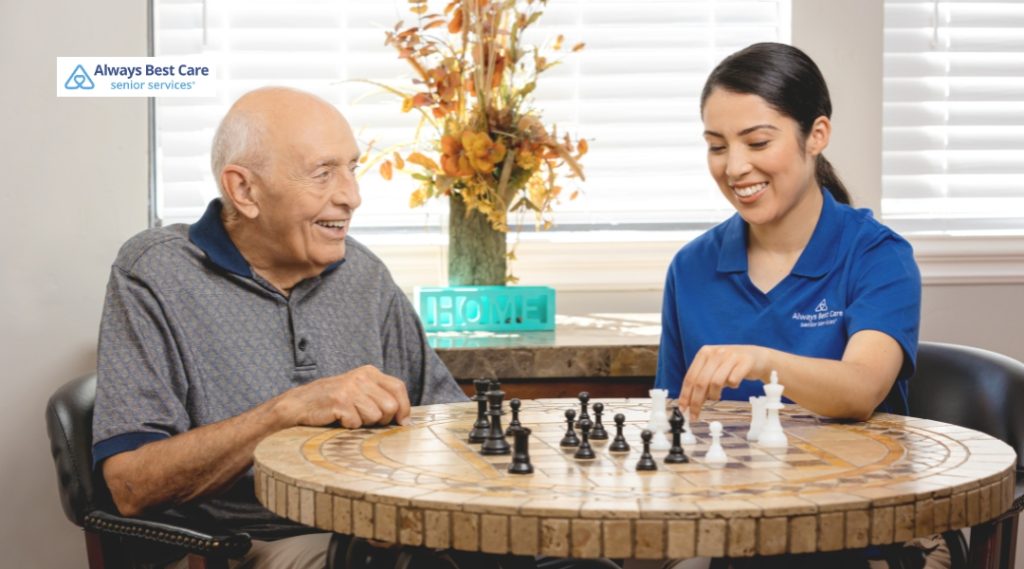
- Make space for hobbies, visits, and quiet time that keep life meaningful
The result is a routine that supports independence rather than working against it.
FAQs: Occupational Therapy and Senior Independence in Dallas
Q: How does occupational therapy help Dallas seniors stay independent at home?
A: Occupational therapy helps seniors stay independent by making daily tasks safer and easier, improving strength and balance, and recommending home and equipment changes that support everyday routines.
Q: Is occupational therapy only needed after a fall or surgery?
A: No. OT can help anytime daily activities start feeling harder, more tiring, or more stressful—whether because of aging, chronic conditions, or gradual changes in mobility.
Q: Can an occupational therapist visit my loved one’s home in Dallas?
A: Yes, many occupational therapists offer in-home visits so they can see real-world challenges and tailor recommendations to the actual home and routines.
Q: How long does it usually take to see benefits from occupational therapy?
A: Some benefits—like safer ways to move or small home adjustments—can appear quickly. Gains in strength, endurance, and confidence often build over several weeks or months.
Q: How do in-home caregivers and occupational therapists work together?
A: Therapists evaluate and create personalized plans; caregivers help seniors practice strategies, follow safety recommendations, and keep daily routines aligned with the OT’s goals.
Independence with Support, Right at Home in Dallas
For seniors in Dallas, staying independent at home doesn’t have to be an all-or-nothing choice. With occupational therapy and thoughtful in-home support, daily tasks can be adjusted, homes can be made safer, and confidence can grow again—one routine at a time.
For families, that combination of expertise and everyday help can turn constant worry into a clearer, more hopeful path for aging at home. Contact Always Best Care of Dallas at (972) 739-8886 to learn more and schedule your free consultation.
Link to the markdown version of this blog.